

SAE J1401 Brake Hose Specifications: Durable & Compliant
The Imperative Role of SAE J1401 Brake Hose Specifications in Modern Automotive and Industrial Systems
In the highly critical domain of fluid transfer systems, particularly within braking mechanisms, adherence to stringent quality and performance standards is not merely a recommendation but a foundational necessity. The SAE J1401 Brake Hose Specifications represent the zenith of engineering excellence and safety in the automotive and heavy-duty equipment industries. These specifications meticulously define the construction, testing, and performance criteria for hydraulic brake hoses used in road vehicles, ensuring unparalleled reliability under extreme operational conditions. This standard is pivotal for engineers, procurement specialists, and maintenance professionals seeking components that can withstand intense pressure cycles, temperature fluctuations, and corrosive environments without compromising vehicle safety or operational integrity. Beyond just compliance, understanding the intricacies of SAE J1401 offers a competitive advantage, enabling the selection of hoses that extend service life, reduce maintenance overheads, and enhance overall system efficiency. The global automotive market, projected to reach significant valuation by 2030, increasingly relies on such standardized components to meet escalating safety regulations and performance demands. The integration of advanced materials and manufacturing processes in producing hoses compliant with SAE J1401 reflects a broader industry trend towards intelligent, resilient infrastructure. For instance, the demand for brake systems capable of supporting autonomous driving technologies and electric vehicles necessitates hoses that can manage higher burst pressures and withstand prolonged exposure to aggressive braking fluids without degradation. This evolution underscores the dynamic nature of engineering standards, which continuously adapt to incorporate innovations in material science and digital manufacturing. Furthermore, the application of these hoses extends beyond conventional passenger cars to include commercial trucks, buses, and specialized industrial machinery where braking system failure can lead to catastrophic outcomes. The robust design and rigorous testing mandated by the sae j1401 brake hose specifications mitigate risks, thereby safeguarding lives and assets, and ensuring operational continuity in diverse and demanding environments. This commitment to quality permeates every stage, from material selection to final product verification, guaranteeing a component that performs reliably throughout its lifecycle.
Decoding the Manufacturing Prowess: The Process Behind SAE J1401 Brake Hoses
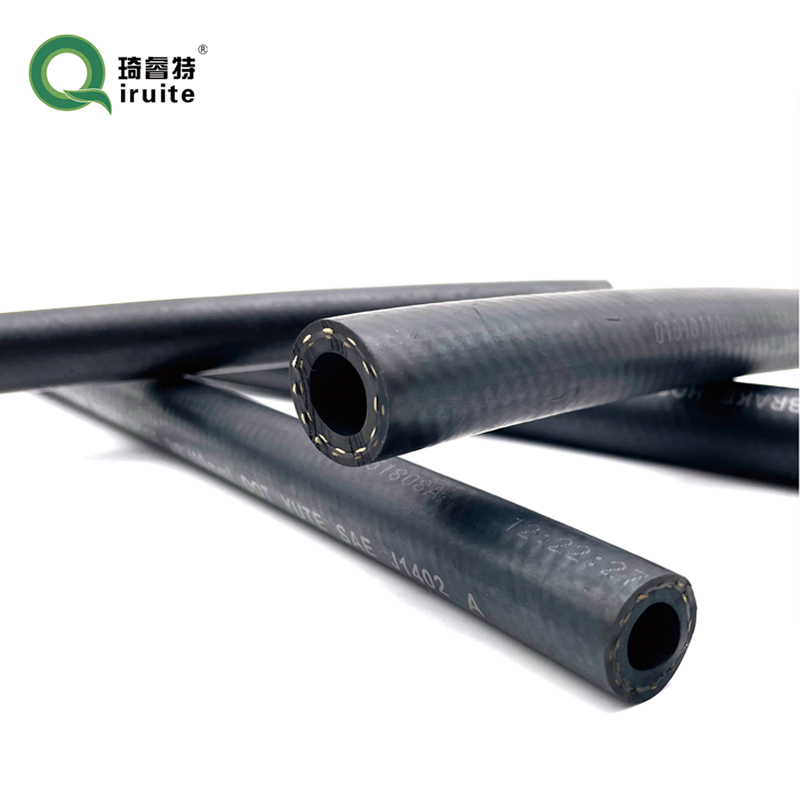
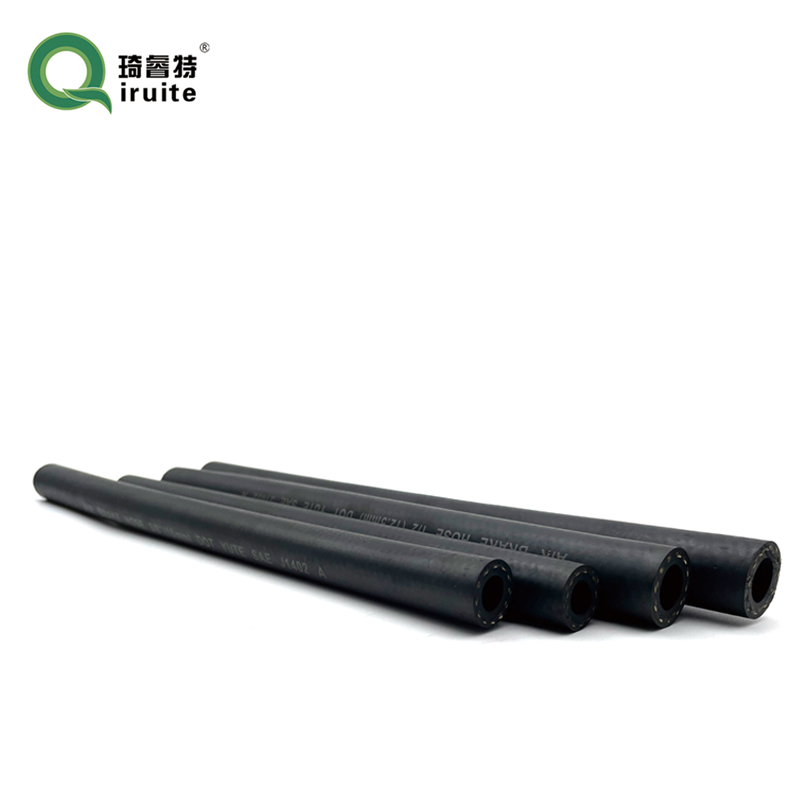
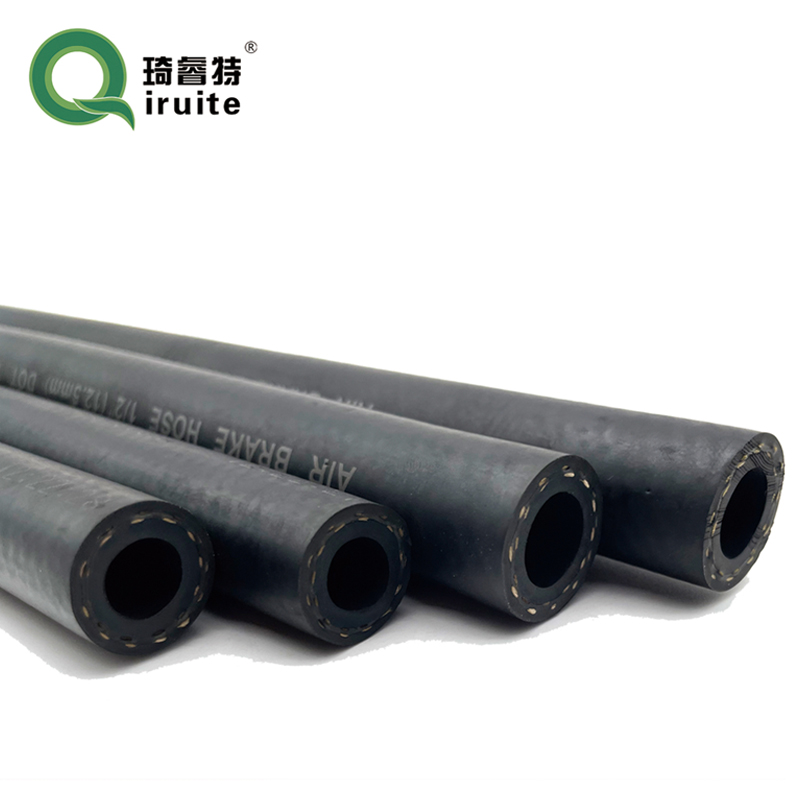
The production of a SAE J1401 brake hose is an intricate process, a testament to precision engineering and material science, ensuring each hose meets the demanding sae j1401 brake hose specifications. The core structure typically comprises multiple layers: an inner tube, reinforcement layers, and an outer cover. The inner tube, primarily made from synthetic rubber compounds like EPDM, NBR, or specialized fluoropolymers, is selected for its chemical inertness to various brake fluids (DOT 3, DOT 4, DOT 5.1, and silicone-based DOT 5) and its ability to withstand high temperatures. This material choice is critical in preventing fluid degradation and ensuring long-term sealing integrity. The manufacturing process often begins with extrusion, where the inner tube material is forced through a die to form a continuous, seamless tube. Following this, reinforcement layers, usually braided synthetic fibers (like rayon, polyester) or high-tensile steel wire, are meticulously applied. This braiding or spiraling technique significantly enhances the hose's burst strength and pressure resistance, a key parameter evaluated under J1401 brake hose standards. The density and angle of the braid are precisely controlled to achieve optimal flexibility without sacrificing strength. After the reinforcement, an outer cover, typically made of weather-resistant synthetic rubber (like chloroprene or EPDM), is extruded over the assembly. This outer layer provides protection against abrasion, ozone, UV radiation, and environmental contaminants, extending the hose's operational lifespan in harsh automotive environments. Post-extrusion, the hose undergoes vulcanization, a curing process involving heat and pressure, which chemically cross-links the rubber compounds, imparting final mechanical properties like elasticity, durability, and resilience. Every batch then proceeds to rigorous testing, far exceeding typical quality control. Key tests include burst pressure tests (e.g., typically over 2000 psi, with some applications requiring higher), volumetric expansion tests (ensuring minimal hose expansion under pressure for consistent pedal feel), whip tests (simulating vibration and dynamic stress, performed for millions of cycles), tensile strength tests on hose assemblies, and cold flexibility tests (ensuring performance down to -40°C). Furthermore, resistance to brake fluid, ozone, and salt spray is verified to ensure long-term performance under various operational stresses. Compliance with standards such as ISO 9001 and IATF 16949 for manufacturing quality management systems is also common among reputable manufacturers, underscoring a commitment to continuous improvement and defect prevention.
Technical Parameters and Performance Benchmarks for SAE J1401 Hoses
The core strength of sae j1401 brake hose specifications lies in the quantifiable performance metrics they mandate. These parameters dictate the hose's suitability for specific applications and ensure universal compatibility and safety across different vehicle platforms. Key technical parameters include burst pressure, typically required to exceed 14.0 MPa (2030 psi) for Type A and 10.5 MPa (1523 psi) for Type B hose, with actual manufacturer ratings often significantly surpassing these minimums to provide an ample safety margin. Volumetric expansion, measured in cubic centimeters per foot at specified pressures (e.g., 6.9 MPa/1000 psi and 10.3 MPa/1500 psi), is critical as it directly affects pedal feel and brake response time. Lower volumetric expansion indicates a more efficient and responsive braking system. For instance, a typical 1/8-inch ID hose might have a maximum volumetric expansion of 0.45 cm³/ft at 1000 psi. Resistance to ozone, a significant environmental degradant, is evaluated through exposure to high ozone concentrations for extended periods (e.g., 70 hours at 50 ± 1°C in 50 ± 5 pphm ozone), with no cracking or deterioration permitted. Temperature resistance is another crucial parameter, with hoses expected to operate reliably across a broad range, typically from -40°C to +100°C (-40°F to +212°F), and often higher for specific applications like racing or heavy-duty commercial vehicles. This involves testing for flexibility at low temperatures and resistance to heat aging. The whip test, simulating dynamic flexing and vibration, is performed for millions of cycles (e.g., 3.5 million cycles at 1750 cycles/minute) to assess fatigue resistance, with no signs of leakage or failure. Tensile strength of hose assemblies, measuring the force required to pull the end fittings from the hose, must meet minimum thresholds, ensuring robust connections. Specific gravity, hardness (Durometer A), and chemical resistance to various brake fluids are also integral parts of the sae j1401 standard, guaranteeing material integrity over time. These rigorous tests and specified parameters ensure that every brake hose sae j1401 compliant product delivers consistent, reliable performance in the most demanding operational conditions, thereby contributing to vehicular safety and longevity.
| Parameter | SAE J1401 Requirement (Typical) | Significance |
|---|---|---|
| Burst Pressure | Min. 14.0 MPa (2030 psi) for Type A | Critical for preventing sudden hose failure under peak braking forces. |
| Volumetric Expansion | Max 0.45 cm³/ft @ 1000 psi (for 1/8" ID) | Ensures consistent pedal feel and immediate brake response. |
| Whip Test Cycles | Min. 3.5 million cycles without failure | Evaluates fatigue resistance under constant vibration and flexing. |
| Ozone Resistance | No cracking/deterioration after 70 hrs @ 50 pphm | Protects against environmental degradation and premature aging. |
| Tensile Strength (Assembly) | Min. 1460 N (328 lbf) for 1/8" ID hose | Ensures secure connection between hose and fittings. |
| Temperature Range | -40°C to +100°C (-40°F to +212°F) | Guarantees performance in diverse climatic conditions. |
Applications and Advantages: Where SAE J1401 Hoses Excel
The pervasive adoption of SAE J1401 brake hose across numerous sectors is a direct consequence of its uncompromising quality and reliability, underpinned by the rigorous sae j1401 brake hose specifications. Predominantly, these hoses are indispensable in the automotive industry, serving as crucial conduits for hydraulic brake fluid in passenger cars, light trucks, heavy-duty commercial vehicles, and motorcycles. Their robust construction and resistance to high pressures and varied temperatures ensure consistent braking performance, critical for driver and passenger safety. Beyond road vehicles, the standard extends to specialized equipment such as agricultural machinery, construction vehicles (e.g., excavators, loaders), and material handling equipment (e.g., forklifts), where hydraulic braking systems are vital for operational control and safety. In these heavy-duty applications, the hoses must withstand not only high internal pressures but also severe external stresses, including abrasion, impacts, and exposure to dirt, chemicals, and extreme weather. The inherent durability and long service life derived from compliance with sae j1401 standards translate directly into reduced downtime and lower total cost of ownership for fleet operators and equipment managers. The technical advantages of adhering to SAE J1401 include enhanced safety, superior performance, and extended operational longevity. The low volumetric expansion characteristic ensures a firm and responsive brake pedal, providing drivers with confidence and control. The excellent fatigue resistance, demonstrated by millions of whip cycles, makes these hoses ideal for dynamic environments where constant vibration and movement are present. Furthermore, their superior resistance to ozone and brake fluids means less material degradation over time, significantly reducing the risk of leaks or catastrophic failures. This also contributes to environmental protection by preventing leaks of hydraulic fluids. In terms of energy efficiency, while a direct measure is challenging for brake hoses, their consistent performance contributes to the overall efficiency of the braking system by minimizing energy loss due to unnecessary expansion or fluid compressibility. For example, in a modern vehicle, precise brake modulation is essential for features like ABS and ESC; a hose with minimal volumetric expansion ensures that hydraulic pressure translates directly and efficiently to braking force, optimizing the performance of these safety systems and indirectly contributing to energy conservation by preventing wasted effort. Client feedback frequently highlights the reduced frequency of hose replacements and improved vehicle safety ratings as direct benefits of using j1401 brake hose compliant products.
Tailored Solutions and Trustworthiness in SAE J1401 Hose Provision
Recognizing that standard products may not always fit the unique requirements of every application, reputable manufacturers offer comprehensive customization solutions for sae j1401 brake hose products. This extends beyond merely length and fitting types to include specialized materials for extreme temperatures or aggressive fluids, bespoke reinforcement layers for higher burst pressures, and custom outer covers for enhanced abrasion or chemical resistance. For instance, a client developing an electric vehicle with regenerative braking might require hoses with improved thermal dissipation properties or unique end fittings to integrate seamlessly with novel brake caliper designs. In industrial settings, a manufacturer of heavy-duty excavators might need hoses resistant to specific hydraulic fluids or capable of operating under exceptionally high ambient temperatures, necessitating tailored compounding of the rubber materials. The ability to provide exact lengths, precise fitting configurations (e.g., inverted flare, metric bubble flare, banjo fittings), and custom labeling ensures that the final product integrates perfectly into the client's system, optimizing performance and simplifying installation. This collaborative approach often involves detailed engineering consultations, prototype development, and exhaustive testing to ensure the customized solution still meets or exceeds the core sae j1401 brake hose specifications while addressing specific operational challenges. Trustworthiness in the supply of critical components like SAE J1401 brake hose is built on a foundation of transparent processes, robust quality assurance, and unwavering customer support. Companies that adhere to international certifications like ISO/TS 16949 (now IATF 16949 for automotive quality management) and ISO 9001 demonstrate a commitment to consistently meeting customer and regulatory requirements. Service experience spanning decades, verifiable through partnerships with major automotive OEMs and industrial equipment manufacturers, further reinforces a supplier's authority. For example, a manufacturer with 20+ years of experience and partnerships with Tier 1 automotive suppliers showcases a proven track record. Comprehensive warranty promises, typically extending for several years or specific mileage, provide peace of mind regarding product longevity. Efficient delivery cycles, often supported by global logistics networks and strategic inventory management, ensure that crucial components are available when needed, minimizing production delays. Furthermore, dedicated customer support, including technical assistance, troubleshooting, and field service, ensures that any issues are promptly addressed, cementing long-term client relationships. This holistic approach, combining expert technical knowledge, proven experience, and steadfast support, is what truly defines a trustworthy partner in the supply of brake hose sae j1401 products.
Frequently Asked Questions (FAQ) about SAE J1401 Brake Hoses
Q1: What is the primary difference between Type A and Type B SAE J1401 brake hose?
The primary distinction between Type A and Type B SAE J1401 brake hose specifications lies in their reinforcement and pressure ratings. Type A hoses are typically reinforced with textile braid and are suitable for lower to moderate pressure applications, common in passenger cars and light-duty vehicles. They generally have a minimum burst pressure requirement of 14.0 MPa (2030 psi). Type B hoses, on the other hand, incorporate higher strength reinforcement, often steel wire braid, designed for more demanding, high-pressure braking systems found in heavy-duty commercial vehicles, trucks, and buses. Their minimum burst pressure requirement is usually higher, at 10.5 MPa (1523 psi), although practical applications often see them rated much higher due to the steel reinforcement. This difference in construction directly impacts their ability to withstand the internal pressures and external stresses specific to their intended vehicle categories. Selecting the correct type is crucial for ensuring both safety and optimal performance within the vehicle’s hydraulic braking system.
Q2: How does temperature affect the performance and lifespan of a J1401 brake hose?
Temperature plays a critical role in the performance and longevity of a SAE J1401 brake hose. At excessively high temperatures, the rubber compounds in the inner tube and outer cover can begin to degrade, leading to hardening, cracking, or softening, which can compromise the hose's structural integrity and ability to contain brake fluid. This degradation can lead to leaks, increased volumetric expansion (soft pedal feel), and eventually hose failure. Conversely, at extremely low temperatures, the hose material can become brittle, losing its flexibility. This can make the hose susceptible to cracking or breaking, especially when subjected to dynamic flexing or vibration during vehicle operation. The sae j1401 brake hose specifications mandate rigorous cold flexibility and heat aging tests to ensure that hoses maintain their essential properties and performance characteristics across a wide operational temperature range, typically from -40°C to +100°C. Proper material selection and adherence to these thermal resistance standards are vital for ensuring consistent braking performance and safety in diverse climatic conditions.
Q3: What are the typical delivery timelines and warranty periods for SAE J1401 brake hose products?
Delivery timelines for SAE J1401 brake hose products can vary significantly based on order volume, customization requirements, and supplier inventory. For standard, off-the-shelf components, typical delivery might range from 1-2 weeks for domestic shipments to 3-6 weeks for international orders, depending on logistics and customs procedures. For highly customized solutions or large-scale OEM orders, lead times could extend to 8-12 weeks, as these often involve specific material procurement, tooling, and dedicated production runs. Reputable manufacturers often provide estimated delivery schedules upfront and maintain transparent communication regarding any potential delays. Regarding warranty periods, most manufacturers offer a standard warranty, typically ranging from 1 to 3 years or a specified mileage (e.g., 50,000 miles or 80,000 kilometers), covering defects in material and workmanship. This warranty period reflects the manufacturer's confidence in their product's durability and compliance with sae j1401 brake hose specifications. It is always advisable for buyers to clarify specific delivery terms and warranty conditions with their chosen supplier to ensure alignment with their project timelines and quality expectations.
Authoritative References
- 1. SAE International. (2020). J1401: Hydraulic Brake Hose – Automotive. SAE Handbook.
- 2. ISO. (2015). ISO 9001:2015 - Quality management systems – Requirements. International Organization for Standardization.
- 3. IATF. (2016). IATF 16949:2016 - Quality management system requirements for automotive production and relevant service parts organizations. International Automotive Task Force.
- 4. Society of Automotive Engineers. (2021). Brake Hose Standard J1401 Technical Report. Warrendale, PA: SAE International.
-
Custom Power Steering Hose Kit Guide for Vehicle PerformanceNewsApr.16,2026
-
Guide to High Performance Custom Made Power Steering HosesNewsApr.09,2026
-
Comprehensive Guide to Custom High Pressure Power Steering Hose SolutionsNewsApr.07,2026
-
Comprehensive Guide to CRV Power Steering Hose Maintenance and ReplacementNewsApr.04,2026
-
Comprehensive Guide to CPP Power Steering Hoses for Optimal Vehicle PerformanceNewsMar.31,2026
-
Understanding the Cost to Repair Power Steering Hose and Associated FactorsNewsMar.28,2026
 Afrikaans
 Albanian
 Amharic
 Arabic
 Armenian
 Azerbaijani
 Basque
 Belarusian
 Bengali
 Bosnian
 Bulgarian
 Catalan
 Cebuano
 Corsican
 Croatian
 Czech
Czech
 Danish
 Dutch
Dutch
 Esperanto
 Estonian
 Finnish
 French
 Frisian
 Galician
 Georgian
 German
 Greek
Greek
 Gujarati
 Haitian Creole
 Hausa
Hausa
 Hawaiian
 Hebrew
 Hindi
Hindi
 Miao
Miao
 Hungarian
 Icelandic
 Igbo
Igbo
 Indonesian
 Irish
Irish
 Italian
 Japanese
 Javanese
 Kannada
 Kazakh
 Khmer
Khmer
 Rwandese
 Korean
 Kurdish
 Kyrgyz
 Lao
Lao
 Latin
Latin
 Latvian
 Lithuanian
 Luxembourgish
 Macedonian
 Malgashi
 Malay
Malay
 Malayalam
 Maltese
 Maori
Maori
 Marathi
 Mongolian
 Myanmar
 Nepali
 Norwegian
 Norwegian
 Occitan
 Pashto
 Persian
 Polish
 Portuguese
 Punjabi
 Romanian
 Russian
 Samoan
 Scottish Gaelic
 Serbian
 Sesotho
 Shona
Shona
 Sindhi
 Sinhala
 Slovak
 Slovenian
 Somali
 Spanish
 Sundanese
 Swahili
 Swedish
 Tagalog
 Tajik
Tajik
 Tamil
Tamil
 Tatar
Tatar
 Telugu
 Thai
Thai
 Turkish
 Turkmen
 Ukrainian
 Urdu
Urdu
 Uighur
 Uzbek
Uzbek
 Vietnamese
 Welsh
Welsh
 Bantu
Bantu
 Yiddish
 Yoruba
 Zulu
Zulu
 English