

High-Quality Power Steering Tube: Durable & Reliable Performance
The Critical Role and Evolving Landscape of Power Steering Tubes
In the intricate architecture of modern vehicles and heavy machinery, the power steering system stands as a cornerstone of operational efficiency and driver control. At the heart of this system lies the power steering tube, a critical component responsible for transmitting hydraulic fluid under immense pressure, facilitating the effortless maneuverability that operators have come to expect. The demand for enhanced safety, reliability, and performance in automotive, agricultural, and construction sectors has driven a significant evolution in the design and manufacturing of these tubes. Contemporary industry trends point towards lighter, more durable materials, superior corrosion resistance, and the ability to withstand extreme operating conditions, including fluctuating temperatures and high-impulse pressures. Manufacturers are increasingly focused on developing solutions that not only meet stringent performance benchmarks but also contribute to overall system efficiency through reduced friction losses and improved flow dynamics. The integration of advanced computational fluid dynamics (CFD) and finite element analysis (FEA) in the design phase allows for optimized internal geometries, minimizing turbulence and ensuring consistent hydraulic pressure delivery, which is paramount for sensitive steering responses and prolonged component lifespan. Furthermore, the global push towards sustainable engineering practices is influencing material selection, favoring recyclable alloys and manufacturing processes with reduced environmental footprints. This comprehensive approach ensures that the High-quality power steering tube remains a vital, evolving technology, indispensable for both conventional and next-generation power steering systems, directly impacting vehicle safety, operational uptime, and total cost of ownership in demanding industrial environments across petrochemical, metallurgy, and complex hydraulic applications. The pursuit of peak hydraulic efficiency and extended component life necessitates meticulous attention to every aspect of the power steering tube's design and production, ensuring it can perform flawlessly under the most rigorous conditions.
Precision Engineering: The Manufacturing Journey of High-Quality Power Steering Tubes
The production of a High-quality power steering tube involves a multi-stage, highly controlled manufacturing process, beginning with the meticulous selection of raw materials. Typically, seamless cold-drawn steel tubes (e.g., ST37.4, ST52.4), high-grade stainless steel (e.g., 304, 316L for enhanced corrosion resistance), or specialized aluminum alloys are chosen based on their tensile strength, fatigue resistance, and compatibility with various hydraulic fluids. The initial forming process often utilizes advanced techniques such as hydroforming or precision CNC bending, which allows for complex geometries and tight tolerances without compromising material integrity. Hydroforming, in particular, enables the creation of complex shapes with superior structural rigidity and reduced weight compared to traditional methods. Subsequent stages involve precision machining, such as CNC turning and milling, to ensure accurate fitting ends, flare nuts, and connection points, crucial for leak-free performance under high pressures, often exceeding 150 bar (2175 PSI). Brazing or Tungsten Inert Gas (TIG) welding techniques are expertly employed for joining components, ensuring robust and durable connections that withstand dynamic stresses. A critical step is the internal cleaning process, utilizing high-pressure flushing and ultrasonic cleaning to remove any residual debris or contaminants, which could otherwise compromise system longevity and fluid purity (e.g., meeting ISO 4406 cleanliness standards). Every batch undergoes rigorous inspection, including burst pressure testing (often to 4 times the maximum working pressure), impulse testing (simulating millions of steering cycles), salt spray corrosion tests, and dimensional accuracy checks using CMM (Coordinate Measuring Machine) systems. Adherence to international standards such as ISO 9001, IATF 16949, ASTM A179, and ANSI B16.11 is paramount, ensuring product consistency and reliability for demanding applications in petrochemical systems where corrosion resistance is vital, metallurgy where temperature extremes are common, and municipal water supply/drainage systems requiring long-term durability and resistance to various fluid compositions.
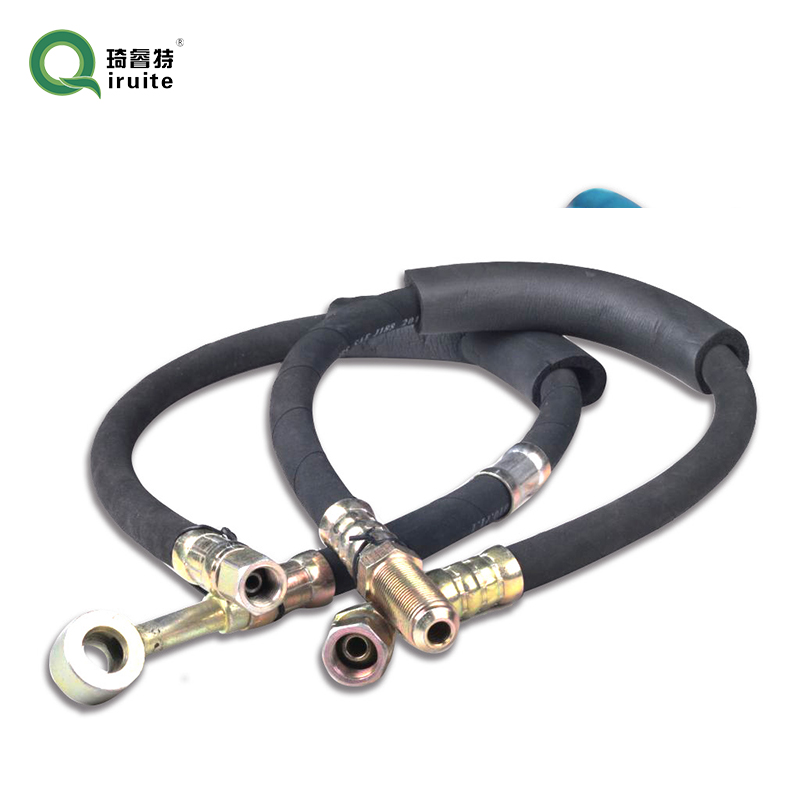
Unpacking Performance: Key Technical Specifications and Parameters
Understanding the technical specifications of a High-quality power steering tube is crucial for engineers and procurement specialists to ensure optimal system integration and long-term performance. These parameters define the tube's capability to withstand specific operational stresses and environmental factors. Key specifications include maximum working pressure, typically ranging from 100 to 200 bar (1450-2900 PSI), and a corresponding burst pressure, which is often 3-4 times the working pressure, providing a significant safety margin against unexpected surges. Operating temperature range is another critical factor, with tubes designed to function reliably from -40°C to +120°C (-40°F to +248°F) for standard automotive applications, and even broader ranges for specialized industrial uses such as in extreme cold or high-heat engine compartments. The material grade, such as E235 (ST37.4) or E355 (ST52.4) according to EN 10305-4 for carbon steel, or AISI 304/316L for stainless steel, dictates corrosion resistance, ductility, and overall strength. Internal diameter (ID) and external diameter (OD) are precisely controlled to ensure proper fluid flow rates and secure connections, typically ranging from 6mm to 25mm depending on the application and flow requirements. Fatigue life, measured in millions of cycles under simulated operating conditions, is a testament to the tube's durability and ability to resist failure from repeated stress. The minimum bending radius specifies the tightest bend possible without kinking or compromising the tube's integrity, a vital parameter for space-constrained installations. Surface finishes, both internal and external, are critical for corrosion protection and minimized fluid friction. For instance, electro-galvanized coatings with clear passivation (e.g., Cr3+ free zinc plating) or e-coating provide excellent external corrosion resistance, while ultra-smooth internal surfaces ensure laminar flow and reduce wear on seals and pumps. These detailed specifications collectively contribute to the tube’s overall reliability and efficiency, directly impacting vehicle performance and operational safety.
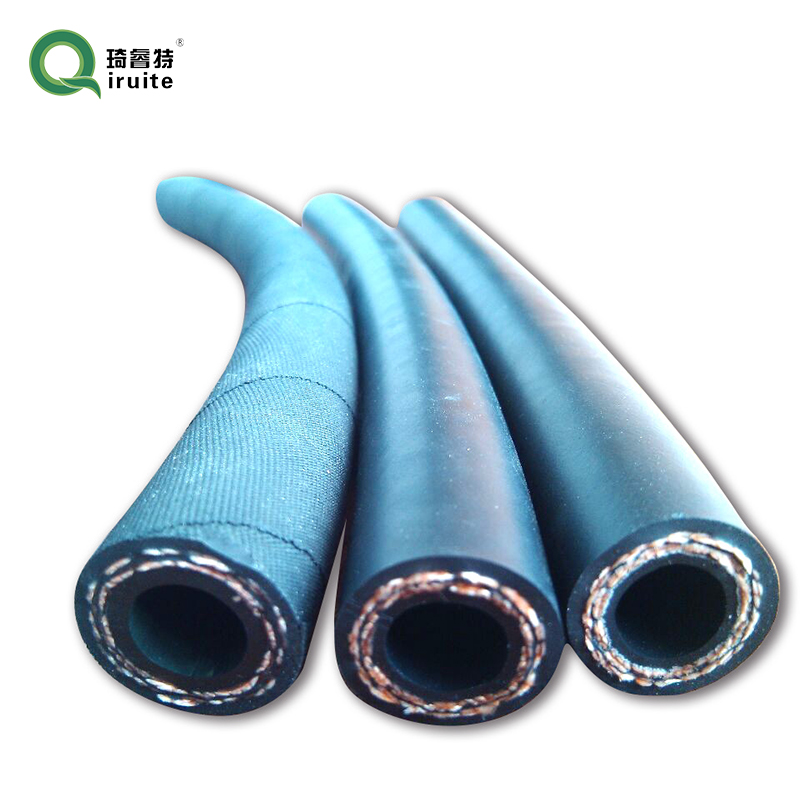
Typical Technical Specifications: High-Quality Power Steering Tube
| Parameter | Typical Range/Value | Significance |
|---|---|---|
| Material | Seamless Cold-Drawn Steel (ST37.4/ST52.4), Stainless Steel (304/316L), Aluminum Alloys | Determines strength, corrosion resistance, and weight. |
| Working Pressure | 100-200 Bar (1450-2900 PSI) | Maximum continuous operating pressure. |
| Burst Pressure | ≥ 4x Working Pressure | Safety margin against catastrophic failure. |
| Operating Temperature | -40°C to +120°C (-40°F to +248°F) | Ensures performance in diverse climates. |
| External Diameter (OD) | 6mm - 25mm (0.24" - 0.98") | Influences fitting compatibility and flow. |
| Wall Thickness | 0.7mm - 2.5mm (0.028" - 0.098") | Contributes to pressure rating and durability. |
| Surface Treatment | Electro-galvanized (Cr3+), E-coating, Zinc-Nickel | Corrosion protection and aesthetic finish. |
| Fatigue Life | > 1,500,000 Cycles @ Max Pressure | Indicates long-term durability under dynamic stress. |
| Cleanliness Standard | ISO 4406 (e.g., 18/16/13) for internal cleanliness | Prevents contamination and extends system life. |
Versatile Applications and Unmatched Performance Advantages
The applications for a High-quality power steering tube are diverse, extending far beyond conventional passenger vehicles to encompass heavy-duty trucks, construction equipment (excavators, loaders, bulldozers), agricultural machinery (tractors, harvesters), and various industrial hydraulic systems. In the automotive sector, these tubes ensure precise and responsive steering, critical for both safety and driver comfort, especially in commercial vehicles where continuous, reliable operation is paramount. For off-highway vehicles and industrial applications, the tubes must withstand significantly harsher operating environments, including extreme vibrations, abrasive dust, and corrosive chemicals, alongside high hydraulic pressures. The inherent advantages of opting for a premium-grade High-quality power steering tube are manifold. Firstly, superior corrosion resistance, often achieved through multi-layer coatings (like zinc-nickel alloy plating) or high-grade stainless steel, ensures longevity in challenging environments such as coastal regions or industrial settings exposed to chemical agents, drastically reducing maintenance downtime and replacement costs. Secondly, enhanced energy efficiency is a direct result of optimized internal flow paths and exceptionally smooth internal surfaces, minimizing fluid friction and pressure drops. This translates to less strain on the power steering pump, leading to reduced fuel consumption in vehicles and lower energy consumption in industrial hydraulic systems, offering tangible operational savings. Thirdly, vibration damping characteristics, often achieved through specialized tube geometries or integrated damping elements, significantly reduce noise and extend the lifespan of connected components. Lastly, an extended service life, bolstered by exceptional fatigue resistance and robust construction, ensures that these critical components continue to perform reliably over millions of operational cycles, providing a superior return on investment and enhancing overall system uptime. These combined advantages make the high-quality power steering tube an essential choice for any system where reliability, efficiency, and safety are non-negotiable, ensuring peak performance even in the most demanding operational scenarios.
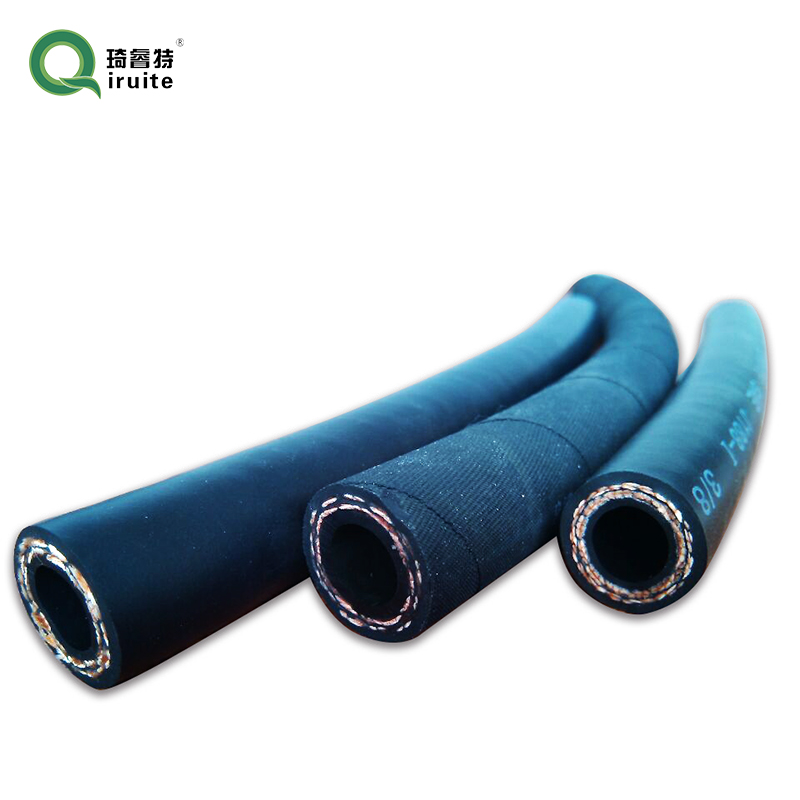
Selecting the Right Partner: Manufacturer Comparison and Tailored Solutions
Choosing the right manufacturer for a High-quality power steering tube is a strategic decision that directly impacts product performance, supply chain reliability, and ultimately, your bottom line. While numerous suppliers exist, a discerning approach is essential to differentiate between those offering standard components and those providing truly engineered solutions. Leading manufacturers distinguish themselves through a robust commitment to research and development, continuously innovating materials and manufacturing processes to meet evolving industry demands. Their technical prowess is evident in their ability to offer advanced simulations, prototyping services, and comprehensive testing facilities that replicate real-world operating conditions. Key factors in manufacturer comparison include their quality management systems (e.g., ISO 9001:2015, IATF 16949 for automotive), the breadth of their product portfolio, their track record of successful partnerships with major OEMs, and their capacity for producing customized solutions. A top-tier manufacturer excels in providing bespoke High-quality power steering tube assemblies, precisely tailored to unique application requirements. This includes specific bending geometries, specialized end fittings (e.g., JIC, DIN, ORFS), integrated sensor ports, and custom protective coatings for extreme environments. Such customization is critical for optimizing hydraulic system layouts, reducing assembly time, and ensuring perfect compatibility with existing components. Furthermore, a reputable partner will offer comprehensive technical support, from initial design consultation and material selection to post-sales service and troubleshooting. Their global supply chain capabilities and efficient logistics ensure timely delivery, minimizing production delays. Customer feedback and case studies often reveal a manufacturer’s dedication to quality and service, showcasing long-term relationships built on trust and consistent performance. This partnership approach ensures that your specific needs for a high-performance power steering tube are met with precision and reliability, contributing significantly to the overall success of your projects.
Building Trust and Authority: Certifications, Quality Assurance, and Customer Support
In the B2B landscape, trust and authority are not merely buzzwords; they are foundational pillars for sustainable partnerships, especially when dealing with mission-critical components like the High-quality power steering tube. Reputable manufacturers demonstrate their commitment to excellence through stringent quality assurance protocols and internationally recognized certifications. Attainments such as ISO 9001 (Quality Management Systems), IATF 16949 (Automotive Quality Management), and environmental certifications like ISO 14001 or RoHS compliance underscore a manufacturer’s adherence to global best practices. Beyond certifications, the true measure of quality lies in their comprehensive testing regimes. This includes 100% leak testing, impulse testing exceeding OEM specifications (e.g., millions of cycles at peak pressure and temperature), burst pressure tests to destruction, and material analysis through techniques like X-ray fluorescence (XRF) for precise alloy verification. Rigorous cleanliness standards, often meeting or exceeding ISO 4406 for hydraulic fluid contamination, ensure that no microscopic debris can compromise sensitive power steering pumps or valves. The operational experience is further bolstered by a transparent delivery cycle management system, providing clear timelines from order placement to shipment, crucial for just-in-time manufacturing environments. A robust quality warranty, typically spanning several years or a specified mileage/operating hours, stands as a testament to the product’s expected longevity and the manufacturer's confidence in their engineering. Furthermore, proactive customer support, including dedicated technical assistance, accessible service engineers, and comprehensive after-sales care, ensures that any queries or issues are addressed promptly and effectively. This holistic approach, encompassing authoritative certifications, meticulous quality control, transparent processes, and unwavering customer dedication, solidifies a manufacturer's reputation as a reliable and trustworthy partner in the supply of critical hydraulic components, fostering long-term collaborative success with clients globally and ensuring every power steering tube delivered meets the highest standards.
Frequently Asked Questions (FAQ) about High-Quality Power Steering Tubes
Q1: What defines a "high-quality" power steering tube compared to a standard one?
A High-quality power steering tube is distinguished by superior material grades (e.g., seamless cold-drawn steel with specific tensile strengths, advanced stainless steels), precision manufacturing processes (hydroforming, CNC bending), rigorous multi-stage testing (burst, impulse, fatigue, corrosion), optimized internal cleanliness, and robust protective coatings. These factors collectively ensure higher pressure ratings, extended fatigue life, superior corrosion resistance, minimal fluid friction, and overall exceptional durability compared to standard tubes, which may use lower-grade materials or less precise manufacturing techniques. This translates directly to enhanced safety and reliability in critical hydraulic systems.
Q2: How do operating temperature and pressure affect the selection of a power steering tube?
Operating temperature and pressure are paramount design considerations. Tubes must be engineered to maintain structural integrity and hydraulic efficiency across the entire expected temperature range (e.g., -40°C to +120°C for automotive, potentially wider for industrial). High temperatures can degrade materials and seals, while low temperatures can cause brittleness. Similarly, the tube must comfortably handle the maximum working pressure with significant safety margins (burst pressure typically 3-4 times working pressure) to prevent failure under dynamic loads and pressure spikes. Exceeding these limits can lead to premature wear, leaks, or catastrophic ruptures, compromising system safety and performance. Material selection (e.g., specific steel alloys) and wall thickness are directly dependent on these parameters.
Q3: What certifications should I look for when sourcing power steering tubes?
When sourcing a High-quality power steering tube, look for manufacturers with certifications like ISO 9001:2015 (for general quality management), IATF 16949 (specifically for automotive industry quality management systems, indicating adherence to strict automotive standards), and potentially ISO 14001 (for environmental management). Product-specific compliance such as RoHS (Restriction of Hazardous Substances) or REACH (Registration, Evaluation, Authorisation and Restriction of Chemicals) may also be relevant, especially for global markets. These certifications signify a commitment to consistent quality, continuous improvement, and regulatory compliance, offering confidence in the product's reliability and ethical manufacturing practices.
Q4: Can these tubes be customized for specific OEM applications?
Absolutely. Leading manufacturers of high-quality power steering tubes specialize in providing comprehensive customization options to meet unique OEM (Original Equipment Manufacturer) requirements. This includes bespoke tube lengths, specific bending configurations (complex geometries), specialized end fittings (e.g., custom flare nuts, quick connectors), integrated mounting brackets, and tailored surface treatments (e.g., specific paint colors, enhanced anti-corrosion coatings for particular environments). Customization extends to material selection for optimal performance in unique conditions (e.g., specific stainless steel grades for highly corrosive environments or aluminum for weight reduction). Collaborative engineering between the OEM and manufacturer ensures the final product seamlessly integrates into the overall system design, optimizing performance and assembly efficiency.
Conclusion: The Enduring Value of Precision in Power Steering
The journey of the High-quality power steering tube from raw material to a critical functional component underscores a relentless pursuit of engineering excellence. Its unassuming appearance belies the sophisticated manufacturing processes, rigorous quality controls, and advanced material science that define its superior performance. In an era where operational reliability, safety, and efficiency are paramount across industries, the choice of power steering components cannot be underestimated. Investing in a premium High-quality power steering tube translates directly into reduced downtime, enhanced system longevity, and a lower total cost of ownership over the operational lifecycle of vehicles and machinery. As industries continue to evolve, demanding more from their hydraulic systems, the innovation in power steering tube technology will undoubtedly keep pace, ensuring that steering remains precise, effortless, and dependable under the most challenging conditions. By prioritizing components that meet and exceed industry standards, businesses can safeguard their investments, optimize performance, and maintain a competitive edge in a rapidly advancing technological landscape, ensuring that every turn is executed with confidence and control and that their operational integrity remains uncompromised.
References
- Society of Automotive Engineers (SAE) International. (Various Standards). J1888 Hydraulic Hose and Tube Assemblies for Automotive Power Steering Systems.
- International Organization for Standardization (ISO). (Various Standards). ISO 9001: Quality Management Systems – Requirements.
- ASTM International. (Various Standards). A179/A179M: Standard Specification for Seamless Cold-Drawn Low-Carbon Steel Heat-Exchanger and Condenser Tubes.
- Parker Hannifin Corporation. (Technical Handbooks). Hydraulic System Design Guide.
- Hydraulic Institute. (Technical Standards). HI Standards on Hydraulic Fluid Power Systems.
-
Custom Power Steering Hose Kit Guide for Vehicle PerformanceNewsApr.16,2026
-
Guide to High Performance Custom Made Power Steering HosesNewsApr.09,2026
-
Comprehensive Guide to Custom High Pressure Power Steering Hose SolutionsNewsApr.07,2026
-
Comprehensive Guide to CRV Power Steering Hose Maintenance and ReplacementNewsApr.04,2026
-
Comprehensive Guide to CPP Power Steering Hoses for Optimal Vehicle PerformanceNewsMar.31,2026
-
Understanding the Cost to Repair Power Steering Hose and Associated FactorsNewsMar.28,2026
 Afrikaans
 Albanian
 Amharic
 Arabic
 Armenian
 Azerbaijani
 Basque
 Belarusian
 Bengali
 Bosnian
 Bulgarian
 Catalan
 Cebuano
 Corsican
 Croatian
 Czech
Czech
 Danish
 Dutch
Dutch
 Esperanto
 Estonian
 Finnish
 French
 Frisian
 Galician
 Georgian
 German
 Greek
Greek
 Gujarati
 Haitian Creole
 Hausa
Hausa
 Hawaiian
 Hebrew
 Hindi
Hindi
 Miao
Miao
 Hungarian
 Icelandic
 Igbo
Igbo
 Indonesian
 Irish
Irish
 Italian
 Japanese
 Javanese
 Kannada
 Kazakh
 Khmer
Khmer
 Rwandese
 Korean
 Kurdish
 Kyrgyz
 Lao
Lao
 Latin
Latin
 Latvian
 Lithuanian
 Luxembourgish
 Macedonian
 Malgashi
 Malay
Malay
 Malayalam
 Maltese
 Maori
Maori
 Marathi
 Mongolian
 Myanmar
 Nepali
 Norwegian
 Norwegian
 Occitan
 Pashto
 Persian
 Polish
 Portuguese
 Punjabi
 Romanian
 Russian
 Samoan
 Scottish Gaelic
 Serbian
 Sesotho
 Shona
Shona
 Sindhi
 Sinhala
 Slovak
 Slovenian
 Somali
 Spanish
 Sundanese
 Swahili
 Swedish
 Tagalog
 Tajik
Tajik
 Tamil
Tamil
 Tatar
Tatar
 Telugu
 Thai
Thai
 Turkish
 Turkmen
 Ukrainian
 Urdu
Urdu
 Uighur
 Uzbek
Uzbek
 Vietnamese
 Welsh
Welsh
 Bantu
Bantu
 Yiddish
 Yoruba
 Zulu
Zulu
 English