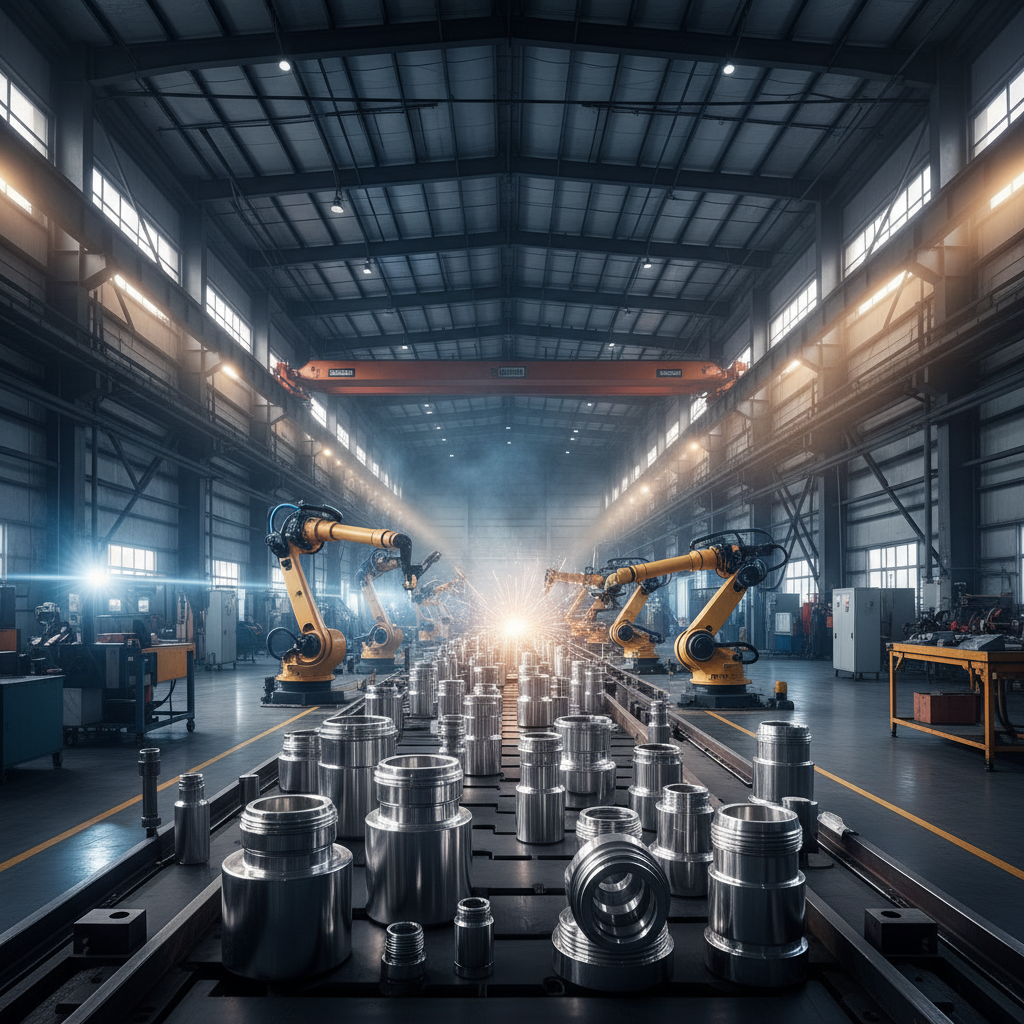
Look, honestly, everyone’s talking about miniaturization these days. Smaller, lighter, more efficient. It’s the holy grail, right? But you spend enough time on construction sites – and believe me, I’ve spent enough time – you realize a lot of that ‘efficiency’ just means more fiddly bits to break. We’re pushing the boundaries, sure, but sometimes simpler is better. I’ve seen too many projects delayed because someone decided they needed to shave off another millimeter.
Have you noticed how everything is going wireless now? Which is great, until the signal drops and you're standing on scaffolding trying to reconnect. Then it's a pain. Really a pain. And don't even get me started on the batteries. They always die at the worst possible moment. I swear, it's a conspiracy.
The whole push for “smart” everything... it’s a double-edged sword. On one hand, it can really streamline things. But on the other, it introduces a whole new level of complexity. You end up needing a degree in computer science just to change a lightbulb. Seriously.
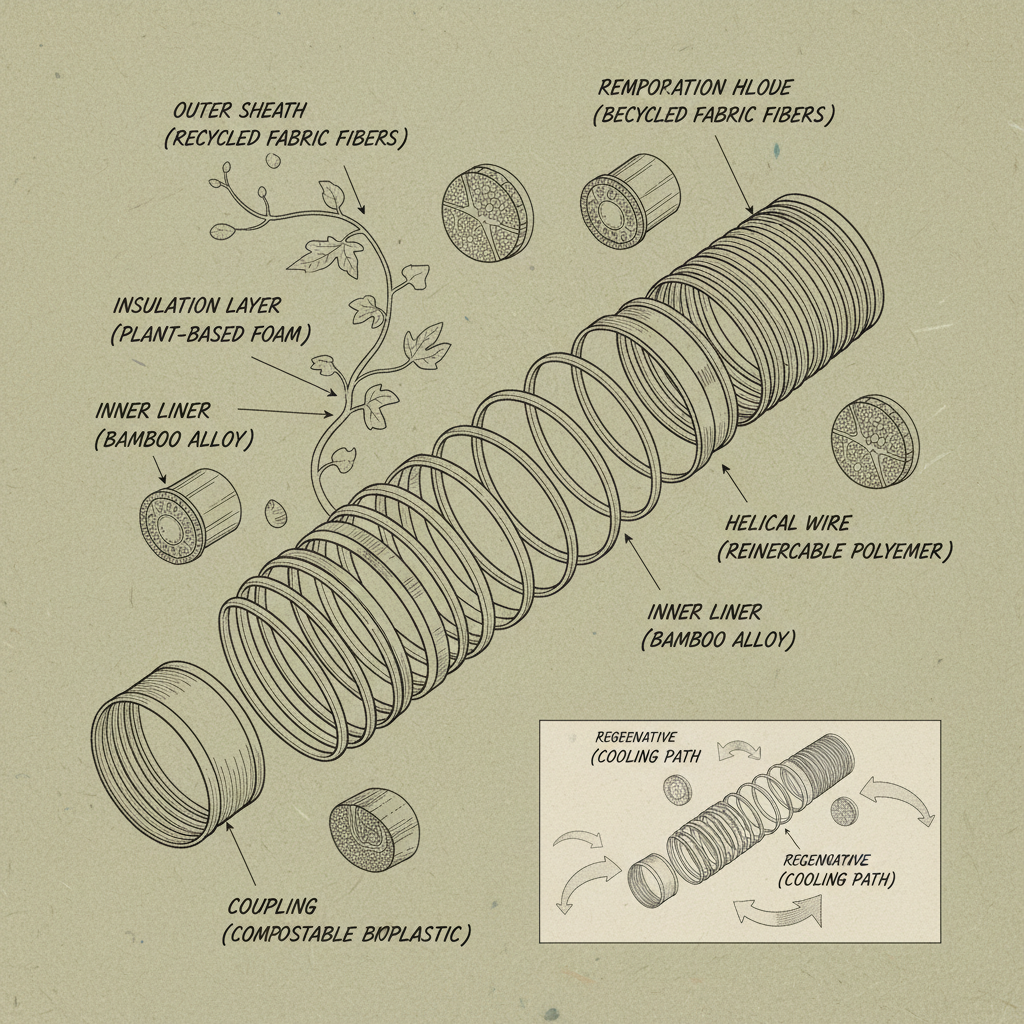
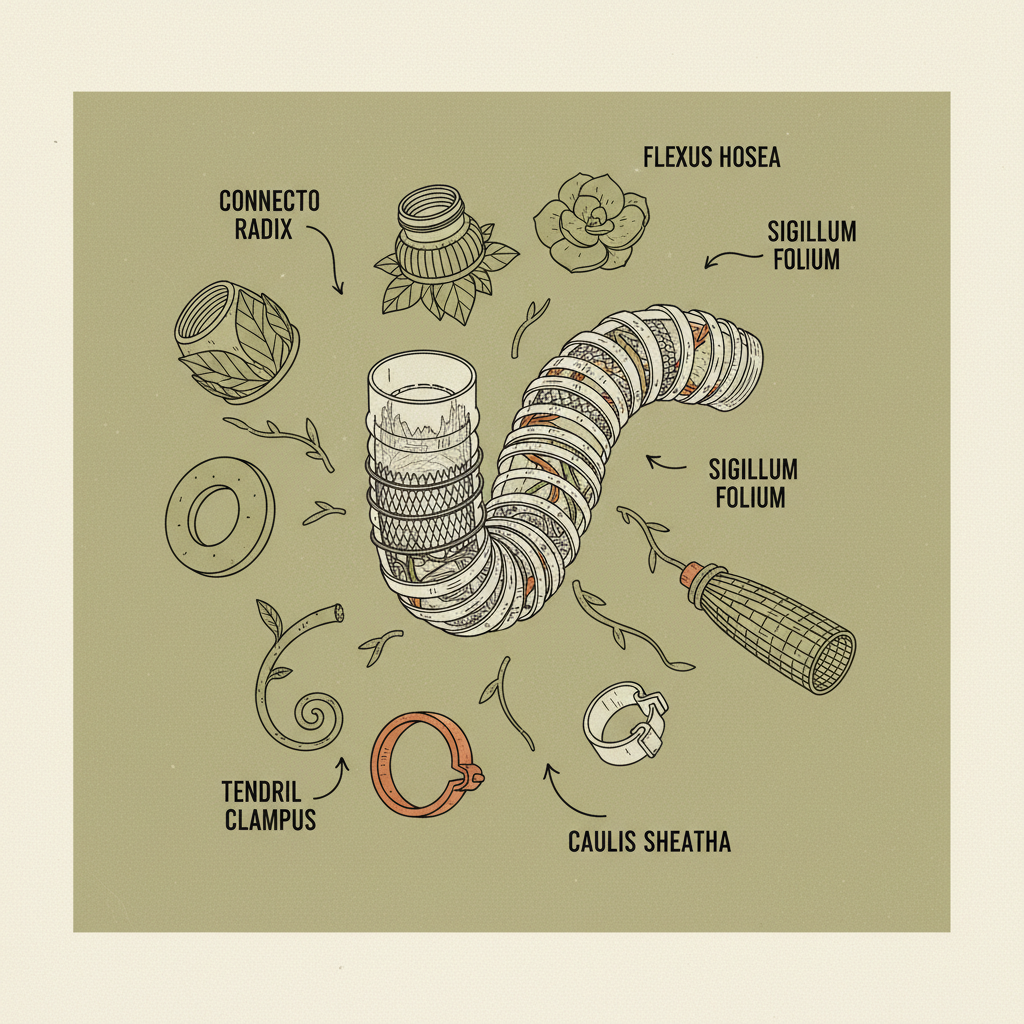
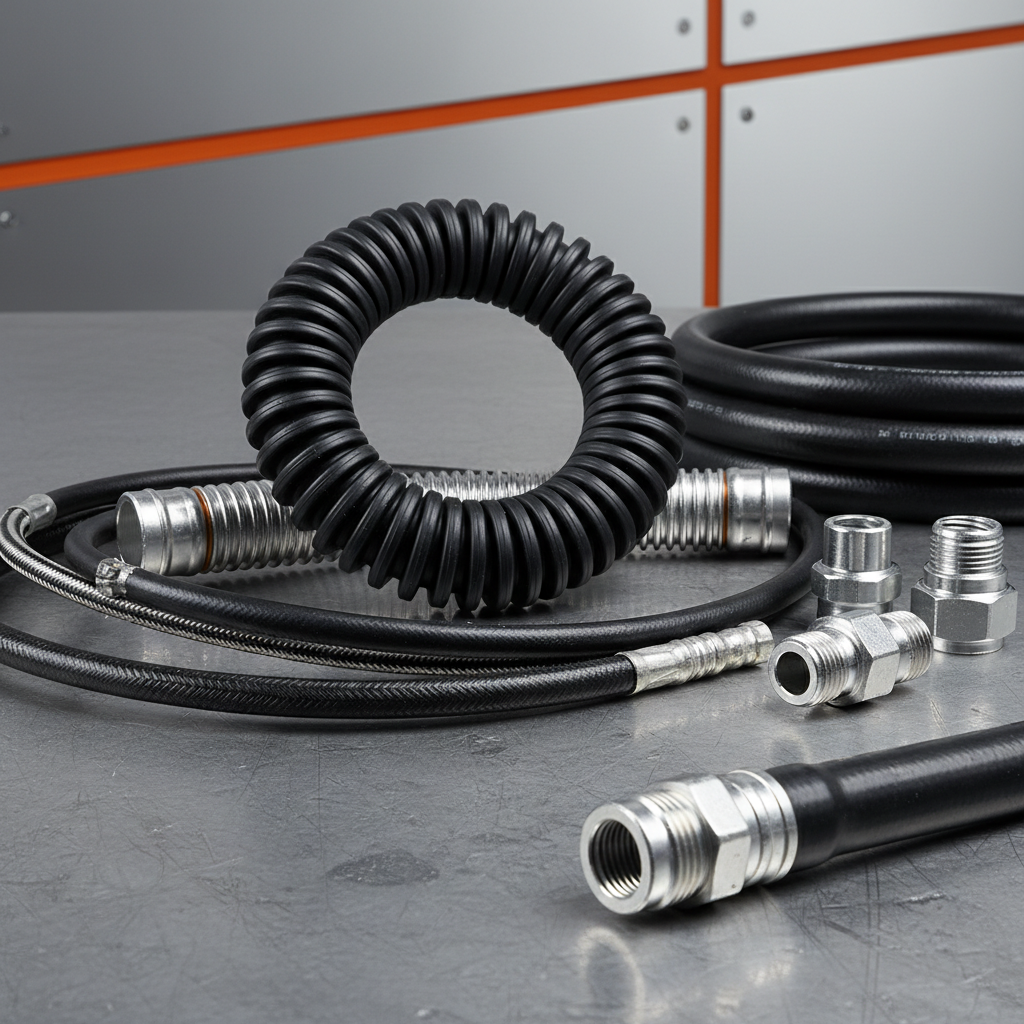
To be honest, this whole move towards integrated systems… it looks good on paper. Everything talking to everything else, optimizing performance. But I encountered this at a factory in Nanjing last time, they were using a new type of hose connector, all fancy and automated. It failed. Spectacularly. Turned out the vibrations from the machinery were interfering with the sensors. Strangely enough, the old, simple mechanical connector worked perfectly.
The biggest pitfall I see? Over-engineering. Designers get so focused on making something ‘perfect’ that they forget it needs to be usable by actual people in real-world conditions. A hose is a hose, right? It needs to move air, stay put, and not fall apart after a week. That’s it. Anything beyond that is just asking for trouble.
The lifespan of an air conditioner hose can vary significantly based on factors like material, exposure to UV radiation, and frequency of use. Generally, a well-maintained PVC hose might last 3-5 years, while a higher-quality TPU or silicone hose could last 5-7 years or even longer. Regular inspection and replacement when cracks or damage are observed is crucial.
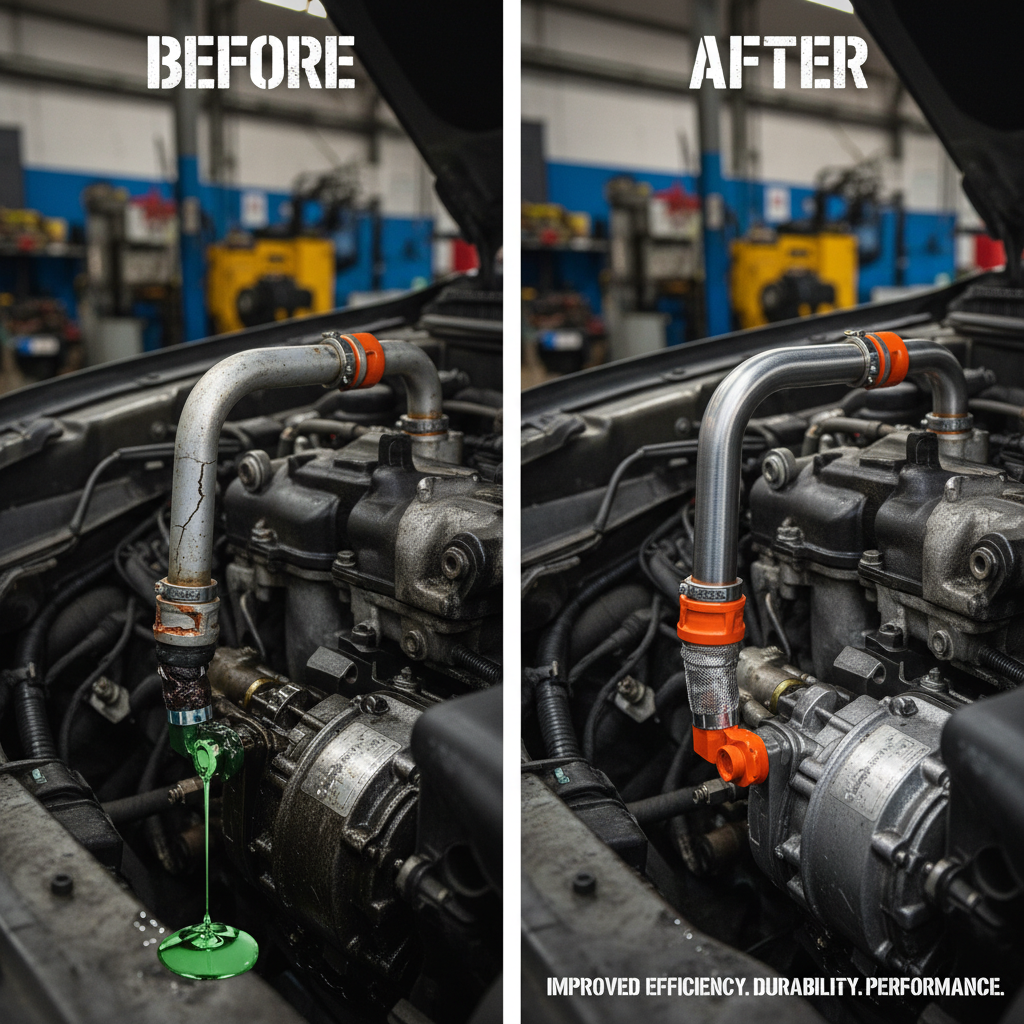
Several signs indicate the need for replacement. These include visible cracks, kinks, or bulges in the hose. Also, if you notice reduced airflow from your AC unit, or if the hose feels brittle or stiff, it’s likely time for a replacement. Leaks or a musty odor emanating from the hose are also strong indicators.
No, not all replacements are compatible. It’s crucial to match the hose’s diameter, length, and fitting type to the original. Using an incompatible hose can lead to reduced efficiency, leaks, and even damage to your AC unit. Always consult your AC unit's manual or a professional for guidance on choosing the correct replacement.
Typically, you’ll need a screwdriver, pliers, and potentially a hose clamp tool, depending on the hose’s attachment method. Safety glasses and gloves are also recommended. It’s essential to disconnect the power to the AC unit before starting the replacement process. If you’re uncomfortable with any step, consult a qualified technician.
Minor damage, like small pinholes, might be temporarily repaired with specialized hose repair tape, but this is generally a short-term fix. For significant cracks, kinks, or deterioration, replacement is almost always necessary. Repairing a damaged hose can compromise its integrity and lead to further problems.
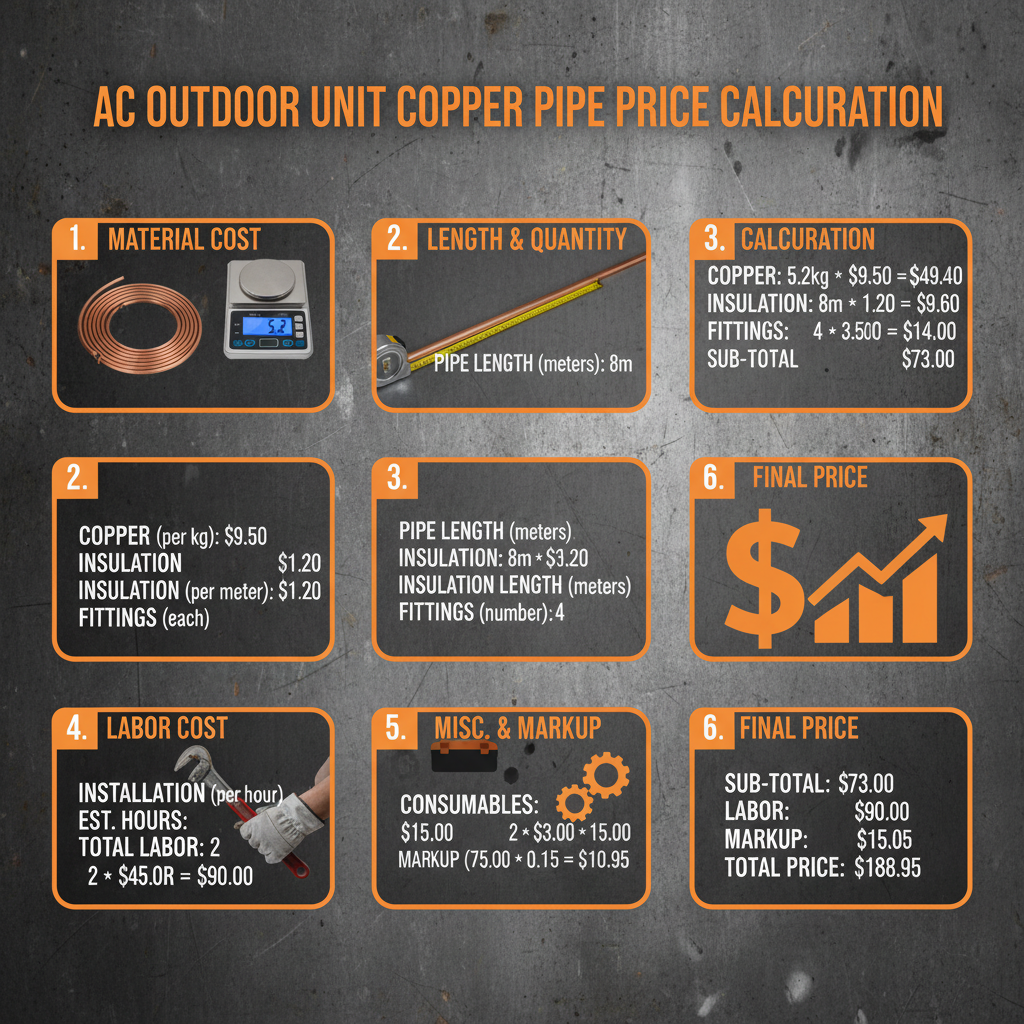
The cost of replacement varies based on hose material, length, and labor rates. A simple replacement can range from $50 to $150, including the cost of the hose and basic labor. More complex installations or the use of specialized materials may increase the cost. Always obtain quotes from multiple service providers to ensure a fair price.
So, we’ve covered a lot. From the industry trends pushing for miniaturization and wireless connectivity, to the nitty-gritty details of material selection and real-world testing, and even a cautionary tale from Shenzhen. It's a complex field, and there's no one-size-fits-all answer. The key is to understand the trade-offs, prioritize reliability, and listen to the guys on the ground – they’re the ones who know what really works.
Looking ahead, I expect we’ll see continued innovation in materials and manufacturing processes. More sustainable options, perhaps. But ultimately, the fundamentals won’t change. A good hose needs to be strong, flexible, and durable. And remember, if you’re not willing to get your hands dirty, you’re probably not going to build anything worthwhile. Visit our website at air conditioner hose replacement for more information.

 Afrikaans
 Albanian
 Amharic
 Arabic
 Armenian
 Azerbaijani
 Basque
 Belarusian
 Bengali
 Bosnian
 Bulgarian
 Catalan
 Cebuano
 Corsican
 Croatian
 Czech
Czech
 Danish
 Dutch
Dutch
 Esperanto
 Estonian
 Finnish
 French
 Frisian
 Galician
 Georgian
 German
 Greek
Greek
 Gujarati
 Haitian Creole
 Hausa
Hausa
 Hawaiian
 Hebrew
 Hindi
Hindi
 Miao
Miao
 Hungarian
 Icelandic
 Igbo
Igbo
 Indonesian
 Irish
Irish
 Italian
 Japanese
 Javanese
 Kannada
 Kazakh
 Khmer
Khmer
 Rwandese
 Korean
 Kurdish
 Kyrgyz
 Lao
Lao
 Latin
Latin
 Latvian
 Lithuanian
 Luxembourgish
 Macedonian
 Malgashi
 Malay
Malay
 Malayalam
 Maltese
 Maori
Maori
 Marathi
 Mongolian
 Myanmar
 Nepali
 Norwegian
 Norwegian
 Occitan
 Pashto
 Persian
 Polish
 Portuguese
 Punjabi
 Romanian
 Russian
 Samoan
 Scottish Gaelic
 Serbian
 Sesotho
 Shona
Shona
 Sindhi
 Sinhala
 Slovak
 Slovenian
 Somali
 Spanish
 Sundanese
 Swahili
 Swedish
 Tagalog
 Tajik
Tajik
 Tamil
Tamil
 Tatar
Tatar
 Telugu
 Thai
Thai
 Turkish
 Turkmen
 Ukrainian
 Urdu
Urdu
 Uighur
 Uzbek
Uzbek
 Vietnamese
 Welsh
Welsh
 Bantu
Bantu
 Yiddish
 Yoruba
 Zulu
Zulu
 English