The automotive industry relies heavily on robust and reliable components, and the ac tube for car is a critical element within the air conditioning system. These tubes are responsible for transporting refrigerant, a vital fluid for cooling the vehicle’s cabin, maintaining passenger comfort and ensuring optimal performance of the AC compressor. Understanding the intricacies of these tubes, their materials, manufacturing processes, and potential issues is crucial for automotive engineers, technicians, and manufacturers alike.
Globally, the demand for efficient and effective automotive air conditioning systems is continuously rising, driven by factors like increasing vehicle ownership, hotter climates, and consumer expectations for comfort. This translates to a substantial market for ac tube for car, with manufacturers striving to produce tubes that are durable, leak-proof, and resistant to corrosion. The automotive sector alone accounts for a multi-billion dollar industry, with AC components representing a significant portion of that spend.
The importance of a functioning air conditioning system extends beyond comfort; it also plays a role in driver safety and concentration. Fogging of windows due to humidity can be prevented by the AC system, improving visibility, and maintaining a comfortable cabin temperature helps drivers stay alert and focused. The reliability of the ac tube for car directly impacts these safety features.
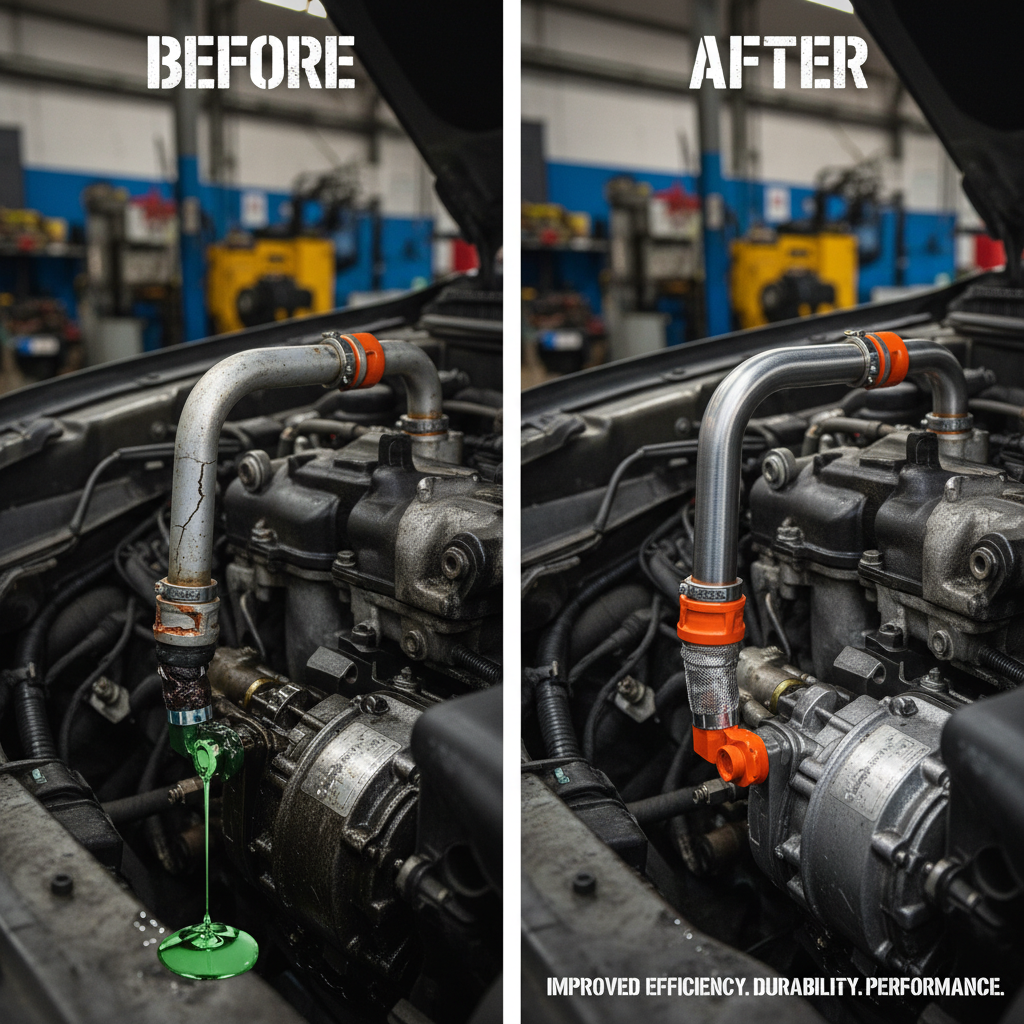
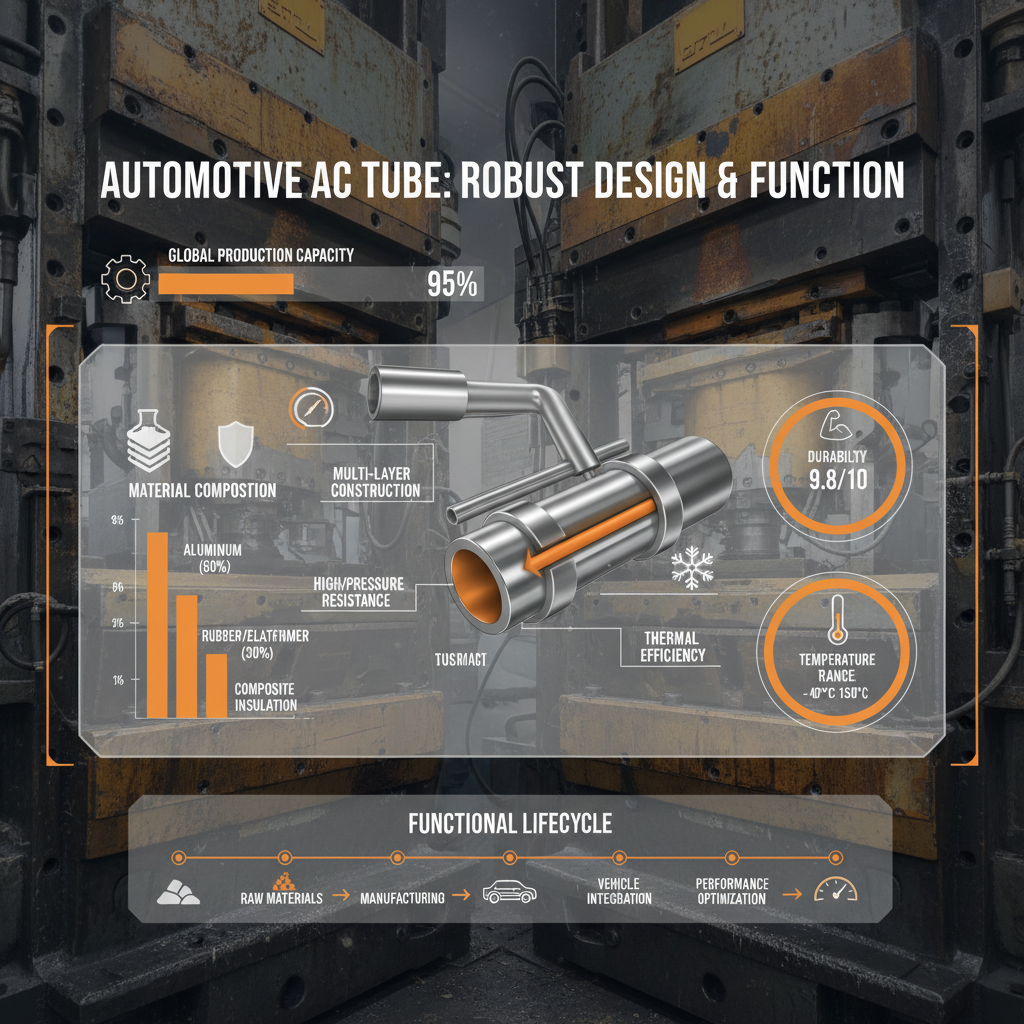
The ac tube for car serves as the circulatory system of a vehicle’s air conditioning, facilitating the efficient transfer of refrigerant between vital components like the compressor, condenser, evaporator, and expansion valve. Without a properly functioning tube, the AC system's performance is significantly compromised, leading to reduced cooling efficiency and potential system failure.
The material composition and manufacturing precision of these tubes are paramount. Modern tubes are frequently constructed from corrosion-resistant materials, ensuring longevity and reliability even in harsh environmental conditions. Proper tube design also minimizes pressure drop, optimizing refrigerant flow and maximizing cooling capacity.
The lifespan of an ac tube for car can vary depending on factors like material quality, environmental conditions, and driving habits. However, with proper maintenance and care, a well-constructed tube can typically last between 8 to 12 years, or even longer. Regular inspections for leaks or corrosion are essential for maximizing its lifespan. Factors like exposure to road salt and extreme temperatures can accelerate degradation.
Identifying a leak in an ac tube for car often involves observing reduced cooling performance or a hissing sound near the AC components. Visual inspection for oil stains around the tube connections can also indicate a leak, as refrigerant oil often accompanies the refrigerant. Professional leak detection tools, such as electronic leak detectors and UV dye tests, provide more accurate results.
Aluminum alloys, particularly 3003 and 6061, are widely used in ac tube for car due to their lightweight nature and good corrosion resistance. Copper-nickel alloys offer excellent corrosion resistance but are heavier. Increasingly, manufacturers are exploring polymer composites to further reduce weight and enhance flexibility.
Regular visual inspections for corrosion, cracks, or leaks are crucial for maintaining the integrity of ac tube for car. Ensuring proper refrigerant levels and avoiding overcharging the system can also prevent excessive pressure on the tubes. Periodic flushing of the AC system can remove contaminants that contribute to corrosion.
Stainless steel ac tube for car offers superior corrosion resistance compared to aluminum alloys, making them ideal for harsh environments. While they are heavier and more expensive, the increased durability and longevity can outweigh the initial cost in certain applications. They also provide greater strength and resistance to damage.
The design of the ac tube for car, including its diameter, bends, and overall routing, significantly impacts refrigerant flow and cooling efficiency. Minimizing sharp bends and maintaining a consistent diameter reduce pressure drop and optimize refrigerant circulation. Proper tube design also ensures compatibility with other AC components and the vehicle's chassis.
In conclusion, the ac tube for car is a critical, often-underestimated component of a vehicle’s air conditioning system. Its durability, leak-proof integrity, and corrosion resistance directly impact cooling performance, passenger comfort, and driver safety. Advancements in materials and manufacturing techniques are continually improving the reliability and efficiency of these tubes.
Looking ahead, the industry will likely see increased adoption of lightweight materials and innovative manufacturing processes, driven by the need for greater fuel efficiency and sustainability. Investing in high-quality ac tube for car is not just about immediate cooling performance; it's about long-term reliability, reduced maintenance costs, and a commitment to a more comfortable and safer driving experience. Visit our website at www.hoseqrt.com to learn more about our range of automotive AC tube solutions.




 Afrikaans
 Albanian
 Amharic
 Arabic
 Armenian
 Azerbaijani
 Basque
 Belarusian
 Bengali
 Bosnian
 Bulgarian
 Catalan
 Cebuano
 Corsican
 Croatian
 Czech
Czech
 Danish
 Dutch
Dutch
 Esperanto
 Estonian
 Finnish
 French
 Frisian
 Galician
 Georgian
 German
 Greek
Greek
 Gujarati
 Haitian Creole
 Hausa
Hausa
 Hawaiian
 Hebrew
 Hindi
Hindi
 Miao
Miao
 Hungarian
 Icelandic
 Igbo
Igbo
 Indonesian
 Irish
Irish
 Italian
 Japanese
 Javanese
 Kannada
 Kazakh
 Khmer
Khmer
 Rwandese
 Korean
 Kurdish
 Kyrgyz
 Lao
Lao
 Latin
Latin
 Latvian
 Lithuanian
 Luxembourgish
 Macedonian
 Malgashi
 Malay
Malay
 Malayalam
 Maltese
 Maori
Maori
 Marathi
 Mongolian
 Myanmar
 Nepali
 Norwegian
 Norwegian
 Occitan
 Pashto
 Persian
 Polish
 Portuguese
 Punjabi
 Romanian
 Russian
 Samoan
 Scottish Gaelic
 Serbian
 Sesotho
 Shona
Shona
 Sindhi
 Sinhala
 Slovak
 Slovenian
 Somali
 Spanish
 Sundanese
 Swahili
 Swedish
 Tagalog
 Tajik
Tajik
 Tamil
Tamil
 Tatar
Tatar
 Telugu
 Thai
Thai
 Turkish
 Turkmen
 Ukrainian
 Urdu
Urdu
 Uighur
 Uzbek
Uzbek
 Vietnamese
 Welsh
Welsh
 Bantu
Bantu
 Yiddish
 Yoruba
 Zulu
Zulu
 English