Air conditioning ducting pipe is a critical component in modern HVAC systems, responsible for efficiently distributing conditioned air throughout buildings and spaces. Its importance extends far beyond simple comfort, influencing indoor air quality, energy efficiency, and overall system performance. Understanding the nuances of air conditioning ducting pipe – from materials and installation to maintenance and emerging technologies – is paramount for architects, engineers, contractors, and building owners alike. The global demand for effective climate control solutions is steadily increasing, making proficient knowledge of this field crucial.
The increasing global focus on sustainable building practices has further amplified the significance of high-quality air conditioning ducting. Regulations regarding energy consumption and indoor environmental quality are becoming stricter worldwide, driving the need for materials and designs that minimize air leakage, reduce energy waste, and promote healthier indoor spaces. The effective design and implementation of air conditioning ducting pipe are therefore integral to achieving these sustainability goals.
From sprawling commercial complexes to residential homes, efficient air distribution is fundamental to occupant well-being and productivity. Investment in robust and well-maintained ductwork translates directly into lower energy bills, improved comfort levels, and a reduced environmental footprint, highlighting the substantial long-term benefits associated with prioritizing quality in air conditioning ducting pipe systems.

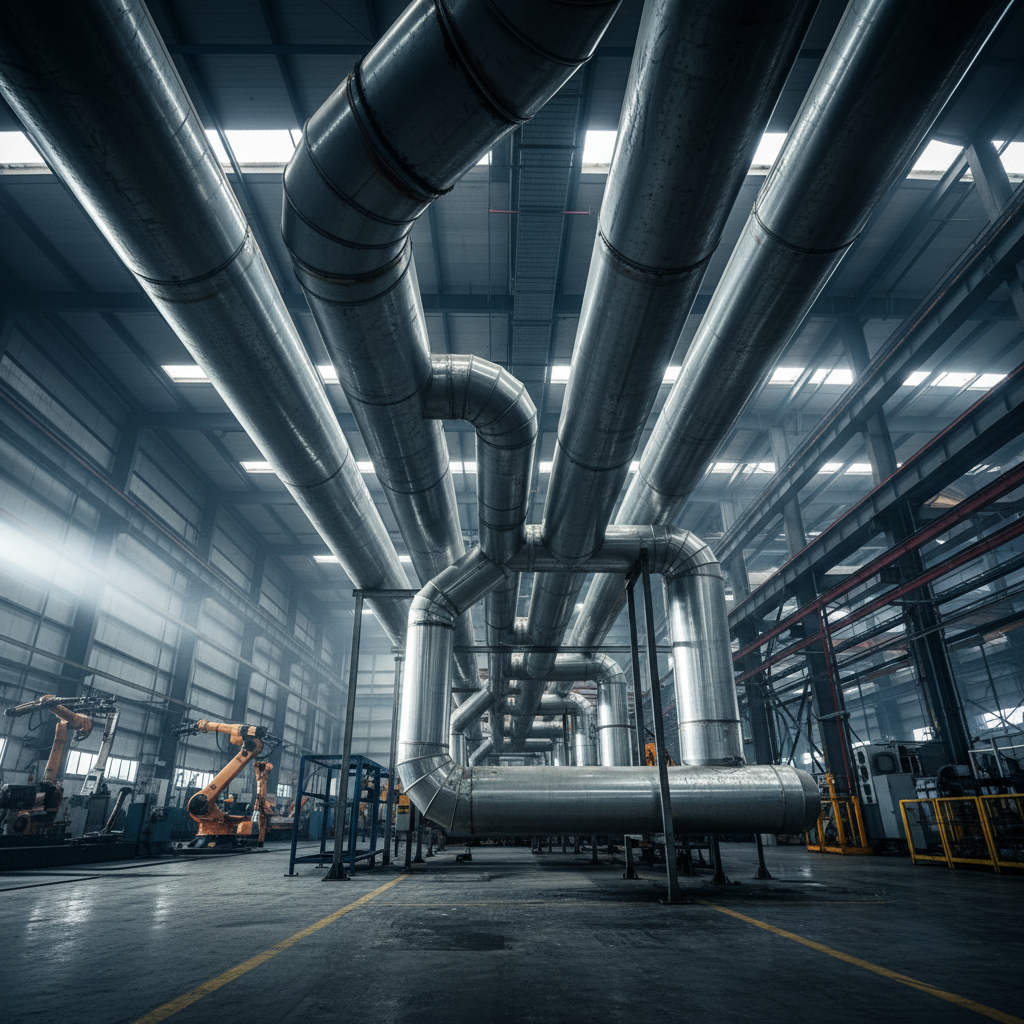
Air conditioning ducting pipe, fundamentally, serves as the circulatory system for cooled or heated air within a building. Its design and implementation are crucial to maintaining consistent temperatures and optimal air distribution. The choice of materials, from galvanized steel and aluminum to flexible ducting, directly impacts system efficiency and longevity.
Properly installed air conditioning ducting pipe minimizes energy loss due to leaks or inadequate insulation. This not only reduces operating costs but also contributes to a more sustainable and environmentally friendly building. Effective design considers airflow dynamics, minimizing resistance and ensuring even distribution throughout the space.
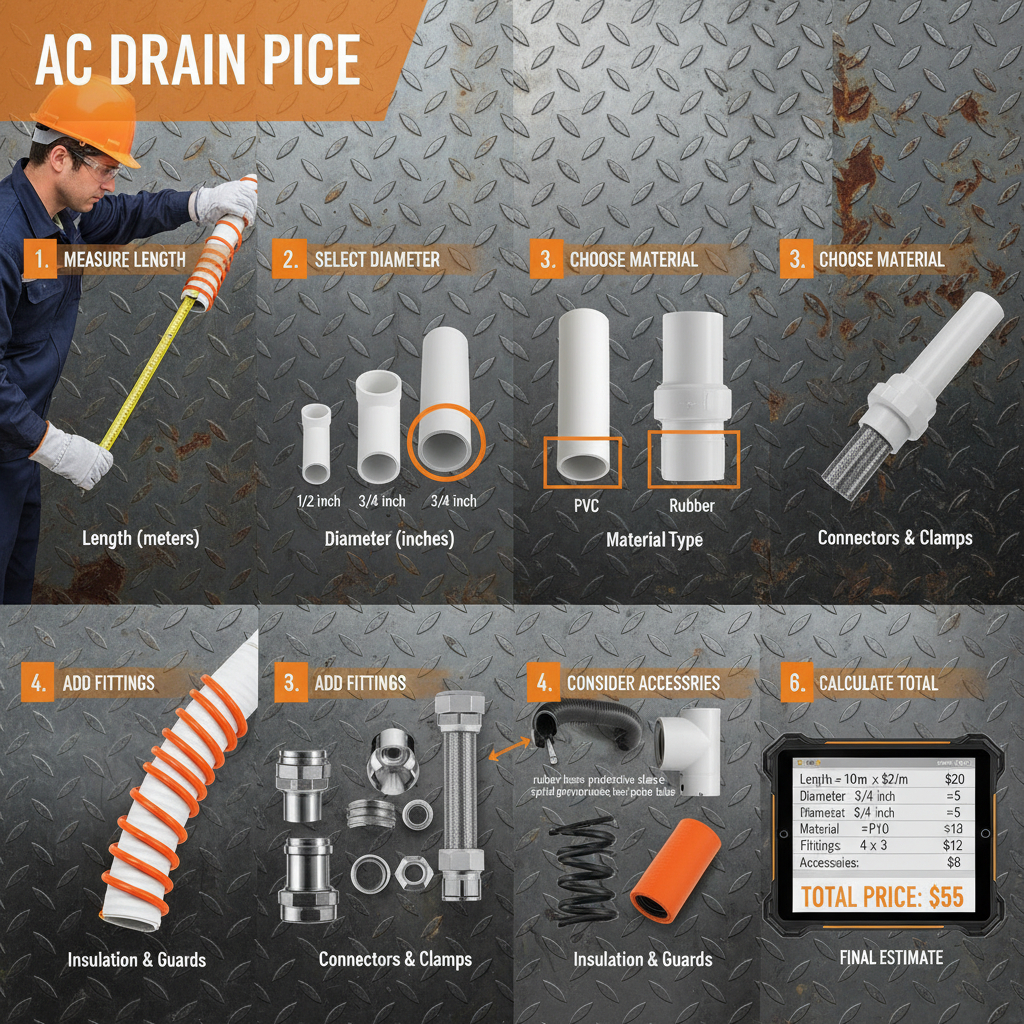
The most prevalent materials include galvanized steel, known for its durability and corrosion resistance; aluminum, offering a lighter weight alternative; and flexible ducting, often made of reinforced plastic or fabric. The selection hinges on the specific application, budget, and desired performance characteristics. Galvanized steel is common in commercial settings, while flexible ducting is frequently used for residential applications where maneuverability is crucial. Proper material selection is key to optimizing lifespan and efficiency of the air conditioning ducting pipe.
It’s recommended to inspect air conditioning ducting pipe annually, and a professional cleaning should occur every 3-5 years, or more frequently in dusty environments or for individuals with allergies or respiratory issues. Accumulated dust and debris can restrict airflow, reduce efficiency, and harbor allergens. Regular maintenance ensures optimal performance and improves indoor air quality. Neglecting this maintenance can lead to higher energy bills and potential health concerns.
Common signs of leaks include higher-than-usual energy bills, uneven temperatures throughout the building, dusty areas near vents, and noticeable drafts. You might also hear whistling sounds emanating from the ductwork. Identifying and sealing these leaks promptly is vital for maximizing energy efficiency and maintaining a comfortable indoor environment. A professional duct leakage test can pinpoint the exact locations of leaks.
The R-value measures the thermal resistance of ducting insulation. A higher R-value indicates greater insulation effectiveness. Proper insulation minimizes heat gain or loss, preventing energy waste and maintaining consistent temperatures. The appropriate R-value varies depending on the climate and the location of the ductwork (e.g., unconditioned spaces require higher R-values). Ensuring adequate insulation is essential for maximizing the efficiency of air conditioning ducting pipe systems.
Duct size significantly impacts airflow and system performance. Undersized ducts restrict airflow, increasing static pressure and reducing cooling or heating capacity. Oversized ducts can lead to inefficient operation and increased costs. Accurate duct sizing is crucial for optimizing airflow, minimizing energy consumption, and ensuring even distribution of conditioned air throughout the space. Proper calculations must consider factors like airflow requirements, duct length, and the number of fittings.
Generally, rigid metal ducting is more efficient than flexible ducting due to its smoother interior surface, which minimizes airflow resistance. However, flexible ducting offers advantages in complex installations where rigid ducting is difficult to maneuver. When using flexible ducting, it’s crucial to minimize bends and ensure it’s properly supported to prevent kinking and airflow obstruction. High-quality flexible ducting with reinforced construction can mitigate some of the efficiency losses.
In conclusion, understanding the principles and best practices surrounding air conditioning ducting pipe is paramount for achieving energy efficiency, maintaining indoor air quality, and ensuring occupant comfort. From material selection and proper installation to regular maintenance and the adoption of emerging technologies, every aspect of the ducting system plays a critical role in overall HVAC performance. Prioritizing quality and investing in well-designed and maintained ductwork yields substantial long-term benefits.
Looking ahead, the integration of smart technologies and sustainable materials will continue to shape the future of air conditioning ducting pipe. Adopting these advancements, alongside rigorous adherence to industry standards and best practices, will be essential for creating buildings that are both environmentally responsible and highly efficient. Visit our website at www.hoseqrt.com to learn more about our ducting solutions.

 Afrikaans
 Albanian
 Amharic
 Arabic
 Armenian
 Azerbaijani
 Basque
 Belarusian
 Bengali
 Bosnian
 Bulgarian
 Catalan
 Cebuano
 Corsican
 Croatian
 Czech
Czech
 Danish
 Dutch
Dutch
 Esperanto
 Estonian
 Finnish
 French
 Frisian
 Galician
 Georgian
 German
 Greek
Greek
 Gujarati
 Haitian Creole
 Hausa
Hausa
 Hawaiian
 Hebrew
 Hindi
Hindi
 Miao
Miao
 Hungarian
 Icelandic
 Igbo
Igbo
 Indonesian
 Irish
Irish
 Italian
 Japanese
 Javanese
 Kannada
 Kazakh
 Khmer
Khmer
 Rwandese
 Korean
 Kurdish
 Kyrgyz
 Lao
Lao
 Latin
Latin
 Latvian
 Lithuanian
 Luxembourgish
 Macedonian
 Malgashi
 Malay
Malay
 Malayalam
 Maltese
 Maori
Maori
 Marathi
 Mongolian
 Myanmar
 Nepali
 Norwegian
 Norwegian
 Occitan
 Pashto
 Persian
 Polish
 Portuguese
 Punjabi
 Romanian
 Russian
 Samoan
 Scottish Gaelic
 Serbian
 Sesotho
 Shona
Shona
 Sindhi
 Sinhala
 Slovak
 Slovenian
 Somali
 Spanish
 Sundanese
 Swahili
 Swedish
 Tagalog
 Tajik
Tajik
 Tamil
Tamil
 Tatar
Tatar
 Telugu
 Thai
Thai
 Turkish
 Turkmen
 Ukrainian
 Urdu
Urdu
 Uighur
 Uzbek
Uzbek
 Vietnamese
 Welsh
Welsh
 Bantu
Bantu
 Yiddish
 Yoruba
 Zulu
Zulu
 English