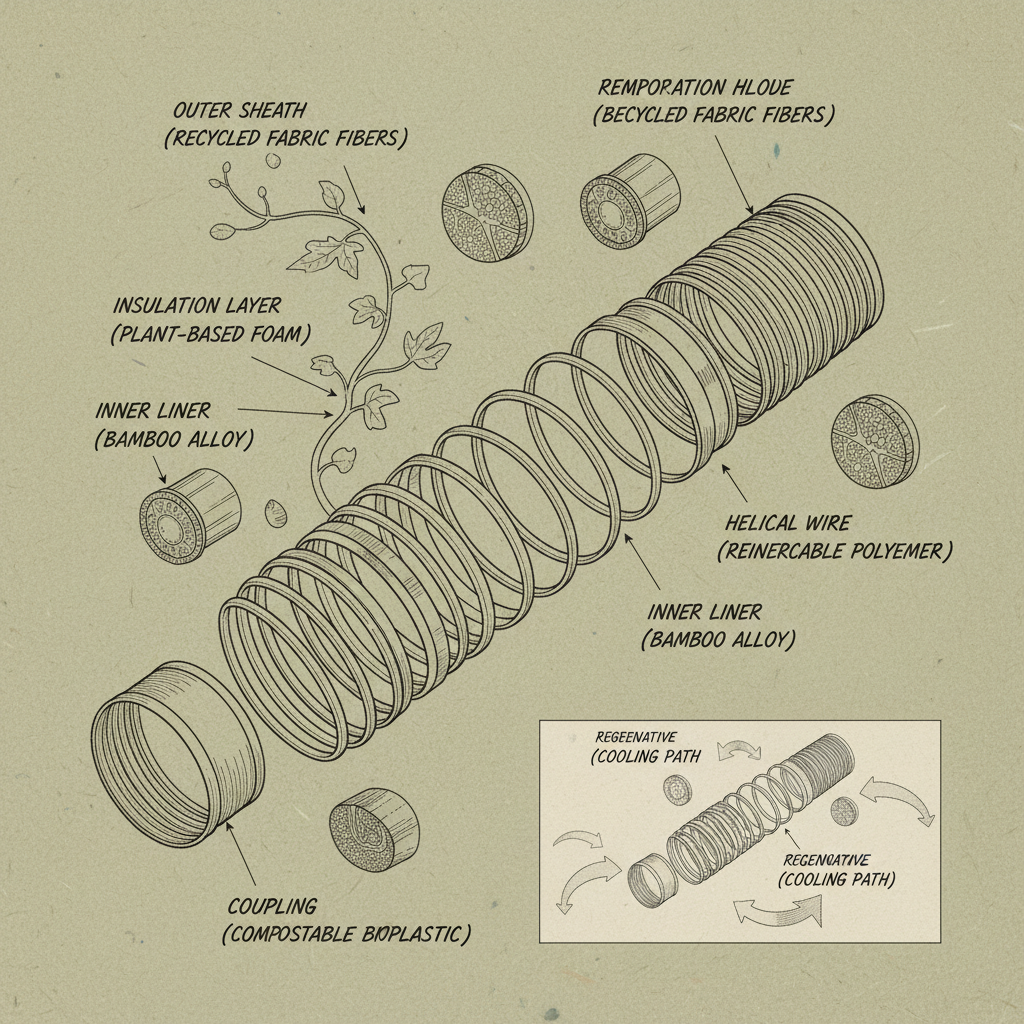
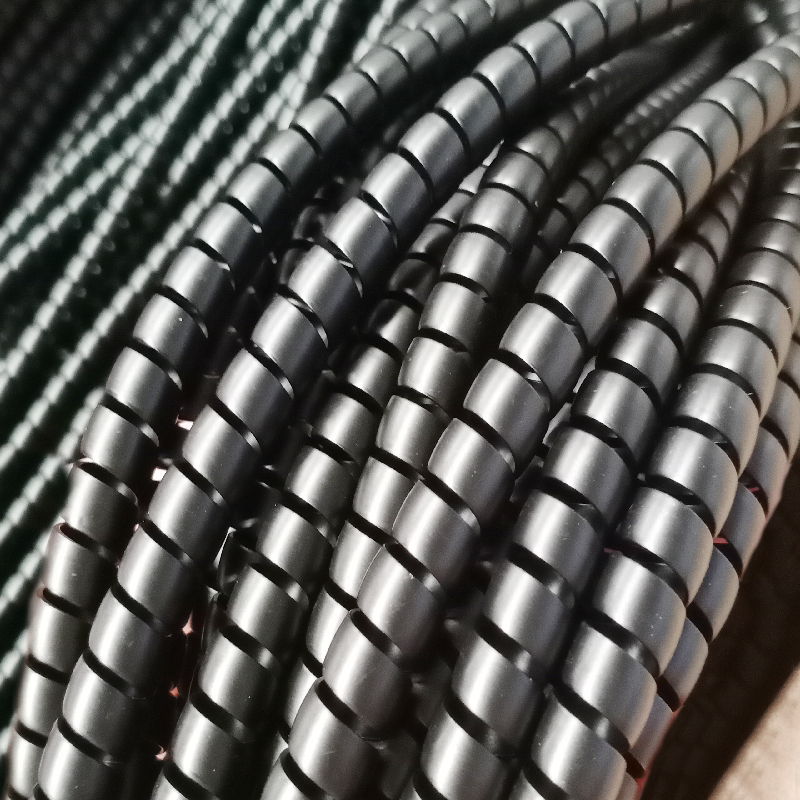
Automotive air conditioning hose repair is a critical aspect of vehicle maintenance, ensuring passenger comfort and the longevity of the AC system. Globally, the demand for effective and reliable AC repair solutions is constantly increasing, driven by rising vehicle ownership and increasingly hot climates. Understanding the intricacies of hose repair – from material science to specialized tools – is essential for automotive technicians and enthusiasts alike.
The automotive industry faces a constant challenge: maintaining vehicle performance and safety while minimizing costs. Air conditioning systems, while often overlooked, are vital for driver focus and overall well-being. Failure to address even minor hose leaks or damage can lead to system inefficiency, costly repairs, and potentially harmful refrigerant leaks. This makes proficient automotive air conditioning hose repair a significant skillset.
Properly diagnosing and repairing AC hoses contributes to fuel efficiency, reduces environmental impact by preventing refrigerant loss, and extends the lifespan of the entire AC system. Investing in high-quality repair techniques and materials ultimately translates to customer satisfaction and a sustainable automotive ecosystem.


Ignoring a faulty automotive air conditioning hose can lead to a cascade of problems, including refrigerant leaks, compressor failure, and ultimately, a non-functional AC system. This directly impacts driver and passenger comfort, particularly in hot climates, and can contribute to decreased driver alertness. Preventive maintenance and timely repairs are crucial.
Beyond comfort, a leaking AC system poses environmental concerns due to the release of harmful refrigerants. Modern refrigerants are subject to strict regulations, and responsible automotive air conditioning hose repair practices are vital for minimizing environmental impact. automotive air conditioning hose repair techniques are evolving to address these concerns.
The cost of automotive air conditioning hose repair can vary significantly depending on the vehicle make and model, the extent of the damage, and the labor rates in your area. Simple repairs like a crimp repair might cost around $50-$150, while a complete hose replacement could range from $200 to $500 or more. Always get a quote from a qualified technician before authorizing any work.
The time required for AC hose repair depends on the complexity of the job. A minor leak detection and crimp repair might take 1-2 hours. However, a complete hose replacement, which involves evacuating the refrigerant, replacing the hose, pressure testing, and recharging the system, can take 3-5 hours.
While temporary patches might seem like a quick fix, they are generally not recommended. AC systems operate under high pressure, and a poorly applied patch can fail catastrophically, causing a sudden refrigerant release and potentially damaging other components. Professional repair is always the safest and most reliable option.
Common signs include a noticeable decrease in AC cooling performance, a hissing sound from the engine compartment (indicating a leak), visible oil stains near AC hoses, and a musty odor emanating from the vents. If you notice any of these symptoms, have your AC system inspected by a qualified technician.
Yes, it’s generally recommended to replace the receiver drier (or accumulator) whenever the AC system is opened for repair, especially if a leak has occurred. The drier absorbs moisture from the refrigerant, and when the system is opened, it can become saturated. Replacing it helps ensure optimal system performance and prevents future issues.
Most vehicles manufactured before 2013 use R-134a refrigerant, while newer vehicles typically use R-1234yf. R-1234yf is more environmentally friendly but requires hoses specifically designed to be compatible with its different chemical properties. Using the incorrect hose material with R-1234yf can lead to leaks and system failure. Your vehicle’s sticker under the hood will usually indicate the correct refrigerant type.
In conclusion, automotive air conditioning hose repair is an essential aspect of vehicle maintenance with far-reaching implications. From ensuring passenger comfort and safety to minimizing environmental impact and extending system lifespan, the benefits of proactive hose repair are undeniable. A thorough understanding of materials, techniques, and emerging technologies is critical for technicians and vehicle owners alike.
Looking ahead, the automotive AC industry will continue to evolve, driven by sustainability concerns and advancements in vehicle technology. Embracing these changes and investing in continuous training will ensure that automotive air conditioning hose repair remains a vital service for years to come. Visit our website at www.hoseqrt.com to learn more.

 Afrikaans
 Albanian
 Amharic
 Arabic
 Armenian
 Azerbaijani
 Basque
 Belarusian
 Bengali
 Bosnian
 Bulgarian
 Catalan
 Cebuano
 Corsican
 Croatian
 Czech
Czech
 Danish
 Dutch
Dutch
 Esperanto
 Estonian
 Finnish
 French
 Frisian
 Galician
 Georgian
 German
 Greek
Greek
 Gujarati
 Haitian Creole
 Hausa
Hausa
 Hawaiian
 Hebrew
 Hindi
Hindi
 Miao
Miao
 Hungarian
 Icelandic
 Igbo
Igbo
 Indonesian
 Irish
Irish
 Italian
 Japanese
 Javanese
 Kannada
 Kazakh
 Khmer
Khmer
 Rwandese
 Korean
 Kurdish
 Kyrgyz
 Lao
Lao
 Latin
Latin
 Latvian
 Lithuanian
 Luxembourgish
 Macedonian
 Malgashi
 Malay
Malay
 Malayalam
 Maltese
 Maori
Maori
 Marathi
 Mongolian
 Myanmar
 Nepali
 Norwegian
 Norwegian
 Occitan
 Pashto
 Persian
 Polish
 Portuguese
 Punjabi
 Romanian
 Russian
 Samoan
 Scottish Gaelic
 Serbian
 Sesotho
 Shona
Shona
 Sindhi
 Sinhala
 Slovak
 Slovenian
 Somali
 Spanish
 Sundanese
 Swahili
 Swedish
 Tagalog
 Tajik
Tajik
 Tamil
Tamil
 Tatar
Tatar
 Telugu
 Thai
Thai
 Turkish
 Turkmen
 Ukrainian
 Urdu
Urdu
 Uighur
 Uzbek
Uzbek
 Vietnamese
 Welsh
Welsh
 Bantu
Bantu
 Yiddish
 Yoruba
 Zulu
Zulu
 English