

R134a Refrigerant Charging Hose with Gauge for Easy AC Recharge
The Critical Role of R134a Refrigerant Charging Hoses in HVAC&R Systems
In the intricate world of Heating, Ventilation, Air Conditioning, and Refrigeration (HVAC&R), the integrity and performance of every component are paramount. Among these, the r134a refrigerant charging hose stands as a cornerstone for efficient and safe system maintenance. This specialized hose facilitates the transfer of R134a refrigerant, a hydrofluorocarbon (HFC) widely used in automotive air conditioning, domestic refrigeration, and various industrial applications. Its design and material science are critical to preventing refrigerant loss, ensuring system purity, and safeguarding operational personnel.
High-quality r134a refrigerant charging hose assemblies are engineered to withstand the specific pressures, temperatures, and chemical properties of R134a, making them indispensable for service technicians, automotive repair shops, and industrial maintenance teams. The proper functioning of an AC manifold gauge set R134a relies heavily on the quality of its connecting hoses, which must provide leak-free connections and minimal permeation to maintain system performance and comply with environmental regulations.
Industry Trends and Market Dynamics
The HVAC&R industry is dynamic, influenced by evolving environmental regulations, technological advancements, and shifting consumer demands. While the push towards refrigerants with lower Global Warming Potential (GWP) like R1234yf is evident, particularly in new automotive models, R134a remains a dominant refrigerant in a vast installed base of existing systems. This ensures a sustained demand for high-quality r134a refrigerant charging hose products for maintenance and repair.
Key trends impacting the design and manufacturing of R134a refrigerant hoses include:
- Enhanced Material Science: Development of advanced elastomeric compounds and barrier layers that offer superior permeation resistance and extended service life.
- Durability and Safety: Increased focus on burst pressure ratings, abrasion resistance, and flame retardancy to meet stringent safety standards (e.g., SAE J2196, UL 1963).
- Ergonomics and User-Friendliness: Innovations in fitting designs for easier, quicker, and more secure connections, including features like ball valve shut-offs on R134a recharge hose with gauge assemblies to minimize refrigerant loss during disconnection.
- Sustainability in Manufacturing: Adoption of more energy-efficient and waste-reducing manufacturing processes.
The market for R134a charging hoses is robust, driven by the ongoing service needs of millions of vehicles and stationary AC units globally. As systems age, the need for reliable refrigerant transfer equipment only intensifies, underscoring the importance of investing in premium r134a refrigerant hose solutions.
Technical Specifications and Structural Design
A superior r134a refrigerant charging hose is a marvel of material engineering and precision manufacturing. Its multi-layered construction is specifically designed to handle the high pressures and chemical aggressiveness of refrigerants while minimizing permeation – the gradual escape of gas through the hose walls. Typical construction includes:
- Inner Liner: Often made from specialized synthetic rubber (e.g., Chloroprene rubber, NBR, or EPDM blend) or a thermoplastic elastomer, designed for chemical compatibility with R134a and low permeation.
- Reinforcement Layer: High-strength textile braids (e.g., polyester or aramid fibers) provide the necessary burst and working pressure capabilities, ensuring structural integrity under extreme conditions.
- Barrier Layer: An internal nylon or similar plastic layer that significantly reduces refrigerant permeation, critical for environmental compliance and system efficiency.
- Outer Cover: Typically a weather-resistant synthetic rubber compound (e.g., EPDM) that protects against abrasion, UV radiation, ozone, and oil, extending the hose's external service life.
Key Performance Parameters:
- Working Pressure: The maximum continuous pressure the hose can safely withstand (typically 500-800 PSI for R134a hoses).
- Burst Pressure: The pressure at which the hose will fail (typically 2500-4000 PSI, providing a substantial safety factor).
- Temperature Range: Operating temperatures, generally -30°C to +95°C (-22°F to +203°F), accommodating diverse climate conditions.
- Permeation Rate: Measured in g/m²/day, indicating the amount of refrigerant that diffuses through the hose wall. Lower rates are crucial for environmental protection and system efficiency.
- Length and End Fittings: Standard lengths (e.g., 36", 60", 72") with specific R134a quick couplers (high and low side) and service port connections (e.g., 1/4" SAE or M14).
Product Specification Table: R134a Refrigerant Charging Hose (Typical)
| Parameter | Specification | Relevant Standard |
|---|---|---|
| Inner Tube Material | Special NBR/EPDM blend with barrier layer | SAE J2196 |
| Reinforcement | High-tensile polyester braid | SAE J2196 |
| Outer Cover Material | Weather & Abrasion Resistant EPDM | ISO 9001 (Quality) |
| Working Pressure | 800 PSI (55 Bar) | SAE J2196 |
| Burst Pressure | 4000 PSI (276 Bar) | SAE J2196 |
| Temperature Range | -30°C to +95°C | Internal Testing |
| Permeation Rate (R134a) | ≤ 0.15 kg/m²/year | SAE J2196 |
| End Fittings | Brass or Aluminum, R134a Quick Couplers, 1/4" SAE | ISO 9001 |
The Manufacturing Process: Precision from Raw Material to Finished Product
The production of a high-quality r134a refrigerant charging hose is a meticulously controlled multi-stage process, ensuring consistency, reliability, and adherence to global standards like ISO and SAE J2196. From raw material sourcing to final assembly and testing, every step is critical.
Process Flow Overview:
- Material Preparation and Compounding:
Specialized synthetic rubbers (e.g., NBR, EPDM) and thermoplastic elastomers are carefully selected and mixed with additives (vulcanizing agents, fillers, anti-oxidants) to achieve the desired physical and chemical properties for the inner liner and outer cover. This compounding step is crucial for chemical resistance and low permeation.
- Inner Tube Extrusion:
The compounded inner liner material, often including a separate barrier layer (e.g., Nylon), is extruded through a die to form a seamless tube of precise inner diameter and wall thickness. This step ensures a smooth, non-porous surface critical for refrigerant flow and containment.
- Reinforcement Braiding/Winding:
High-tensile polyester or other synthetic fibers are braided or spirally wound around the inner tube. This reinforcement layer provides the structural strength to withstand high operating and burst pressures. The angle and tension of the braiding are precisely controlled to optimize performance.
- Outer Cover Extrusion:
Another layer of compounded rubber (typically EPDM for durability) is extruded over the reinforced core. This outer cover provides protection against environmental factors, abrasion, and cuts.
- Vulcanization (Curing):
The entire hose assembly is subjected to heat and pressure in a curing oven or steam autoclave. This process cross-links the rubber polymers, giving the hose its permanent shape, elasticity, and enhanced physical properties, including chemical resistance and service life. This process is analogous to "baking" the hose into its final resilient form.
- Cutting and Fitting Attachment (Crimping):
After curing, the bulk hose is cut to specified lengths. Precision-machined brass or aluminum fittings, often incorporating quick couplers and valve cores, are then crimped onto the hose ends using specialized hydraulic crimping machines. The crimping process ensures a permanent, leak-proof connection that can withstand high pressures. Quality control during crimping involves visual inspection and pull-off tests.
- Testing and Quality Control:
Each finished r134a hose assembly undergoes rigorous testing. This includes hydrostatic pressure testing (to check for leaks and burst strength), vacuum testing (to ensure air-tightness), permeation rate testing, and dimensional checks. Compliance with standards like ISO 9001 and specific industry standards (e.g., SAE J2196 for automotive AC hoses, ANSI/UL 1963 for refrigeration tools) is verified.
- Packaging and Dispatch:
Finally, the hoses are cleaned, labeled, and packaged according to customer requirements, ready for distribution to target industries such as automotive OEM and aftermarket, industrial HVAC, and specialized refrigeration.
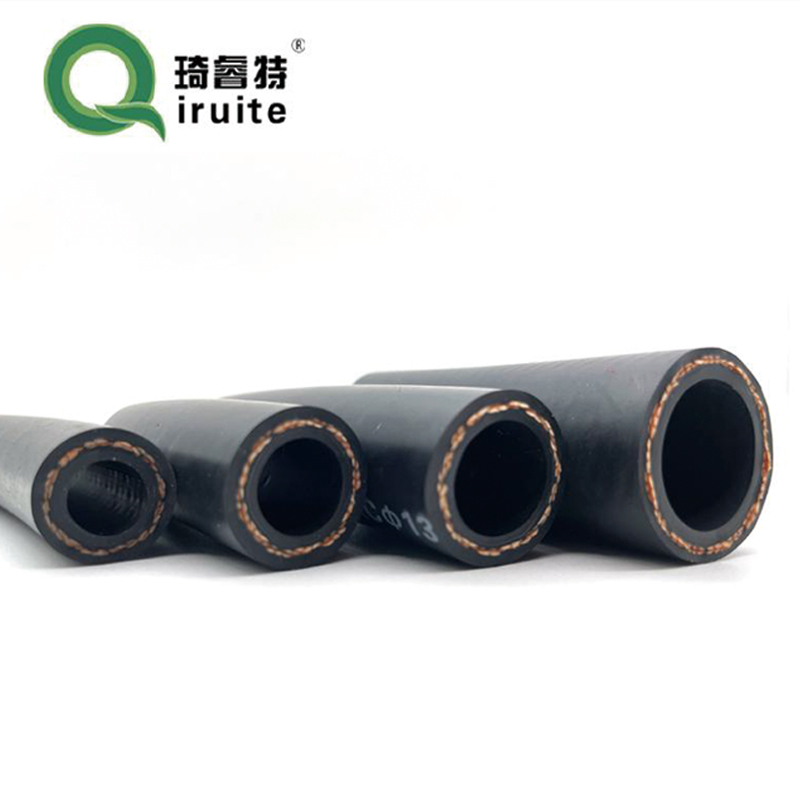
Figure 1: High-quality crimping of an r134a hose fitting.
This meticulous process ensures that each r134a hose delivered offers superior performance, extended service life, and unmatched reliability, contributing to energy saving and corrosion resistance in typical application scenarios.
Application Scenarios and Technical Advantages
The utility of a robust r134a refrigerant charging hose extends across numerous sectors, proving indispensable wherever R134a-based refrigeration and air conditioning systems are present.
Key Application Areas:
- Automotive AC Systems: The most prevalent application, used for diagnostics, charging, and recovery in cars, trucks, buses, and agricultural vehicles. An r134a recharge hose with gauge is a standard tool in every automotive workshop.
- Residential and Commercial HVAC: While less common for large central systems (which often use R410A), R134a is found in smaller residential units, dehumidifiers, and some commercial refrigeration cabinets, requiring precise charging equipment.
- Industrial Refrigeration: Used in process cooling, chillers, and specialized industrial refrigeration systems where R134a is still the chosen refrigerant.
- Appliance Manufacturing and Servicing: For domestic refrigerators, freezers, and vending machines that utilize R134a.
Technical Advantages of High-Quality R134a Hoses:
- Minimized Refrigerant Loss: Superior barrier layers and leak-proof connections significantly reduce permeation and accidental releases, contributing to environmental protection and reducing operational costs. This directly translates to energy saving by maintaining optimal refrigerant levels.
- Enhanced System Efficiency: By ensuring accurate and clean refrigerant transfer, these hoses prevent contamination and air ingress, which can degrade system performance and efficiency.
- Operator Safety: High burst pressure ratings and robust construction minimize the risk of hose rupture under pressure, protecting technicians from high-pressure refrigerant exposure. The design ensures compliance with stringent safety standards.
- Longer Service Life: Resistance to UV, ozone, oil, and extreme temperatures (corrosion resistance in a broad sense, protecting against degradation) ensures durability, reducing the frequency of replacements and associated downtime.
- Versatility: Compatible with various R134a service ports and AC manifold gauge set R134a equipment, offering broad applicability.
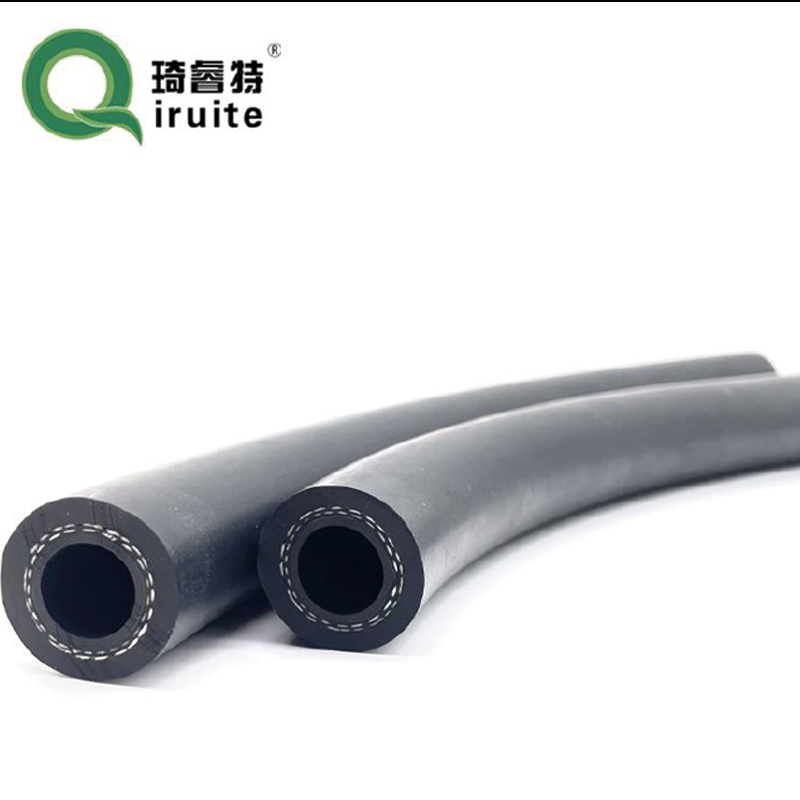
Figure 2: An r134a refrigerant hose in an automotive AC service scenario.
Vendor Comparison and Customized Solutions
Choosing the right supplier for r134a refrigerant charging hose products is a strategic decision for businesses. While many vendors offer hoses, key differentiators lie in material quality, manufacturing precision, adherence to standards, and the ability to provide tailored solutions.
Key Vendor Comparison Criteria:
- Certifications: Look for ISO 9001, SAE J2196, and CE markings, demonstrating commitment to quality and safety.
- Material Sourcing: Reputable manufacturers use premium-grade elastomers and metals from verified suppliers, ensuring consistent performance.
- Testing Protocols: Inquire about their internal testing procedures (e.g., burst pressure, permeation, vibration, impulse tests) beyond minimum standard requirements.
- Manufacturing Expertise: Experience in hose and fitting design, crimping technology, and quality control.
- Customization Capabilities: The ability to provide specific lengths, fitting types, colors, or specialized materials for unique application demands.
- After-Sales Support & Warranty: Clear policies on product warranty, technical support, and replacement parts.
Product Comparison: Standard vs. Premium R134a Hoses
| Feature | Standard R134a Hose | Premium R134a Hose (e.g., for Critical B2B Applications) |
|---|---|---|
| Inner Liner | Basic NBR/SBR, single layer | Advanced NBR/EPDM blend with multi-layer barrier (Nylon/PVDF) |
| Permeation Rate | Meets minimum SAE J2196 (≤ 0.3 kg/m²/year) | Significantly lower (≤ 0.15 kg/m²/year), often exceeding SAE standards |
| Burst Pressure | 2500 PSI | 4000 PSI and above |
| Outer Cover Durability | Standard EPDM, moderate abrasion/UV resistance | Heavy-duty EPDM with enhanced abrasion, ozone, and UV resistance |
| Fitting Material | Plated steel or standard brass | High-grade brass or anodized aluminum, superior corrosion resistance |
| Service Life (Estimated) | 3-5 years under normal use | 5-10+ years, even in demanding environments |
Customized Solutions:
For industrial clients and OEMs, standard off-the-shelf r134a hose options may not always suffice. Leading manufacturers offer comprehensive customization services, including:
- Specific Lengths and Diameters: Tailored to fit unique equipment layouts and space constraints.
- Specialized End Fittings: Custom threads, quick-connect designs, or integration with specific manifold gauge sets.
- Color-Coding: For easy identification in complex systems or to match brand aesthetics.
- Bulk Hose Supply: For clients who prefer to assemble hoses in-house with their own fittings.
- Private Labeling/Branding: Offering OEM partners the ability to market high-quality hoses under their own brand.
This ability to adapt to precise engineering requirements is a hallmark of a truly authoritative and experienced supplier.
Application Case Studies: Proving Reliability in Practice
Case Study 1: Automotive Service Fleet Optimization
A large national automotive service chain, operating over 500 repair centers, faced persistent issues with premature wear and refrigerant leakage from their generic R134a refrigerant hose inventory. This led to increased operational costs due to refrigerant loss, frequent hose replacements, and technician downtime. After consultation, they transitioned to our premium r134a hose, specifically designed for high-cycle use in professional workshops.
- Solution Implemented: Custom-length, heavy-duty r134a recharge hose with gauge assemblies with reinforced outer covers and improved quick-couplers.
- Results: Over an 18-month period, the client reported a 45% reduction in hose replacement frequency and a measurable decrease in refrigerant top-offs post-service, indicating significantly lower permeation and leak rates. Technician feedback highlighted the improved durability and ease of connection, enhancing their efficiency and safety.
Case Study 2: Industrial Chiller Maintenance in a Petrochemical Plant
A petrochemical plant operating critical R134a-based process chillers required highly durable and chemically resistant charging hoses. Their previous hoses deteriorated rapidly due to exposure to aggressive industrial environments, leading to unscheduled downtime and safety concerns during maintenance operations. They needed hoses that could withstand both R134a and potential external chemical splashes.
- Solution Implemented: Specialized r134a refrigerant charging hose with an enhanced chemically resistant EPDM outer cover and a higher burst pressure rating (4500 PSI) for added safety margin in hazardous environments.
- Results: The new hoses demonstrated exceptional resilience, maintaining integrity even after prolonged exposure to challenging conditions. The plant observed zero hose-related failures or leaks over a two-year period, drastically improving operational safety and reliability for their critical cooling systems. This ensured continuous uptime for their production processes.
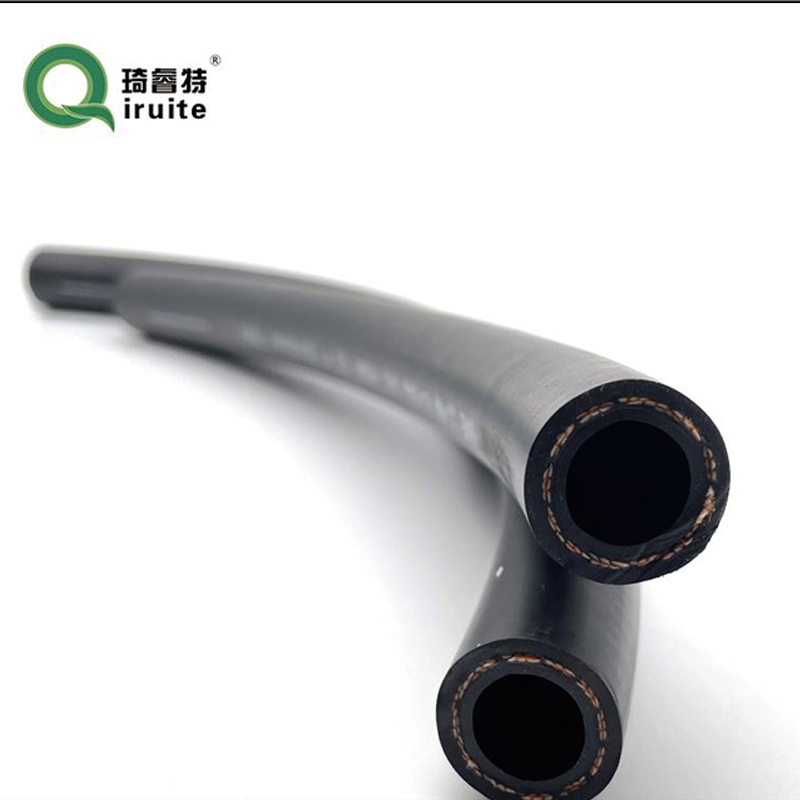
Figure 3: Quality control testing for r134a refrigerant charging hose at the factory.
Frequently Asked Questions (FAQ)
Q1: What is the typical service life of an r134a refrigerant charging hose?
A1: A high-quality hose, used and stored correctly, can last 5-10 years or more. Factors like frequency of use, exposure to harsh chemicals or extreme temperatures, and adherence to maintenance practices (e.g., proper coiling, cleaning) significantly influence its lifespan. Regular inspection for cracks, bulges, or leaks is crucial.
Q2: Can I use an R134a hose for other refrigerants?
A2: It is strongly advised against. Each refrigerant has specific chemical properties and pressure requirements. Using an R134a hose with other refrigerants (e.g., R22, R1234yf) can lead to chemical incompatibility, material degradation, increased permeation, and potential safety hazards due to incorrect pressure ratings or fitting types. Always use refrigerant-specific hoses and an appropriate AC manifold gauge set R134a.
Q3: How do I ensure minimal refrigerant loss during charging/recovery?
A3: Utilize high-quality hoses with low permeation rates and integrated ball valve shut-offs on fittings, especially on an r134a recharge hose with gauge. Always purge air from the hoses before connecting to the system, ensure tight, leak-free connections, and quickly disconnect once the operation is complete.
Q4: What testing standards should I look for?
A4: For automotive applications, SAE J2196 is the primary standard. For refrigeration tools and equipment, UL 1963 is relevant. General quality management system certifications like ISO 9001 are also important indicators of a manufacturer's commitment to quality processes.
Lead Time, Warranty, and Customer Support
As a B2B supplier, we understand the critical importance of reliable logistics and comprehensive support. Our commitment to trustworthiness extends beyond product quality.
Lead Time and Fulfillment:
Standard orders for our R134a hoses typically have a lead time of 2-4 weeks, depending on order volume and current production schedules. For customized solutions or large-volume OEM orders, lead times will be confirmed upon project scope definition. We maintain efficient supply chain management to ensure timely delivery and minimize disruptions to our clients' operations. Expedited shipping options are available upon request.
Warranty Commitments:
All our r134a refrigerant charging hose products are backed by a comprehensive 12-month manufacturer's warranty against defects in materials and workmanship. This warranty underscores our confidence in the durability and reliability of our products, providing our clients with peace of mind. Specific warranty details for customized or OEM products will be outlined in contractual agreements.
Customer Support:
Our dedicated technical support team is available to assist with product selection, application queries, and any post-purchase concerns. We provide expert guidance to ensure our clients optimize the use of their R134a hoses, troubleshoot issues, and access necessary maintenance information. We believe that strong customer relationships are built on responsive and knowledgeable support.
Conclusion
The selection of a high-performance r134a refrigerant charging hose is not merely a purchase; it's an investment in operational efficiency, safety, and environmental responsibility. From the meticulous multi-layered construction to stringent testing and adherence to global standards, every aspect of a quality R134a hose is designed to deliver reliable performance in demanding HVAC&R applications. By prioritizing durability, low permeation, and robust fitting integrity, businesses can significantly reduce costs associated with refrigerant loss, minimize downtime, and ensure the safety of their personnel.
Partnering with a manufacturer that champions expertise, utilizes advanced materials, offers comprehensive customization, and stands by its products with robust support, ensures that your operations are equipped with the best tools for maintaining R134a systems, today and for years to come.
References
- SAE International. (2014). J2196: Standard for Refrigerant Hoses and Hose Assemblies for Mobile Air-Conditioning Systems. Warrendale, PA: SAE International.
- ISO. (2015). ISO 9001:2015 Quality management systems — Requirements. International Organization for Standardization.
- United States Environmental Protection Agency. (2016). Significant New Alternatives Policy (SNAP) Program. Available at: www.epa.gov/snap
- ASHRAE Handbook—Refrigeration. (2022). Atlanta: American Society of Heating, Refrigerating and Air-Conditioning Engineers.
-
Custom Power Steering Hose Kit Guide for Vehicle PerformanceNewsApr.16,2026
-
Guide to High Performance Custom Made Power Steering HosesNewsApr.09,2026
-
Comprehensive Guide to Custom High Pressure Power Steering Hose SolutionsNewsApr.07,2026
-
Comprehensive Guide to CRV Power Steering Hose Maintenance and ReplacementNewsApr.04,2026
-
Comprehensive Guide to CPP Power Steering Hoses for Optimal Vehicle PerformanceNewsMar.31,2026
-
Understanding the Cost to Repair Power Steering Hose and Associated FactorsNewsMar.28,2026
 Afrikaans
 Albanian
 Amharic
 Arabic
 Armenian
 Azerbaijani
 Basque
 Belarusian
 Bengali
 Bosnian
 Bulgarian
 Catalan
 Cebuano
 Corsican
 Croatian
 Czech
Czech
 Danish
 Dutch
Dutch
 Esperanto
 Estonian
 Finnish
 French
 Frisian
 Galician
 Georgian
 German
 Greek
Greek
 Gujarati
 Haitian Creole
 Hausa
Hausa
 Hawaiian
 Hebrew
 Hindi
Hindi
 Miao
Miao
 Hungarian
 Icelandic
 Igbo
Igbo
 Indonesian
 Irish
Irish
 Italian
 Japanese
 Javanese
 Kannada
 Kazakh
 Khmer
Khmer
 Rwandese
 Korean
 Kurdish
 Kyrgyz
 Lao
Lao
 Latin
Latin
 Latvian
 Lithuanian
 Luxembourgish
 Macedonian
 Malgashi
 Malay
Malay
 Malayalam
 Maltese
 Maori
Maori
 Marathi
 Mongolian
 Myanmar
 Nepali
 Norwegian
 Norwegian
 Occitan
 Pashto
 Persian
 Polish
 Portuguese
 Punjabi
 Romanian
 Russian
 Samoan
 Scottish Gaelic
 Serbian
 Sesotho
 Shona
Shona
 Sindhi
 Sinhala
 Slovak
 Slovenian
 Somali
 Spanish
 Sundanese
 Swahili
 Swedish
 Tagalog
 Tajik
Tajik
 Tamil
Tamil
 Tatar
Tatar
 Telugu
 Thai
Thai
 Turkish
 Turkmen
 Ukrainian
 Urdu
Urdu
 Uighur
 Uzbek
Uzbek
 Vietnamese
 Welsh
Welsh
 Bantu
Bantu
 Yiddish
 Yoruba
 Zulu
Zulu
 English