

High-Quality Power Steering Tubes: Durable & Leak-Free Performance
The Imperative of High-Quality Power Steering Tubes in Modern Industrial Applications
In the intricate machinery of modern industrial and automotive systems, precision and reliability are paramount. Among the less visible yet critically important components is the power steering tube. Far from a simple conduit, a High-quality power steering tube plays a pivotal role in ensuring the safe, efficient, and responsive operation of hydraulic power steering systems. These tubes are engineered to withstand extreme pressures, fluctuating temperatures, and corrosive environments, demanding superior materials and meticulous manufacturing processes.
This comprehensive guide delves into the essential aspects of selecting, understanding, and implementing high-quality power steering tubes. We will explore the latest industry trends, detailed technical specifications, advanced manufacturing methodologies, diverse application scenarios, and crucial considerations for vendor selection. Our aim is to provide B2B decision-makers and technical personnel with the expertise needed to make informed choices that enhance system performance, reduce operational costs, and ensure long-term reliability.
Current Industry Trends and Market Dynamics for Power Steering Tubes
The market for power steering components, including advanced tubing solutions, is constantly evolving. Key trends are driven by technological advancements, regulatory pressures, and increasing demands for efficiency and durability across various sectors.
- Electrification and Hybridization: While Electric Power Steering (EPS) systems are gaining traction in light-duty vehicles, hydraulic power steering systems remain dominant in heavy-duty vehicles, commercial trucks, agricultural machinery, and industrial equipment due to their robust power delivery and lower cost for high-torque applications. This sustains a strong demand for reliable hydraulic components, including the High-quality power steering tube.
- Material Innovation: There's a continuous push for advanced materials offering superior strength-to-weight ratios, enhanced corrosion resistance, and improved fatigue life. Materials like specialized stainless steel alloys (e.g., 304L, 316L), high-strength low-alloy (HSLA) steels, and sometimes even advanced polymers for specific low-pressure applications, are being explored.
- Precision Manufacturing: The adoption of CNC (Computer Numerical Control) machining, hydroforming, and robotic welding is becoming standard, ensuring tighter tolerances and higher consistency in tube production. This minimizes leaks and extends the operational life of the entire system.
- Miniaturization and Integration: Systems are becoming more compact, leading to demand for tubes with smaller bending radii and integrated features, which requires sophisticated tube bending and end-forming technologies.
- Strict Environmental Regulations: Global regulations on emissions and fluid leaks are driving the need for more robust, leak-proof connections and higher integrity tubing, pushing manufacturers towards zero-defect policies and rigorous testing.
According to a recent market analysis, the global market for hydraulic tubes is projected to grow at a Compound Annual Growth Rate (CAGR) of approximately 4.5% from 2023 to 2030, driven by expanding industrial infrastructure and persistent demand from the automotive aftermarket and heavy equipment sectors. This underscores the enduring importance of a High-quality power steering tube in ensuring system reliability and safety.
Technical Parameters and Specifications of High-Quality Power Steering Tubes
The performance of a power steering tube is defined by a critical set of technical parameters. Understanding these specifications is essential for engineers and procurement specialists to ensure compatibility, safety, and longevity within their specific applications.
Key Specifications and Their Importance:
- Material Composition: Typically seamless low-carbon steel (e.g., ST37.4, E235+N) for strength and formability, or stainless steel (e.g., AISI 304, 316) for superior corrosion resistance in harsh environments. The choice dictates pressure rating, temperature range, and chemical compatibility.
- Outside Diameter (OD) and Wall Thickness (WT): These determine the internal flow area and the pressure containment capability. Precise tolerances are crucial for proper fitting with connectors and sealing components.
- Working Pressure (psi/bar): The maximum continuous pressure the tube can safely withstand during normal operation. A High-quality power steering tube often features a substantial safety factor, typically 3:1 or 4:1 against burst pressure.
- Burst Pressure (psi/bar): The pressure at which the tube catastrophically fails. This is a critical safety parameter and is rigorously tested.
- Temperature Range (°C/°F): The operational temperature limits within which the tube maintains its integrity and performance characteristics. Power steering fluid can reach high temperatures, especially under heavy load.
- Fatigue Resistance: The ability of the tube to withstand repeated pressure cycles without material degradation or failure. This is often measured in cycles (e.g., millions of cycles at a specific pressure fluctuation).
- Corrosion Resistance: Especially important for tubes exposed to road salts, chemicals, or humid environments. Coatings (e.g., zinc-nickel, galvanization) or inherent material properties (stainless steel) provide this resistance.
- Surface Finish: Internal smoothness is vital for optimal fluid flow and preventing particulate buildup. External finish affects corrosion resistance and aesthetics.
- Bending Radius: The minimum radius to which the tube can be bent without kinking, collapsing, or compromising its structural integrity. Critical for complex routings.
- Applicable Standards: Adherence to international standards like SAE J2044, DIN EN 10305-4 (for seamless cold drawn tubes), ASTM, and ISO ensures global compatibility and quality benchmarks.
Typical Specifications for a High-Quality Power Steering Tube:
| Parameter | Value/Range | Significance |
|---|---|---|
| Material | Carbon Steel (e.g., E235+N, ST37.4) / Stainless Steel (e.g., 304, 316L) | Determines strength, formability, and corrosion resistance. |
| Outside Diameter (OD) | 6mm to 25mm (0.236" to 0.984") | Affects flow rate and system compatibility. |
| Wall Thickness (WT) | 0.7mm to 2.5mm (0.027" to 0.098") | Crucial for pressure rating and burst strength. |
| Max Working Pressure | Up to 200 bar (2900 psi) for standard applications, higher for specialty. | Ensures safe operation under hydraulic loads. |
| Min Burst Pressure | ≥ 600 bar (8700 psi) (3:1 safety factor) | Critical safety margin against catastrophic failure. |
| Temperature Range | -40°C to +120°C (-40°F to +248°F) | Maintains performance in diverse climates and operating conditions. |
| Fatigue Life (Impulse Test) | Min 1,000,000 cycles at rated pressure, up to 5,000,000+ cycles. | Indicates longevity and reliability under dynamic stress. |
| Corrosion Protection | Zinc-nickel coating (≥720 hours salt spray resistance per ASTM B117), or stainless steel. | Prevents rust and material degradation, extending lifespan. |
| Cleanliness | Internal cleanliness per ISO 16232 (e.g., class 16/14/11 for critical applications) | Ensures system fluid remains uncontaminated, preventing wear. |
These specifications are not merely numbers; they represent the engineering integrity and reliability of a High-quality power steering tube, directly impacting system efficiency and safety.
The Advanced Manufacturing Process of a High-Quality Power Steering Tube
The production of a High-quality power steering tube is a sophisticated multi-stage process that combines metallurgical expertise with advanced mechanical engineering. Each step is critical to ensure the final product meets stringent performance and safety standards.
1. Material Selection and Preparation:
- Raw Material Sourcing: High-grade seamless steel tubing (often hot-rolled, then cold-drawn) is selected. For carbon steel, common grades include E235+N (Normalized) or ST37.4, known for their excellent formability and strength. For corrosion-resistant applications, stainless steel grades like 304L or 316L are used.
- Material Verification: Incoming materials undergo rigorous chemical analysis (e.g., Optical Emission Spectrometry) and mechanical testing (tensile strength, yield strength, elongation) to verify compliance with ASTM, DIN, or EN standards.
2. Precision Tube Forming:
- Cold Drawing: This process refines the tube's dimensions, enhances its surface finish, and improves its mechanical properties (e.g., increased tensile strength, tighter tolerances).
- Annealing/Normalization: Tubes often undergo heat treatment processes like annealing or normalization. Annealing softens the metal, making it more ductile for subsequent bending and forming. Normalization refines the grain structure, enhancing toughness and uniformity. This is crucial for optimal fatigue resistance.
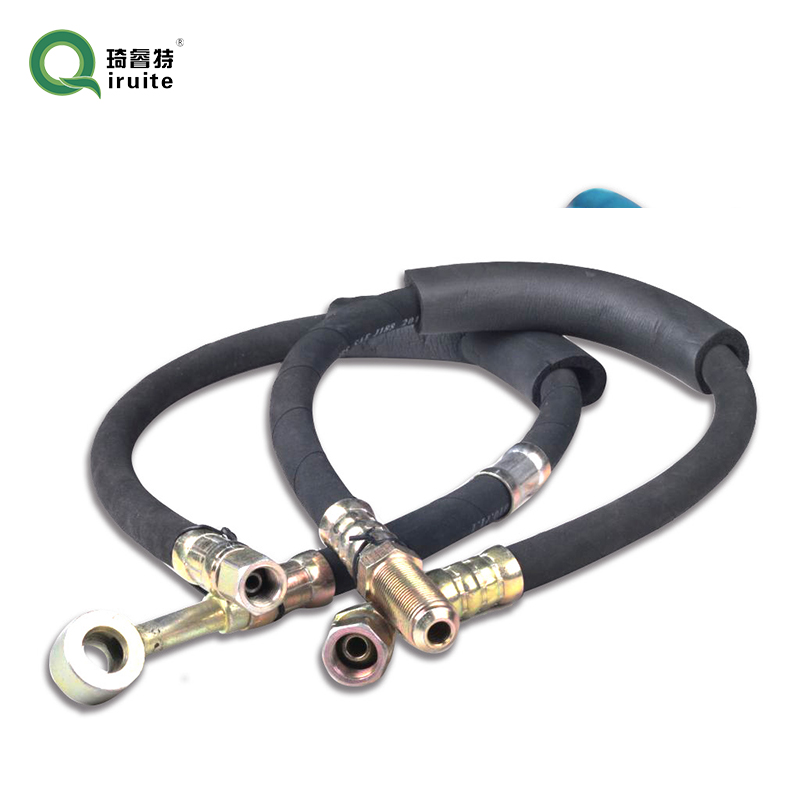
- CNC Bending: Advanced CNC tube bending machines are used to achieve precise and complex geometries with minimal deformation. These machines utilize mandrel bending or rotary draw bending techniques to maintain the tube's cross-sectional integrity, preventing kinking or wall thinning at bends. Multi-axis CNC control ensures accuracy within fractions of a millimeter.
- End Forming: The tube ends are shaped to accommodate specific fittings, such as flares (e.g., 37-degree, 45-degree), beads, or swages. Hydroforming, a process using high-pressure hydraulic fluid, can also be employed for complex end geometries, ensuring optimal sealing surfaces.
3. Joining and Assembly (if applicable):
- Brazing/Welding: For multi-component assemblies (e.g., tube-to-fitting connections, routing clips), advanced joining techniques like controlled atmosphere brazing or robotic TIG/MIG welding are used. This ensures leak-proof, high-strength joints resistant to vibration and pressure surges.
4. Surface Treatment and Protection:
- Cleaning: Tubes undergo thorough internal and external cleaning to remove any processing residues, oils, or particulate matter. High-pressure flushing and ultrasonic cleaning are common.
- Corrosion Protection: For carbon steel tubes, common coatings include electroplated zinc, zinc-nickel alloys (offering superior salt spray resistance, often exceeding 720 hours per ASTM B117), or cataphoresis coating (KTL/E-coat) for enhanced durability and aesthetics.
5. Rigorous Quality Control and Testing:
- Dimensional Inspection: Automated optical inspection systems and CMM (Coordinate Measuring Machine) are used to verify critical dimensions, bends, and overall geometry against CAD models.
- Leak Testing: Every High-quality power steering tube undergoes 100% leak testing using air-under-water submersion, pressure decay, or helium mass spectrometry methods to ensure absolute leak integrity.
- Burst Pressure Testing: Samples are destructively tested to verify actual burst strength against specified minimums.
- Impulse/Fatigue Testing: Tubes are subjected to millions of pressure cycles simulating real-world operating conditions to assess fatigue life and structural integrity over time.
- Cleanliness Testing: Internal cleanliness is assessed using particle analysis methods (e.g., ISO 16232), crucial for preventing contamination in hydraulic systems.
- Corrosion Resistance Testing: Salt spray tests (ASTM B117) are performed on coated tubes to evaluate their resistance to environmental degradation.
This meticulous process ensures that each High-quality power steering tube leaving the facility is fit for its demanding purpose, offering exceptional performance and reliability.
Technical Advantages and Performance Benefits
Investing in a High-quality power steering tube yields significant technical and operational advantages that translate directly into enhanced system performance, extended service life, and reduced total cost of ownership (TCO).
- Superior Pressure Containment: Engineered with optimal wall thickness and material strength, high-quality tubes can safely handle peak operating pressures, reducing the risk of premature failure and catastrophic fluid leaks. This is especially vital in heavy-duty commercial vehicles and industrial machinery where hydraulic pressures can be substantial.
- Exceptional Fatigue Resistance: Through precise cold-drawing, stress-relieving heat treatments, and stringent quality control, these tubes exhibit outstanding resistance to pulsating pressures and vibrations. This significantly extends their operational lifespan, minimizing downtime and replacement costs.
- Enhanced Corrosion Protection: Advanced coatings like zinc-nickel (providing over 720 hours of salt spray resistance as per ASTM B117) or the inherent properties of stainless steel ensure long-term integrity even in highly corrosive environments (e.g., marine applications, agricultural machinery exposed to fertilizers, road salt exposure in vehicles). This directly contributes to longer service intervals and reduced maintenance.
- Optimized Fluid Flow & Energy Efficiency: The smooth internal surface finish, combined with precise bending (avoiding constrictions or sharp kinks), minimizes hydraulic pressure drops and turbulence. This allows the power steering pump to operate more efficiently, potentially leading to marginal but cumulative energy savings over the system's lifetime and improved steering responsiveness.
- Dimensional Accuracy & Compatibility: Strict adherence to precise OD and wall thickness tolerances ensures perfect fitment with hydraulic fittings (e.g., compression fittings, flare fittings, Quick Connect Couplings), minimizing the risk of leaks at connection points. This simplifies assembly and reduces installation errors.
- Reduced NVH (Noise, Vibration, Harshness): A precisely formed tube with consistent wall thickness and proper mounting points helps dampen hydraulic pulsations, contributing to a quieter and smoother operating system, enhancing operator comfort in vehicles and equipment.
- Environmental Compliance: By ensuring leak-proof operation and extended lifespan, high-quality tubes contribute to reduced fluid loss and waste, aligning with environmental regulations and corporate sustainability initiatives.
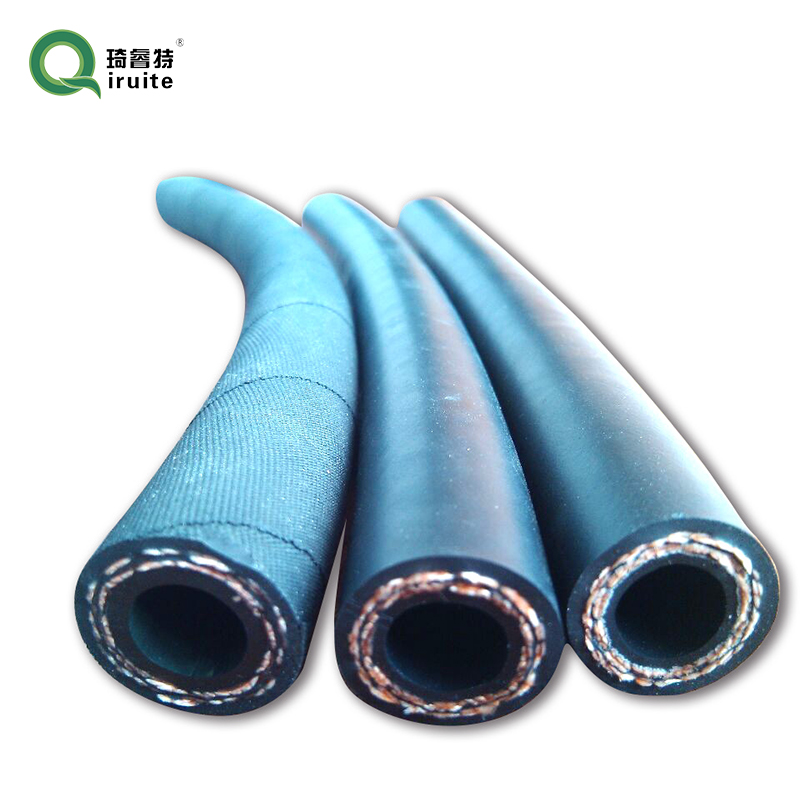
These advantages are not theoretical; they are quantifiable benefits that directly impact the operational efficiency, safety record, and overall profitability of industrial and automotive applications. A well-engineered High-quality power steering tube acts as a foundational element for a reliable hydraulic system.
Application Scenarios Across Diverse Industries
The demand for a High-quality power steering tube extends far beyond conventional automotive use, permeating a wide array of industrial and commercial sectors where precise hydraulic control and robust performance are non-negotiable.
1. Automotive & Commercial Vehicles:
- Passenger Cars: While EPS is common, many older models and certain high-performance vehicles still rely on hydraulic power steering. High-quality tubes ensure precise steering feel and long-term reliability.
- Trucks & Buses: Heavy-duty commercial vehicles depend heavily on hydraulic power steering for maneuvering large loads. Tubes must withstand high pressures, constant vibrations, and extreme environmental conditions (e.g., road salt, temperature fluctuations).
- Off-Highway Vehicles: Construction equipment, mining trucks, and agricultural machinery operate in exceptionally harsh environments. The tubes need superior corrosion resistance, fatigue strength, and burst pressure ratings.
- Aftermarket & Replacement: The demand for reliable replacement parts that meet or exceed OEM specifications is significant, especially for aging fleets and machinery.
2. Industrial Machinery & Manufacturing:
- Material Handling: Forklifts, stackers, and cranes utilize hydraulic systems for lifting and steering. High-quality tubes ensure consistent operation and safety under load.
- Robotics & Automation: While less common for power steering specifically, precision hydraulic lines are used in some heavy industrial robots and automated systems requiring powerful and precise articulation.
- Factory Equipment: Various presses, bending machines, and other hydraulic-powered manufacturing equipment require durable fluid transfer lines for control systems.
3. Specialized Applications:
- Marine: Steering systems on commercial vessels and large recreational boats rely on robust hydraulic tubes that can withstand saltwater corrosion and continuous operation. Stainless steel variants are particularly important here.
- Defense & Aerospace (Ground Support): Military vehicles and ground support equipment for aircraft require highly reliable and robust hydraulic components, including tubes, to ensure mission-critical functionality and safety in demanding conditions.
- Renewable Energy (Wind Turbines, Solar Trackers): Some hydraulic pitch control systems in wind turbines or tracking systems for solar panels use specialized hydraulic lines, including tubes for steering mechanisms or articulation.
In each of these diverse scenarios, the advantages of a High-quality power steering tube translate into enhanced operational efficiency, reduced maintenance intervals, and ultimately, greater safety and profitability for the end-user.
Manufacturer Comparison: Choosing Your Partner for High-Quality Power Steering Tubes
The market offers a range of manufacturers for power steering tubes, but not all are created equal. For B2B buyers, distinguishing between suppliers is crucial to secure genuinely high-quality products that align with long-term operational goals. This comparison highlights key factors that differentiate a top-tier supplier from a generic one.
High-Quality Supplier vs. Standard Supplier:
| Feature/Criterion | High-Quality Tube Manufacturer | Standard/Cost-Optimized Manufacturer |
|---|---|---|
| Material Sourcing | Uses prime-grade, certified seamless steel from reputable mills (e.g., E235+N, 316L). Full traceability of raw materials. | May use lower-cost, less certified materials; traceability might be limited. |
| Manufacturing Process | Advanced CNC bending, hydroforming, precise heat treatments (annealing/normalization). Robotic welding for assemblies. Focus on seamless tubing. | Basic bending machines, less precise heat treatment. May use welded tubing for some applications. |
| Corrosion Protection | Multi-layer, high-performance coatings (e.g., Zinc-Nickel, >=720h salt spray) or superior stainless steel. | Basic zinc plating (e.g., 96-240h salt spray) or no specialized coating. |
| Quality Control & Testing | 100% leak testing (pressure decay/helium), routine burst/fatigue testing, CMM dimensional checks, internal cleanliness analysis (ISO 16232). Full batch traceability. | Batch testing only, simpler leak tests, less emphasis on fatigue and cleanliness. Limited traceability. |
| Technical Support & Customization | In-house engineering team for design, prototyping, and custom solutions. Deep application expertise. Collaborative R&D. | Limited design capabilities, primarily offers standard catalog products. Minimal technical consultancy. |
| Certifications & Compliance | ISO 9001, IATF 16949 (for automotive), adherence to SAE, DIN, ASTM standards. Proven track record with OEMs. | May have basic ISO, but less rigorous industry-specific certifications or OEM approvals. |
| Lifespan & Reliability | Engineered for extended service life, reducing downtime and total cost of ownership (TCO). | Shorter expected lifespan, leading to more frequent replacements and higher TCO. |
When selecting a supplier for High-quality power steering tube, prioritizing manufacturers with robust R&D, advanced manufacturing capabilities, and comprehensive quality assurance protocols is paramount. Such partners offer not just a product, but a solution that enhances your system's overall performance and reliability.
Customization Solutions for Specific Applications
While standard power steering tubes serve many applications, specialized industrial and automotive systems often require bespoke solutions. A leading manufacturer of High-quality power steering tube offers extensive customization capabilities, ensuring that the tubes integrate seamlessly and perform optimally within unique constraints.
Areas of Customization:
- Material Adaptation: Beyond standard carbon steel, customization can involve specific stainless steel grades (e.g., 316L for high chemical resistance, Duplex stainless steel for extreme strength and corrosion resistance), or even specialized alloys to meet unique temperature, pressure, or chemical compatibility requirements.
- Dimensional Precision: Tubes can be customized to exact OD, ID, and wall thickness specifications, crucial for precise fluid dynamics, weight reduction, or compatibility with specific proprietary fittings.
- Complex Geometries & Bending: Leveraging advanced CNC bending technology, manufacturers can produce tubes with multiple intricate bends, tight radii, and 3D shapes to fit confined spaces or optimize fluid routing. This includes hydroformed sections for unique transitions or integrated features.
- End Form & Fitting Integration: Custom end forms (e.g., specific flares, beads, swages, quick-connect profiles) can be engineered to match existing or proprietary fitting designs, ensuring a perfect seal and simplified assembly. Pre-assembled fittings can also be integrated.
- Custom Coatings & Surface Treatments: Beyond standard corrosion protection, specific coatings can be applied for enhanced abrasion resistance, thermal insulation, or even aesthetic requirements. Internal surface polishing can be done for ultra-clean applications.
- Integrated Features: Custom brackets, mounting points, or dampeners can be integrated directly into the tube design during manufacturing, reducing assembly steps and improving overall system integrity.
- Length and Routing Optimization: Tubes can be cut to precise lengths and pre-formed for specific vehicle or equipment models, optimizing routing paths, reducing installation time, and eliminating on-site modifications.
The Customization Process:
- Consultation & Design Review: Collaboration with the client's engineering team to understand specific application needs, environmental factors, and performance targets. This often involves reviewing CAD models and flow diagrams.
- Prototyping & Iteration: Production of prototypes for fitment testing, performance validation, and design adjustments. This iterative process ensures the final product perfectly matches requirements.
- Advanced Simulation: Use of FEA (Finite Element Analysis) and CFD (Computational Fluid Dynamics) to simulate stress, fatigue, and flow characteristics, optimizing the design before physical production.
- Specialized Tooling: Development of custom tooling (e.g., bending dies, end-forming tools) to achieve unique tube geometries and features.
- Batch Production & Quality Control: Once validated, the custom High-quality power steering tube is manufactured under the same rigorous quality control standards as standard products, ensuring consistency across the batch.
This level of customization capability is a hallmark of a truly expert power steering tube manufacturer, providing significant value to OEMs and specialized system integrators looking for optimal performance and integration.
Real-World Application Cases and Customer Feedback
The true testament to a High-quality power steering tube lies in its performance in demanding, real-world scenarios and the positive feedback from satisfied clients. Here are illustrative examples of how superior tubes contribute to operational excellence:
Case Study 1: Heavy-Duty Agricultural Tractor OEM
- Challenge: A leading agricultural equipment manufacturer faced persistent issues with premature power steering tube failures in their heavy-duty tractors. Tubes were exposed to significant vibration, dust, moisture, and corrosive farm chemicals, leading to frequent leaks and costly field repairs. The standard tubes had a lifespan of approximately 18-24 months.
- Solution: Collaborated with a High-quality power steering tube supplier to redesign the tubes. The new solution incorporated seamless E235+N steel with enhanced annealing for fatigue resistance, a multi-layer zinc-nickel coating providing over 1000 hours of salt spray resistance, and optimized CNC bending to reduce stress concentrations.
- Outcome: After implementing the new tubes, the OEM reported a drastic reduction in field failures. The average lifespan of the power steering tubes increased to over 60 months, reducing warranty claims by 45% and enhancing customer satisfaction. The robust design also contributed to a perceived improvement in steering responsiveness.
Case Study 2: Municipal Fleet Maintenance Division
- Challenge: A municipal fleet operating snowplows and salt spreaders in harsh winter conditions experienced rapid corrosion and leakage in their power steering lines, primarily due to constant exposure to road salt and de-icing chemicals. This led to high maintenance costs and significant vehicle downtime during critical winter months.
- Solution: Switched to custom-designed High-quality power steering tube assemblies made from AISI 316L stainless steel, specifically chosen for its superior corrosion resistance. The tubes were also supplied with pre-attached, corrosion-resistant stainless steel fittings.
- Outcome: The stainless steel tubes demonstrated exceptional durability against salt corrosion. Over three consecutive winter seasons, the fleet reported zero power steering tube failures related to corrosion or leakage, a stark contrast to previous years. This translated to an estimated 30% reduction in annual steering system maintenance costs and ensured maximal fleet readiness.
Customer Testimonial Excerpt:
"Our collaboration with [Manufacturer Name, e.g., HoseQRT] on the new line of High-quality power steering tube for our heavy construction excavators has been transformative. The improved fatigue resistance and robust corrosion protection mean our equipment stays operational longer in the field, even in challenging environments. The initial investment has paid for itself multiple times over in reduced maintenance and increased uptime. Their technical support throughout the design phase was invaluable." - Project Manager, Global Construction Equipment Manufacturer.
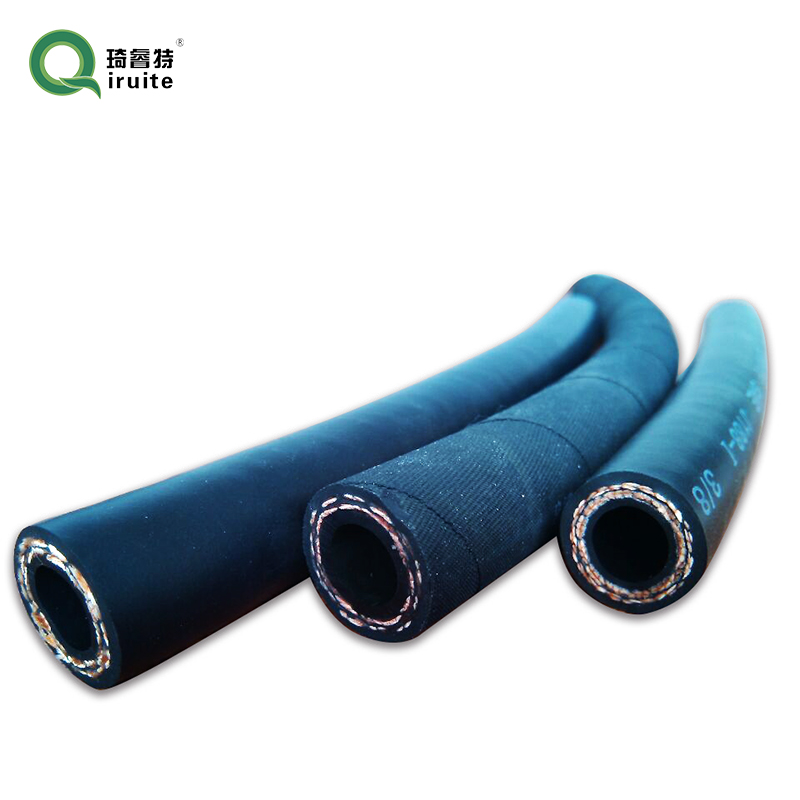
These examples underscore the tangible benefits derived from specifying a High-quality power steering tube, demonstrating its critical role in ensuring long-term operational integrity and cost efficiency across diverse industrial and automotive applications.
Quality Assurance, Certifications, and Trustworthiness
In the B2B landscape, trust is built on proven quality and unwavering commitment. A reputable manufacturer of High-quality power steering tube establishes trustworthiness through stringent quality assurance, industry certifications, transparent processes, and robust customer support.
Comprehensive Quality Management Systems:
- ISO 9001:2015 Certification: This internationally recognized standard for quality management systems ensures consistent product quality and continuous improvement across all manufacturing processes, from raw material inspection to final product delivery.
- IATF 16949 (Automotive Sector): For manufacturers serving the automotive industry, IATF 16949 is crucial. It’s an even more rigorous quality management standard built on ISO 9001, specifically addressing the requirements of the automotive sector, including defect prevention and reduction of variation and waste.
- Lean Manufacturing Principles: Adoption of lean methodologies to minimize waste, optimize production flow, and ensure consistent quality, reducing the likelihood of defects.
Adherence to Industry Standards:
A High-quality power steering tube manufacturer consistently adheres to relevant international and national standards, including but not limited to:
- DIN EN 10305-4: For seamless cold drawn steel tubes for hydraulic and pneumatic power systems.
- SAE J2044: For quick connect coupling specifications for fuel and vapor systems, often applied to power steering applications.
- ASTM A179 / A213: For seamless cold-drawn low-carbon steel tubes and seamless alloy-steel boiler, superheater, and heat-exchanger tubes, respectively, providing foundational material quality.
- ISO 16232: For cleanliness assessment of components for fluid circuits, ensuring no harmful contaminants are present inside the tubes.
- ASTM B117: For salt spray (fog) testing, crucial for evaluating corrosion resistance of coated tubes.
Transparent Operations and Support:
- Delivery Cycle: A well-managed supply chain ensures competitive lead times. For standard orders, typical delivery can range from 2-4 weeks. For custom solutions and larger batch orders, lead times are agreed upon upfront, often between 6-10 weeks depending on complexity and material availability. Expedited options are often available for urgent requirements.
- Warranty Commitment: Reputable manufacturers offer comprehensive warranties, typically covering defects in material and workmanship for 1-3 years, or specified operating hours, providing peace of mind and demonstrating confidence in their product quality.
- Customer Support & After-Sales Service: Dedicated technical support teams are available for troubleshooting, application advice, and post-sale inquiries. This includes assistance with installation guidelines, maintenance recommendations, and efficient handling of any potential warranty claims.
Frequently Asked Questions (FAQ):
Q1: What makes a power steering tube "high quality"?
A1: A High-quality power steering tube is defined by its material integrity (seamless, certified grades), precision manufacturing (CNC bending, optimal heat treatment), superior corrosion protection (advanced coatings), and rigorous testing protocols (100% leak, impulse, burst, cleanliness tests). These elements ensure exceptional pressure containment, fatigue resistance, and extended lifespan.
Q2: How do high-quality tubes contribute to reduced total cost of ownership (TCO)?
A2: While the initial cost might be slightly higher, high-quality tubes significantly reduce TCO by minimizing premature failures, decreasing costly downtime, reducing fluid loss, extending maintenance intervals, and lowering replacement part expenses over the system's operational life. Their durability often outweighs the upfront investment.
Q3: Can these tubes be customized for unique hydraulic systems?
A3: Absolutely. Leading manufacturers offer extensive customization options, including specific materials, precise dimensions, complex geometries, custom end forms, and specialized coatings. They work closely with clients to design and prototype solutions tailored to unique application requirements.
Q4: What testing procedures are in place to guarantee quality?
A4: Quality assurance includes 100% leak testing (e.g., pressure decay or helium), dimensional inspection using CMM, destructive burst pressure testing, long-term fatigue (impulse) testing, internal cleanliness verification (ISO 16232), and accelerated corrosion testing (ASTM B117 salt spray). These ensure every tube meets stringent performance criteria.
Q5: What are the typical industries that benefit most from high-quality power steering tubes?
A5: Industries that demand high reliability, operate in harsh environments, or have critical safety requirements benefit significantly. This includes automotive (especially heavy-duty vehicles), agricultural machinery, construction equipment, mining, material handling, and specialized industrial machinery.
These transparent commitments and comprehensive support structures are cornerstones of a trustworthy partnership, ensuring clients receive not just products, but reliable solutions for their hydraulic system needs.
Conclusion: The Indispensable Role of High-Quality Power Steering Tubes
The performance and longevity of any hydraulic power steering system are fundamentally reliant on the integrity of its tubing. As we have explored, a High-quality power steering tube is not merely a component but a critical engineering solution, meticulously crafted to withstand the extreme demands of modern industrial and automotive applications. From the precise selection of raw materials and advanced manufacturing processes like CNC bending and hydroforming, to rigorous multi-stage quality control and testing, every aspect of its production is geared towards maximizing reliability and safety.
Investing in superior quality tubes translates directly into tangible benefits: enhanced operational efficiency through optimized fluid flow, significant reductions in maintenance costs due to extended fatigue and corrosion resistance, and ultimately, a lower total cost of ownership. For B2B decision-makers, understanding these nuances and partnering with manufacturers who adhere to the highest standards (like ISO 9001, IATF 16949, and strict adherence to industry specifications like DIN EN 10305-4 and SAE J2044) is paramount.
The detailed technical parameters, real-world case studies, and comprehensive quality assurance measures discussed herein serve to underscore the indispensable role of premium power steering tubes. By prioritizing quality, industries can ensure their hydraulic systems operate at peak performance, providing dependable service and contributing to overall system safety and longevity in demanding environments.
References
- SAE International. "SAE J2044: Quick Connect Coupling - Fuel and Vapor Systems." Published by SAE International.
- Deutscher Normenausschuss (DIN). "DIN EN 10305-4: Steel tubes for precision applications - Technical delivery conditions - Part 4: Seamless cold drawn tubes for hydraulic and pneumatic power systems." Published by Beuth Verlag.
- International Organization for Standardization (ISO). "ISO 9001: Quality management systems – Requirements." Published by ISO.
- International Organization for Standardization (ISO). "ISO 16232: Road vehicles – Cleanliness of components of fluid circuits." Published by ISO.
- ASTM International. "ASTM B117: Standard Practice for Operating Salt Spray (Fog) Apparatus." Published by ASTM International.
- Automotive Industry Action Group (AIAG). "IATF 16949: Quality management system requirements for automotive production and relevant service parts organizations." Published by AIAG.
- Fluid Power Journal. "The Evolution of Hydraulic Tubing in Industrial Applications." (Hypothetical journal article title)
-
Custom Power Steering Hose Kit Guide for Vehicle PerformanceNewsApr.16,2026
-
Guide to High Performance Custom Made Power Steering HosesNewsApr.09,2026
-
Comprehensive Guide to Custom High Pressure Power Steering Hose SolutionsNewsApr.07,2026
-
Comprehensive Guide to CRV Power Steering Hose Maintenance and ReplacementNewsApr.04,2026
-
Comprehensive Guide to CPP Power Steering Hoses for Optimal Vehicle PerformanceNewsMar.31,2026
-
Understanding the Cost to Repair Power Steering Hose and Associated FactorsNewsMar.28,2026
 Afrikaans
 Albanian
 Amharic
 Arabic
 Armenian
 Azerbaijani
 Basque
 Belarusian
 Bengali
 Bosnian
 Bulgarian
 Catalan
 Cebuano
 Corsican
 Croatian
 Czech
Czech
 Danish
 Dutch
Dutch
 Esperanto
 Estonian
 Finnish
 French
 Frisian
 Galician
 Georgian
 German
 Greek
Greek
 Gujarati
 Haitian Creole
 Hausa
Hausa
 Hawaiian
 Hebrew
 Hindi
Hindi
 Miao
Miao
 Hungarian
 Icelandic
 Igbo
Igbo
 Indonesian
 Irish
Irish
 Italian
 Japanese
 Javanese
 Kannada
 Kazakh
 Khmer
Khmer
 Rwandese
 Korean
 Kurdish
 Kyrgyz
 Lao
Lao
 Latin
Latin
 Latvian
 Lithuanian
 Luxembourgish
 Macedonian
 Malgashi
 Malay
Malay
 Malayalam
 Maltese
 Maori
Maori
 Marathi
 Mongolian
 Myanmar
 Nepali
 Norwegian
 Norwegian
 Occitan
 Pashto
 Persian
 Polish
 Portuguese
 Punjabi
 Romanian
 Russian
 Samoan
 Scottish Gaelic
 Serbian
 Sesotho
 Shona
Shona
 Sindhi
 Sinhala
 Slovak
 Slovenian
 Somali
 Spanish
 Sundanese
 Swahili
 Swedish
 Tagalog
 Tajik
Tajik
 Tamil
Tamil
 Tatar
Tatar
 Telugu
 Thai
Thai
 Turkish
 Turkmen
 Ukrainian
 Urdu
Urdu
 Uighur
 Uzbek
Uzbek
 Vietnamese
 Welsh
Welsh
 Bantu
Bantu
 Yiddish
 Yoruba
 Zulu
Zulu
 English