

SAE J2064 Type C AC Hose: High-Performance & Durable
The Critical Role of SAE J2064 Type C in Modern AC Systems
In the demanding world of automotive and industrial air conditioning, the integrity and performance of every component are paramount. Among these, the refrigerant hose stands as a critical link, dictating system efficiency, longevity, and environmental compliance. The sae j2064 type c standard defines a category of high-performance hoses specifically engineered to meet these rigorous requirements. This deep dive explores the technical nuances, manufacturing excellence, and strategic advantages of Type C hoses, highlighting their indispensable role in various applications.
As global regulations tighten and the industry shifts towards more eco-friendly refrigerants, the demands on hose materials and construction have intensified. SAE J2064 type C hoses are designed to excel under these pressures, offering superior barrier properties, chemical resistance, and thermal stability. This article will provide B2B decision-makers and engineers with a comprehensive understanding of this critical component, from its intricate manufacturing process to its widespread application in diverse industries.
Industry Trends and Market Demand for Advanced AC Hoses
The air conditioning market is experiencing significant evolution, driven by sustainability initiatives, technological advancements, and the push for higher energy efficiency. The phasing out of high Global Warming Potential (GWP) refrigerants like R-134a in favor of alternatives such as R-1234yf and R-744 (CO2) necessitates hose designs that can withstand new chemical compositions, higher pressures, and broader temperature ranges. This trend directly impacts the demand for robust and reliable solutions like SAE J2064 type C hoses.
Furthermore, the rise of electric vehicles (EVs) introduces new challenges, as their AC systems often operate under different thermal loads and vibration profiles compared to traditional internal combustion engine vehicles. The industrial sector, particularly in petrochemical and process cooling, also demands hoses capable of handling aggressive media and extreme operational conditions with minimal leakage, underscoring the universal need for enhanced barrier technology and durability. The market is increasingly prioritizing hoses that offer extended service life, reduced maintenance, and superior environmental containment, making standards like SAE J2064 more relevant than ever.
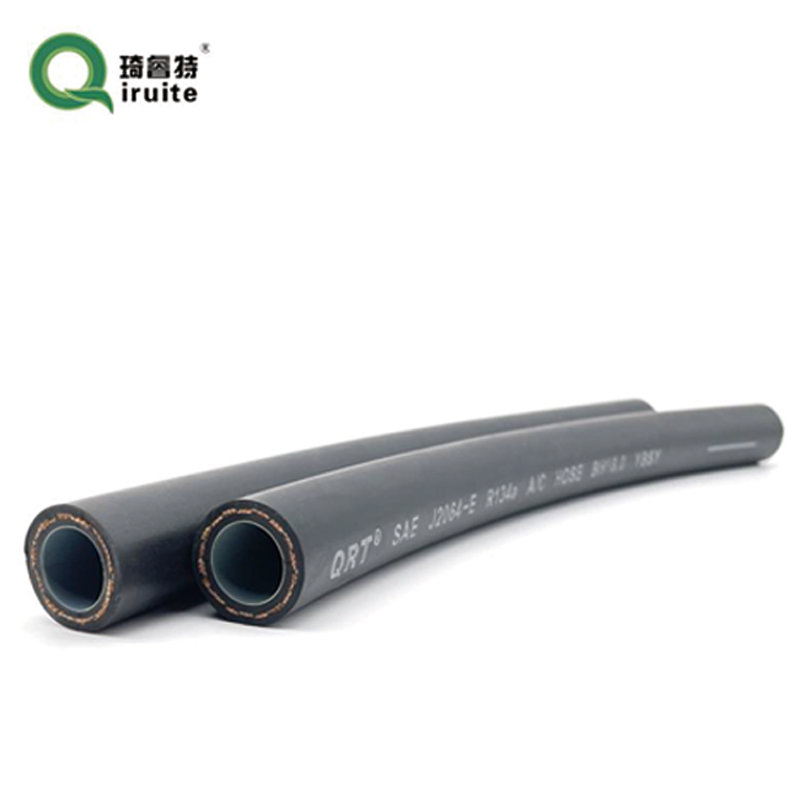
Figure 1: Cross-section illustrating the multi-layer construction of a high-performance sae j2064 type c hose.
Understanding the SAE J2064 Type C Standard
The SAE J2064 standard outlines specifications for refrigerant hose and hose assemblies used in mobile air conditioning systems. Within this standard, Type C is distinguished by its specific construction and performance characteristics tailored for advanced refrigerants and demanding environments. Unlike older designs, Type C emphasizes reduced permeation rates, improved temperature resistance, and enhanced material compatibility.
A key differentiator for SAE J2064 type C hoses often lies in their multi-layer construction, typically featuring:
- Inner Tube: Constructed from specialized elastomers (e.g., Chlorobutyl, EPDM, or highly advanced thermoplastic elastomers) to provide excellent chemical resistance to refrigerants and oils, while minimizing permeation.
- Barrier Layer: A critical component, often made from nylon, polyamide, or other proprietary polymeric compounds, designed to significantly reduce refrigerant permeation, meeting stringent environmental requirements. This is a primary differentiator for Type C.
- Reinforcement Layer(s): Typically braided polyester or other synthetic fibers, providing the necessary pressure resistance and structural integrity. Multiple layers may be used for higher pressure ratings.
- Outer Cover: Made from EPDM or other weather-resistant compounds, offering protection against ozone, UV radiation, abrasion, and harsh environmental factors encountered in engine compartments or industrial settings.
This layered approach ensures that SAE J2064 type C hoses can withstand pressures up to 3.5 MPa (approximately 500 psi) and temperatures ranging from -30°C to +125°C, while maintaining a permeation rate typically below 0.16 kg/m²/year for R-134a, and even lower for newer refrigerants like R-1234yf. The "Class II" designation, often seen as "SAE J2064 type C Class II", further specifies suitability for specific, more aggressive refrigerants or higher temperature applications, ensuring compatibility and safety.
Detailed Manufacturing Process of SAE J2064 Type C Hoses
The production of a high-quality SAE J2064 type C hose is a sophisticated process involving precision engineering, advanced material science, and stringent quality control. Here's a typical process flow:
-
Material Preparation & Compounding:
Raw polymers for the inner tube, barrier layer, and outer cover (e.g., EPDM, Chlorobutyl, Nylon) are precisely measured and compounded with additives, plasticizers, and curing agents. This critical step ensures the desired chemical resistance, flexibility, and mechanical properties. Quality checks at this stage include rheological analysis and material density verification.
-
Inner Tube Extrusion:
The compounded material for the inner tube is extruded through a die to form a seamless, precise diameter tube. This extrusion process requires tight tolerances to ensure consistent wall thickness and a smooth inner surface, crucial for refrigerant flow and minimizing permeation.
-
Barrier Layer Application:
A thin, impermeable barrier layer (e.g., nylon or polyamide) is then applied over the inner tube, typically through co-extrusion or a separate extrusion step. This layer is the primary defense against refrigerant leakage and meets the stringent permeation requirements of SAE J2064. Adhesion between layers is meticulously controlled.
-
Reinforcement Braiding/Wrapping:
One or more layers of high-tensile strength synthetic fibers (e.g., polyester or aramid) are braided or spiraled over the barrier layer. This provides the hose with its burst strength and resistance to pressure fluctuations. Automated braiding machines ensure uniform tension and density of the reinforcement, crucial for dimensional stability and service life.
-
Outer Cover Extrusion:
Finally, the protective outer cover material is extruded over the reinforced core. This layer shields the hose from external abrasion, ozone, UV radiation, and chemical degradation, extending its operational life in harsh environments.
-
Vulcanization/Curing:
The entire hose assembly undergoes a vulcanization or curing process, typically in steam or pressure ovens. This heat treatment cross-links the polymer chains, solidifying the hose's structure, enhancing its physical properties (elasticity, tensile strength, heat resistance), and permanently bonding the layers together.
-
Post-Processing & Testing:
After curing, hoses are cut to specified lengths, and various quality control tests are performed. These include burst pressure testing, vacuum resistance, impulse testing (simulating pressure cycles), cold flexibility, ozone resistance, and crucially, refrigerant permeation testing according to SAE J2064 and ISO standards. Dimensional checks (inner/outer diameter, wall thickness) are continuously performed. Service life is determined through accelerated aging tests and fatigue testing, ensuring compliance with specified operational parameters for target industries such as automotive, heavy-duty machinery, and industrial process cooling.
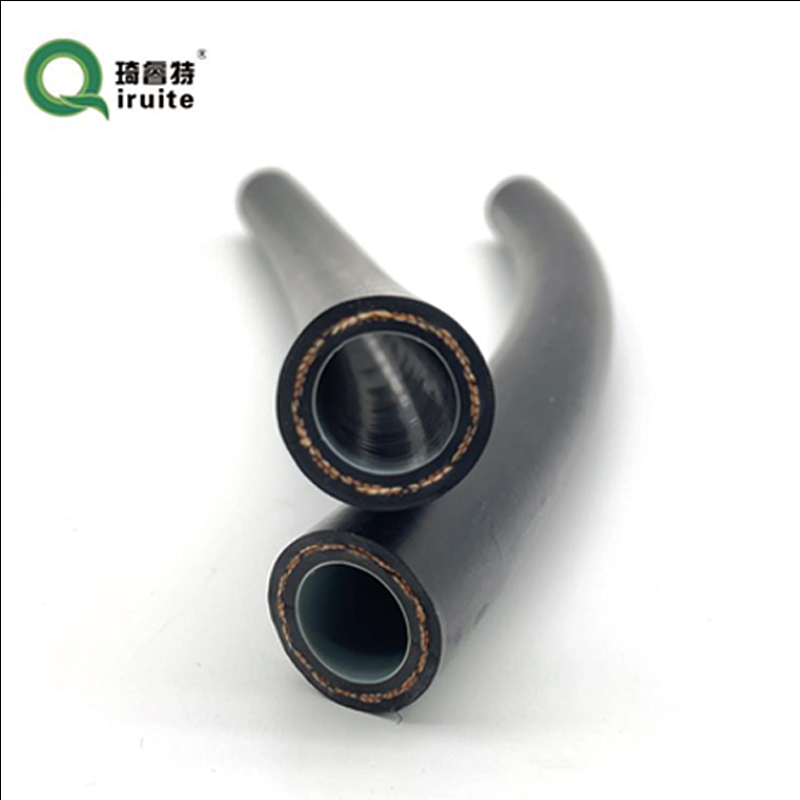
Figure 2: Schematic representation of the multi-stage manufacturing process for sae j2064 type c hoses.
Technical Specifications and Performance Parameters
The performance of SAE J2064 type C hoses is defined by a set of critical technical parameters that ensure their suitability for high-performance AC systems. These parameters are rigorously tested and adhere to international standards like ISO 13913 for refrigerant hoses.
Typical Product Specification Table: E-TYPE FACTORY AIR CONDITIONING HOSE WITH GOOD PERFORMANCE
| Parameter | Specification (SAE J2064 Type C) | Test Standard |
|---|---|---|
| Inner Tube Material | Chlorobutyl / EPDM / Special PA | ASTM D2000 |
| Barrier Layer Material | Nylon / Polyamide (PA) | SAE J2064 Section 5.3 |
| Reinforcement | High-Tensile Polyester Braid | ASTM D380 |
| Outer Cover Material | EPDM / Weather-resistant synthetic rubber | ASTM D2000, ASTM D1149 (Ozone) |
| Working Pressure | Up to 3.5 MPa (500 psi) | SAE J2064 Section 5.4.1 |
| Burst Pressure (Min.) | > 17.5 MPa (2500 psi) | SAE J2064 Section 5.4.2 |
| Temperature Range | -30°C to +125°C (continuous) | SAE J2064 Section 5.4.3 |
| Refrigerant Compatibility | R-134a, R-1234yf, R-404a, R-407c, R-507 | SAE J2064 Section 5.3.1 |
| Permeation Rate (R-134a) | ≤ 0.16 kg/m²/year (often significantly lower) | SAE J2064 Section 5.3.2 |
| Ozone Resistance | No cracking after 70 hrs @ 50 pphm, 40°C | ASTM D1149 |
| Minimum Bend Radius | Varies by diameter (e.g., 50mm for 1/2" ID) | SAE J2064 Section 5.4.4 |
These specifications demonstrate the superior engineering of SAE J2064 type C hoses, ensuring minimal refrigerant loss, long-term stability, and robust performance under dynamic operating conditions. The emphasis on low permeation rates directly contributes to reduced environmental impact and compliance with global F-gas regulations.
Application Scenarios and Target Industries
The robust characteristics of SAE J2064 type C hoses make them ideal for a broad spectrum of demanding applications across various industries. Their ability to handle diverse refrigerants and withstand harsh conditions ensures reliable performance where traditional hoses might fail.
- Automotive & Commercial Vehicles: Essential for passenger cars, trucks, buses, and refrigerated transport units. They ensure efficient cabin cooling and cargo refrigeration, even in extreme climates, supporting the shift to R-1234yf systems.
- Heavy Duty & Off-Road Equipment: Used in construction machinery, agricultural equipment, mining vehicles, and forestry machines. These environments expose hoses to severe vibrations, abrasion, and temperature fluctuations, where the durability of Type C is critical.
- Industrial & Process Cooling: In petrochemical plants, chemical processing facilities, and power generation, these hoses are integrated into chillers, heat exchangers, and closed-loop cooling systems. Their corrosion resistance and low permeation prevent costly downtime and environmental releases.
- Rail & Marine Transport: Providing climate control for passenger trains, yachts, and commercial vessels. The consistent performance in variable atmospheric and corrosive marine environments is a key advantage.
- Fixed Plant & HVAC Systems: Certain large-scale industrial HVAC installations and specialized process cooling systems benefit from the enhanced longevity and reliability of Type C hoses, particularly where accessibility for maintenance is challenging.
In these scenarios, the energy-saving benefits derived from reduced refrigerant leakage and the inherent corrosion resistance of the outer cover translate directly into lower operational costs and extended equipment life cycles.
Technical Advantages of SAE J2064 Type C
The distinct design and material selection for SAE J2064 type C hoses offer several compelling technical advantages:
- Superior Refrigerant Permeation Control: The advanced barrier layer significantly reduces refrigerant leakage. For instance, testing shows that Type C hoses typically exhibit R-134a permeation rates below 0.16 kg/m²/year, substantially lower than non-barrier hoses, leading to fewer refrigerant top-ups and compliance with environmental regulations. This directly translates to energy saving by maintaining optimal system charge.
- Enhanced Chemical Compatibility: Engineered to be compatible with a wide range of refrigerants (R-134a, R-1234yf, etc.) and various lubricating oils (PAG, POE, mineral), preventing material degradation, swelling, or hardening of the inner tube.
- Exceptional Thermal Stability: Capable of operating consistently across a broad temperature range (-30°C to +125°C), ensuring reliable performance from extreme cold starts to high under-hood temperatures. This prevents material breakdown and maintains mechanical properties over time.
- High Pressure Endurance: Robust reinforcement layers enable these hoses to withstand high operating pressures and cyclic pressure variations, crucial for modern AC systems that often run at higher pressures. Burst pressures typically exceed 17.5 MPa.
- Outstanding Environmental Resistance: The outer cover provides excellent resistance to ozone, UV radiation, abrasion, and common automotive/industrial fluids (oil, grease, road salt), ensuring a long service life even in harsh outdoor or engine bay conditions, contributing to corrosion resistance.
- Durability and Vibration Resistance: The multi-layer construction and robust reinforcement impart excellent fatigue resistance, allowing the hoses to endure continuous vibrations and flexing without premature failure, leading to reduced maintenance costs and increased uptime.
These combined advantages position SAE J2064 type C as the preferred choice for engineers and manufacturers seeking optimal performance and longevity in their AC systems.
Comparison with Other SAE J2064 Types (e.g., Type E) and Legacy Hoses
Understanding the distinctions between different SAE J2064 hose types is crucial for proper system design and material selection. While all types within the J2064 standard aim for reliable refrigerant transfer, their construction and performance capabilities vary significantly, particularly concerning permeation and compatibility with newer refrigerants.
Historically, older AC systems might have used hoses with less advanced barrier technologies, often leading to higher refrigerant losses. The evolution of the SAE J2064 standard directly addresses these limitations.
SAE J2064 Type Comparison Table
| Feature | SAE J2064 Type C | SAE J2064 Type E | Legacy Hoses (Pre-J2064) |
|---|---|---|---|
| Barrier Layer | Nylon/Polyamide (PA) - Excellent barrier | Elastomeric (e.g., Chlorobutyl) - Good barrier | Often none or basic rubber - Poor barrier |
| Permeation Rate (R-134a) | ≤ 0.16 kg/m²/year (often | ≤ 0.32 kg/m²/year | > 0.32 kg/m²/year (much higher) |
| Refrigerant Compatibility | R-134a, R-1234yf, CO2, R-404a, etc. | R-134a, limited R-1234yf/CO2 | Mainly R-12 (HCFC), some R-134a |
| Temperature Range | -30°C to +125°C | -30°C to +125°C | Narrower, often lower max temp |
| Pressure Rating | High (up to 3.5 MPa / 500 psi) | Moderate (up to 3.5 MPa / 500 psi) | Lower |
| Environmental Impact | Low refrigerant emissions | Moderate refrigerant emissions | High refrigerant emissions |
| Primary Use Cases | Modern automotive, heavy-duty, industrial with R-1234yf/CO2 | Older R-134a systems, some industrial | Obsolete for new systems |
The table clearly illustrates why SAE J2064 type C stands out as the superior choice for contemporary and future AC systems. Its advanced barrier technology and broader refrigerant compatibility directly address evolving environmental standards and performance demands, making it a critical component for achieving lower GWP and higher system efficiency.
Customized Solutions and Vendor Comparison
While the SAE J2064 standard provides a robust framework, specific application requirements often necessitate customized solutions. Leading manufacturers understand that "one size fits all" is rarely true for complex B2B applications.
Customization Options
- Material Optimization: Adjusting the composition of inner tubes and outer covers for specific chemical compatibility (e.g., with unique refrigerants or oils) or enhanced resistance to particular environmental aggressors (e.g., specialized anti-abrasion covers).
- Reinforcement Variations: Tailoring the type, number, and weave density of reinforcement layers to achieve specific burst pressures, flexibility characteristics, or resistance to impulse cycling.
- Diameter and Length Customization: Producing hoses in non-standard internal diameters or cut lengths to perfectly integrate into unique system layouts, minimizing waste and optimizing flow.
- End Fitting Integration: Pre-assembling hoses with custom-designed end fittings (e.g., specific angles, materials, or connection types) to ensure a perfect, leak-proof connection to customer equipment, reducing installation time and potential for errors.
- Protective Sleeving: Adding external protective sleeves (e.g., spiral wrap, textile sleeving, fire retardant covers) for applications requiring extra resistance against cuts, abrasion, heat, or flame.
Vendor Comparison Considerations
When selecting a supplier for SAE J2064 type C hoses, consider the following:
- Certifications & Standards: Verify adherence to ISO 9001, IATF 16949 (for automotive), and independent laboratory testing confirming SAE J2064 compliance.
- R&D Capabilities: A strong R&D department indicates the ability to innovate and adapt to future refrigerant technologies and application demands.
- Quality Control: Rigorous in-house testing facilities (permeation, burst, impulse, ozone, cold flex) and traceability systems for every batch.
- Customization Expertise: Ability to provide tailored solutions, from material compounding to custom fittings.
- Technical Support: Availability of experienced engineers for consultation, system design assistance, and troubleshooting.
- Supply Chain Reliability: Consistent lead times, inventory management, and global distribution capabilities.
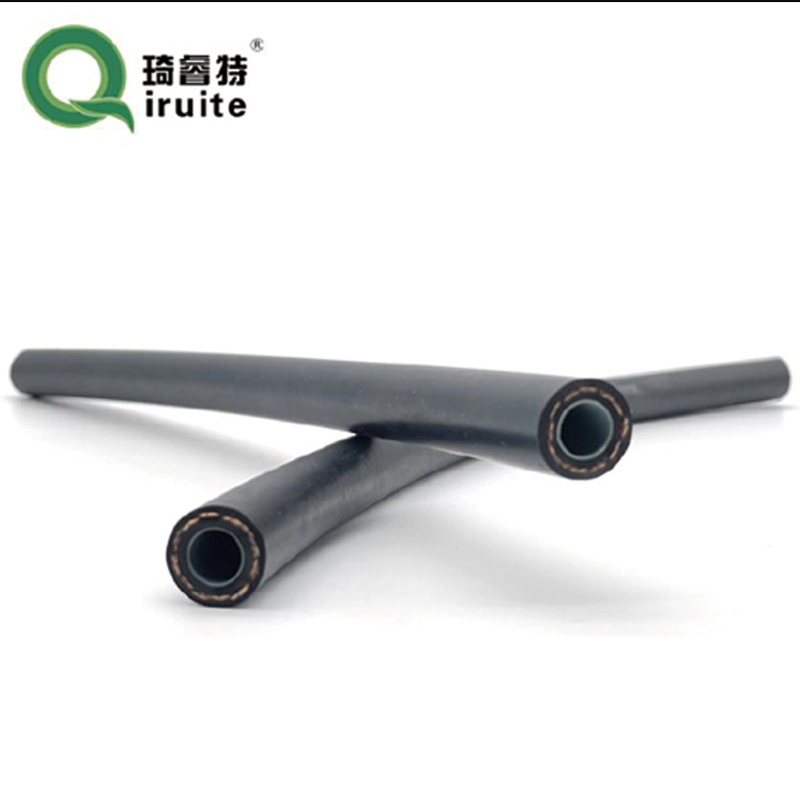
Figure 3: sae j2064 type c hose integrated into a modern automotive AC system.
Real-World Application Case Studies
The practical benefits of SAE J2064 type C hoses are best demonstrated through their successful deployment in challenging environments.
Case Study 1: Heavy-Duty Mining Equipment Climate Control
- Challenge: A leading manufacturer of surface mining excavators faced frequent AC system failures due to hose abrasion, extreme dust, and wide temperature swings in remote mining sites (e.g., -20°C to +45°C). The initial hoses, while compliant with a basic SAE J2064 hose standard, exhibited high permeation rates and premature wear.
- Solution: The manufacturer switched to a custom-designed SAE J2064 type C hose with an enhanced abrasion-resistant EPDM outer cover and optimized inner barrier for R-134a. These hoses were pre-assembled with crimped fittings designed for severe vibration.
- Result: After 24 months of operation, there was a 60% reduction in AC system maintenance calls related to hose failures. Refrigerant recharge frequency decreased by 40%, directly contributing to lower operational costs and significantly improved operator comfort and safety. The average service life of the hoses increased by over 150%.
Case Study 2: Electric Bus HVAC System Integration
- Challenge: An OEM developing a new fleet of electric city buses required HVAC hoses compatible with R-1234yf, capable of handling higher system pressures and enduring continuous vibration from the electric drivetrain, while also meeting stringent weight and bend radius constraints for compact routing.
- Solution: A specialized SAE J2064 type C hose with a reduced wall thickness polyamide barrier and a lightweight, high-strength textile reinforcement was developed. The smaller bend radius allowed for tighter routing within the battery compartment and roof-mounted HVAC unit.
- Result: The tailored Type C hoses passed all impulse, burst, and permeation tests for R-1234yf with margins exceeding the SAE J2064 requirements. The lighter weight contributed to marginal gains in vehicle range, and the low permeation ensured environmental compliance and minimal refrigerant loss throughout the operational life of the buses.
-
Custom Power Steering Hose Kit Guide for Vehicle PerformanceNewsApr.16,2026
-
Guide to High Performance Custom Made Power Steering HosesNewsApr.09,2026
-
Comprehensive Guide to Custom High Pressure Power Steering Hose SolutionsNewsApr.07,2026
-
Comprehensive Guide to CRV Power Steering Hose Maintenance and ReplacementNewsApr.04,2026
-
Comprehensive Guide to CPP Power Steering Hoses for Optimal Vehicle PerformanceNewsMar.31,2026
-
Understanding the Cost to Repair Power Steering Hose and Associated FactorsNewsMar.28,2026
 Afrikaans
 Albanian
 Amharic
 Arabic
 Armenian
 Azerbaijani
 Basque
 Belarusian
 Bengali
 Bosnian
 Bulgarian
 Catalan
 Cebuano
 Corsican
 Croatian
 Czech
Czech
 Danish
 Dutch
Dutch
 Esperanto
 Estonian
 Finnish
 French
 Frisian
 Galician
 Georgian
 German
 Greek
Greek
 Gujarati
 Haitian Creole
 Hausa
Hausa
 Hawaiian
 Hebrew
 Hindi
Hindi
 Miao
Miao
 Hungarian
 Icelandic
 Igbo
Igbo
 Indonesian
 Irish
Irish
 Italian
 Japanese
 Javanese
 Kannada
 Kazakh
 Khmer
Khmer
 Rwandese
 Korean
 Kurdish
 Kyrgyz
 Lao
Lao
 Latin
Latin
 Latvian
 Lithuanian
 Luxembourgish
 Macedonian
 Malgashi
 Malay
Malay
 Malayalam
 Maltese
 Maori
Maori
 Marathi
 Mongolian
 Myanmar
 Nepali
 Norwegian
 Norwegian
 Occitan
 Pashto
 Persian
 Polish
 Portuguese
 Punjabi
 Romanian
 Russian
 Samoan
 Scottish Gaelic
 Serbian
 Sesotho
 Shona
Shona
 Sindhi
 Sinhala
 Slovak
 Slovenian
 Somali
 Spanish
 Sundanese
 Swahili
 Swedish
 Tagalog
 Tajik
Tajik
 Tamil
Tamil
 Tatar
Tatar
 Telugu
 Thai
Thai
 Turkish
 Turkmen
 Ukrainian
 Urdu
Urdu
 Uighur
 Uzbek
Uzbek
 Vietnamese
 Welsh
Welsh
 Bantu
Bantu
 Yiddish
 Yoruba
 Zulu
Zulu
 English