
High-Performance brake line Solutions for Chile's Industrial Sector

Providing precision-engineered rubber hoses and coupling systems designed to withstand the extreme terrains and climatic demands of the South American market.

High-Performance brake line Solutions for Chile's Industrial Sector

Our comprehensive range of rubber products ensures maximum safety and efficiency for automotive, mining, and agricultural applications across Chile, focusing on durability and high-pressure resistance.

Current State of Rubber Hose Manufacturing in Chile

Analyzing the impact of geography and industry on rubber product demands in South America.

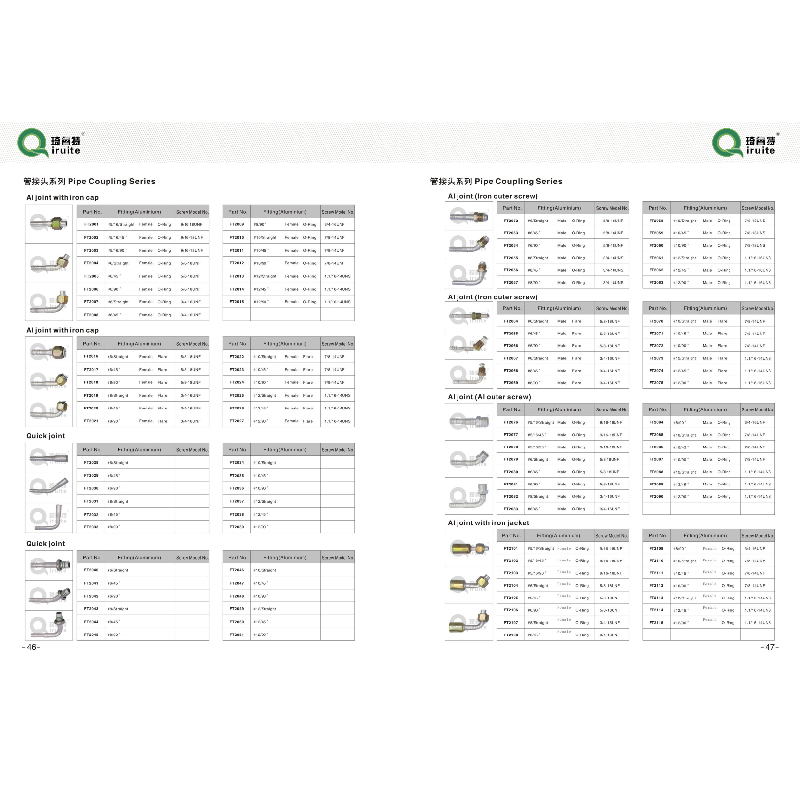
Chile's unique geography, stretching from the arid Atacama Desert to the glacial south, creates a challenging environment for rubber components. The extreme temperature fluctuations require materials that resist both thermal cracking and UV degradation, making high-quality pipe couplings and clamps essential for maintaining system integrity in mining and forestry equipment.

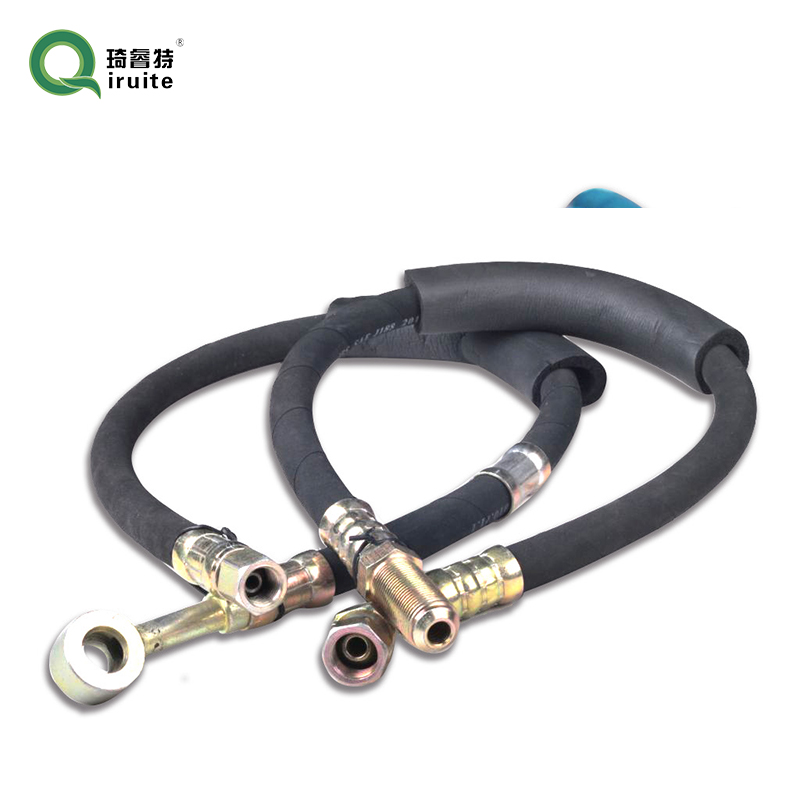
The dominant copper mining industry in the northern regions drives a massive demand for heavy-duty hydraulic and steering systems. Local operators frequently seek a detailed power steering hose diagram to ensure precise replacement and maintenance of fleet vehicles operating in high-dust environments where abrasion is a constant threat.

Furthermore, the agricultural sector in the Central Valley is increasingly adopting automated irrigation. This transition has sparked a demand for protective solutions such as a hose guard for garden and industrial scale protectors to prevent mechanical damage to fluid transport lines.
Technical Evolution and Development Trajectory

From basic rubber tubes to advanced synthetic polymer composites.

Market Development History

In the 1980s and 90s, the Chilean market relied heavily on basic vulcanized rubber hoses that lacked chemical resistance, leading to frequent failures in the mining sector's harsh chemical environments.

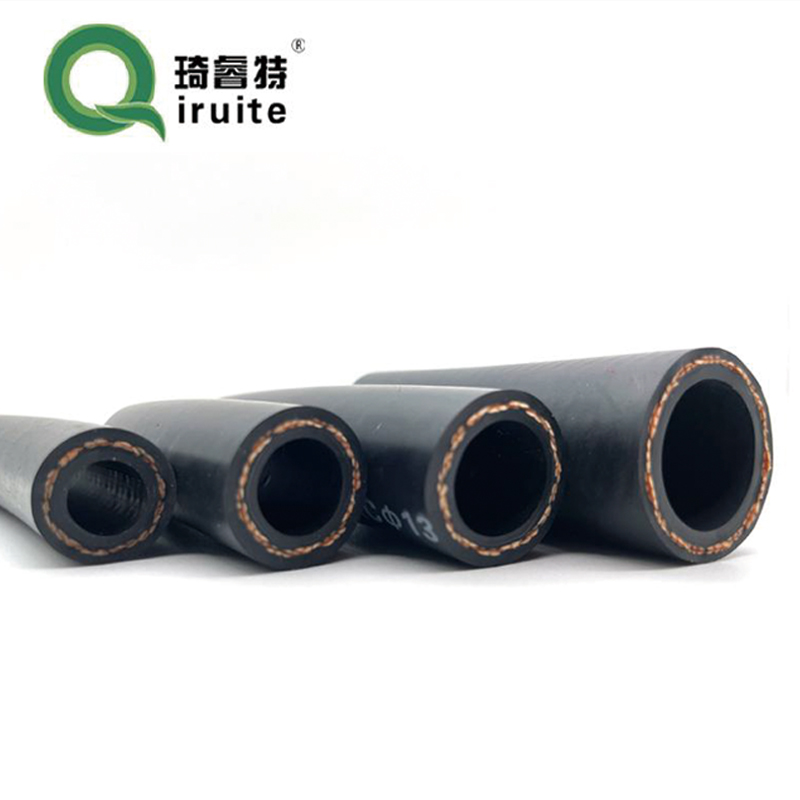
By the mid-2000s, the introduction of braided reinforcement technology allowed for the development of the modern hose a power steering system, significantly increasing burst pressure ratings and reducing leaks in heavy machinery.

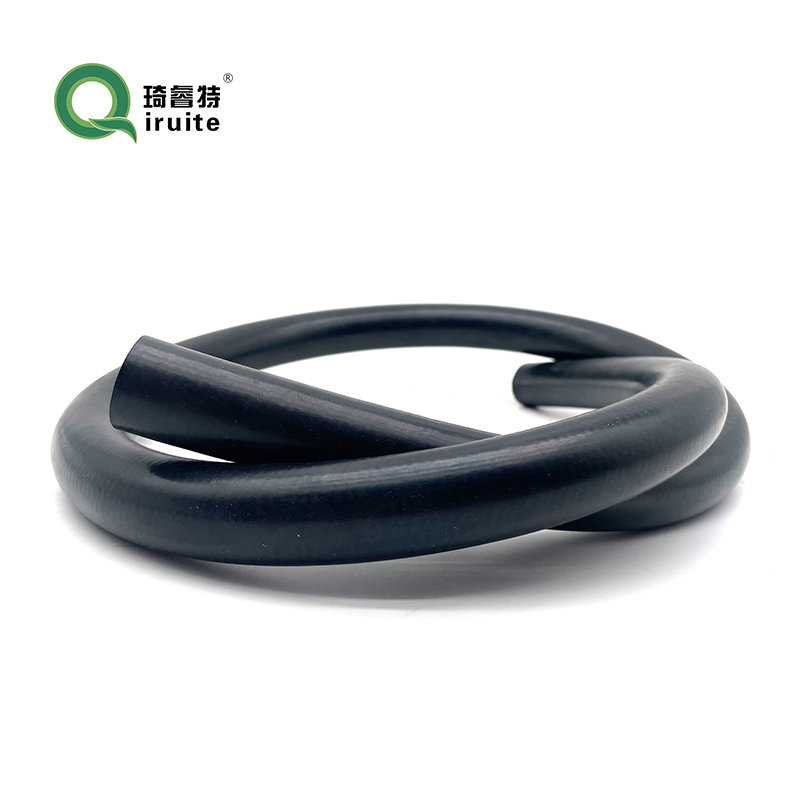
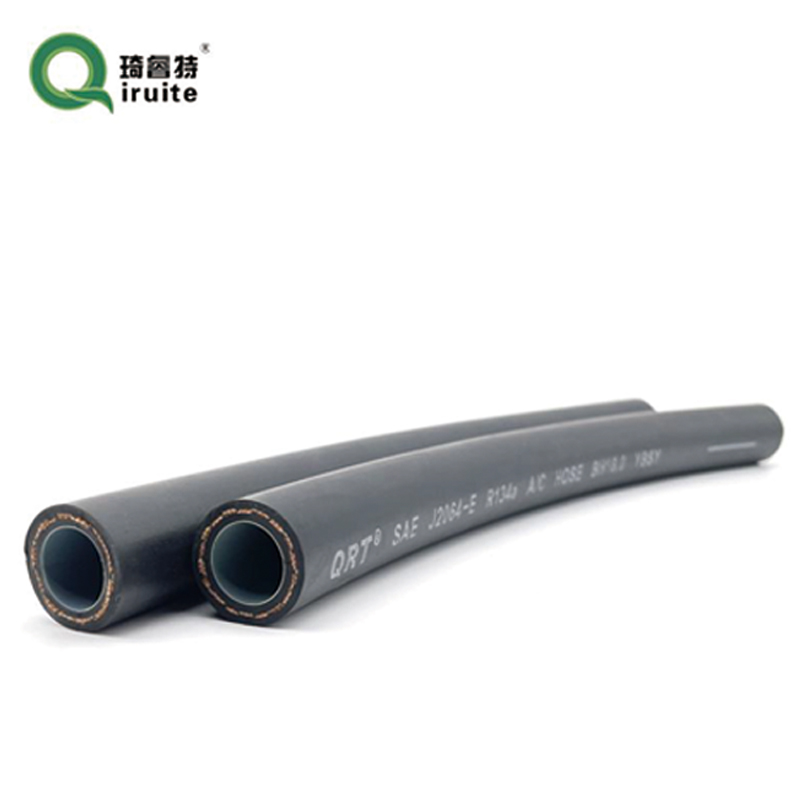
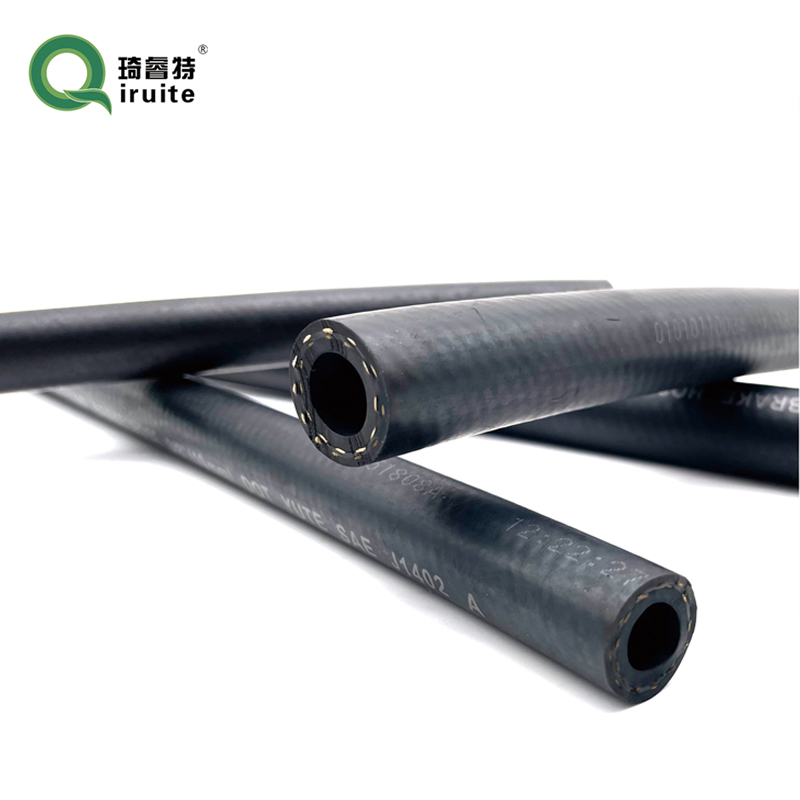
Since 2015, there has been a shift toward EPDM and Nitrile blends, providing superior resistance to ozone and oils, ensuring that components like the brake line can withstand the salty air of coastal ports like Valparaíso.

Future Development Trends

Smart Hose Monitoring

Integration of embedded sensors to monitor pressure drops and wear in real-time, reducing unplanned downtime in mining operations.

Bio-Based Polymers

A shift toward sustainable, biodegradable rubber compounds to meet Chile's strict environmental regulations regarding industrial waste.

Nano-Composite Reinforcement

Utilization of carbon nanotubes to create thinner yet stronger walls for high-pressure fluid transmission.

Industry Trends and Future Outlook

Predicting the next 3-5 years of rubber manufacturing technology in the region.

Extreme Weather Adaptation
Developing compounds that remain flexible at -20°C in the Andes and stable at 50°C in the Atacama.
Precision Fitting Systems
Advancements in leak-proof couplings to minimize fluid loss in high-pressure hydraulic systems.
Sustainability Integration
Implementing circular economy principles through recyclable thermoplastic elastomer (TPE) options.
Digitalized Specification
Use of 3D modeling and augmented reality to ensure 100% accuracy in hose routing and installation.

Industry Outlook

Based on Google search trends in the South American region, there is a growing interest in "industrial maintenance efficiency." This indicates that the market is shifting from reactive replacement to predictive maintenance, increasing the demand for high-durability components that offer longer service lives.

We expect a significant increase in the adoption of hybrid rubber-metal composite hoses, which offer the flexibility of rubber with the extreme pressure resistance of steel, specifically for Chile's deep-pit mining operations.

Localized Application Scenarios in Chile

Real-world implementations of our rubber products across diverse Chilean sectors.

1. Atacama Mining Heavy Equipment

Using reinforced steering systems and a precise power steering hose diagram for the maintenance of giant haul trucks in salt-rich soil environments.

2. Central Valley Viticulture

Implementing drip irrigation networks protected by an industrial-grade hose guard for garden to prevent rodent damage and UV degradation.

3. Santiago Urban Transit Fleets

Upgrading city bus braking systems with high-temperature resistant brake line components to handle stop-and-go traffic heat.

4. Southern Forestry Machinery

Installing heavy-duty pipe couplings and clamps for hydraulic fluid transport in lumber harvesters operating in rainy, muddy conditions.

5. Valparaíso Port Logistics

Deploying specialized hose a power steering assemblies for reach stackers that require high corrosion resistance against sea spray.

Brand Story

Global Development History of Hebei Qiruite Rubber and Plastic Products Co., Ltd.

Foundation and Precision Focus

Founded with a mission to solve the common failure of rubber seals in high-pressure environments, focusing on the core technology of vulcanization.

Technical Breakthroughs

Developed advanced synthetic rubber blends that increased the lifespan of industrial hoses by 40% compared to traditional materials.

Global Market Expansion

Expanded operations to South America, establishing a robust supply chain to support the Chilean mining and agricultural sectors.

Quality Certification Era

Achieved ISO and international safety certifications, ensuring every product meets the strictest global standards for automotive and industrial use.

Future Sustainable Vision

Investing in green chemistry to create the next generation of eco-friendly, high-performance rubber products for a sustainable planet.

Complete Rubber Solution Portfolio for Chile

A one-stop shop for all your industrial hose, clamp, and coupling needs in South America.

Common Questions for the Chilean Market

Expert answers to technical queries regarding rubber product installation and durability.

How do I interpret a power steering hose diagram for a heavy-duty truck?

A power steering hose diagram typically identifies the pressure line and return line. Ensure you match the inner diameter and reinforcement grade to the specific pump output of your vehicle to avoid bursts.

What is the best material for a brake line in coastal regions like Valparaíso?

For coastal areas, we recommend EPDM-based lines with an additional anti-corrosive outer coating to prevent degradation from salt spray and high humidity.

Can a hose guard for garden be used for industrial water lines?

While basic garden guards are for light use, our industrial-grade guards are designed for high-pressure water lines in agriculture, providing critical protection against mechanical abrasion.

Which pipe couplings and clamps are most effective for mining vibrations?

Heavy-duty T-bolt clamps and reinforced steel couplings are recommended as they maintain tension during the extreme vibrations common in mining excavators.

How often should I replace a hose a power steering in high-dust environments?

In dusty environments like the Atacama, we recommend a visual inspection every 6 months and replacement every 2-3 years to prevent fatigue failure caused by exterior abrasion.

Are your rubber products compliant with Chilean environmental laws?

Yes, all our materials are tested for REACH and RoHS compliance, ensuring they meet the environmental safety standards required for industrial use in Chile.

Get Expert Consultation for Your Project

Contact our technical team today to optimize your industrial rubber systems in Chile.

Contact Us Now

If you are interested in our products, you can choose to leave your information here, and we will be in touch with you shortly.