The threat of hvac frozen pipe during cold weather is a significant concern for homeowners and businesses alike, leading to costly repairs and potential disruptions. Understanding the causes, prevention methods, and appropriate responses to a frozen pipe situation is crucial for minimizing damage and ensuring the continued functionality of essential plumbing systems. This knowledge empowers individuals to proactively protect their properties and mitigate the financial and emotional burdens associated with frozen pipe incidents.
Across the globe, freezing temperatures pose a recurring challenge to infrastructure, particularly in regions experiencing harsh winters. According to the Insurance Information Institute, frozen pipes are among the most common causes of homeowner's insurance claims during cold snaps, resulting in billions of dollars in damages annually. The economic impact extends beyond individual households, affecting businesses, municipalities, and the overall stability of water supply networks.
Effectively addressing hvac frozen pipe requires a multifaceted approach, encompassing preventative measures, rapid detection of freezing, and safe thawing procedures. From insulating exposed pipes to maintaining adequate heating during cold weather, understanding these essential strategies can drastically reduce the risk of costly and disruptive incidents. This guide aims to provide a comprehensive overview of the topic, equipping readers with the knowledge necessary to navigate this common, yet potentially devastating, problem.
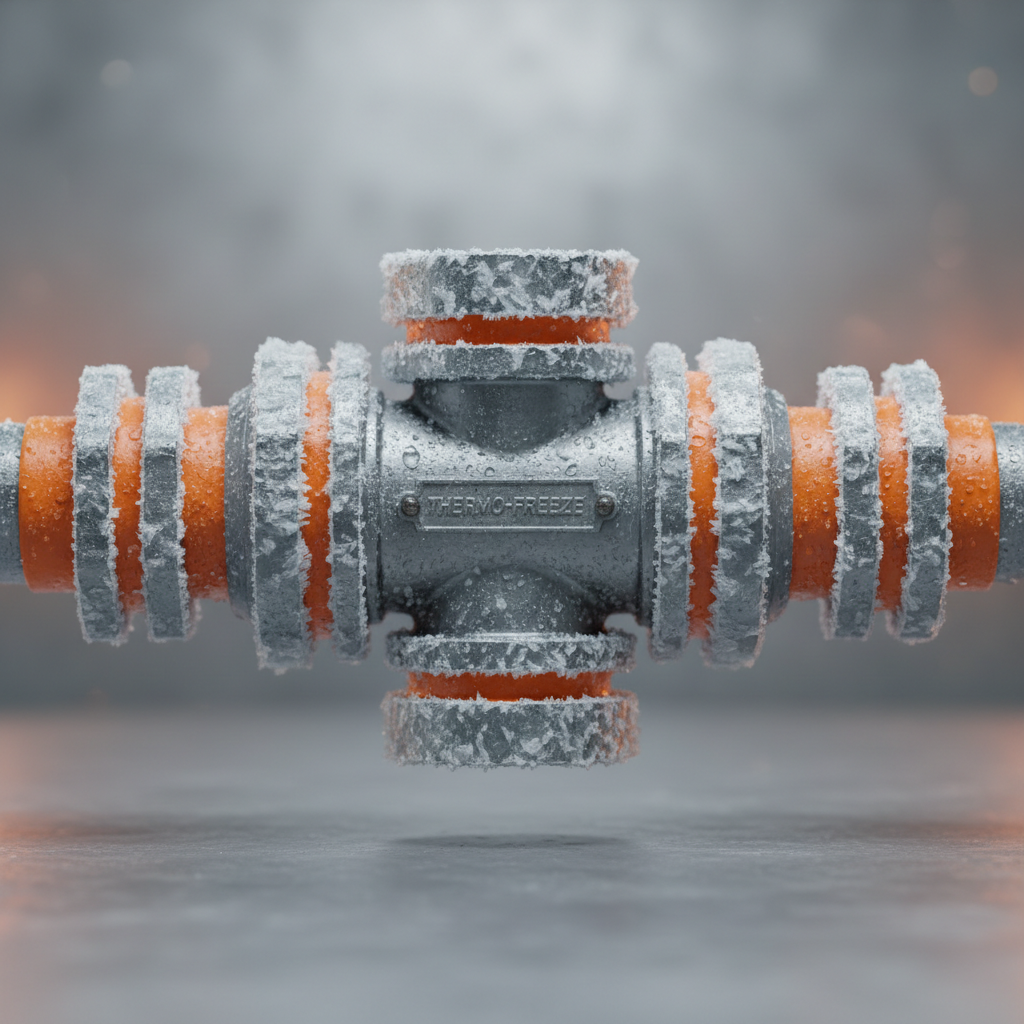
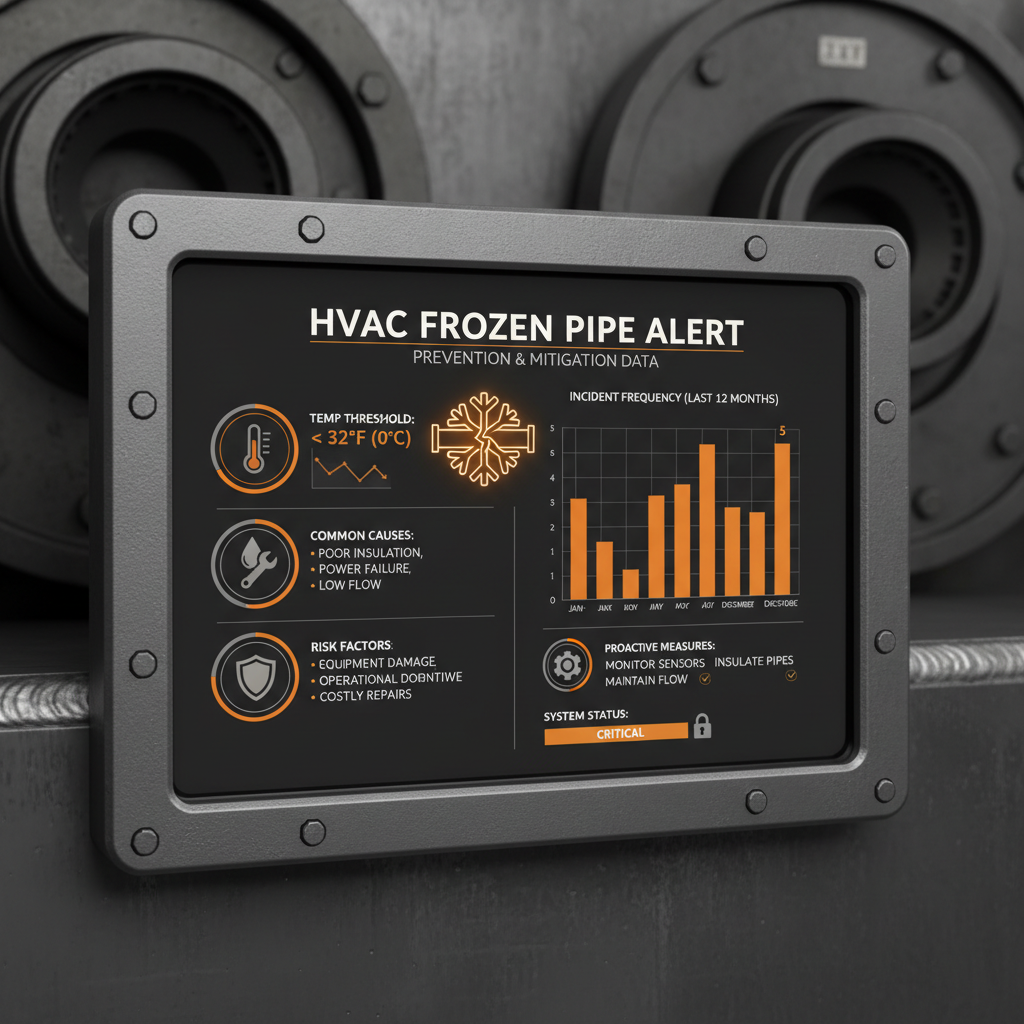
The process of hvac frozen pipe occurs when water inside a pipe freezes and expands. As water transforms into ice, its volume increases by approximately 9%. This expansion exerts tremendous pressure on the pipe walls, potentially leading to cracks, bursts, and significant water damage. The physics behind this phenomenon are straightforward – water’s density changes with temperature, and its expansion when freezing is a fundamental property.
Several factors influence the likelihood of a pipe freezing, including the ambient temperature, the pipe's exposure to cold air, and the flow rate of water within the pipe. Pipes located in unheated areas like crawl spaces, attics, or exterior walls are particularly vulnerable. Slow-moving or stagnant water is more susceptible to freezing than water that is constantly flowing. Therefore, understanding these scientific principles is essential for implementing effective prevention strategies.
The most effective prevention strategy is a combination of measures. This includes insulating exposed pipes, especially those in unheated areas, allowing faucets to drip slightly during extremely cold weather, and ensuring adequate heating within your home. Smart sensors and automated shut-off valves offer an additional layer of protection, providing early detection and rapid response to freezing conditions. Prioritizing these steps can significantly reduce the risk of costly damage caused by hvac frozen pipe.
If you suspect your pipes are frozen, immediately shut off the water supply to prevent further damage should a pipe burst. Carefully inspect the exposed pipes for signs of freezing, such as frost or bulging. Attempt to thaw the pipes slowly using a hairdryer or warm towels, starting from the faucet and working towards the frozen area. Never use open flames or torches, as these can create a fire hazard. If you’re unable to thaw the pipes yourself, contact a qualified plumber.
Yes, you can use heat tape on plastic pipes, but it's crucial to use heat tape specifically designed for plastic pipes. Traditional heat tape can overheat and damage plastic. Always follow the manufacturer's instructions carefully and ensure the heat tape is properly grounded. Regularly inspect the heat tape for any signs of damage or wear and tear. Using the incorrect type of heat tape can create a serious safety hazard and void any warranties.
The cost of repairing a burst hvac frozen pipe can vary significantly depending on the extent of the damage. A simple repair to a small leak may cost a few hundred dollars, while extensive damage requiring wall or floor reconstruction can easily exceed several thousand dollars. Additionally, you may need to cover the cost of water damage restoration, including drying, mold remediation, and replacing damaged belongings. Preventative measures are always more cost-effective than dealing with the aftermath of a burst pipe.
Pipes in unheated areas like crawl spaces are particularly vulnerable to freezing. Insulate these pipes with pipe sleeves or wrap them with heat tape specifically designed for this purpose. Consider sealing any cracks or openings in the crawl space foundation to prevent cold air from entering. Regularly inspect the area for drafts and ensure adequate ventilation. If possible, maintain a minimum temperature in the crawl space during extreme cold weather.
Yes, it is absolutely necessary to winterize your vacation home's plumbing system if it will be unoccupied during freezing temperatures. This involves draining all water from the pipes, water heater, and appliances. You should also add plumbing antifreeze to drains and toilet tanks to prevent freezing. Shut off the main water supply and consider opening cabinet doors to allow warm air to circulate around the pipes. Failing to winterize your plumbing can result in catastrophic damage.
Understanding the science behind hvac frozen pipe, implementing preventative measures, and knowing how to respond to a freezing event are vital for safeguarding properties and minimizing disruption. From simple insulation techniques to advanced smart home technologies, a range of solutions exists to mitigate this common, yet potentially devastating, problem. Prioritizing proactive maintenance and preparedness is an investment in peace of mind and financial security.
As climate patterns continue to evolve, the risk of frozen pipes may increase in certain regions. Embracing innovative mitigation strategies, promoting community awareness, and fostering collaborative efforts between homeowners, businesses, and local authorities will be crucial for building resilience and protecting infrastructure in the face of future challenges. For more information and resources, visit our website: www.hoseqrt.com.

 Afrikaans
 Albanian
 Amharic
 Arabic
 Armenian
 Azerbaijani
 Basque
 Belarusian
 Bengali
 Bosnian
 Bulgarian
 Catalan
 Cebuano
 Corsican
 Croatian
 Czech
Czech
 Danish
 Dutch
Dutch
 Esperanto
 Estonian
 Finnish
 French
 Frisian
 Galician
 Georgian
 German
 Greek
Greek
 Gujarati
 Haitian Creole
 Hausa
Hausa
 Hawaiian
 Hebrew
 Hindi
Hindi
 Miao
Miao
 Hungarian
 Icelandic
 Igbo
Igbo
 Indonesian
 Irish
Irish
 Italian
 Japanese
 Javanese
 Kannada
 Kazakh
 Khmer
Khmer
 Rwandese
 Korean
 Kurdish
 Kyrgyz
 Lao
Lao
 Latin
Latin
 Latvian
 Lithuanian
 Luxembourgish
 Macedonian
 Malgashi
 Malay
Malay
 Malayalam
 Maltese
 Maori
Maori
 Marathi
 Mongolian
 Myanmar
 Nepali
 Norwegian
 Norwegian
 Occitan
 Pashto
 Persian
 Polish
 Portuguese
 Punjabi
 Romanian
 Russian
 Samoan
 Scottish Gaelic
 Serbian
 Sesotho
 Shona
Shona
 Sindhi
 Sinhala
 Slovak
 Slovenian
 Somali
 Spanish
 Sundanese
 Swahili
 Swedish
 Tagalog
 Tajik
Tajik
 Tamil
Tamil
 Tatar
Tatar
 Telugu
 Thai
Thai
 Turkish
 Turkmen
 Ukrainian
 Urdu
Urdu
 Uighur
 Uzbek
Uzbek
 Vietnamese
 Welsh
Welsh
 Bantu
Bantu
 Yiddish
 Yoruba
 Zulu
Zulu
 English