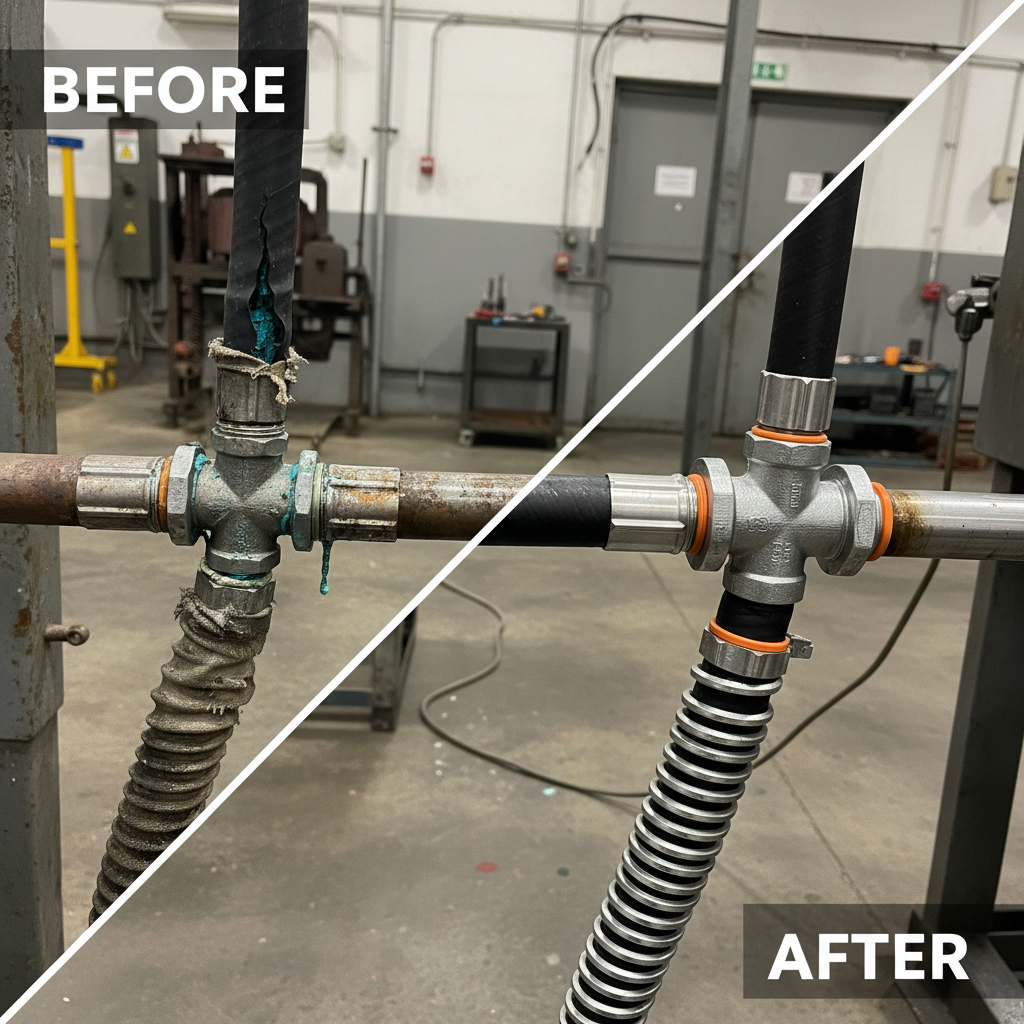
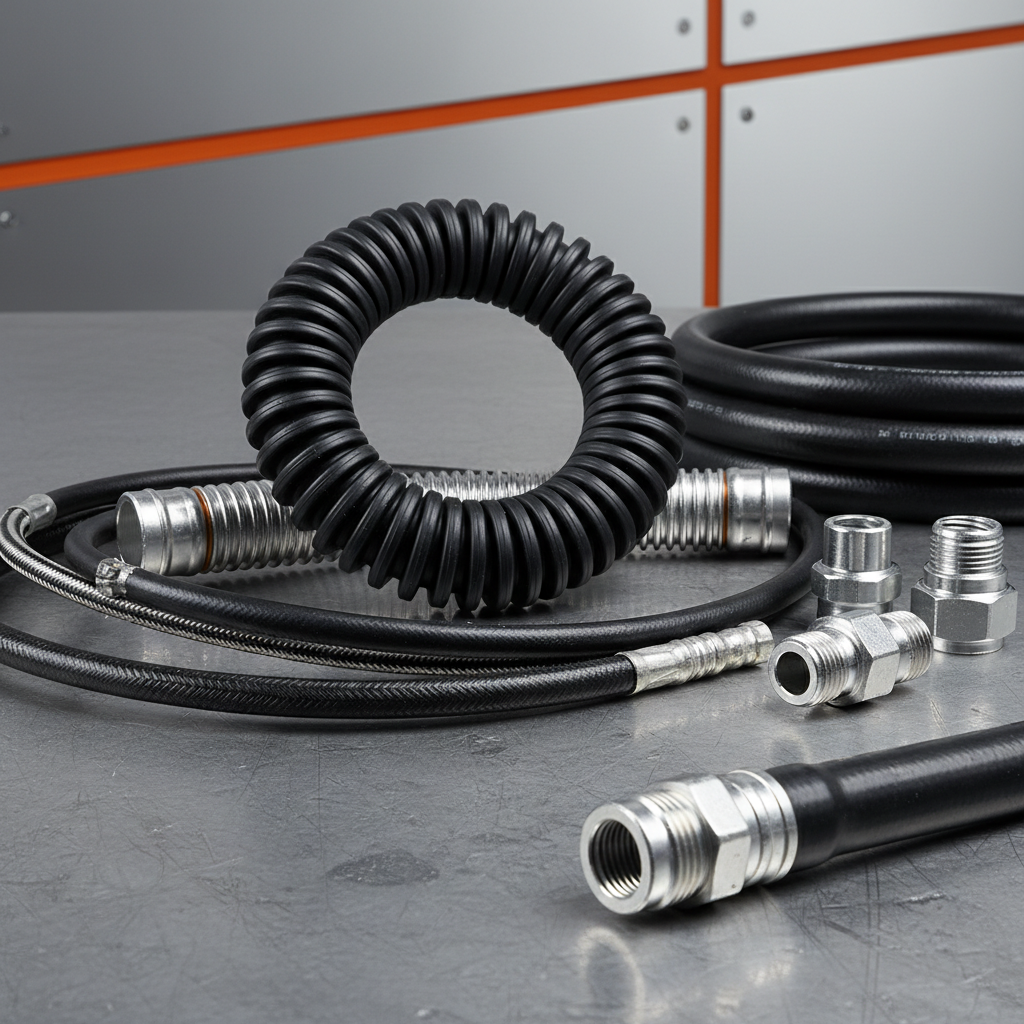
Automotive air conditioning hose fittings are critical components within a vehicle’s climate control system, ensuring the efficient transfer of refrigerant between the compressor, condenser, evaporator, and expansion valve. These fittings aren’t merely connectors; they’re engineered to withstand extreme pressures, temperatures, and the corrosive effects of automotive fluids. Their reliability directly impacts the performance and longevity of the entire AC system, and consequently, driver and passenger comfort.
The global automotive industry's continued growth, coupled with increasingly stringent fuel efficiency and emission standards, necessitates advanced and reliable automotive air conditioning hose fittings. Demand is driven not only by new vehicle production but also by the robust aftermarket for replacement parts and AC system servicing. The Asia-Pacific region currently dominates both production and consumption due to its large automotive manufacturing base, particularly in countries like China and India.
Understanding the nuances of automotive air conditioning hose fittings – from material science and manufacturing processes to proper installation and maintenance – is paramount for automotive engineers, technicians, and parts suppliers. Failing to grasp these details can lead to system failures, costly repairs, and potential safety hazards. Therefore, a comprehensive knowledge of these components is essential for maintaining the efficiency and dependability of modern vehicles.
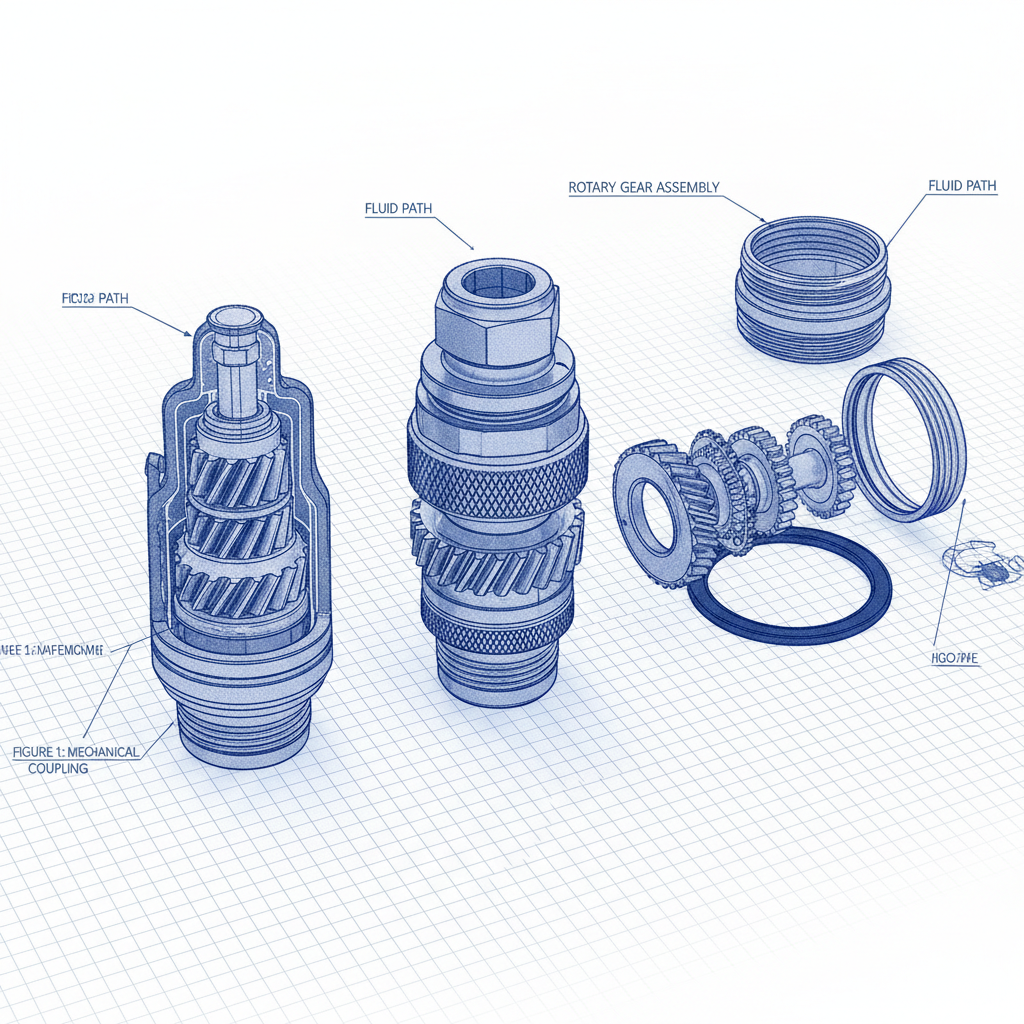
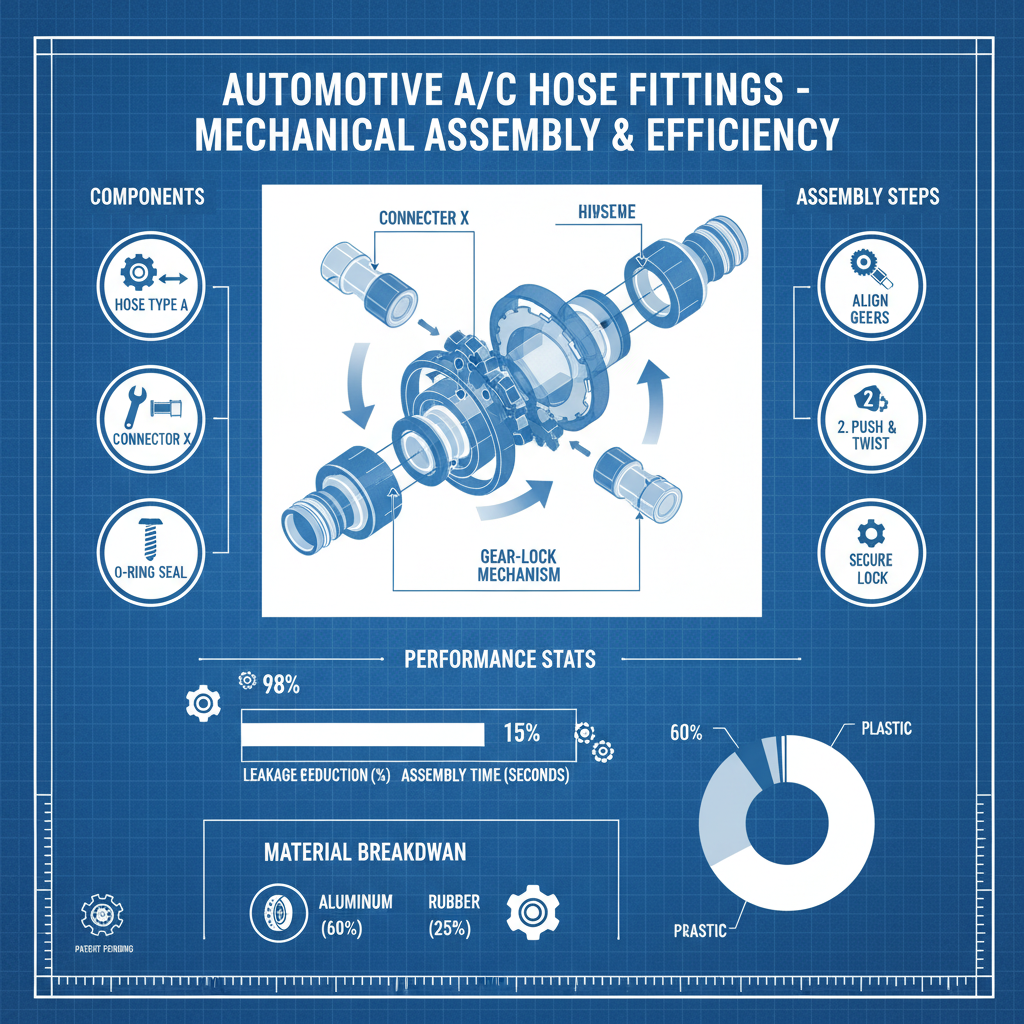
Automotive air conditioning hose fittings play an unsung but critical role in maintaining comfort and safety within vehicles. They are the crucial connection points in the refrigerant circuit, often subjected to extreme conditions. The demand for high-quality, reliable automotive air conditioning hose fittings is continually increasing as vehicle complexity grows and environmental regulations become stricter.
These fittings aren’t just about preventing leaks; they’re also about ensuring the proper flow of refrigerant, maximizing system efficiency, and minimizing environmental impact. Proper selection and installation of these components are vital to the long-term health of an automotive AC system, and directly impact driver and passenger well-being.
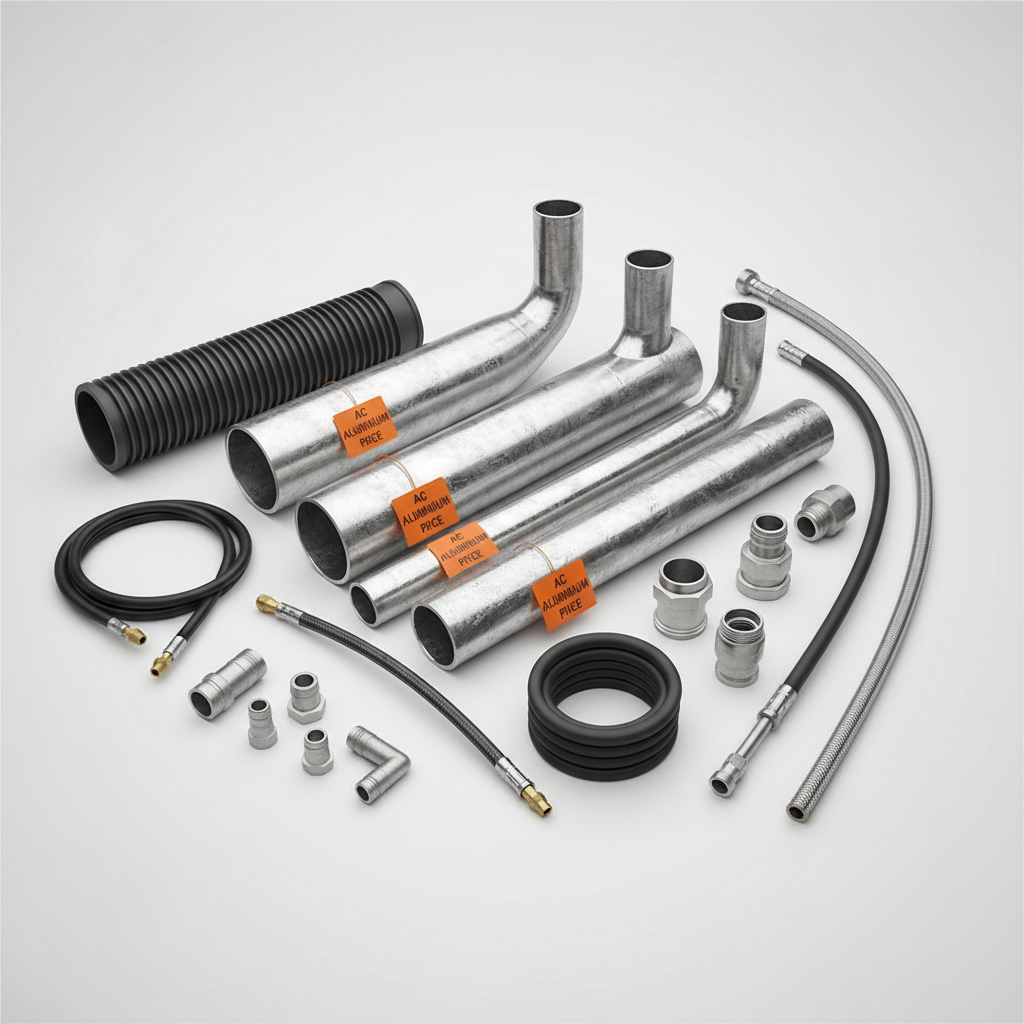
Automotive air conditioning hose fittings are commonly made from brass, aluminum alloys, stainless steel, and various polymers. Brass offers good corrosion resistance and machinability, while aluminum alloys provide a lightweight alternative. Stainless steel is used in applications requiring high strength and durability. Polymers, such as nitrile rubber and fluorocarbon elastomers, are essential for O-rings and seals, providing a leak-proof barrier. The choice of material depends on the specific application, refrigerant compatibility, and desired performance characteristics.
Identifying the correct fitting involves checking your vehicle's service manual or parts catalog for specific specifications, including thread size, type (O-ring, flare, quick-connect), and refrigerant compatibility. You can also compare the old fitting to a new one to ensure a perfect match. Using the wrong fitting can lead to leaks and system damage, so accuracy is crucial. Online parts databases and automotive experts can also assist in the identification process.
O-ring fittings utilize a rubber O-ring to create a seal between the fitting and the hose or component. They are generally easier to assemble and disassemble but may be more prone to leaks if the O-ring is damaged or improperly installed. Flare fittings use a flared end on the hose that is compressed against the fitting, creating a metal-to-metal seal. They are more durable and less prone to leaks but require specialized flaring tools for installation.
Preventing leaks starts with using high-quality fittings and properly preparing the hose ends. Ensure the O-rings are clean and lubricated with refrigerant oil before assembly. Tighten fittings to the manufacturer's recommended torque specifications. Regularly inspect fittings for signs of corrosion or damage. Promptly replace any damaged or leaking fittings to maintain system efficiency and prevent refrigerant loss.
Yes, specialized tools are often required. For flare fittings, a flaring tool is essential for creating the flared end on the hose. Torque wrenches are crucial for tightening fittings to the correct specifications. O-ring pick sets are helpful for removing and installing O-rings. Additionally, refrigerant recovery and charging equipment are necessary for servicing the AC system after fitting replacement.
Using incorrect refrigerant can have a significant impact. Different refrigerants require different fitting materials and seal compatibility. Using an incompatible refrigerant can cause the O-rings to swell, shrink, or degrade, leading to leaks. It can also damage the compressor and other components. Always ensure the fittings and seals are compatible with the refrigerant used in your vehicle’s AC system.
Automotive air conditioning hose fittings are integral, yet often overlooked, components of modern vehicles. Their design, material composition, and performance characteristics directly influence the efficiency, reliability, and environmental impact of the AC system. From enduring high pressures and temperatures to ensuring compatibility with evolving refrigerants, these fittings represent a crucial intersection of engineering precision and automotive innovation. Understanding their role is vital for automotive professionals and enthusiasts alike.
Looking ahead, the ongoing transition to electric vehicles and the increasing focus on sustainability will continue to drive innovation in this field. Further advancements in materials science, manufacturing processes, and smart technologies will lead to more durable, efficient, and environmentally friendly automotive air conditioning hose fittings. For more information about high-quality automotive air conditioning hose fittings, visit our website: automotive air conditioning hose fittings.

 Afrikaans
 Albanian
 Amharic
 Arabic
 Armenian
 Azerbaijani
 Basque
 Belarusian
 Bengali
 Bosnian
 Bulgarian
 Catalan
 Cebuano
 Corsican
 Croatian
 Czech
Czech
 Danish
 Dutch
Dutch
 Esperanto
 Estonian
 Finnish
 French
 Frisian
 Galician
 Georgian
 German
 Greek
Greek
 Gujarati
 Haitian Creole
 Hausa
Hausa
 Hawaiian
 Hebrew
 Hindi
Hindi
 Miao
Miao
 Hungarian
 Icelandic
 Igbo
Igbo
 Indonesian
 Irish
Irish
 Italian
 Japanese
 Javanese
 Kannada
 Kazakh
 Khmer
Khmer
 Rwandese
 Korean
 Kurdish
 Kyrgyz
 Lao
Lao
 Latin
Latin
 Latvian
 Lithuanian
 Luxembourgish
 Macedonian
 Malgashi
 Malay
Malay
 Malayalam
 Maltese
 Maori
Maori
 Marathi
 Mongolian
 Myanmar
 Nepali
 Norwegian
 Norwegian
 Occitan
 Pashto
 Persian
 Polish
 Portuguese
 Punjabi
 Romanian
 Russian
 Samoan
 Scottish Gaelic
 Serbian
 Sesotho
 Shona
Shona
 Sindhi
 Sinhala
 Slovak
 Slovenian
 Somali
 Spanish
 Sundanese
 Swahili
 Swedish
 Tagalog
 Tajik
Tajik
 Tamil
Tamil
 Tatar
Tatar
 Telugu
 Thai
Thai
 Turkish
 Turkmen
 Ukrainian
 Urdu
Urdu
 Uighur
 Uzbek
Uzbek
 Vietnamese
 Welsh
Welsh
 Bantu
Bantu
 Yiddish
 Yoruba
 Zulu
Zulu
 English