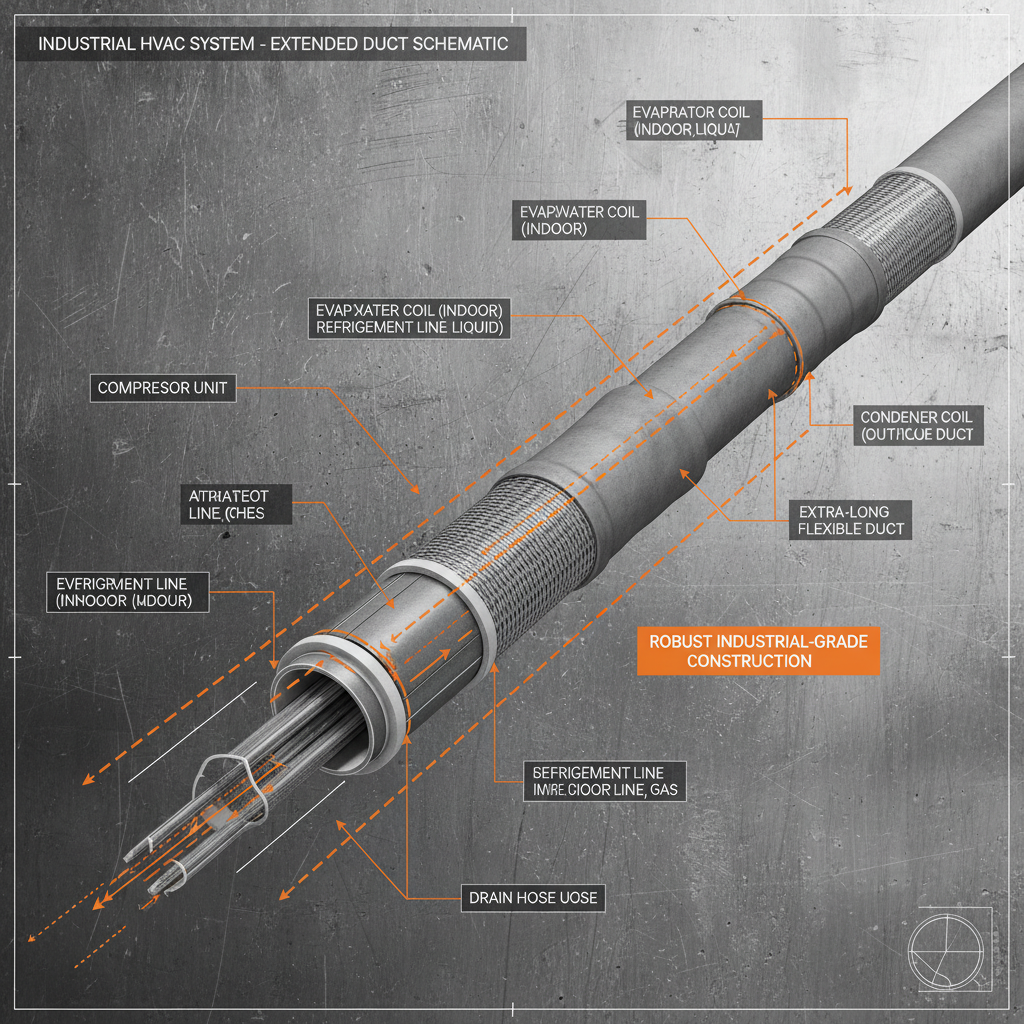
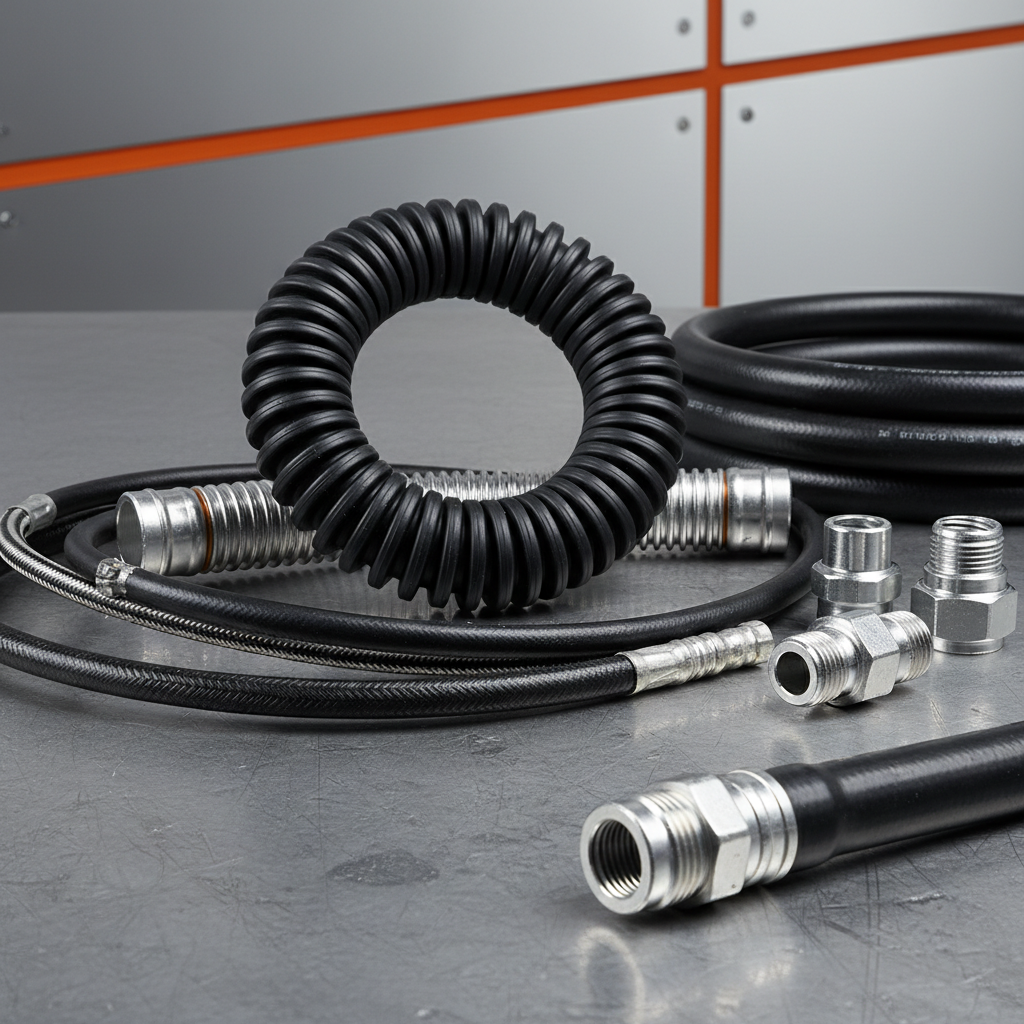
The global demand for effective climate control solutions is continuously rising, driven by increasing temperatures and urbanization. Within this context, the humble yet crucial long air conditioner hose plays a vital role. These hoses aren't merely attachments; they are integral components enabling efficient exhaust and intake of air for portable air conditioners, ensuring optimal performance and user comfort. Understanding their specifications, applications, and evolving technologies is paramount for professionals and consumers alike.
The increasing prevalence of portable air conditioning units, coupled with a growing need for flexible cooling solutions in diverse environments—from residential spaces to industrial settings—has fueled demand for reliable and high-performing long air conditioner hose options. Addressing challenges related to hose length, durability, and compatibility is critical for maximizing the efficiency and longevity of these cooling systems.
A well-chosen long air conditioner hose significantly impacts cooling performance, energy efficiency, and overall user experience. This article delves into the intricacies of these essential components, exploring their core features, global applications, future trends, and common challenges, ultimately providing a comprehensive understanding of their importance in modern climate control.
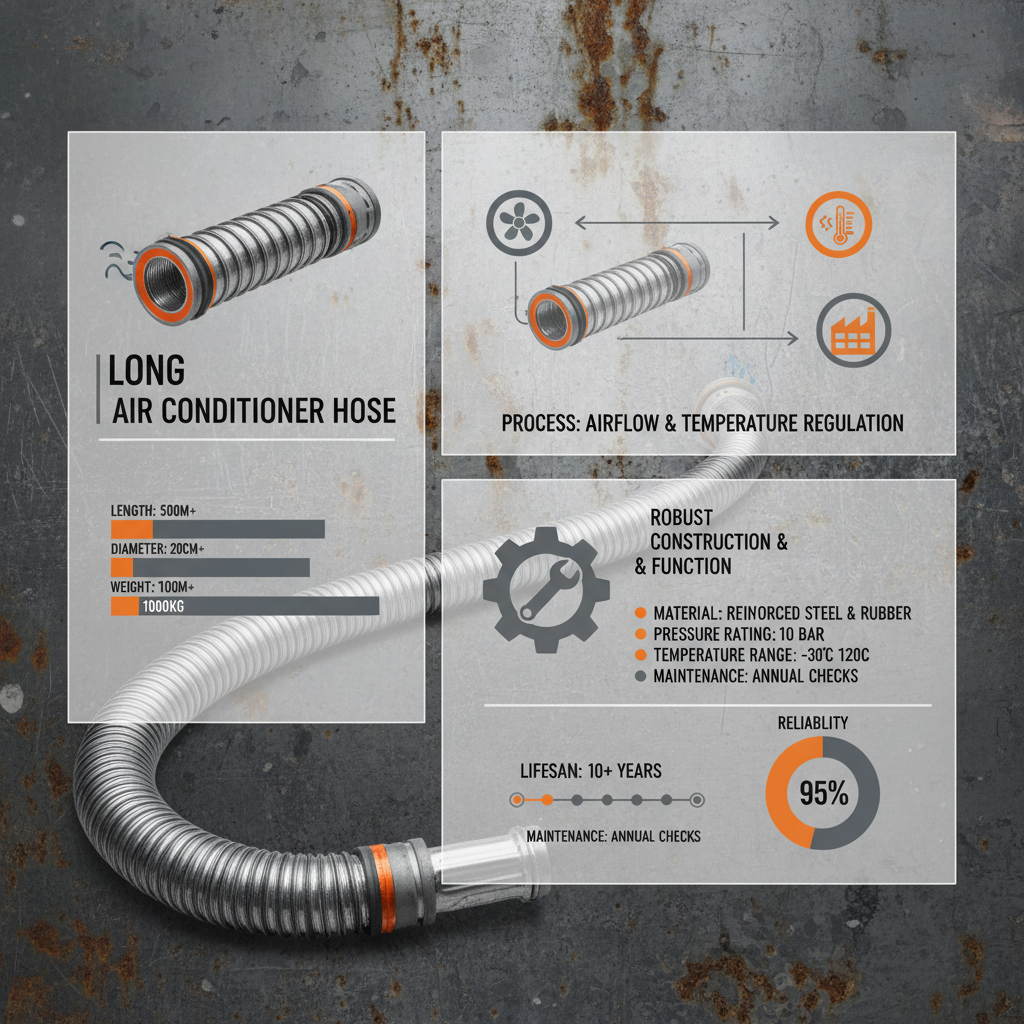
A long air conditioner hose is a flexible duct designed to connect the exhaust and intake components of a portable air conditioning unit to the outside environment. Its primary function is to expel hot air generated by the unit while simultaneously drawing in fresh air for cooling. Without an effective hose, a portable AC unit cannot operate correctly, negating its cooling benefits.
In modern industry, the need for adaptable cooling solutions has grown significantly, and long air conditioner hose contribute to this adaptability. They address situations where permanent installation of air conditioning is impractical or impossible, providing a convenient and efficient alternative in various applications, from temporary construction sites to emergency cooling deployments.
The optimal length depends on your specific setup. While longer hoses offer flexibility, exceeding the manufacturer's recommended length (typically around 6-8 feet) can significantly reduce cooling efficiency due to increased airflow resistance. Always prioritize using the shortest possible hose length that accommodates your needs. Ensure the hose isn’t stretched tightly or kinked, as this restricts airflow and can damage the hose.
Proper sealing is critical. Ensure the hose is securely connected to both the air conditioner unit and the window kit. Use the provided sealing materials (foam or plastic panels) to fill any gaps around the window kit, preventing hot air from entering. Consider using additional insulation tape or weather stripping to create a tighter seal if necessary. Inspect the hose for any punctures or damage that could cause leaks.
Long air conditioner hoses are commonly constructed from PVC (Polyvinyl Chloride) or polypropylene for the inner and outer layers. A spiral wire or textile mesh is often embedded between these layers for structural support and flexibility. Higher-quality hoses may incorporate additional insulation materials to minimize heat transfer. Some newer models are exploring the use of recycled plastics for a more sustainable approach.
Minor damage, such as small punctures, might be temporarily repaired with heavy-duty tape designed for HVAC applications. However, extensive damage, such as tears or cracks, typically necessitates hose replacement. Attempting a permanent repair on a severely damaged hose is often ineffective and can compromise cooling performance. It's always recommended to prioritize safety and efficiency by replacing a significantly damaged hose.
Regular cleaning can extend the lifespan of your hose. Periodically wipe down the exterior with a damp cloth to remove dust and debris. Avoid using harsh chemicals or abrasive cleaners. Inspect the hose for any signs of wear and tear, such as cracks or kinks. Store the hose properly during the off-season in a cool, dry place to prevent damage from extreme temperatures or moisture.
While some hoses are marketed as “universal,” it’s crucial to verify compatibility with your specific air conditioner model. Hose diameters and connector types can vary. Always check the manufacturer’s specifications or consult with a professional to ensure a proper fit. Using an incompatible hose can compromise cooling performance and potentially damage your AC unit.
In conclusion, the long air conditioner hose is a deceptively simple, yet critically important component of modern cooling systems. Its impact extends beyond basic functionality, encompassing energy efficiency, cost savings, and adaptability to diverse environments. Understanding its construction, performance metrics, and evolving technologies is essential for both consumers and professionals seeking optimal cooling solutions.
Looking ahead, continued innovation in materials science and design will drive further improvements in the sustainability and performance of long air conditioner hose. By embracing sustainable practices and prioritizing quality, we can ensure these essential components continue to play a vital role in meeting the growing global demand for effective and environmentally responsible cooling solutions. Visit our website to explore our range of high-quality hoses: www.hoseqrt.com

 Afrikaans
 Albanian
 Amharic
 Arabic
 Armenian
 Azerbaijani
 Basque
 Belarusian
 Bengali
 Bosnian
 Bulgarian
 Catalan
 Cebuano
 Corsican
 Croatian
 Czech
Czech
 Danish
 Dutch
Dutch
 Esperanto
 Estonian
 Finnish
 French
 Frisian
 Galician
 Georgian
 German
 Greek
Greek
 Gujarati
 Haitian Creole
 Hausa
Hausa
 Hawaiian
 Hebrew
 Hindi
Hindi
 Miao
Miao
 Hungarian
 Icelandic
 Igbo
Igbo
 Indonesian
 Irish
Irish
 Italian
 Japanese
 Javanese
 Kannada
 Kazakh
 Khmer
Khmer
 Rwandese
 Korean
 Kurdish
 Kyrgyz
 Lao
Lao
 Latin
Latin
 Latvian
 Lithuanian
 Luxembourgish
 Macedonian
 Malgashi
 Malay
Malay
 Malayalam
 Maltese
 Maori
Maori
 Marathi
 Mongolian
 Myanmar
 Nepali
 Norwegian
 Norwegian
 Occitan
 Pashto
 Persian
 Polish
 Portuguese
 Punjabi
 Romanian
 Russian
 Samoan
 Scottish Gaelic
 Serbian
 Sesotho
 Shona
Shona
 Sindhi
 Sinhala
 Slovak
 Slovenian
 Somali
 Spanish
 Sundanese
 Swahili
 Swedish
 Tagalog
 Tajik
Tajik
 Tamil
Tamil
 Tatar
Tatar
 Telugu
 Thai
Thai
 Turkish
 Turkmen
 Ukrainian
 Urdu
Urdu
 Uighur
 Uzbek
Uzbek
 Vietnamese
 Welsh
Welsh
 Bantu
Bantu
 Yiddish
 Yoruba
 Zulu
Zulu
 English