

High-Quality Power Steering Tubes: Durable, Leak-Proof & Reliable.
The Imperative of High-quality power steering tube in Modern Systems
In the intricate landscape of hydraulic and fluid power systems, particularly within automotive and heavy machinery sectors, the reliability of every component is paramount. Beyond merely transmitting hydraulic fluid, a High-quality power steering tube plays a pivotal role in ensuring precise control, reducing maintenance overheads, and extending the operational lifespan of the entire power steering assembly. This document delves into the essential aspects of these vital components, from their advanced manufacturing processes to their profound impact across diverse industrial applications, emphasizing the technical prowess and strategic advantages they offer to B2B clients.
Industry Trends and Market Demands for Power Steering Components
The automotive and heavy equipment industries are undergoing significant transformations, driven by advancements in vehicle electrification, autonomous driving, and stricter emission regulations. These trends directly influence the demand for power steering components, necessitating lighter, more durable, and more efficient solutions. Hybrid and electric vehicles, for instance, often feature electro-hydraulic power steering (EHPS) systems or fully electric power steering (EPS), which still require robust hydraulic lines for certain configurations or brake assist systems. The market is shifting towards materials with superior corrosion resistance and enhanced fatigue life to meet extended warranty periods and lower total cost of ownership (TCO). Furthermore, the push for miniaturization and integration demands tubes with precise bending capabilities and compact designs, making the specification for a High-quality power steering tube more stringent than ever.
Recent market analysis indicates a steady growth in the global power steering system market, projected to reach approximately USD 35 billion by 2027, with a CAGR of around 5% from 2022. This growth is largely fueled by increasing vehicle production globally and the rising adoption of advanced steering technologies. OEMs are actively seeking suppliers who can provide components that not only meet current performance standards but are also adaptable to future technological shifts.
Technical Specifications and Material Excellence
The core of a superior power steering tube lies in its material composition and adherence to exacting technical specifications. Typically, tubes are fabricated from low-carbon steel, galvanized steel, or stainless steel alloys, chosen for their balance of strength, ductility, and resistance to environmental factors. Advanced coatings, such as zinc-nickel plating or proprietary polymer layers, are often applied to enhance corrosion protection, significantly extending service life in harsh operating environments. Pressure ratings are critical, often exceeding 1500 PSI (10 MPa) for the return line and up to 2500 PSI (17 MPa) or higher for the high-pressure line, with burst pressures far exceeding operational maxima to ensure safety margins.
Key Material and Performance Parameters for High-quality power steering tube:
| Parameter | Specification | Benefit |
|---|---|---|
| Material Composition | Low Carbon Steel (e.g., SAE 1010/1020), Stainless Steel (e.g., 304, 316), Aluminum Alloys | Optimized for strength, ductility, and corrosion resistance. |
| Pressure Rating (Operating) | Low-Pressure: 150-500 PSI; High-Pressure: 1500-2500 PSI | Ensures reliable fluid transmission under varying operational loads. |
| Burst Pressure | ≥ 4x Operating Pressure | Critical safety margin against catastrophic failure. |
| Temperature Range | -40°C to +120°C (-40°F to +248°F) | Maintains integrity in extreme engine bay conditions. |
| Corrosion Resistance | Salt Spray Test (ASTM B117): >500 hours (for coated tubes) | Longevity in challenging environments, preventing leaks. |
| Fatigue Life | Vibration & Impulse Testing (e.g., SAE J188): >1 million cycles | Durability against continuous dynamic stresses. |
| Dimensional Tolerance | +/- 0.05 mm (OD), +/- 0.02 mm (Wall Thickness) | Ensures perfect fitment and seal integrity. |
Meeting these stringent parameters requires precision engineering and rigorous quality control throughout the manufacturing process. The selection of tubing material, surface treatments, and end-fitting designs are all critical to ensure a power steering tube not only performs its primary function but also contributes to the overall reliability and safety of the vehicle or machinery it serves.
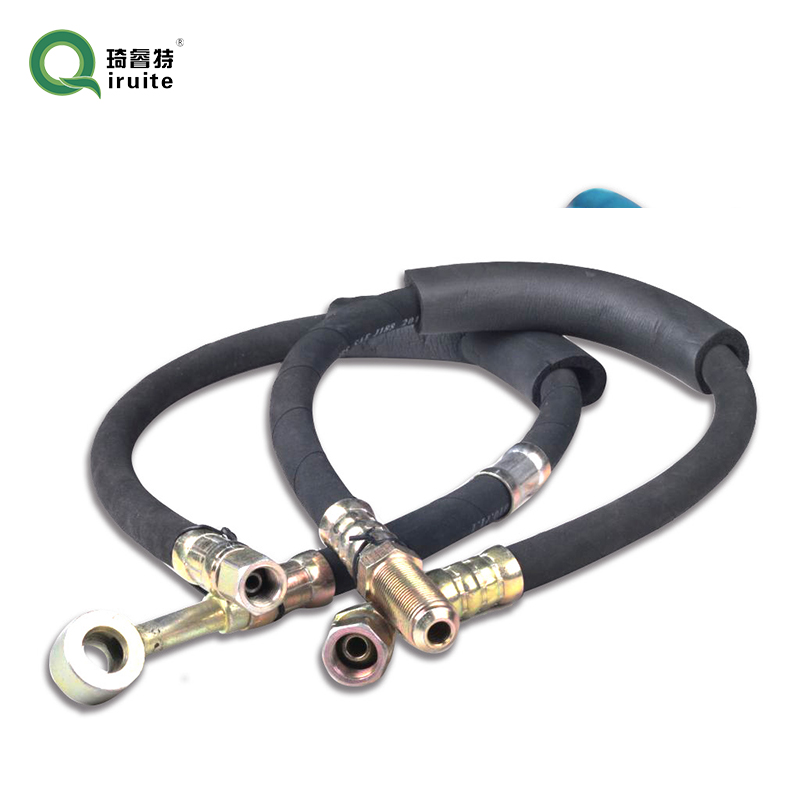
Illustration of a precision-engineered power steering tube.
Comprehensive Manufacturing Process Flow for a High-quality power steering tube
The production of a High-quality power steering tube involves a multi-stage, meticulously controlled process designed to ensure structural integrity, dimensional accuracy, and superior performance. Each step, from raw material selection to final inspection, is critical.
Process Stages:
- Raw Material Sourcing & Inspection: Tubes typically begin as cold-drawn seamless (CDS) or welded and drawn over mandrel (DOM) steel tubing. Materials like SAE 1010/1020 for general applications or stainless steel (304, 316) for enhanced corrosion resistance are selected. Initial inspection verifies chemical composition, mechanical properties (tensile strength, yield strength), and surface finish against ISO 6892-1 and ASTM A513 standards.
- Cutting & Deburring: Precision cutting to specified lengths using automated CNC saws or laser cutters minimizes material waste and ensures accurate dimensions. Subsequent deburring operations remove any sharp edges or burrs, preventing potential damage to seals and contamination of hydraulic fluid.
- Bending & Forming: Advanced CNC tube bending machines are employed for complex geometries, ensuring minimal wall thinning and ovality. Multi-axis bending capabilities allow for precise replication of OEM designs. Hydroforming or mechanical forming might be used for specialized shapes and end configurations, adhering to strict automotive drawing specifications.
- End Forming & Flaring: Tube ends are flared, swaged, or beaded to accommodate specific fittings (e.g., SAE J512, DIN 7631). This process is critical for creating a leak-proof seal with connecting components. Specialized tooling ensures consistent, burr-free formations.
- Welding/Brazing (if applicable): For multi-piece assemblies or attachment of brackets/fittings, robotic TIG/MIG welding or controlled atmosphere brazing (e.g., copper brazing) is used. This ensures robust, hermetically sealed joints, verified by visual inspection and non-destructive testing (NDT) methods like ultrasonic testing (UT) or X-ray radiography.
- Cleaning & Surface Treatment: Tubes undergo thorough cleaning processes, including high-pressure washing and internal flushing, to remove all contaminants, oils, and particulate matter. This is critical for preventing hydraulic system contamination. Subsequently, surface treatments like zinc-nickel plating, galvanizing, or specialized e-coating are applied for corrosion protection, often meeting or exceeding ISO 9227 salt spray test requirements for over 500-1000 hours.
- Assembly & Fitting Integration: Connectors, mounts, and other fittings are precisely attached, often with specialized crimping or swaging equipment, ensuring secure and leak-free connections.
- Quality Control & Testing: Each tube undergoes rigorous testing. This includes:
- Dimensional inspection (CMM measurements, optical scanners).
- Pressure testing (hydrostatic and pneumatic burst tests, impulse fatigue tests per SAE J188).
- Leak testing (submerged air test, helium leak detection).
- Material integrity verification (hardness tests, metallurgical analysis).
- Contamination level testing (ISO 4406 for fluid cleanliness).
- Packaging & Logistics: Tubes are carefully packaged to prevent damage during transit, often using protective caps and custom trays, ensuring they arrive in pristine condition, ready for integration into higher-level assemblies.
Target industries benefiting from these rigorously manufactured tubes include the automotive sector (passenger cars, commercial vehicles), heavy construction machinery, agricultural equipment, marine applications, and specialized industrial hydraulic systems. Advantages span energy saving through optimized fluid flow paths, superior corrosion resistance for extended service life, and robust performance under extreme operating conditions.
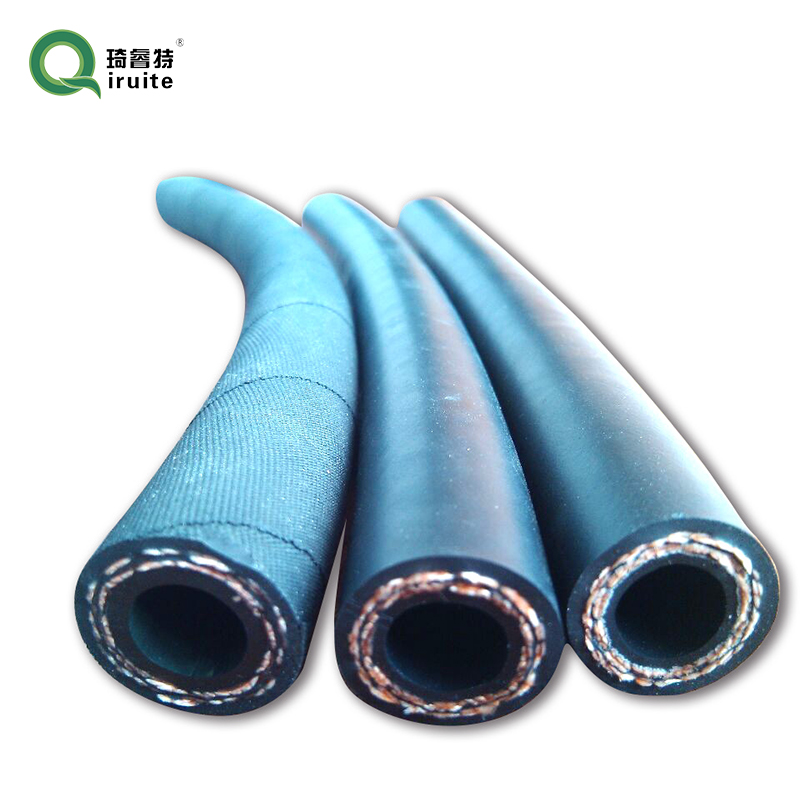
Depiction of automated tube bending, a critical step in precision manufacturing.
Application Scenarios and Technical Advantages
The versatility of a High-quality power steering tube extends across numerous demanding applications, where its robust construction and precise engineering provide distinct technical advantages.
- Automotive Sector: Essential in passenger cars, light trucks, and commercial vehicles. In these applications, the tubes must withstand constant vibration, wide temperature fluctuations, and exposure to road salt and other corrosive agents. Advantages include enhanced safety through reliable steering response, reduced NVH (Noise, Vibration, and Harshness) due to precise fit and damping properties, and extended vehicle service intervals. Customer feedback often highlights reduced steering effort and smoother operation.
- Heavy Construction Equipment: For excavators, bulldozers, and wheel loaders, power steering tubes operate under immense pressure and mechanical stress. The critical advantage here is unparalleled durability and resistance to abrasion and impact, ensuring continuous operation in harsh environments, minimizing downtime, and maximizing productivity.
- Agricultural Machinery: Tractors and harvesters rely on robust hydraulic systems. Tubes in these applications must endure extreme dirt, moisture, and chemical exposure. Corrosion resistance and a long fatigue life are paramount, contributing to the longevity of the equipment and reliable performance during critical operational periods.
- Marine Applications: In marine steering systems, tubes face constant exposure to saltwater and corrosive atmospheres. Stainless steel or heavily coated tubes offer superior resistance, preventing premature failure and ensuring reliable navigation, which is a critical safety aspect.
- Industrial Hydraulics: From factory automation to material handling, specialized industrial equipment requires precise fluid control. The technical advantages include high-pressure integrity, consistent flow rates for precise actuation, and custom-bent solutions for optimal space utilization and simplified installation.
In essence, the technical advantages of high-quality power steering tubes translate directly into operational efficiency, enhanced safety, and reduced lifecycle costs for B2B clients.
Vendor Comparison: Differentiating on Quality and Service
Selecting the right supplier for power steering tubes is a strategic decision that impacts product quality, supply chain reliability, and overall cost-effectiveness. While many vendors offer these components, differentiation often lies in adherence to quality standards, technological capabilities, and customer support.
Comparative Analysis of Power Steering Tube Vendors:
| Feature/Criterion | Our Offering (HoseQRT) | Typical Competitor A | Typical Competitor B |
|---|---|---|---|
| Material Certifications | ISO 9001, IATF 16949 (Automotive), RoHS, REACH compliant materials. Full traceability. | ISO 9001, basic material CoA. | Often only material supplier's basic CoA. |
| Corrosion Resistance (Salt Spray) | ≥ 1000 hours (for Zinc-Nickel coated), ≥ 500 hours (Galvanized) | ~200-500 hours (Standard Zinc plating) | ~100-200 hours (Basic coatings) |
| Manufacturing Precision | Automated CNC bending, hydroforming, CMM inspection, +/- 0.05mm tolerance. | Manual or semi-automated bending, basic visual inspection, +/- 0.1-0.2mm tolerance. | Limited automation, wider tolerances. |
| Testing & Validation | 100% Leak test, Impulse/Burst Test (SAE J188), Fatigue, Vibration, Contamination control (ISO 4406). | Batch leak testing, limited pressure testing. | Basic leak testing, no specific standards cited. |
| Customization Capabilities | Full bespoke design, prototyping, small to high volume, rapid iteration. | Limited customization, larger MOQ for custom runs. | Standard catalog items primarily. |
| Lead Time (Custom orders) | 4-6 weeks (design to delivery), expedited options. | 8-12 weeks. | 12+ weeks, or not offered. |
| Technical Support | Dedicated engineering support, 24/7 client portal, global service network. | Standard business hours support, email-based. | Limited post-sale support. |
This comparison highlights the importance of choosing a partner with demonstrable expertise, robust quality control, and a commitment to innovation, rather than solely focusing on initial cost. A High-quality power steering tube from a reputable supplier ensures long-term value and operational integrity.
Customized Solutions for Unique Demands
Recognizing that off-the-shelf solutions rarely fit every unique application, leading manufacturers offer extensive customization capabilities for these critical components. This includes:
- Material Selection: Beyond standard steel, options include specific stainless steel grades (e.g., 304L, 316L for enhanced corrosion resistance), aluminum for weight reduction, or even specialized alloys for extreme temperature applications.
- Geometry & Bending: Complex 3D bends, multi-plane curves, and specific routing requirements can be precisely engineered using advanced CAD/CAM and CNC bending technologies. This optimizes space utilization and reduces assembly time.
- End Fittings & Connections: Custom end forms, threads (metric, imperial), and integrated fittings (JIC, ORFS, Banjo, DIN) can be manufactured to seamlessly integrate with existing hydraulic systems, eliminating the need for adapters and reducing potential leak points.
- Surface Coatings & Treatments: Tailored corrosion protection, such as proprietary e-coatings, specialized polymer wraps, or internal anti-friction linings, can be applied based on the operating environment and fluid compatibility requirements.
- Integrated Components: Manufacturers can integrate brackets, damping elements, heat shields, or sensor ports directly into the tube assembly, streamlining the overall component count and simplifying installation for the OEM.
The ability to provide highly tailored solutions from design concept through to production exemplifies a vendor's technical expertise and commitment to partnership, offering significant value to B2B clients facing unique engineering challenges.
Application Case Studies: Demonstrating Real-World Impact
Real-world application provides the most compelling evidence of the value of robust power steering tubes. Here are examples of how robust engineering translates into tangible benefits:
Case Study 1: Heavy-Duty Truck OEM
Challenge: A leading global heavy-duty truck manufacturer faced recurring issues with power steering tube failures due to vibration fatigue and corrosion in their long-haul vehicles operating in diverse climates. This resulted in costly warranty claims and significant downtime for fleet operators.
Solution: Our engineering team collaborated to design a custom power steering tube using a higher-grade steel alloy (SAE 1020 CDS) with a specialized zinc-nickel coating providing >1000 hours of salt spray resistance. The tube design incorporated optimized bending radii and robust mounting points to mitigate vibration stress concentration. Extensive impulse and vibration fatigue testing (exceeding SAE J188 standards) was conducted to validate the new design.
Results: The new tubes demonstrated a 70% reduction in field failures related to fatigue and corrosion over a 5-year operational period. The OEM reported a 25% decrease in warranty claims related to power steering components, significantly enhancing their brand reputation and customer satisfaction. The client lauded our proactive engineering support and our ability to deliver a truly high-quality power steering solution.
Case Study 2: Agricultural Equipment Manufacturer
Challenge: An agricultural equipment manufacturer needed power steering lines for a new series of high-horsepower tractors. The tubes needed to operate reliably in environments characterized by extreme dust, moisture, and exposure to various agricultural chemicals, while also navigating tight engine compartments requiring complex tube routing.
Solution: We provided a custom solution featuring a stainless steel (316L) tube for ultimate corrosion resistance, coupled with precise CNC bending to accommodate the confined spaces. All fittings were designed with enhanced sealing capabilities. We implemented a strict internal cleanliness protocol (ISO 4406 cleanliness levels) to prevent system contamination from manufacturing residue, which is critical for agricultural hydraulics.
Results: The customer successfully integrated the tubes, experiencing zero reported failures or leaks during the initial launch and subsequent 3-year warranty period. The robust design contributed to the overall reliability of their new tractor line, leading to a multi-year supply agreement. The positive experience underscored our commitment to delivering truly high-quality, tailored tube solutions.
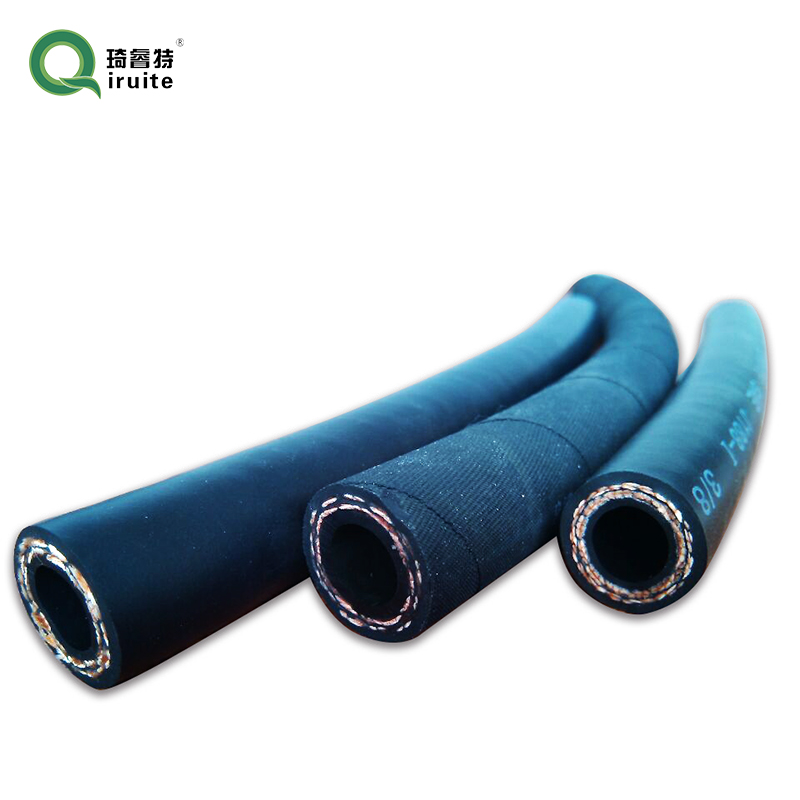
A robust power steering tube assembly integrated into heavy machinery.
Trust and Transparency: FAQ, Lead Times, Warranty, and Support
At HoseQRT, we understand that building trust with our B2B partners requires more than just high-quality products. It demands transparent operations, clear commitments, and unwavering support.
Frequently Asked Questions (FAQ)
- Q: What quality certifications do your power steering tubes adhere to?
- A: Our manufacturing processes are ISO 9001 certified, and our automotive-grade tubes meet IATF 16949 standards. Materials are RoHS and REACH compliant, with full traceability documentation.
- Q: Can you develop custom power steering tube solutions based on our specific CAD drawings?
- A: Absolutely. We specialize in custom solutions and can work directly from your 2D and 3D CAD files (e.g., STEP, IGES, SolidWorks) to develop prototypes and mass-produce precise tube assemblies.
- Q: What is the typical lead time for custom orders?
- A: For custom power steering tube orders, lead times generally range from 4-6 weeks from final design approval to delivery, depending on complexity and order volume. Expedited options are available upon request.
- Q: What kind of warranty do you offer on your products?
- A: We offer a standard 12-month warranty against manufacturing defects for our industrial products and a 3-year/60,000-mile warranty for our automotive-grade power steering tubes, demonstrating our confidence in their durability and performance.
Lead Time & Fulfillment
We maintain optimized production schedules and robust supply chain management to ensure timely delivery. Standard catalog items can typically ship within 1-2 weeks. For customized projects, a detailed production timeline is provided during the quoting phase, with regular progress updates. Our logistics partners ensure secure and efficient global shipping.
Warranty Commitments
HoseQRT stands behind the quality of every power steering tube we produce. Our warranty covers material defects and workmanship. Should any issue arise, our dedicated support team is ready to assist with prompt resolution, adhering to industry best practices and our strong commitment to customer satisfaction.
Customer Support and After-Sales Service
Our relationship with clients extends far beyond the sale. We offer comprehensive after-sales support, including technical assistance, troubleshooting, and replacement part guidance. Our global network of representatives and a 24/7 online client portal ensure that expert help is always accessible, facilitating seamless integration and long-term performance of our high-quality tube products.
Conclusion: The Enduring Value of Precision
The demand for a High-quality power steering tube will continue to grow as industries push for greater efficiency, reliability, and safety in their hydraulic systems. From sophisticated material science and advanced manufacturing techniques to stringent quality control and comprehensive after-sales support, every aspect contributes to the superior performance and longevity of these critical components. Partnering with a specialist like HoseQRT ensures access to cutting-edge solutions, tailored to specific requirements, and backed by a commitment to excellence that translates into tangible operational advantages and reduced total cost of ownership for B2B enterprises.
Authoritative References
- SAE International. (2018). SAE J188: Power Steering Pressure Hose - High Volumetric Expansion. Warrendale, PA: SAE International.
- International Organization for Standardization. (2015). ISO 9001: Quality management systems – Requirements. Geneva, Switzerland: ISO.
- International Organization for Standardization. (2017). ISO 4406: Hydraulic fluid power – Fluids – Method for coding level of contamination by solid particles. Geneva, Switzerland: ISO.
- ASTM International. (2017). ASTM B117: Standard Practice for Operating Salt Spray (Fog) Apparatus. West Conshohocken, PA: ASTM International.
- Frost & Sullivan. (2022). Global Power Steering System Market Analysis.
-
Custom Power Steering Hose Kit Guide for Vehicle PerformanceNewsApr.16,2026
-
Guide to High Performance Custom Made Power Steering HosesNewsApr.09,2026
-
Comprehensive Guide to Custom High Pressure Power Steering Hose SolutionsNewsApr.07,2026
-
Comprehensive Guide to CRV Power Steering Hose Maintenance and ReplacementNewsApr.04,2026
-
Comprehensive Guide to CPP Power Steering Hoses for Optimal Vehicle PerformanceNewsMar.31,2026
-
Understanding the Cost to Repair Power Steering Hose and Associated FactorsNewsMar.28,2026
 Afrikaans
 Albanian
 Amharic
 Arabic
 Armenian
 Azerbaijani
 Basque
 Belarusian
 Bengali
 Bosnian
 Bulgarian
 Catalan
 Cebuano
 Corsican
 Croatian
 Czech
Czech
 Danish
 Dutch
Dutch
 Esperanto
 Estonian
 Finnish
 French
 Frisian
 Galician
 Georgian
 German
 Greek
Greek
 Gujarati
 Haitian Creole
 Hausa
Hausa
 Hawaiian
 Hebrew
 Hindi
Hindi
 Miao
Miao
 Hungarian
 Icelandic
 Igbo
Igbo
 Indonesian
 Irish
Irish
 Italian
 Japanese
 Javanese
 Kannada
 Kazakh
 Khmer
Khmer
 Rwandese
 Korean
 Kurdish
 Kyrgyz
 Lao
Lao
 Latin
Latin
 Latvian
 Lithuanian
 Luxembourgish
 Macedonian
 Malgashi
 Malay
Malay
 Malayalam
 Maltese
 Maori
Maori
 Marathi
 Mongolian
 Myanmar
 Nepali
 Norwegian
 Norwegian
 Occitan
 Pashto
 Persian
 Polish
 Portuguese
 Punjabi
 Romanian
 Russian
 Samoan
 Scottish Gaelic
 Serbian
 Sesotho
 Shona
Shona
 Sindhi
 Sinhala
 Slovak
 Slovenian
 Somali
 Spanish
 Sundanese
 Swahili
 Swedish
 Tagalog
 Tajik
Tajik
 Tamil
Tamil
 Tatar
Tatar
 Telugu
 Thai
Thai
 Turkish
 Turkmen
 Ukrainian
 Urdu
Urdu
 Uighur
 Uzbek
Uzbek
 Vietnamese
 Welsh
Welsh
 Bantu
Bantu
 Yiddish
 Yoruba
 Zulu
Zulu
 English