You know, been running around construction sites all year, and honestly, the whole industry’s buzzing about prefabrication now. It’s not new, but the level of detail… people are trying to build entire bathroom pods offsite. It's a bit of a gamble, though. Everyone's talking efficiency, but getting the logistics right is a nightmare.
And the designs… oh boy. Have you noticed how everyone wants curved everything these days? Looks great on the render, but try bending rebar accurately on site. It's a pain. We had this architect insist on a perfectly parabolic arch for a warehouse roof. A parabolic arch! I swear, some of these folks have never actually built anything.
It's funny, they draw these beautiful pictures, but don't think about how it'll actually go together.
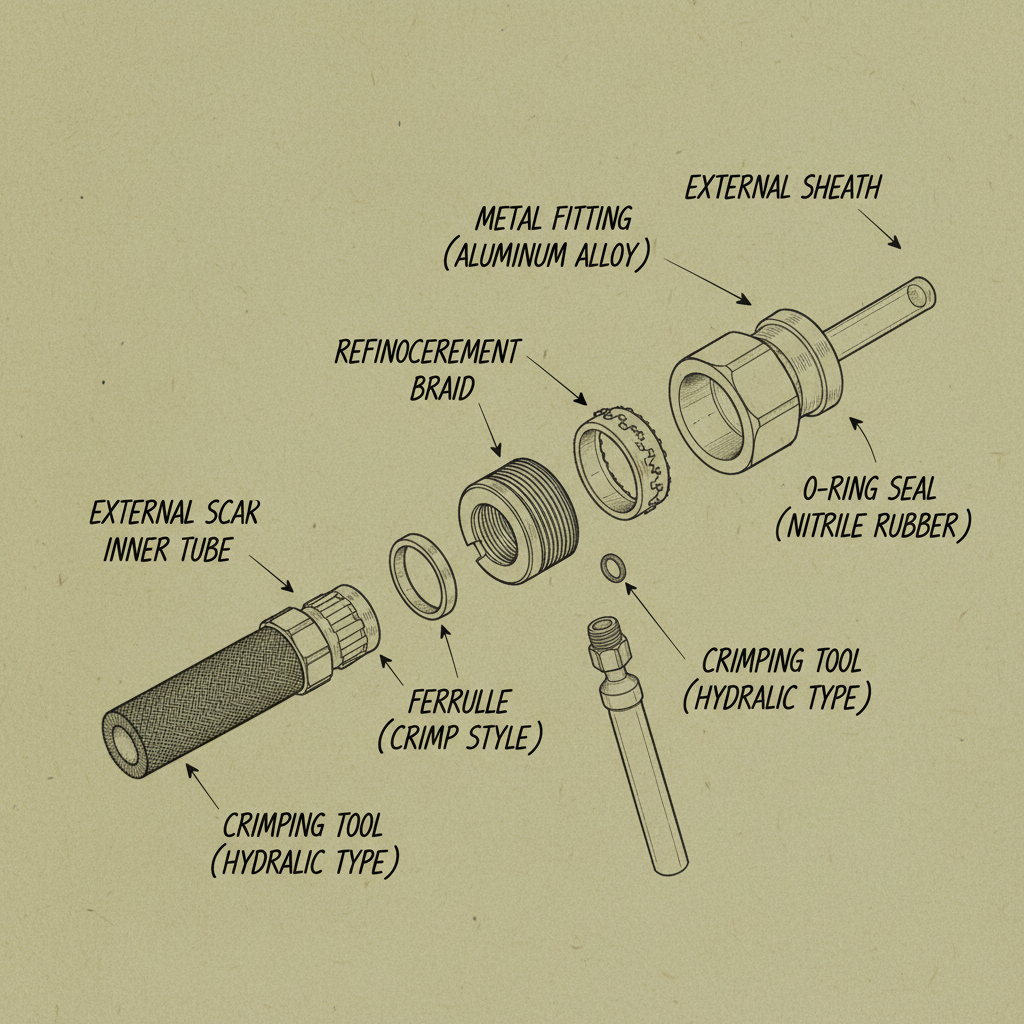
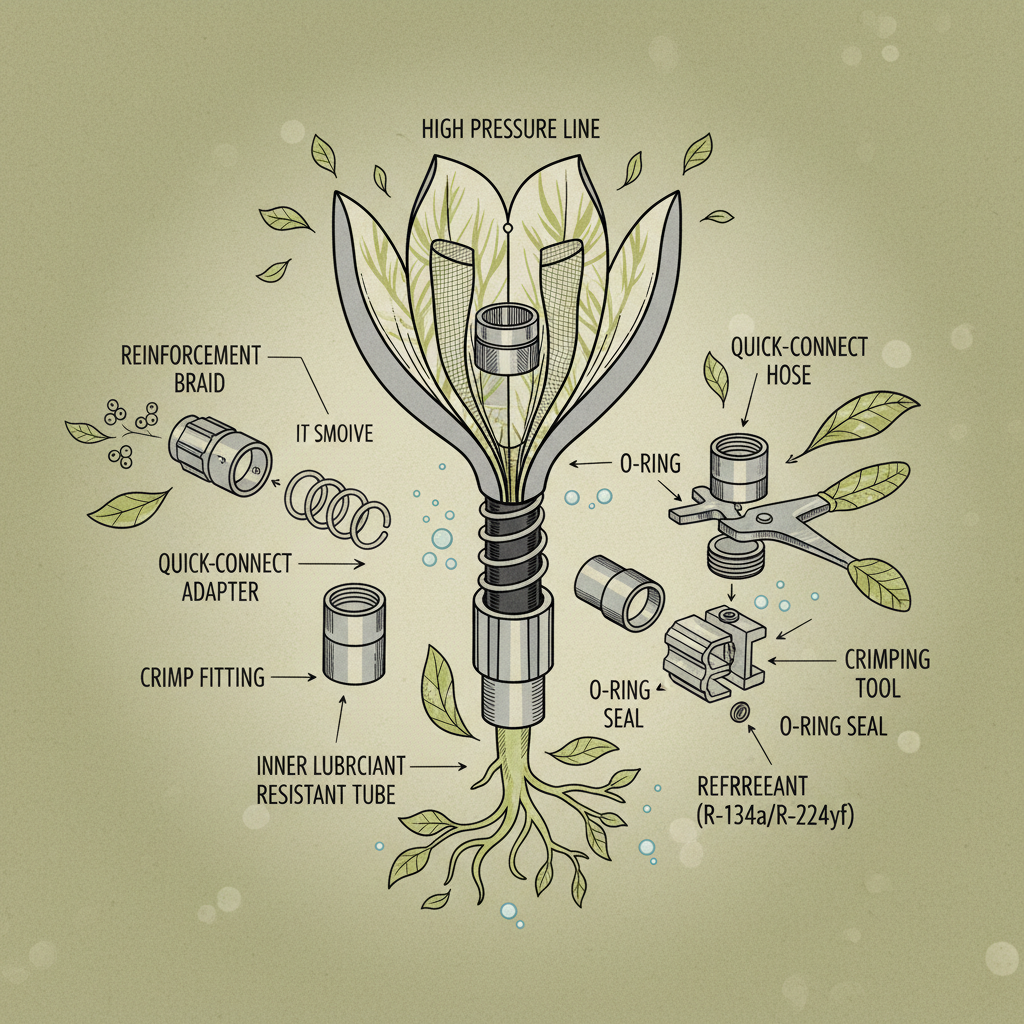
Prefabrication, like I said. It’s supposed to be faster, cheaper, better quality. And sometimes it is. I was at a factory last time, building these modular kitchens… the fit and finish was actually incredible. But getting them onto the site, maneuvering around existing utilities… that's where the money goes. It's a whole different skillset than traditional construction.
Strangely, the biggest hurdle isn’t the building itself. It's the paperwork. Inspections, permits, certifications… it’s a bureaucratic nightmare.
Honestly? Getting them through the door. Seriously, a lot of older buildings weren't designed to accommodate something that bulky. And then there’s the plumbing connections – ensuring a watertight seal in a tight space is a pain. Plus, coordinating the delivery with the rest of the construction schedule is a nightmare. You need a really good logistics team, and even then, things go wrong. It's expensive to move these things if something is off by a few inches.
It depends. Initially, prefab seems more expensive. The upfront cost is higher because of the factory setup. But when you factor in the reduced labor costs, the faster build time, and the minimized waste, it often comes out ahead. But that's assuming everything goes smoothly. Any delays, any design changes, and the cost can quickly spiral. To be honest, you need a really detailed cost analysis to make an informed decision.
Generally, better quality control than on-site. They’re building in a controlled factory environment, so they can catch errors more easily. But you still need to inspect everything thoroughly when it arrives on site. I’ve seen pods show up with missing fittings, incorrect wiring… it happens. Don't just assume it's perfect because it came from a factory. It's always check, check, check.
Not easily. That's the downside. They’re designed to be complete units. Making changes requires specialized tools and expertise, and can potentially compromise the structural integrity. It’s much easier to modify something before it leaves the factory. That's why good upfront planning and communication are so important. Cutting corners at the design phase will absolutely come back to haunt you.
Less waste, for starters. They can optimize material usage in the factory, and there's less debris on the construction site. It also reduces the amount of disruption to the surrounding environment. But, and this is a big but, the transportation of these large components can have a significant carbon footprint. You have to weigh the benefits against the drawbacks.
Similar to traditional buildings, really. Regular inspections, maintenance of mechanical systems, addressing any wear and tear. The connections between the prefabricated modules are critical, so you need to pay close attention to those. Proper sealing is crucial to prevent water damage. And, strangely enough, sometimes the factory finish is too perfect and shows dirt more easily than a traditional finish.
So, prefabrication – it’s not a silver bullet, but it's a powerful tool. It offers potential benefits in terms of speed, cost, and quality, but it requires careful planning, meticulous execution, and a healthy dose of realism. It's a changing landscape, and the lines between traditional and prefab are blurring all the time.
Ultimately, whether this thing works or not, the worker will know the moment he tightens the screw. If it fits, if it feels solid, then you’re on the right track. If it doesn’t… well, you’ve got a problem. And I'll be the one getting the call. You can find more information and discuss your project at air conditioning hose repair.

 Afrikaans
 Albanian
 Amharic
 Arabic
 Armenian
 Azerbaijani
 Basque
 Belarusian
 Bengali
 Bosnian
 Bulgarian
 Catalan
 Cebuano
 Corsican
 Croatian
 Czech
Czech
 Danish
 Dutch
Dutch
 Esperanto
 Estonian
 Finnish
 French
 Frisian
 Galician
 Georgian
 German
 Greek
Greek
 Gujarati
 Haitian Creole
 Hausa
Hausa
 Hawaiian
 Hebrew
 Hindi
Hindi
 Miao
Miao
 Hungarian
 Icelandic
 Igbo
Igbo
 Indonesian
 Irish
Irish
 Italian
 Japanese
 Javanese
 Kannada
 Kazakh
 Khmer
Khmer
 Rwandese
 Korean
 Kurdish
 Kyrgyz
 Lao
Lao
 Latin
Latin
 Latvian
 Lithuanian
 Luxembourgish
 Macedonian
 Malgashi
 Malay
Malay
 Malayalam
 Maltese
 Maori
Maori
 Marathi
 Mongolian
 Myanmar
 Nepali
 Norwegian
 Norwegian
 Occitan
 Pashto
 Persian
 Polish
 Portuguese
 Punjabi
 Romanian
 Russian
 Samoan
 Scottish Gaelic
 Serbian
 Sesotho
 Shona
Shona
 Sindhi
 Sinhala
 Slovak
 Slovenian
 Somali
 Spanish
 Sundanese
 Swahili
 Swedish
 Tagalog
 Tajik
Tajik
 Tamil
Tamil
 Tatar
Tatar
 Telugu
 Thai
Thai
 Turkish
 Turkmen
 Ukrainian
 Urdu
Urdu
 Uighur
 Uzbek
Uzbek
 Vietnamese
 Welsh
Welsh
 Bantu
Bantu
 Yiddish
 Yoruba
 Zulu
Zulu
 English