

Comprehensive Guide to Chevy Power Steering Hose Fittings and Maintenance
Understanding Chevy Power Steering Hose Fittings
Maintaining the power steering system in your Chevy vehicle is crucial for safe and efficient driving. A key component of this system is the power steering hose, and ensuring a secure and leak-free connection relies heavily on the quality of the Chevy power steering hose fittings. These fittings are designed to withstand high pressure and temperature fluctuations, making them essential for reliable performance. This article delves into the types, materials, common issues, and proper maintenance of Chevy power steering hose fittings, offering valuable insights for both DIY enthusiasts and professional mechanics. Choosing the right fitting can prevent costly repairs and ensure optimal steering control.
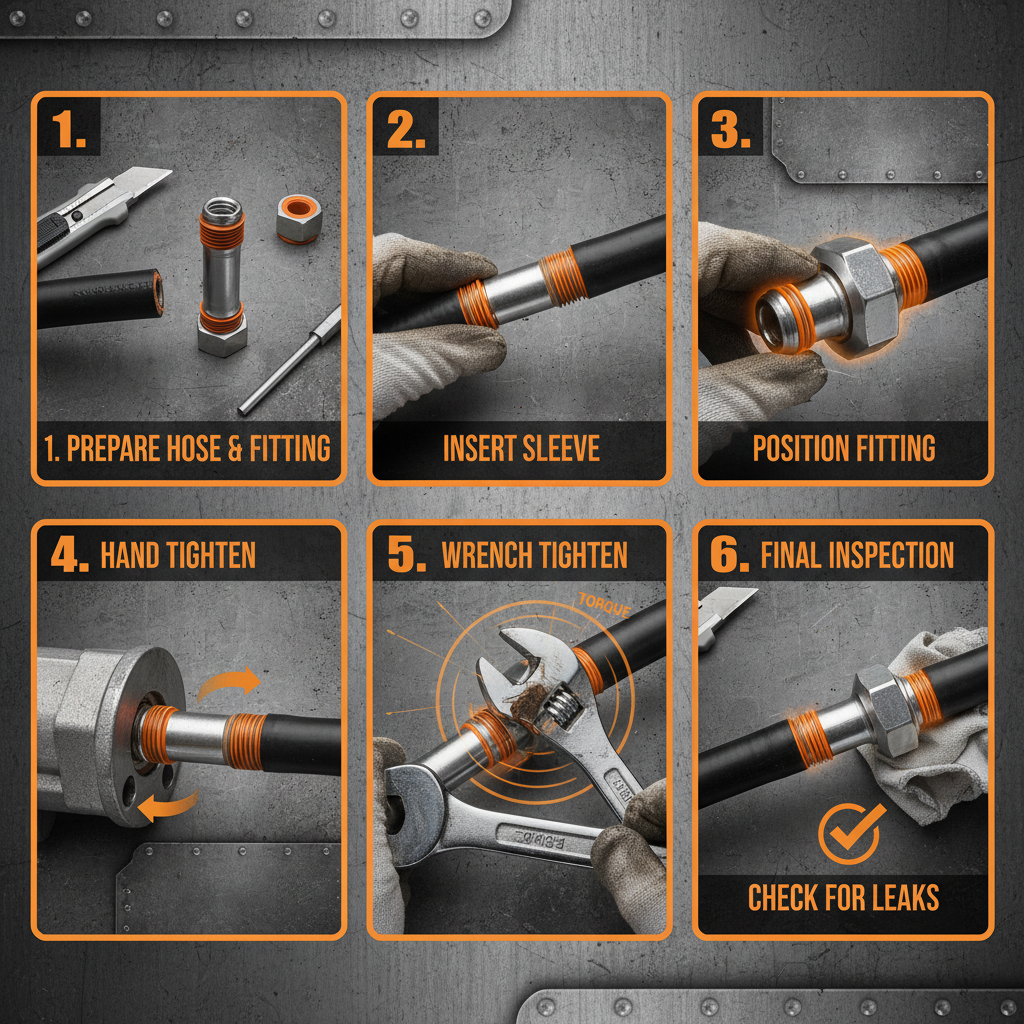
Types of Chevy Power Steering Hose Fittings
Chevy power steering systems utilize several types of fittings to connect the high-pressure hoses to the power steering pump, steering gear, and reservoir. Common types include:
- Flare Fittings: These fittings use a flared end on the hose to create a seal within the fitting. They are frequently found on older Chevy models.
- O-Ring Boss Fittings: Employing an O-ring to create a seal, these fittings are known for their reliability and are commonly used in newer Chevy vehicles.
- Quick Connect Fittings: Designed for easy installation and removal, these fittings use a locking mechanism to secure the hose.
Understanding the type of fitting your Chevy uses is essential when replacing hoses or fittings, as incompatibility can lead to leaks and system failure. You can find the correct Chevy power steering hose fittings at HoseQRT, ensuring compatibility and a secure connection.
Key Takeaway: Proper identification of your vehicle’s power steering hose fitting type is paramount to ensure leak-free and safe operation. Consult your vehicle’s service manual for accurate specifications.
Materials Used in Chevy Power Steering Hose Fittings
The materials used in Chevy power steering hose fittings directly impact their durability and resistance to corrosion. Common materials include:
- Steel: Offers high strength and durability, often used in flared fittings.
- Stainless Steel: Provides excellent corrosion resistance, ideal for harsh environments.
- Aluminum: Lightweight and corrosion-resistant, frequently used in quick connect fittings.
- Brass: While less common now, brass fittings were used in some older systems and are prone to corrosion.
Choosing fittings made from high-quality materials, like those offered by HoseQRT, ensures long-lasting performance and minimizes the risk of leaks due to material degradation.
Material Benefits:
• Steel provides high strength.
• Stainless steel offers superior corrosion resistance.
• Aluminum is lightweight and durable.
• Quality materials contribute to a longer lifespan.
Chevy Power Steering Hose Fittings: A Comparative Look
Different fitting types excel in specific areas. Here’s a comparison of the most common options:
Common Issues with Chevy Power Steering Hose Fittings
Several issues can arise with Chevy power steering hose fittings. These include corrosion, stripping of threads, and leaks due to worn O-rings. Corrosion is particularly common in areas with harsh weather conditions. Stripped threads can occur during installation or removal if excessive force is applied. Leaks often result from deteriorated O-rings or improper tightening. Regular inspection of the fittings and hoses is critical to identify these issues early on. HoseQRT offers a wide selection of replacement fittings to address these common problems.
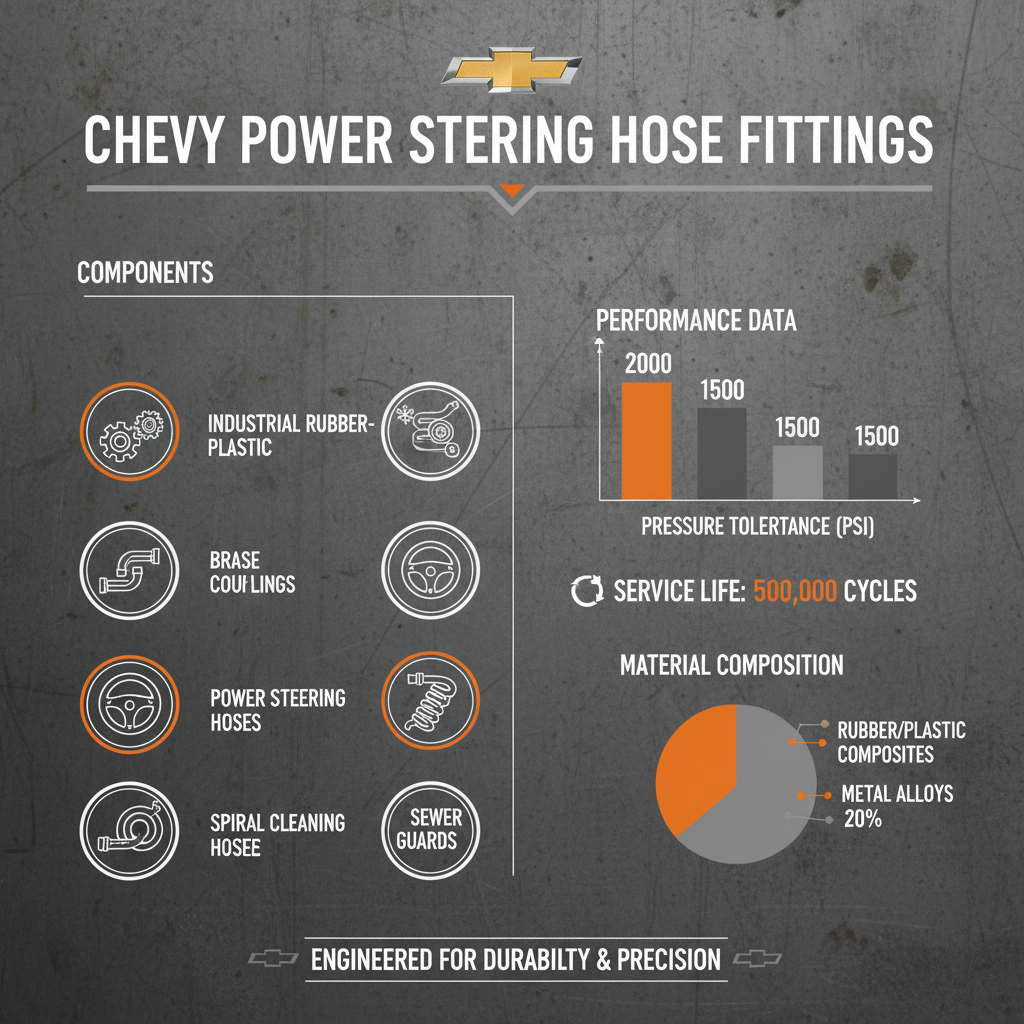
Maintaining Your Chevy Power Steering Hose Fittings
Proactive maintenance can significantly extend the life of your Chevy's power steering system. Regularly inspect the hoses and fittings for signs of leaks, cracks, or corrosion. Ensure all connections are tight, but avoid over-tightening, which can damage the threads. Flush the power steering fluid according to the manufacturer’s recommendations. When replacing hoses, always replace the fittings as well to ensure a secure and reliable connection. Quality Chevy power steering hose fittings from a trusted supplier like HoseQRT are an investment in the longevity of your vehicle’s steering system.
Conclusion: Protecting Your Chevy's Power Steering System
Investing in quality Chevy power steering hose fittings and practicing regular maintenance are crucial for ensuring the reliability and safety of your vehicle. By understanding the different types of fittings, the materials used, and potential issues, you can proactively address problems and avoid costly repairs. Choose HoseQRT for a wide selection of high-quality fittings and components to keep your Chevy steering smoothly and safely.
Frequently Asked Questions (FAQs)
What tools are needed to replace power steering hose fittings?
Replacing power steering hose fittings generally requires a few basic tools. You'll typically need a flare nut wrench (for flare fittings), an open-end wrench, a socket set, a screwdriver, and potentially a pick set for removing O-rings. Depending on the fitting type, a quick connect tool may be necessary. It’s always advisable to have some penetrating oil on hand to help loosen stubborn fittings. Ensure you have the correct size wrench to avoid stripping the nuts. Safety glasses and gloves are also recommended for protection.
How often should I check my power steering hose fittings for leaks?
It’s recommended to check your power steering hose fittings for leaks at least every six months, or more frequently if you notice any unusual symptoms like difficult steering or whining noises. A visual inspection is usually sufficient, looking for any signs of fluid around the fittings or hoses. Also, check the power steering fluid level regularly. If it’s consistently low, it could indicate a leak in the system.
What should I do if I find a leaking power steering hose fitting?
If you discover a leaking power steering hose fitting, it’s best to address it promptly. First, identify the source of the leak. If it's a minor leak, you might be able to temporarily tighten the fitting, but this is not a long-term solution. The best course of action is to replace the fitting and potentially the hose as well. You can find a wide range of replacement Chevy power steering hose fittings at HoseQRT.
-
Custom Power Steering Hose Kit Guide for Vehicle PerformanceNewsApr.16,2026
-
Guide to High Performance Custom Made Power Steering HosesNewsApr.09,2026
-
Comprehensive Guide to Custom High Pressure Power Steering Hose SolutionsNewsApr.07,2026
-
Comprehensive Guide to CRV Power Steering Hose Maintenance and ReplacementNewsApr.04,2026
-
Comprehensive Guide to CPP Power Steering Hoses for Optimal Vehicle PerformanceNewsMar.31,2026
-
Understanding the Cost to Repair Power Steering Hose and Associated FactorsNewsMar.28,2026
 Afrikaans
 Albanian
 Amharic
 Arabic
 Armenian
 Azerbaijani
 Basque
 Belarusian
 Bengali
 Bosnian
 Bulgarian
 Catalan
 Cebuano
 Corsican
 Croatian
 Czech
Czech
 Danish
 Dutch
Dutch
 Esperanto
 Estonian
 Finnish
 French
 Frisian
 Galician
 Georgian
 German
 Greek
Greek
 Gujarati
 Haitian Creole
 Hausa
Hausa
 Hawaiian
 Hebrew
 Hindi
Hindi
 Miao
Miao
 Hungarian
 Icelandic
 Igbo
Igbo
 Indonesian
 Irish
Irish
 Italian
 Japanese
 Javanese
 Kannada
 Kazakh
 Khmer
Khmer
 Rwandese
 Korean
 Kurdish
 Kyrgyz
 Lao
Lao
 Latin
Latin
 Latvian
 Lithuanian
 Luxembourgish
 Macedonian
 Malgashi
 Malay
Malay
 Malayalam
 Maltese
 Maori
Maori
 Marathi
 Mongolian
 Myanmar
 Nepali
 Norwegian
 Norwegian
 Occitan
 Pashto
 Persian
 Polish
 Portuguese
 Punjabi
 Romanian
 Russian
 Samoan
 Scottish Gaelic
 Serbian
 Sesotho
 Shona
Shona
 Sindhi
 Sinhala
 Slovak
 Slovenian
 Somali
 Spanish
 Sundanese
 Swahili
 Swedish
 Tagalog
 Tajik
Tajik
 Tamil
Tamil
 Tatar
Tatar
 Telugu
 Thai
Thai
 Turkish
 Turkmen
 Ukrainian
 Urdu
Urdu
 Uighur
 Uzbek
Uzbek
 Vietnamese
 Welsh
Welsh
 Bantu
Bantu
 Yiddish
 Yoruba
 Zulu
Zulu
 English