

Chevelle LS Swap Power Steering Hose A Comprehensive Installation Guide
Chevelle LS Swap Power Steering Hose: A Comprehensive Guide
Performing an LS swap on a classic Chevelle is a popular upgrade, delivering modern power and reliability. However, ensuring proper fitment and function of all components is crucial, and that includes the power steering system. A dedicated Chevelle LS swap power steering hose is essential for a seamless and safe conversion. This article will delve into the complexities of LS swaps in Chevelles, focusing on power steering hose selection, installation, and potential issues. We'll cover everything from hose types to compatibility considerations, helping you ensure a successful swap.
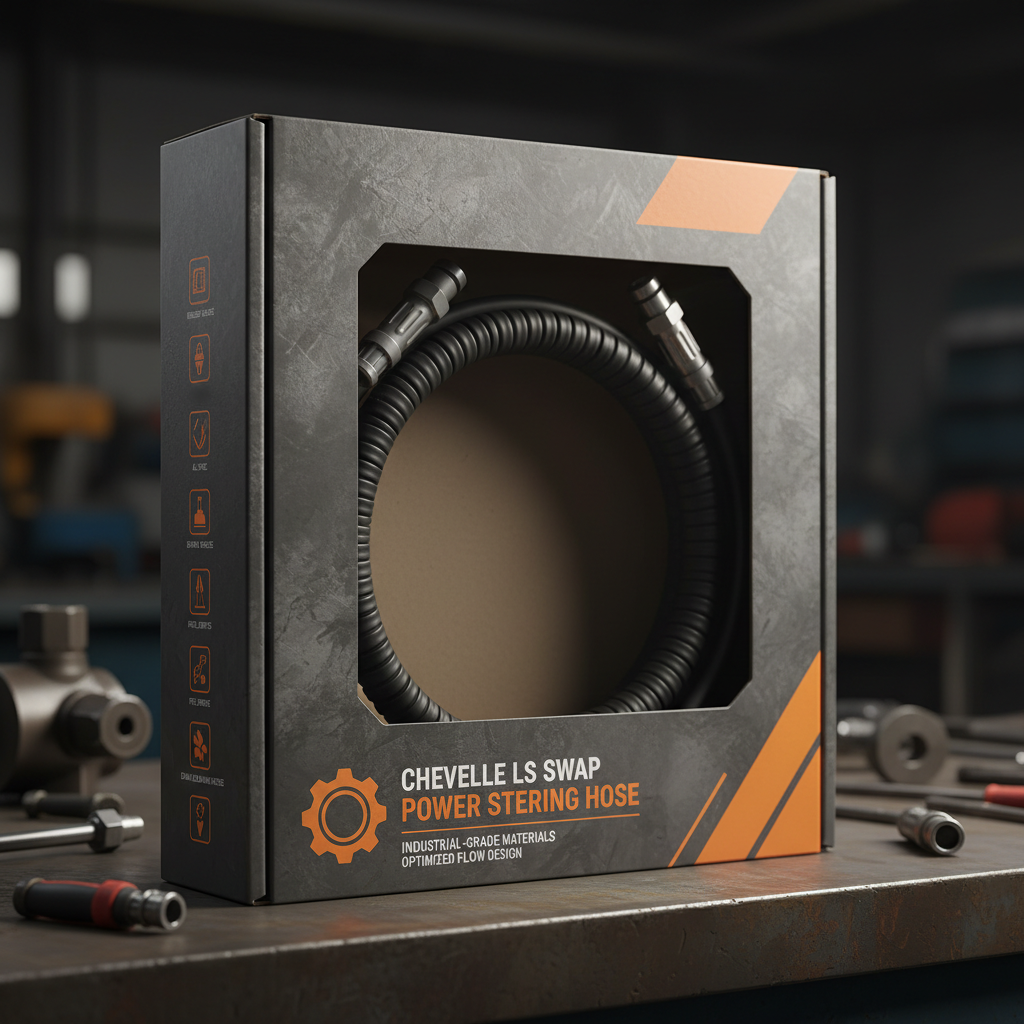
Understanding the Challenges of LS Swaps in Chevelles
Classic Chevelles were not designed to accommodate the dimensions and configurations of modern LS engines. This presents several challenges, particularly with the power steering system. The original Chevelle power steering components are typically incompatible with the LS engine's pump and steering gear. Using incorrect hoses can lead to leaks, reduced steering performance, and even component failure. Furthermore, the routing of the hoses needs careful consideration to avoid contact with other engine components or the chassis. A properly designed Chevelle LS swap power steering hose kit addresses these challenges by providing hoses specifically engineered for this application.
Key Considerations: Proper hose routing is crucial to avoid contact with hot engine parts and prevent kinks. Using high-quality hoses that can withstand the pressures and temperatures of a power steering system is essential for safety and longevity.
Choosing the Right Chevelle LS Swap Power Steering Hose
Selecting the correct power steering hose kit is paramount. Several options are available, each with its own advantages and disadvantages. Pressure hoses (high-pressure lines from the pump to the steering gear) and return hoses (low-pressure lines from the steering gear back to the pump) are the two main types. Consider the materials used in the hose construction – stainless steel braided hoses offer superior durability and resistance to abrasion compared to rubber hoses. Also, ensure the kit includes all necessary fittings and adapters for a complete installation. A kit from Hose QRT is specifically designed to eliminate these headaches.
Hose Material Comparison:
• Rubber Hoses: Cost-effective, but less durable and prone to cracking.
• Stainless Steel Braided Hoses: Highly durable, resistant to abrasion, and offer a premium look.
• AN Fittings: Provide a leak-proof, secure connection.
Chevelle LS Swap Power Steering Hose Installation Guide
Installing a power steering hose kit requires careful attention to detail. Begin by disconnecting the original power steering lines. Then, install the new hoses, ensuring proper routing and avoiding contact with hot engine components. Tighten all fittings to the manufacturer's specifications. Before starting the engine, double-check all connections for leaks. Bleeding the power steering system may be necessary to remove any air trapped in the lines. A step-by-step guide is often included with the kit from Hose QRT.
Common Issues and Troubleshooting
Even with a properly installed kit, you may encounter issues. Leaks are the most common problem, often caused by loose fittings or damaged hoses. Reduced steering performance can indicate air trapped in the system or a failing power steering pump. Unusual noises can point to a kinked hose or a restriction in the flow of fluid. Regularly inspect the hoses for any signs of wear or damage. Hose QRT offers excellent customer support for any issues you may face.
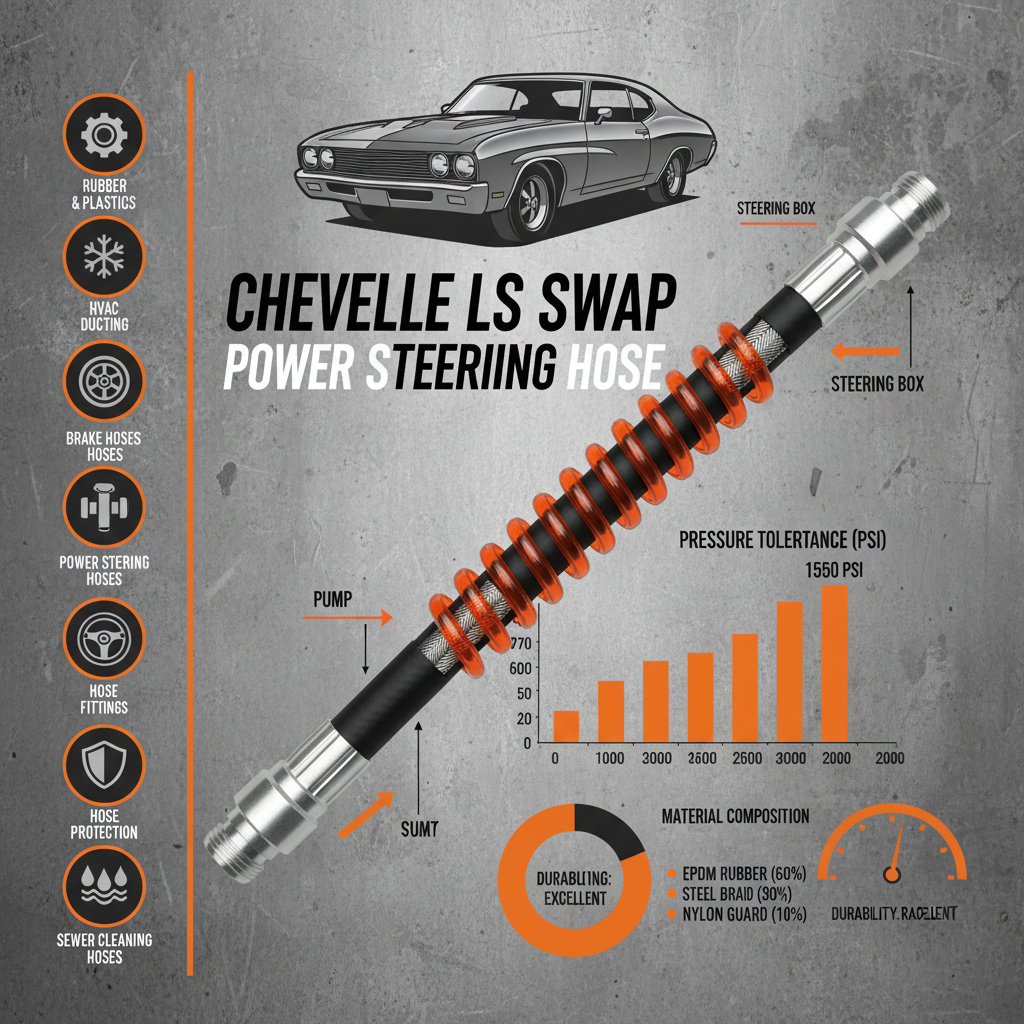
Product Specifications: Hose QRT LS Swap Power Steering Hose
Here's a quick overview of the specifications for the Hose QRT Chevelle LS Swap Power Steering Hose kit:
Conclusion: Ensure a Reliable LS Swap with the Right Power Steering Hose
A successful Chevelle LS swap relies on quality components, and the power steering system is no exception. Investing in a dedicated Chevelle LS swap power steering hose from a reputable provider like Hose QRT is crucial for ensuring proper fitment, reliable performance, and long-term durability. Don't compromise on safety – choose the right hose for your project!
Frequently Asked Questions (FAQs)
What is the difference between a pressure hose and a return hose?
The pressure hose carries high-pressure fluid from the power steering pump to the steering gear, providing the force to move the steering components. The return hose, on the other hand, carries low-pressure fluid from the steering gear back to the pump reservoir. They differ in size and construction to accommodate these different pressures. Using the correct hose for each application is crucial for proper system function. A Chevelle LS swap power steering hose kit will typically include both types, correctly sized and fitted.
Can I use standard power steering hoses for an LS swap?
No, it's strongly discouraged to use standard power steering hoses for an LS swap in a Chevelle. The LS engine’s pump and steering gear have different port locations and pressure requirements compared to the original Chevelle components. Standard hoses will likely not fit properly and could fail under pressure, leading to leaks and potential safety hazards. A dedicated LS swap hose kit, like those offered by Hose QRT, is specifically designed to address these compatibility issues.
How do I bleed the power steering system after installing new hoses?
Bleeding the power steering system is essential to remove any air trapped in the lines. Start by topping off the power steering reservoir with the correct fluid. With the engine off, turn the steering wheel lock to lock several times. Then, start the engine and repeat the process. Check the fluid level frequently and add more as needed. If you continue to experience noise or reduced steering performance, there may still be air in the system, and you should repeat the process. Consult the Hose QRT website for more detailed instructions.
What kind of power steering fluid should I use?
Always use the power steering fluid specified in your LS engine's owner's manual. Using the wrong fluid can damage the pump and other components. Most LS engines require a specific type of power steering fluid, often a synthetic fluid. Double-check the manufacturer's recommendations before adding any fluid to the reservoir.
-
Custom Power Steering Hose Kit Guide for Vehicle PerformanceNewsApr.16,2026
-
Guide to High Performance Custom Made Power Steering HosesNewsApr.09,2026
-
Comprehensive Guide to Custom High Pressure Power Steering Hose SolutionsNewsApr.07,2026
-
Comprehensive Guide to CRV Power Steering Hose Maintenance and ReplacementNewsApr.04,2026
-
Comprehensive Guide to CPP Power Steering Hoses for Optimal Vehicle PerformanceNewsMar.31,2026
-
Understanding the Cost to Repair Power Steering Hose and Associated FactorsNewsMar.28,2026
 Afrikaans
 Albanian
 Amharic
 Arabic
 Armenian
 Azerbaijani
 Basque
 Belarusian
 Bengali
 Bosnian
 Bulgarian
 Catalan
 Cebuano
 Corsican
 Croatian
 Czech
Czech
 Danish
 Dutch
Dutch
 Esperanto
 Estonian
 Finnish
 French
 Frisian
 Galician
 Georgian
 German
 Greek
Greek
 Gujarati
 Haitian Creole
 Hausa
Hausa
 Hawaiian
 Hebrew
 Hindi
Hindi
 Miao
Miao
 Hungarian
 Icelandic
 Igbo
Igbo
 Indonesian
 Irish
Irish
 Italian
 Japanese
 Javanese
 Kannada
 Kazakh
 Khmer
Khmer
 Rwandese
 Korean
 Kurdish
 Kyrgyz
 Lao
Lao
 Latin
Latin
 Latvian
 Lithuanian
 Luxembourgish
 Macedonian
 Malgashi
 Malay
Malay
 Malayalam
 Maltese
 Maori
Maori
 Marathi
 Mongolian
 Myanmar
 Nepali
 Norwegian
 Norwegian
 Occitan
 Pashto
 Persian
 Polish
 Portuguese
 Punjabi
 Romanian
 Russian
 Samoan
 Scottish Gaelic
 Serbian
 Sesotho
 Shona
Shona
 Sindhi
 Sinhala
 Slovak
 Slovenian
 Somali
 Spanish
 Sundanese
 Swahili
 Swedish
 Tagalog
 Tajik
Tajik
 Tamil
Tamil
 Tatar
Tatar
 Telugu
 Thai
Thai
 Turkish
 Turkmen
 Ukrainian
 Urdu
Urdu
 Uighur
 Uzbek
Uzbek
 Vietnamese
 Welsh
Welsh
 Bantu
Bantu
 Yiddish
 Yoruba
 Zulu
Zulu
 English