

Can You Tape a Power Steering Hose A Detailed Examination of Risks and Solutions
Can You Tape a Power Steering Hose? A Comprehensive Guide
Dealing with a leaking power steering hose can be frustrating. A quick fix often considered is taping the hose, but is this a viable solution? This article dives deep into whether you can tape a power steering hose, the risks involved, better alternatives, and where to find reliable replacements. We’ll explore the pros and cons of temporary fixes versus long-term solutions. For high-quality power steering hoses and components, visit Hose QRT today!
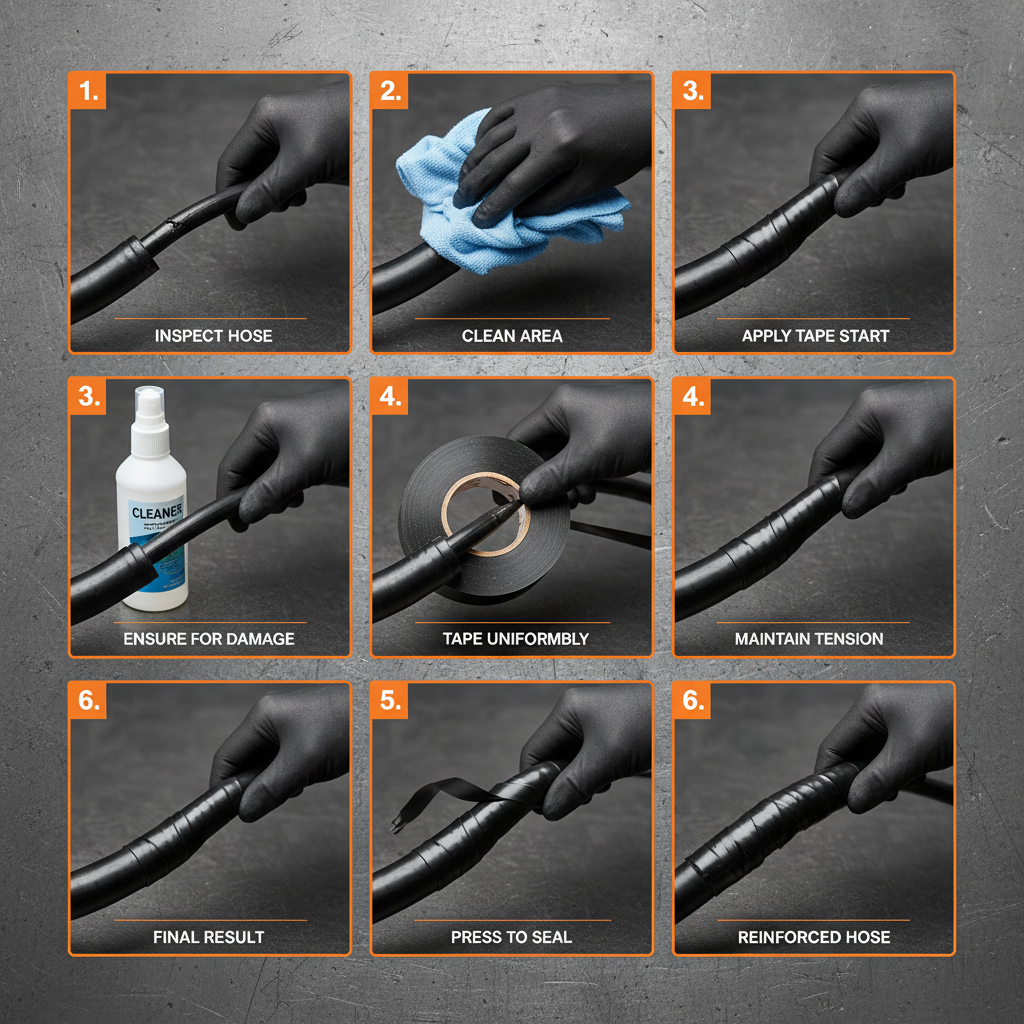
The Short Answer: Why Taping is Generally a Bad Idea
While it might seem like a quick and easy fix, taping a power steering hose is generally not recommended. Power steering systems operate under significant pressure – often exceeding 1500 PSI. Standard tapes, even duct tape, simply aren't designed to withstand this kind of stress. They can quickly fail, leading to a sudden and potentially dangerous loss of power steering, increased risk of accidents, and further damage to your vehicle. The fluid itself can also degrade the adhesive on many tapes, causing it to peel away even faster. Think of it as a temporary band-aid on a serious wound - it won't solve the underlying problem and could make things worse.
Key Takeaway: Taping a power steering hose is a temporary, unreliable, and potentially dangerous solution. It’s far better to address the root cause of the leak.
Understanding the Risks of a Failed Power Steering Hose
A failing power steering hose doesn’t just mean harder steering; it presents several serious risks. A complete hose failure can result in a sudden loss of power steering assist, making it extremely difficult to control the vehicle, particularly at higher speeds. The spraying power steering fluid is also flammable and can damage other engine components. Furthermore, the fluid is corrosive and can harm your vehicle’s paint and rubber parts. Ignoring a leak can also lead to pump failure, which is a much more expensive repair.
Potential Consequences of a Power Steering Hose Failure:
• Loss of steering control
• Fire hazard
• Damage to engine components
• Corrosive fluid exposure
Can You Tape a Power Steering Hose Temporarily?
If you’re in a pinch and need to get your vehicle to a repair shop, a very temporary fix might be possible, but with significant caveats. We're talking about a truly emergency situation. Use a high-strength, oil-resistant repair tape specifically designed for automotive applications (not standard duct tape). Clean and dry the hose thoroughly before applying multiple layers of tape, ensuring a tight seal. Even then, drive extremely cautiously and at very low speeds. This is not a long-term solution and should be replaced as soon as possible.
Proper Power Steering Hose Repair and Replacement
The correct approach to a leaking power steering hose is either a professional repair or a complete replacement. A qualified mechanic can assess the damage and determine the best course of action. Replacing the hose ensures a long-lasting and safe solution. When replacing, it's crucial to use a high-quality hose designed for your vehicle's make and model. At Hose QRT, we provide a wide range of reliable and durable power steering hoses.
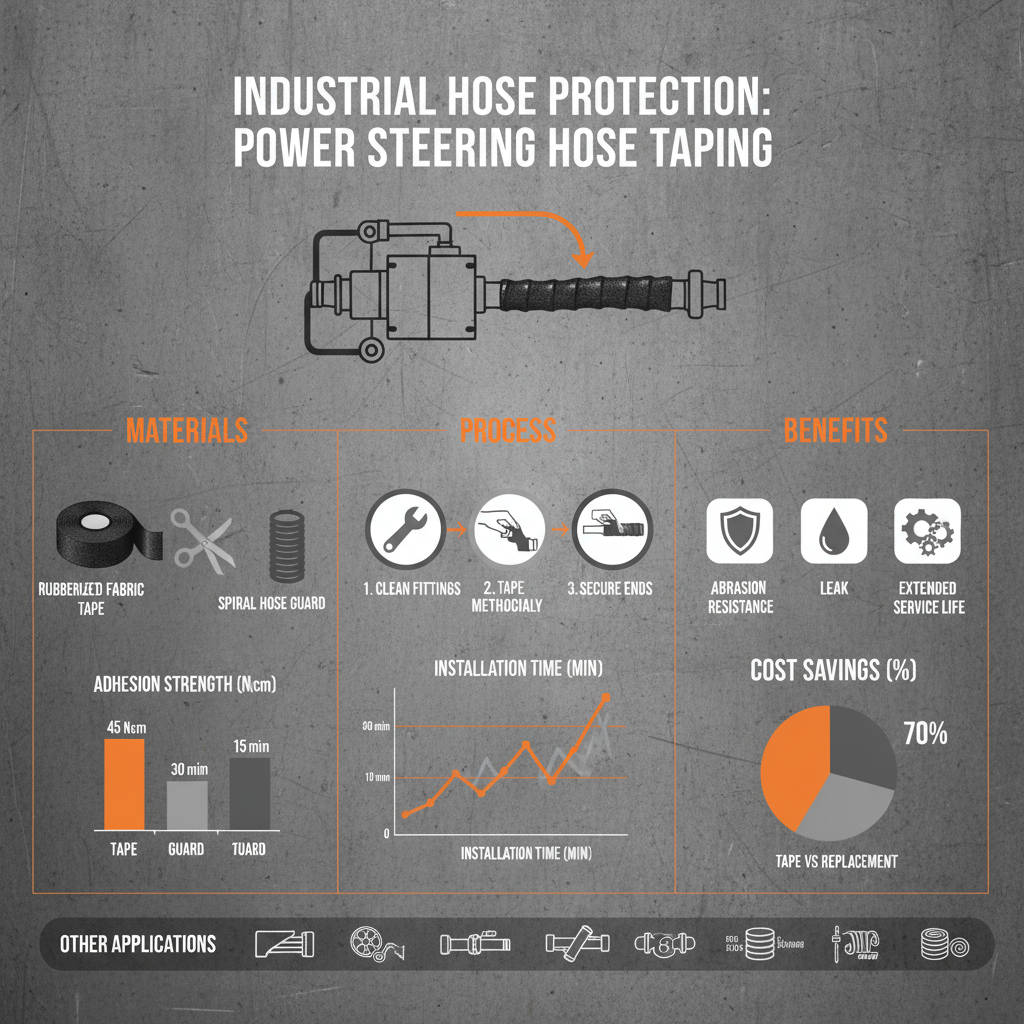
Preventative Maintenance for Power Steering Hoses
Regular inspection of your power steering hoses can help prevent leaks and failures. Look for cracks, bulges, or signs of deterioration. Check the fluid level and top it off as needed. Avoid over-tightening the steering wheel when parked, as this can put unnecessary stress on the system. By following these simple maintenance tips, you can extend the life of your power steering hoses and ensure your vehicle’s safe operation.
Conclusion: Don't Risk It - Replace, Don't Tape!
While the idea of quickly taping a power steering hose might be tempting, it’s a dangerous gamble. The risks far outweigh any perceived convenience. Prioritize safety and invest in a proper repair or replacement from a trusted source like Hose QRT. Your safety and the longevity of your vehicle depend on it.
Frequently Asked Questions (FAQs)
What type of fluid is used in power steering systems?
Most power steering systems use a specialized hydraulic fluid. The specific type varies depending on the vehicle make and model. Some older vehicles use Automatic Transmission Fluid (ATF), while newer cars often use a dedicated power steering fluid. Always check your vehicle's owner's manual to determine the correct fluid type. Using the wrong fluid can damage the pump and hoses.
How often should power steering hoses be replaced?
There’s no fixed replacement schedule for power steering hoses. However, it's generally recommended to inspect them every 2-3 years and replace them if you notice any signs of wear, such as cracks, bulges, or leaks. Hoses exposed to extreme temperatures or harsh chemicals may need to be replaced more frequently. Preventative replacement can save you from costly repairs down the road.
What are the signs of a failing power steering pump?
Several symptoms indicate a failing power steering pump. These include difficult steering, especially at low speeds, whining or groaning noises when turning the steering wheel, power steering fluid leaks, and intermittent loss of power steering assist. If you notice any of these signs, it's crucial to have your vehicle inspected by a qualified mechanic.
-
Custom Power Steering Hose Kit Guide for Vehicle PerformanceNewsApr.16,2026
-
Guide to High Performance Custom Made Power Steering HosesNewsApr.09,2026
-
Comprehensive Guide to Custom High Pressure Power Steering Hose SolutionsNewsApr.07,2026
-
Comprehensive Guide to CRV Power Steering Hose Maintenance and ReplacementNewsApr.04,2026
-
Comprehensive Guide to CPP Power Steering Hoses for Optimal Vehicle PerformanceNewsMar.31,2026
-
Understanding the Cost to Repair Power Steering Hose and Associated FactorsNewsMar.28,2026
 Afrikaans
 Albanian
 Amharic
 Arabic
 Armenian
 Azerbaijani
 Basque
 Belarusian
 Bengali
 Bosnian
 Bulgarian
 Catalan
 Cebuano
 Corsican
 Croatian
 Czech
Czech
 Danish
 Dutch
Dutch
 Esperanto
 Estonian
 Finnish
 French
 Frisian
 Galician
 Georgian
 German
 Greek
Greek
 Gujarati
 Haitian Creole
 Hausa
Hausa
 Hawaiian
 Hebrew
 Hindi
Hindi
 Miao
Miao
 Hungarian
 Icelandic
 Igbo
Igbo
 Indonesian
 Irish
Irish
 Italian
 Japanese
 Javanese
 Kannada
 Kazakh
 Khmer
Khmer
 Rwandese
 Korean
 Kurdish
 Kyrgyz
 Lao
Lao
 Latin
Latin
 Latvian
 Lithuanian
 Luxembourgish
 Macedonian
 Malgashi
 Malay
Malay
 Malayalam
 Maltese
 Maori
Maori
 Marathi
 Mongolian
 Myanmar
 Nepali
 Norwegian
 Norwegian
 Occitan
 Pashto
 Persian
 Polish
 Portuguese
 Punjabi
 Romanian
 Russian
 Samoan
 Scottish Gaelic
 Serbian
 Sesotho
 Shona
Shona
 Sindhi
 Sinhala
 Slovak
 Slovenian
 Somali
 Spanish
 Sundanese
 Swahili
 Swedish
 Tagalog
 Tajik
Tajik
 Tamil
Tamil
 Tatar
Tatar
 Telugu
 Thai
Thai
 Turkish
 Turkmen
 Ukrainian
 Urdu
Urdu
 Uighur
 Uzbek
Uzbek
 Vietnamese
 Welsh
Welsh
 Bantu
Bantu
 Yiddish
 Yoruba
 Zulu
Zulu
 English