

Comprehensive Guide to Choosing the Right Clamp for Power Steering Hose Systems
Choosing the Right Clamp for Power Steering Hose: A Comprehensive Guide
Maintaining the integrity of your power steering system is crucial for vehicle safety and performance. A key component in this system is the clamp for power steering hose, responsible for securing the hose connections and preventing leaks. Selecting the correct clamp is essential for reliable operation. This article provides a comprehensive guide to understanding, choosing, and utilizing power steering hose clamps, with a focus on quality and compatibility. Properly secured hoses ensure optimal steering response and prevent costly repairs. We'll cover the different types, materials, and critical considerations when making your selection.
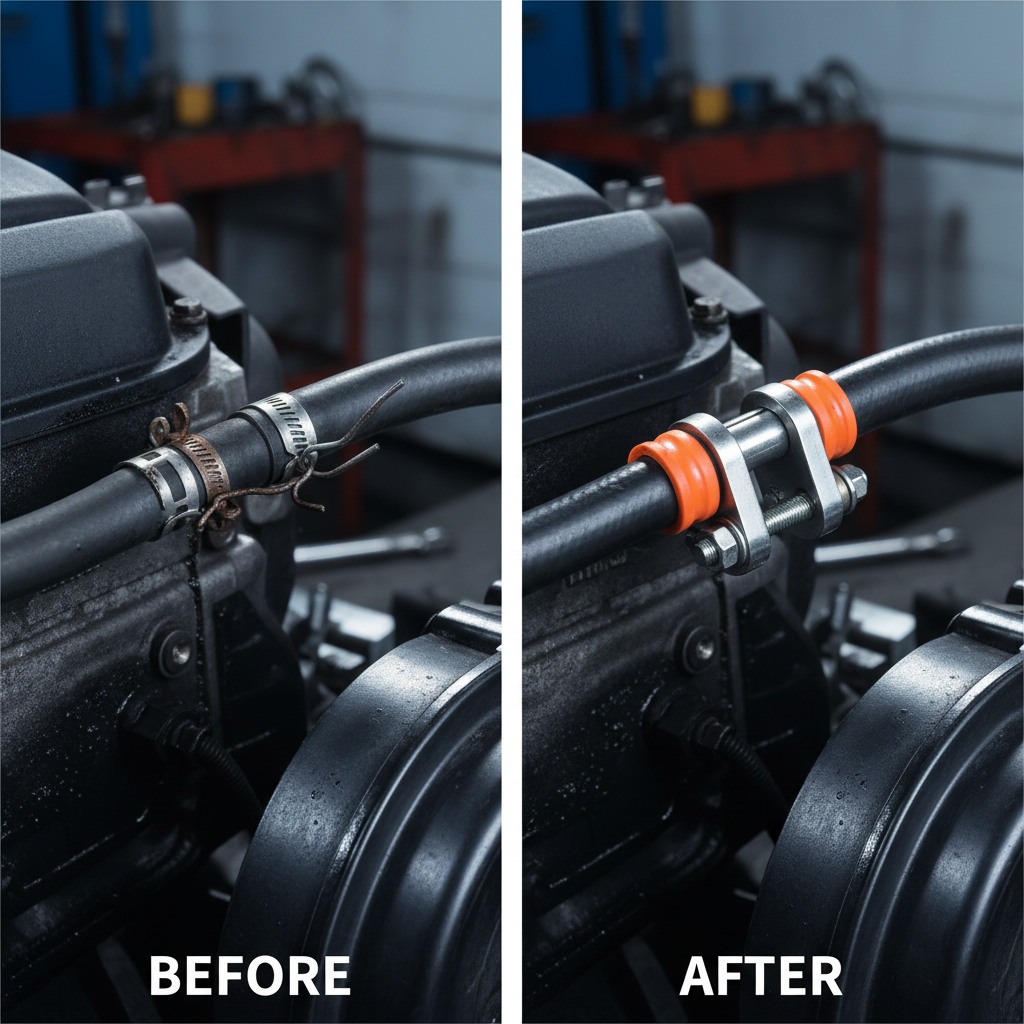
Understanding the Importance of Power Steering Hose Clamps
Power steering systems operate under high pressure, making secure hose connections paramount. A loose or corroded clamp for power steering hose can lead to fluid leaks, reducing steering assistance and potentially causing system failure. This can compromise driver control and necessitate expensive repairs. Choosing the right clamp ensures a tight, reliable seal, even under extreme temperatures and pressures. Furthermore, the material of the clamp is crucial – it must be resistant to power steering fluid and corrosion to maintain its effectiveness over time.
Key Takeaway: Secure hose connections are vital for maintaining optimal steering performance and preventing potentially dangerous failures.
Types of Clamps for Power Steering Hose
Several types of clamps are used for power steering hoses, each with its own advantages and disadvantages. Common types include:
- Spring Clamps: These are quick and easy to install but may not provide the most consistent clamping force.
- Band Clamps (Worm Drive Clamps): These are adjustable and offer a secure hold, making them a popular choice.
- Flange Clamps: Designed for specific applications where the hose connects to a flanged fitting.
- Quick Disconnect Clamps: Used in systems with quick-disconnect fittings for easy hose replacement.
Clamp Type Comparison:
• Spring Clamps: Easy installation, lower clamping force.
• Band Clamps: Adjustable, secure hold, widely used.
• Flange Clamps: For flanged fittings, specific applications.
• Quick Disconnect Clamps: Easy hose replacement in QD systems.
Material Considerations for Power Steering Hose Clamps
The material of the clamp for power steering hose is critical for longevity and performance. Common materials include:
- Stainless Steel: Offers excellent corrosion resistance, ideal for harsh environments.
- Zinc Plated Steel: Provides good corrosion resistance at a lower cost, suitable for most applications.
- Plastic (Nylon): Lightweight and corrosion-resistant, often used in quick-disconnect systems.
Stainless steel is generally preferred for its durability and resistance to power steering fluids, ensuring a long-lasting, reliable connection. Zinc plating offers a cost-effective alternative, but may require replacement sooner in corrosive environments.
Choosing the Right Size and Compatibility
Selecting the correct clamp size is crucial for a secure fit. Measure the outer diameter of the hose before purchasing clamps. Clamps should be snug but not overly tight, as overtightening can damage the hose. Furthermore, ensure the clamp is compatible with the type of hose material (rubber, nylon, etc.) to prevent slippage or damage. Hose QRT offers a wide range of clamps in various sizes and materials to meet diverse application requirements.
Proper Installation and Maintenance
Correct installation is key to ensuring a secure and leak-free connection. Always clean the hose and fitting surfaces before installing the clamp. Tighten the clamp evenly to avoid distorting the hose. Regularly inspect clamps for signs of corrosion or loosening, and replace them as needed. Following these simple steps will help maintain the integrity of your power steering system and prevent costly repairs. Hose QRT provides high-quality clamps and expert advice to ensure optimal performance.
Conclusion: Investing in Quality Power Steering Hose Clamps
Choosing the right clamp for power steering hose is a critical aspect of vehicle maintenance. By understanding the different types, materials, and installation techniques, you can ensure the reliable operation of your power steering system. Investing in high-quality clamps from a trusted supplier like Hose QRT will provide peace of mind and prevent costly repairs down the road.
Frequently Asked Questions (FAQs)
What are the signs that a power steering hose clamp needs to be replaced?
Common signs include visible corrosion, looseness, or damage to the clamp. Power steering fluid leaks around the hose connection are a clear indicator that the clamp is failing. Reduced steering assistance or a noticeable change in steering feel can also suggest a problem with the hose clamps. Regularly inspect your clamps during routine vehicle maintenance to identify and address potential issues before they escalate. Don’t hesitate to replace a clamp if you suspect it's compromised, as neglecting it could lead to more severe problems.
Can I reuse a power steering hose clamp?
It's generally not recommended to reuse a power steering hose clamp. Once a clamp has been tightened, it loses some of its spring tension and clamping force. Reusing a clamp can compromise the seal and increase the risk of leaks. It’s best practice to replace the clamp with a new one whenever you remove a power steering hose. Using a new clamp ensures a secure and reliable connection.
What is the best material for power steering hose clamps in a marine environment?
In a marine environment, where exposure to saltwater is constant, stainless steel clamps are highly recommended. Stainless steel offers superior corrosion resistance compared to other materials, ensuring long-lasting performance and preventing premature failure. Zinc-plated steel clamps are not suitable for marine applications as they will corrode quickly. Choosing stainless steel clamps is a crucial step in maintaining the reliability of your power steering system in a marine environment.
-
Custom Power Steering Hose Kit Guide for Vehicle PerformanceNewsApr.16,2026
-
Guide to High Performance Custom Made Power Steering HosesNewsApr.09,2026
-
Comprehensive Guide to Custom High Pressure Power Steering Hose SolutionsNewsApr.07,2026
-
Comprehensive Guide to CRV Power Steering Hose Maintenance and ReplacementNewsApr.04,2026
-
Comprehensive Guide to CPP Power Steering Hoses for Optimal Vehicle PerformanceNewsMar.31,2026
-
Understanding the Cost to Repair Power Steering Hose and Associated FactorsNewsMar.28,2026
 Afrikaans
 Albanian
 Amharic
 Arabic
 Armenian
 Azerbaijani
 Basque
 Belarusian
 Bengali
 Bosnian
 Bulgarian
 Catalan
 Cebuano
 Corsican
 Croatian
 Czech
Czech
 Danish
 Dutch
Dutch
 Esperanto
 Estonian
 Finnish
 French
 Frisian
 Galician
 Georgian
 German
 Greek
Greek
 Gujarati
 Haitian Creole
 Hausa
Hausa
 Hawaiian
 Hebrew
 Hindi
Hindi
 Miao
Miao
 Hungarian
 Icelandic
 Igbo
Igbo
 Indonesian
 Irish
Irish
 Italian
 Japanese
 Javanese
 Kannada
 Kazakh
 Khmer
Khmer
 Rwandese
 Korean
 Kurdish
 Kyrgyz
 Lao
Lao
 Latin
Latin
 Latvian
 Lithuanian
 Luxembourgish
 Macedonian
 Malgashi
 Malay
Malay
 Malayalam
 Maltese
 Maori
Maori
 Marathi
 Mongolian
 Myanmar
 Nepali
 Norwegian
 Norwegian
 Occitan
 Pashto
 Persian
 Polish
 Portuguese
 Punjabi
 Romanian
 Russian
 Samoan
 Scottish Gaelic
 Serbian
 Sesotho
 Shona
Shona
 Sindhi
 Sinhala
 Slovak
 Slovenian
 Somali
 Spanish
 Sundanese
 Swahili
 Swedish
 Tagalog
 Tajik
Tajik
 Tamil
Tamil
 Tatar
Tatar
 Telugu
 Thai
Thai
 Turkish
 Turkmen
 Ukrainian
 Urdu
Urdu
 Uighur
 Uzbek
Uzbek
 Vietnamese
 Welsh
Welsh
 Bantu
Bantu
 Yiddish
 Yoruba
 Zulu
Zulu
 English