
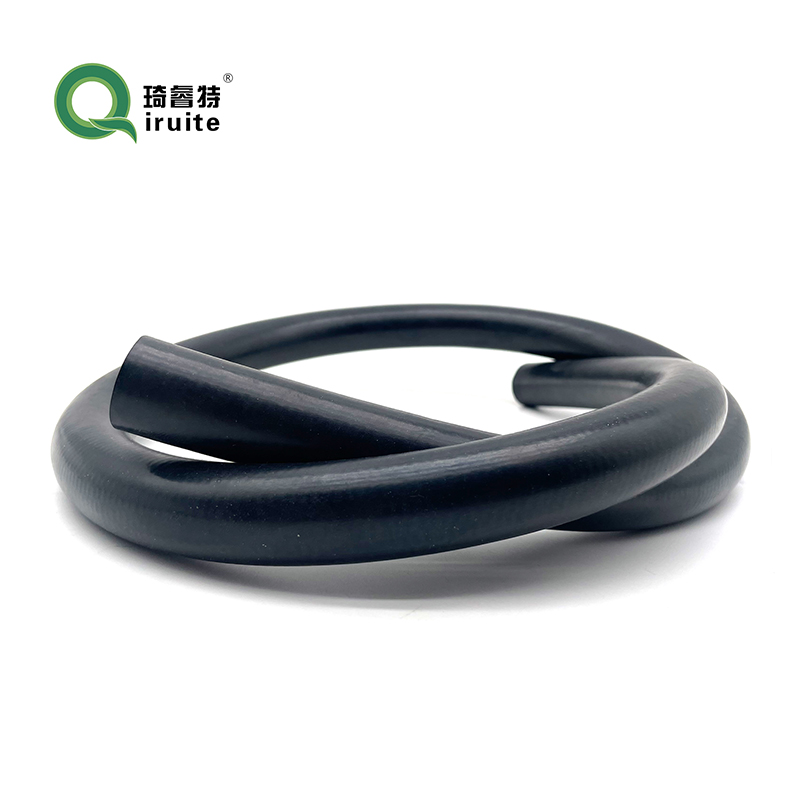
Automotive Rubber Hose Solutions for Turkey's Manufacturing Sector

High-performance rubber and plastic piping engineered for durability in Turkey's diverse climatic conditions and industrial demands.

Request Technical Specs

Precision Engineering Rubber Components

Specialized hose assemblies and connecting components designed for automotive and industrial fluid transfer.

Industrial Landscape of Rubber Manufacturing in Turkey

Analyzing the intersection of automotive demand and material science.

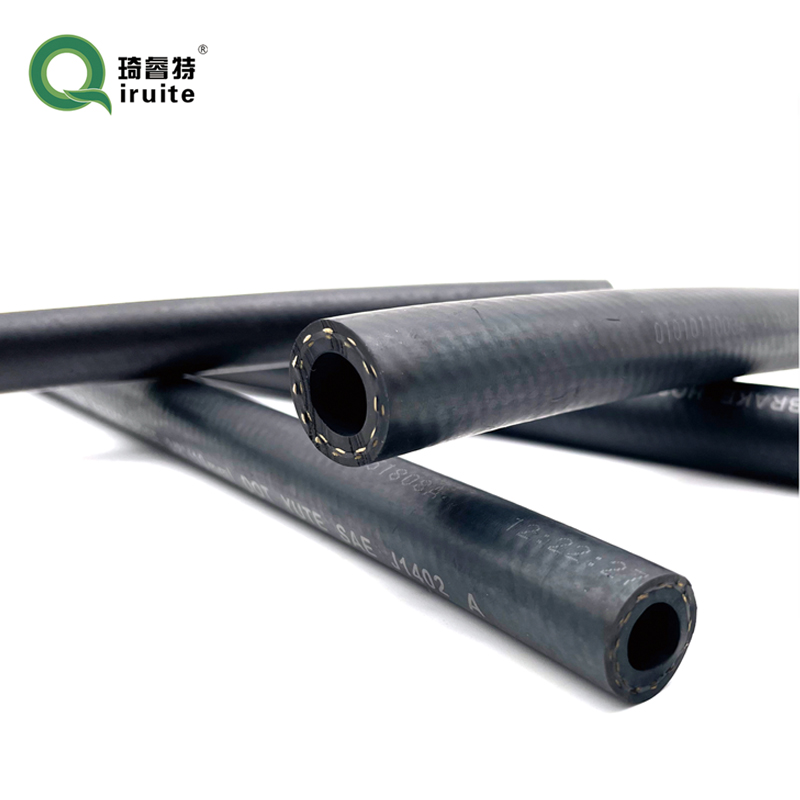
Turkey serves as a critical hub for the automotive supply chain in Eurasia, characterized by a robust manufacturing base that demands high-precision components. In this environment, the reliability of a brake line is paramount, as the region's varied topography—from coastal humidity to highland temperature swings—places extreme stress on rubber elasticity and pressure resistance.

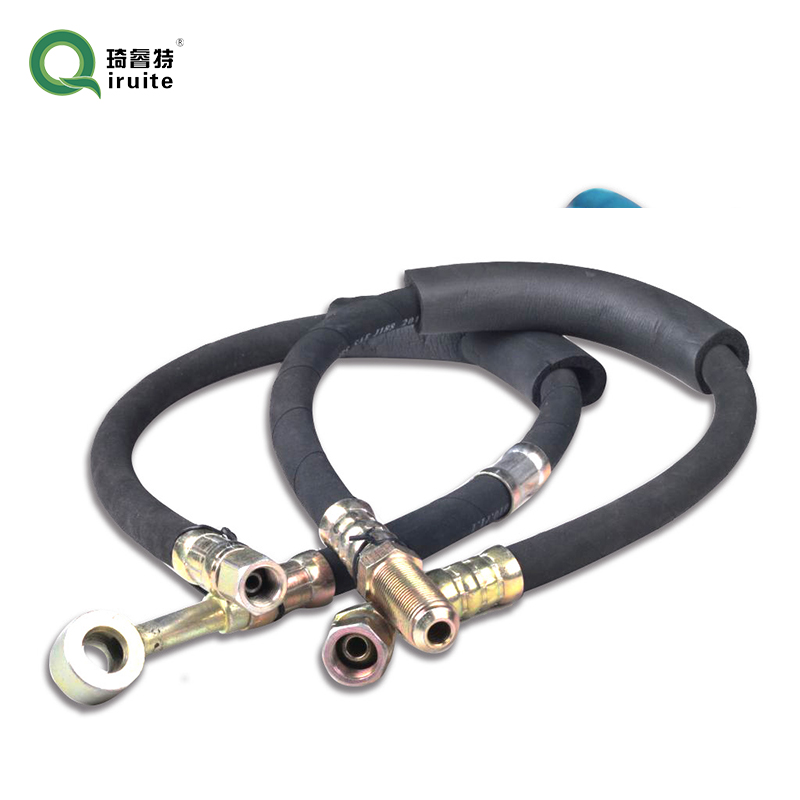
The market is shifting toward advanced composite materials to replace traditional rubber. Modern procurement focuses on components that prevent leakage and permeation. For instance, the integration of specialized pipe couplings and clamps has become a priority for local assembly plants seeking to reduce maintenance cycles and improve the overall safety of fluid transport systems in commercial vehicles.

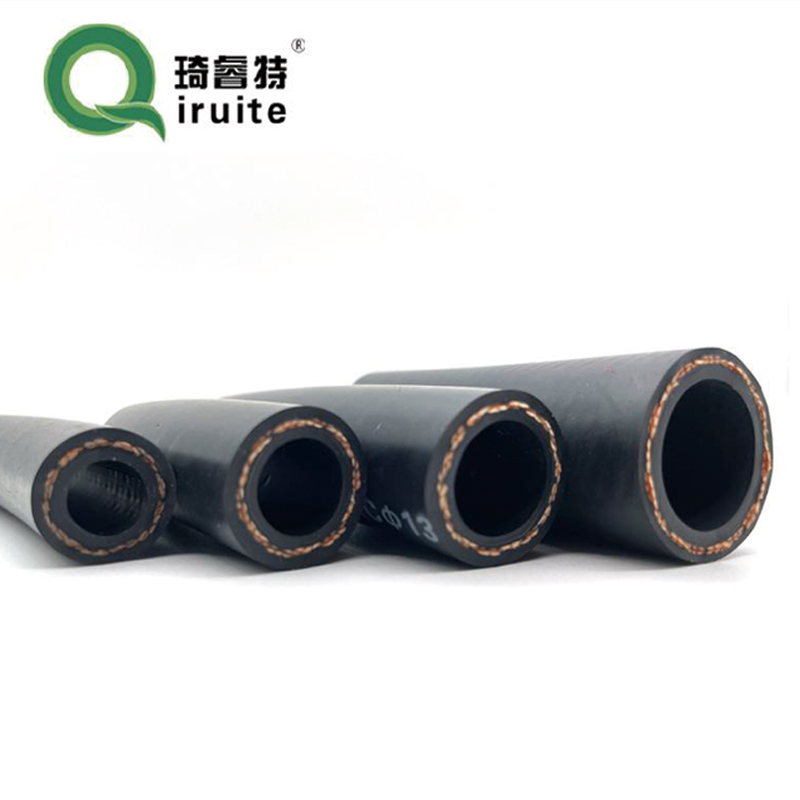
Technological upgrades are now centered on bonding capabilities. Solving the adhesion problem between EPDM rubber and nylon linings allows manufacturers to produce hoses that withstand higher pressures. This technical evolution is essential for the Turkish market, where the demand for high-performance automotive air conditioning and steering systems continues to grow alongside the expansion of regional logistics fleets.
Evolution of Fluid Transfer Technology

From basic rubber extrusions to high-tech composite hoses.

Technology Progress

2012-2015

Foundational Growth. Establishment of research and production facilities focused on standard automotive rubber hoses, utilizing basic vulcanization and extruding processes to meet domestic standards.

2016-2020

Technical Breakthrough. Development of proprietary bonding technology solving the adhesion issue between EPEDM rubber, nylon linings, and polyester yarns, significantly enhancing pressure resistance.

2021-Present

Global Expansion. Implementation of strict QC/T 664-2000 standards and third-party testing to serve international markets including Turkey, Brazil, and Russia with customized hose products.

Market Journey

  • Eco-friendly Material Shift

    Increasing transition toward rubber materials that reduce environmental impact without compromising permeation resistance in automotive A/C systems.

  • Customized Engineering

    A move from standard sizing to tailor-made hose specifications to fit the complex layouts found in modern vehicle power steering hose diagram requirements.

  • Enhanced Durability Testing

    Adoption of more rigorous technical test requirements to ensure stability across extreme temperature gradients found in the Middle East and Asia.

Future Outlook for Rubber Components in Turkey

Strategic directions for the next generation of fluid transport systems.

Material Innovation
Developing next-gen polymers to further reduce gas permeation and increase the lifespan of automotive hoses.
Operational Efficiency
Integrating automated braiding and vulcanization to ensure zero-defect consistency in every batch.
Precision Customization
Utilizing specialized labs to create tailor-made hoses based on specific customer geometric requirements.
Sustainability Focus
Developing recyclable rubber compounds and eco-friendly processing to align with regional green energy goals.

From current market trends, the automotive sector in Turkey will likely see a higher integration of hybrid and electric vehicles, which changes the requirements for thermal management hoses. The emphasis will shift toward hoses that can handle diverse fluids with higher chemical resistance and stability over longer operational cycles.

For regional partners, the focus will be on strengthening the supply chain resilience. Localized distribution of high-spec rubber components will reduce lead times for assembly plants, making the synergy between specialized R&D labs and regional manufacturers more critical than ever.

Regional Application Scenarios

Real-world deployment of high-performance rubber tubing.

01
Automotive Assembly Plants

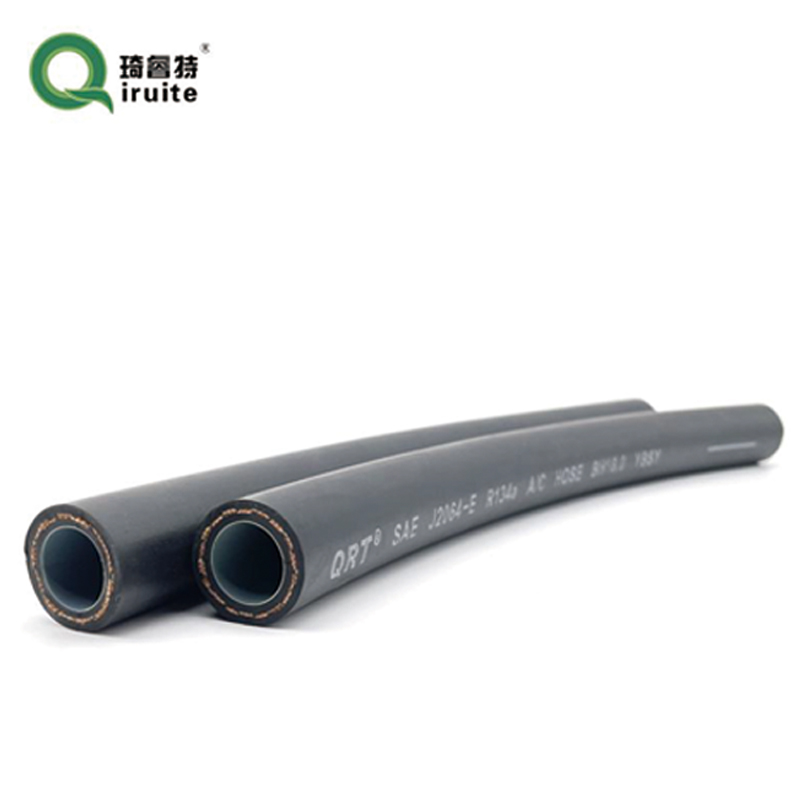
In local manufacturing hubs, our hoses are used in A/C systems to ensure leak-proof refrigerant transfer, providing high pressure resistance for newly assembled vehicles.

02
Agricultural Machinery Maintenance

Farmers in rural regions rely on durable hose a power steering replacements that can withstand dust and extreme outdoor exposure.

03
Urban Logistics Fleets

Delivery vehicles in city centers require high-stability brake lines to ensure safety during frequent stop-and-go traffic and heavy load transport.

04
Industrial Cooling Systems

Local industrial parks use reinforced rubber hoses for cooling loops, where the thick nylon lining prevents permeation and maintains system efficiency.

05
Residential Landscaping

For outdoor water management, using a hose guard for garden ensures that irrigation lines are protected from UV damage and mechanical wear.

Hebei Qiruite Rubber and Plastic Product Co., Ltd

A decade of excellence in rubber and plastic innovation.

2012
Company Establishment

Founded in February 2012 as a high-tech enterprise integrating R&D, production, and sales of specialized rubber products.

Growth Phase
Technological Breakthrough

Successfully solved the global industry challenge of bonding EPEDM rubber with nylon lining and polyester textile yarns.

Present
Global Market Reach

Expanding footprint in Turkey, Brazil, Mexico, and Russia, with all products passing rigorous QC/T 664-2000 third-party tests.

Turkey Industrial Rubber Solutions

Explore our full range of automotive and industrial piping systems tailored for regional requirements.

Technical & Procurement FAQ

Expert answers to common industry questions.

How does the QC/T 664-2000 standard affect hose performance in Turkey's climate?

The QC/T 664-2000 standard involves 18 strict technical tests, ensuring that hoses maintain their structural integrity and pressure resistance across varied temperature ranges, which is critical for the diverse climate of Turkey.

What is the benefit of combining EPEDM rubber with a nylon lining?

This combination provides a superior balance of flexibility and permeation resistance. Our specialized bonding technology ensures these layers do not separate, preventing leaks in high-pressure automotive air conditioning systems.

Can you produce customized hose lengths for specific automotive diagrams?

Yes, we have independent R&D capabilities and a specialized lab. We can adjust specific aspects of the hose based on customer requirements to produce tailor-made products that fit precise geometric specifications.

How do you ensure the stability of raw rubber materials in each batch?

We implement strict controls over raw material quality and rubber stability for every patch. This is supported by our experienced staff and rigorous internal testing before the extruding and vulcanization processes.

What options are available for securing rubber hoses in industrial applications?

We provide a variety of high-strength pipe couplings and clamps designed to ensure a leak-proof seal, particularly in environments subject to high vibration, such as commercial vehicle engines.

Do your products meet international export standards for the Asian and Middle East markets?

Our products are exported globally to Turkey, India, and Russia, among others. They have passed all necessary third-party institution tests, often exceeding the required parameters of the domestic standard.

Optimize Your Rubber Supply Chain in Turkey

Consult with our engineers to find the perfect customized hose solution for your automotive or industrial needs in Turkey.

Contact Our Experts

If you are interested in our products, you can choose to leave your information here, and we will be in touch with you shortly.