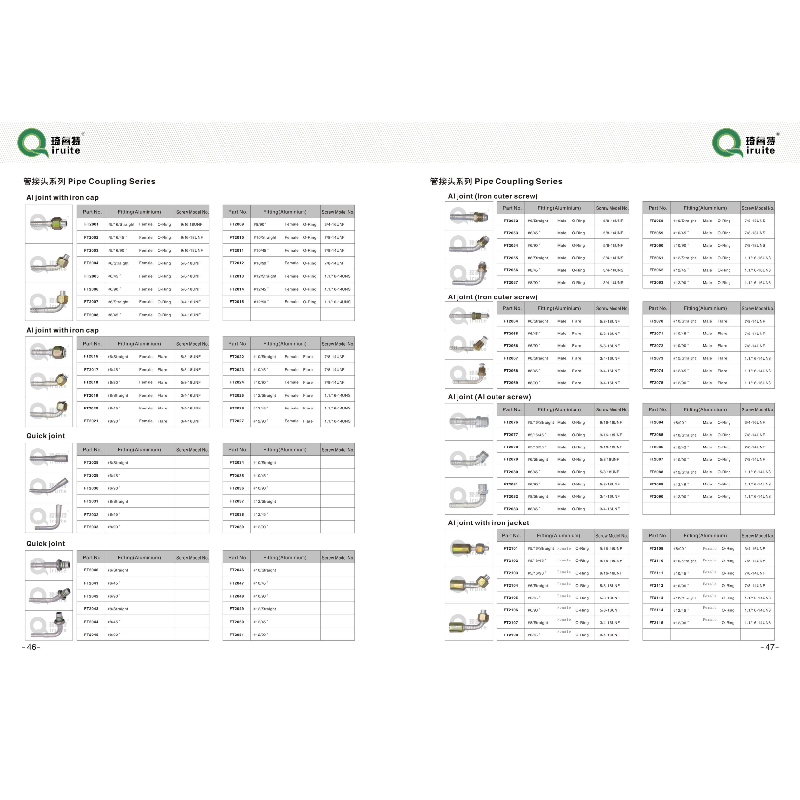

Advanced Rubber Hose Assemblies
Explore our specialized range of automotive and industrial hoses, from HVAC systems to high-pressure hydraulic lines.
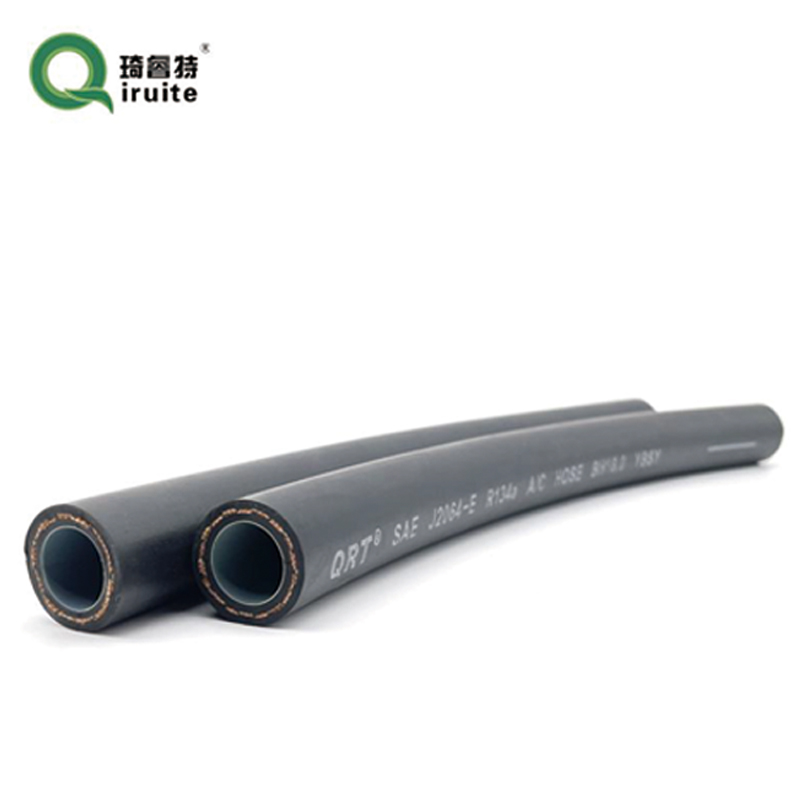
E TYPE FACTORY AIR CONDITIONING HOSE WITH GOOD PERFORMANCE
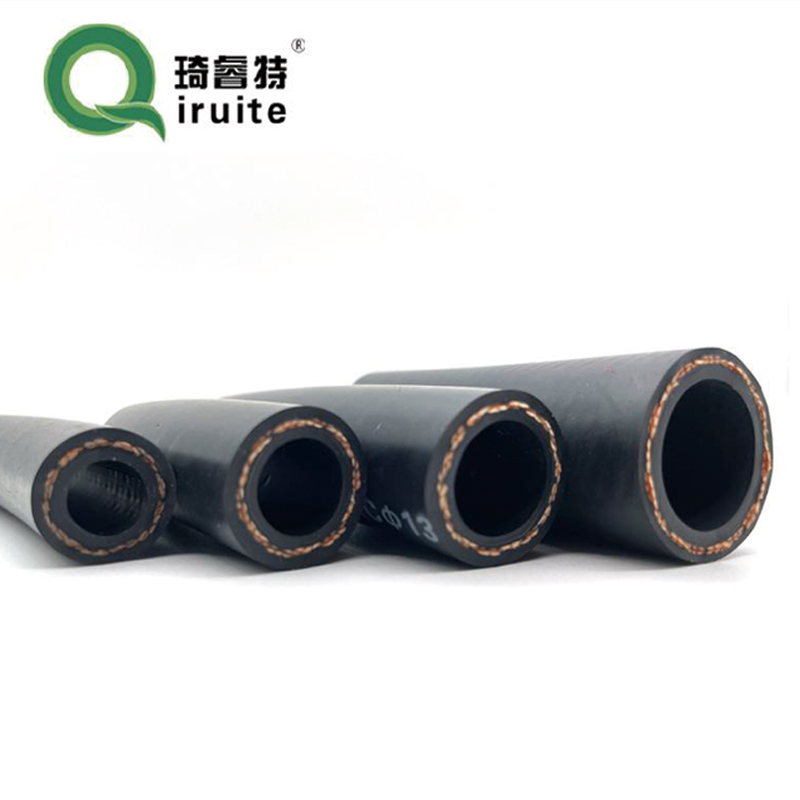
R134a hot sale auto air conditioning hose with good quality
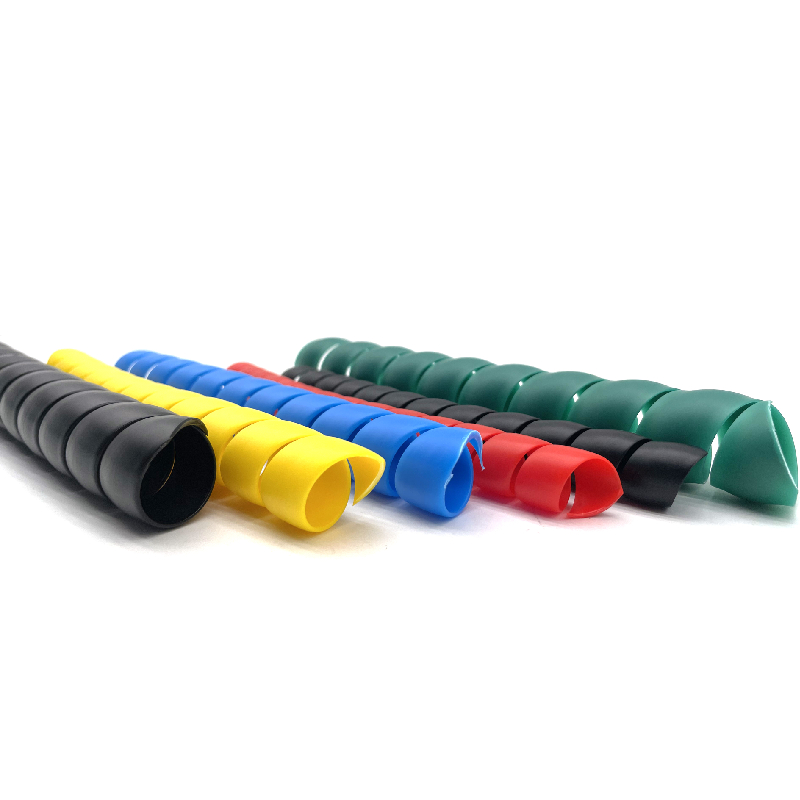
Spiral Protection
Analyzing Industrial Rubber Demand in Paraguay
Evaluating the intersection of regional infrastructure needs and high-specification rubber technology.
The geographical landscape of Paraguay, characterized by diverse climatic zones and an expanding agricultural-industrial base, places significant stress on rubber components. Local operators often face challenges with material degradation due to humidity and temperature fluctuations, necessitating hoses with superior permeation resistance and thermal stability.
Procurement trends among Paraguayan industrial buyers show a shift toward "zero-failure" components. Whether for automotive HVAC or heavy machinery, there is an increasing demand for products that exceed standard QC tests, particularly in areas where a brake line or hydraulic connection is critical to operational safety.
Integrating international standards like QC/T 664-2000 into local maintenance cycles helps Paraguayan firms reduce downtime. The focus has moved from simple replacement to strategic upgrading, utilizing reinforced textile yarns and nylon linings to ensure longevity in rugged environments.
Evolution of Rubber Component Engineering
From basic extrusion to advanced polymer bonding and customized industrial solutions.
Industry Development Trajectory
-
Material Standardization Stage
Early focus on basic rubber extrusion and the adoption of standardized dimensions for general-purpose pipe couplings and clamps. -
Reinforcement Integration Stage
Introduction of braided textile yarns and vulcanization processes to increase pressure resistance for automotive and industrial applications. -
Advanced Polymer Bonding Stage
Solving the critical bonding issue between EPDM rubber, nylon linings, and polyester yarns to create eco-friendly, high-durability hoses.
Future Technical Trends
- Customization — Shift toward tailor-made hose geometries and material compositions based on specific regional environmental stressors.
- Sustainability — Adoption of eco-friendly raw materials that maintain high pressure resistance while reducing environmental impact during production.
- Integration — Development of comprehensive fluid systems where the hose, pipe couplings and clamps, and fittings are engineered as a single optimized unit.
Forward-Looking Analysis of Rubber Technology
Identifying the drivers of efficiency and durability in the next generation of fluid transfer systems.
Material Science Evolution
Developing next-generation EPDM blends that optimize the bond with nylon linings for zero-leakage performance.
Supply Chain Optimization
Reducing lead times for customized hose assemblies through modular design and rapid prototyping.
Pressure Resilience
Increasing the safety margins of hydraulic and power steering lines through enhanced braiding technology.
Environmental Compliance
Transitioning to fully eco-friendly vulcanization processes to meet global sustainability benchmarks.
Future Industry Outlook
Over the next 3-5 years, the industry will likely move toward "intelligent fluid management," where hose materials are engineered to react to pressure spikes. For markets like Paraguay, this means components that can handle the erratic load profiles of agricultural machinery while resisting the corrosive effects of local soil and air conditions.
From a procurement perspective, the reliance on generic parts will decrease as buyers realize the ROI of customized hoses that are specifically designed for their operating environment, leading to lower replacement frequencies and increased system reliability.
Practical Application Scenarios
How high-specification rubber products solve real-world operational challenges.
1
Automotive HVAC System Retrofitting
Implementing high-permeation-resistance A/C hoses in passenger vehicles to ensure refrigerant stability under the intense summer heat of Central South America.
2
Heavy Machinery Hydraulic Maintenance
Replacing worn hose a power steering lines in construction equipment with reinforced textile yarn hoses to prevent bursts during high-load operations.
3
Precision Fluid Transfer in Manufacturing
Using specialized pipe couplings and clamps to secure chemical-resistant rubber tubing in small-to-medium plastic processing plants.
4
Agricultural Irrigation Component Protection
Utilizing a hose guard for garden or industrial scale equivalents to protect flexible lines from mechanical abrasion and UV exposure in open-field farms.
5
Fleet Braking System Upgrades
Integrating high-pressure brake lines that meet rigorous third-party institution tests for logistics fleets operating on varied terrain.
Hebei Qiruite: A Legacy of Rubber Innovation
Dedicated to solving the most complex challenges in rubber-to-polymer bonding.
12
February 2012
Company Establishment
Hebei Qiruite Rubber and Plastic Product Co., Ltd was founded as a high-tech enterprise integrating research, production, and sales of automotive and industrial rubber products.
T
Technology Breakthrough
Solving the EPDM Bonding Problem
Our R&D team solved the global industry challenge of bonding EPDM rubber effectively with nylon linings and polyester textile yarns, positioning the company at the forefront of the industry.
C
Current Capability
Global Market Expansion
Passing all 18 technical requirements of the QC/T 664-2000 standard via third-party institutions and expanding exports to Brazil, Chile, Mexico, and other global markets.
Rubber and Plastic Solutions for the Paraguay Market
Our portfolio includes customized automotive A/C hoses, hydraulic lines, and reinforced rubber piping tailored for regional industrial needs.
Technical FAQ: Rubber Hoses & Fittings
Expert answers to common procurement and engineering questions.
How do I interpret a power steering hose diagram for correct installation?
A power steering hose diagram identifies the specific routing and connection points between the pump and the steering rack. Ensure the hose is installed without sharp bends or kinks to prevent premature wear and pressure drops. Always verify that the fitting ends match the specifications in the diagram before securing with clamps.
What materials are best for a brake line in hot and humid climates?
For humid regions like Paraguay, hoses should be constructed from high-grade rubber reinforced with textile yarn and protected by a nylon lining. This combination ensures the line remains resistant to moisture permeation and thermal degradation while maintaining the structural integrity needed for high-pressure braking.
Why is the bonding between EPDM rubber and nylon lining so critical?
Poor bonding leads to internal delamination, where the lining separates from the rubber core, causing leaks or hose collapse. Hebei Qiruite utilizes a specialized bonding technology that ensures these layers act as a single unit, providing superior pressure resistance and extending the product's service life.
What are the key considerations when selecting pipe couplings and clamps?
Selection should be based on the hose's outer diameter, the maximum operating pressure, and the chemical nature of the fluid. Using the wrong clamp can either cause leaks due to insufficient tension or damage the hose wall through over-tightening. Always match the clamp material to the environment to prevent corrosion.
Can customized hoses be produced for specific machinery in Paraguay?
Yes, we provide tailor-made hose products. By utilizing our independent R&D and specialized lab, we can adjust specific parameters—such as wall thickness, reinforcement density, or material blends—to meet the unique requirements of your equipment and operating environment.
How does the QC/T 664-2000 standard ensure hose quality?
The QC/T 664-2000 standard involves 18 strict technical tests, including pressure resistance, permeation tests, and material stability. Passing these tests through a third-party institution ensures that the hoses can withstand the rigorous demands of automotive and industrial fluid transfer without failure.
Optimize Your Fluid Systems in Paraguay
Whether you need technical consultation for a power steering hose diagram or a bulk order of reinforced brake lines, our engineering team is ready to support your regional requirements.
Contact Us Now