
Regional Insights
The Automotive Rubber Market in Egypt
Analyzing the intersection of high-temperature environments and industrial demand.
The Egyptian automotive sector operates under some of the most challenging climatic conditions globally. With average summer temperatures frequently exceeding 35°C and extreme heat spikes in Upper Egypt, the rubber and plastic products used in vehicle cooling and steering systems are subject to rapid oxidation and thermal fatigue. The local market relies heavily on a mix of imported components and domestic assembly, creating a high demand for hoses that can bridge the gap between cost-efficiency and extreme durability. The infrastructure, spanning from the dense urban traffic of Cairo to the sandy terrains of the Sinai, requires components that are not only heat-resistant but also abrasion-proof.
Current trends in the Egyptian market show a significant shift toward high-specification materials. As vehicle owners move toward more complex air conditioning systems to combat the heat, the demand for hoses with low permeation rates has surged. There is an increasing preference for EPDM-based products due to their superior ozone and weather resistance compared to traditional natural rubber. Furthermore, the growth of the local logistics and transportation fleet is driving a demand for standardized yet customizable hose solutions that can reduce downtime and maintenance cycles, pushing manufacturers to adopt international quality standards like QC/T 664-2000.
Looking forward, the opportunity in Egypt lies in the transition toward more sustainable and eco-friendly automotive components. The constraint remains the volatility of raw material imports and the need for specialized bonding technologies that prevent lining failure. The outlook is positive for enterprises that can provide "tailor-made" solutions, as Egyptian automotive workshops are increasingly seeking components that fit specific vehicle models without the need for extensive modifications. Companies that can demonstrate verified laboratory testing and a history of success in other Middle Eastern markets are positioned to gain significant trust.
Industry Progression
Evolution of Automotive Hose Technology
From simple rubber tubes to multi-layered composite systems.
Early Phase
Basic Rubberization
Initial hoses relied on single-layer natural rubber. While flexible, they suffered from rapid degradation under UV exposure and heat, leading to frequent bursts and leaks in automotive systems.
Expansion Phase
Composite Reinforcement
The industry introduced textile yarn and nylon linings to increase pressure resistance. This allowed for the development of air conditioning hoses that could handle higher refrigerants without failing.
Current Phase
Advanced Bonding
Modern focus is on the molecular bonding of EPDM and nylon. This prevents internal delamination and ensures eco-friendly, low-permeation performance for global markets.
Material Synergy
The primary shift has been from "stacking" materials to "integrating" them. By ensuring that the rubber and the synthetic lining act as a single unit, manufacturers have eliminated the most common cause of internal hose failure.
Standardization of Testing
Reliance on generic quality checks has been replaced by strict adherence to standards like QC/T 664-2000. This allows buyers to predict the lifespan of a component regardless of the manufacturer's location.
Environmental Integration
The move toward eco-friendly vulcanization processes reflects a global demand for reduced chemical emissions during production and longer product lifespans to reduce landfill waste.
Future Outlook
Key Trends in Rubber and Plastic Manufacturing
How technology is reshaping the expectations for automotive fluid conveyance.
High-Precision Tailoring
Industry demand is shifting from bulk generic hoses to customized specifications. This reduces installation errors and optimizes fluid flow for specific engine layouts.
Ultra-Low Permeation Materials
New polymers are being integrated to virtually eliminate gas leakage, enhancing the efficiency of next-generation A/C refrigerants and reducing environmental impact.
Automated QC Integration
The transition to sensor-based inspection during the extrusion and braiding process is reducing defect rates and ensuring 100% consistency across large production batches.
Hybrid Material Architectures
Combining rubber flexibility with plastic-like chemical resistance in a single hose structure is becoming the standard for high-performance automotive applications.
The convergence of these trends indicates a move away from "commodity" rubber products toward "engineered" fluid systems. In regions like Egypt, this evolution is critical because the cost of failure is amplified by the climate. The adoption of hybrid architectures allows for hoses that can withstand both the high pressures of modern power steering systems and the aggressive chemical nature of new synthetic oils.
Furthermore, the integration of automated quality control ensures that "tailor-made" doesn't mean "unstable." By using specialized labs to verify each batch against the QC/T 664-2000 standard, manufacturers can provide a level of reliability that was previously only available from original equipment manufacturers (OEMs), democratizing high-performance parts for the after-market.
Application Contexts
Real-World Deployment Scenarios in Egypt
How professional-grade hoses perform in diverse Egyptian operational environments.
01
Cairo Urban Transport Fleet Maintenance
In the stop-and-go traffic of Cairo, engine bay temperatures soar. A fleet operator replacing standard A/C hoses with EPDM-nylon bonded hoses finds that the reinforced textile yarn prevents the hoses from collapsing under vacuum or bursting under peak heat, reducing vehicle downtime during the summer peak.
02
Luxor & Aswan High-Heat Logistics
Logistics trucks operating in Upper Egypt face constant exposure to extreme ambient heat. By using hoses that exceed QC/T 664-2000 standards, these vehicles maintain stable brake line performance, as the rubber does not harden or crack despite the relentless thermal stress.
03
Red Sea Coastal Tourism Shuttles
Vehicles operating in coastal areas face the dual threat of heat and salty air, which accelerates rubber corrosion. The eco-friendly, high-density vulcanized rubber prevents salt-air permeation, ensuring that the air conditioning systems remain efficient for tourist transport across the coast.
04
Agricultural Machinery in the Nile Delta
Tractors and harvesters in the Delta are exposed to oil, fertilizers, and abrasive soil. The use of heavy-duty pipe couplings and clamps combined with reinforced rubber ensures that hydraulic and steering lines do not leak when subjected to vibration and external grime.
05
Custom Vehicle Modifications in Alexandria
For specialized vehicle builds in Alexandria's industrial hubs, standard hose lengths often don't fit. Using a provider with independent R&D allows for tailor-made hoses that follow a precise power steering hose diagram, preventing routing-related failures.
Industry Perspectives
Representative Application Outcomes
Illustrative scenarios showcasing the impact of high-specification rubber components.
In high-temperature urban environments, the most frequent failure is the separation of the inner liner. Implementing hoses with integrated EPDM-nylon bonding eliminates this risk, ensuring that A/C systems maintain pressure throughout the summer without needing frequent refrigerant top-ups.
Precision in dimensions is just as important as material quality. When hoses are manufactured to a specific technical diagram, it eliminates the need for stretching or forced fitting, which is where most premature leaks begin in power steering systems.
Verification through third-party standards like QC/T 664-2000 provides the necessary confidence for large-scale procurement. Knowing a product has passed 18 strict tests reduces the uncertainty associated with importing industrial rubber components.
Our Legacy
Hebei Qiruite: Engineering Excellence
A decade of innovation in rubber and plastic product manufacturing.
2012
Company Establishment
Hebei Qiruite Rubber and Plastic Product Co., Ltd was established in February 2012 as a high-tech enterprise integrating research, production, and sales, specializing in automotive air conditioning hoses.
Over a Decade
Technological Breakthrough
Through extensive R&D, we solved a global industry challenge: ensuring that EPDM rubber bonds securely with nylon lining and polyester textile yarns, positioning us at the forefront of the industry.
Present
Global Market Expansion
Our products are now widely exported to the American, Asian, and Middle-East markets, including countries like Brazil, Chile, Mexico, and Australia, earning a global reputation for quality.
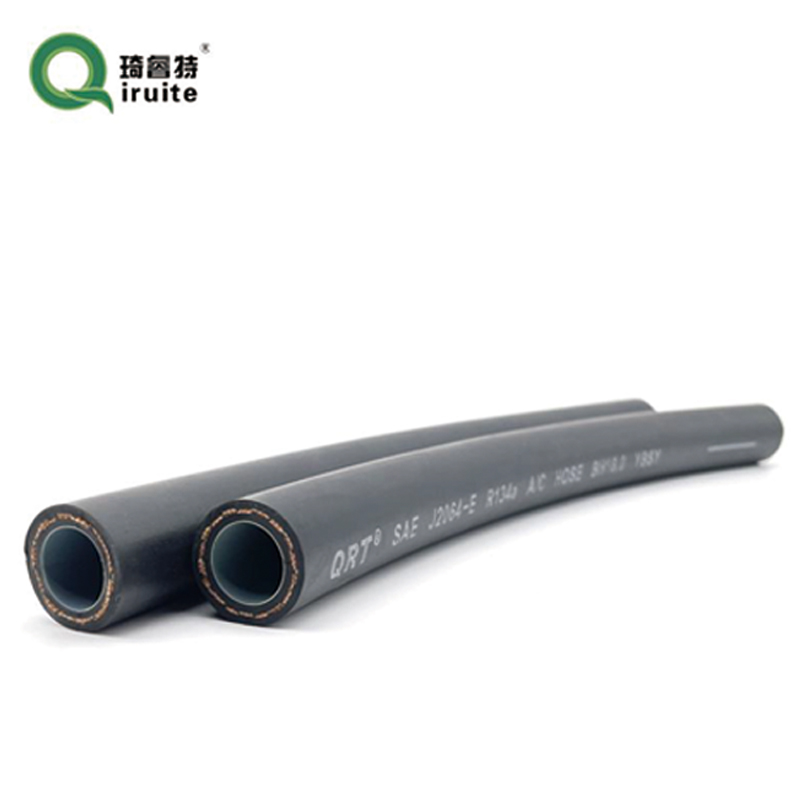
R134a hot sale auto air conditioning hose with good quality
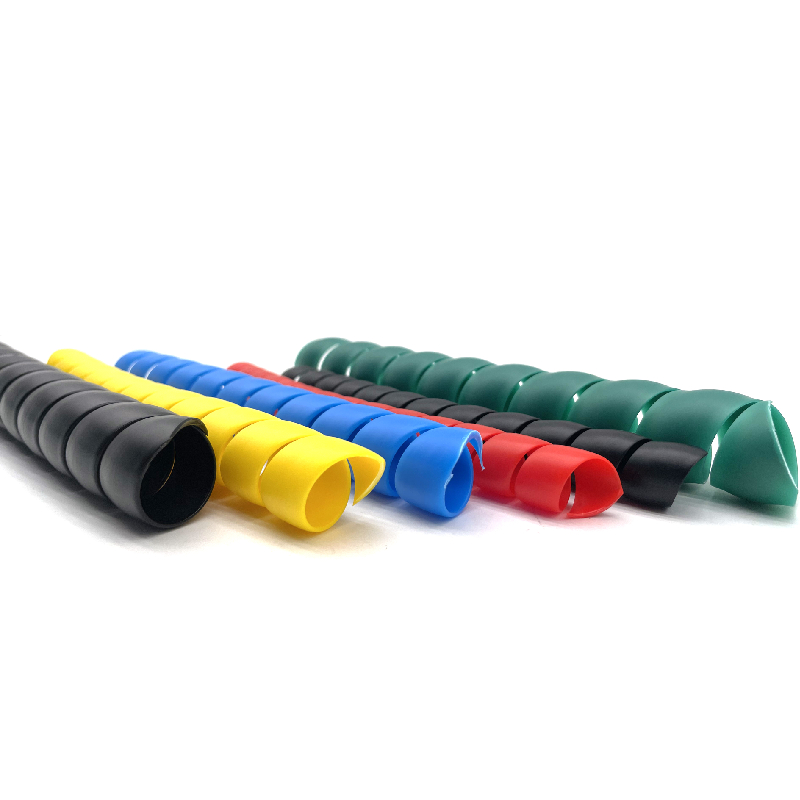
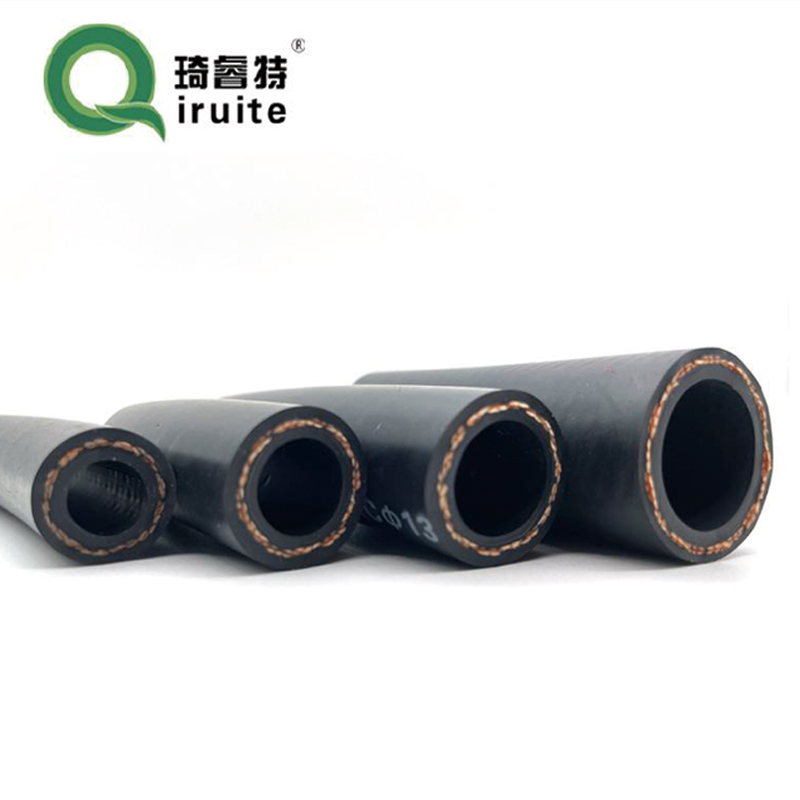
Spiral Protection
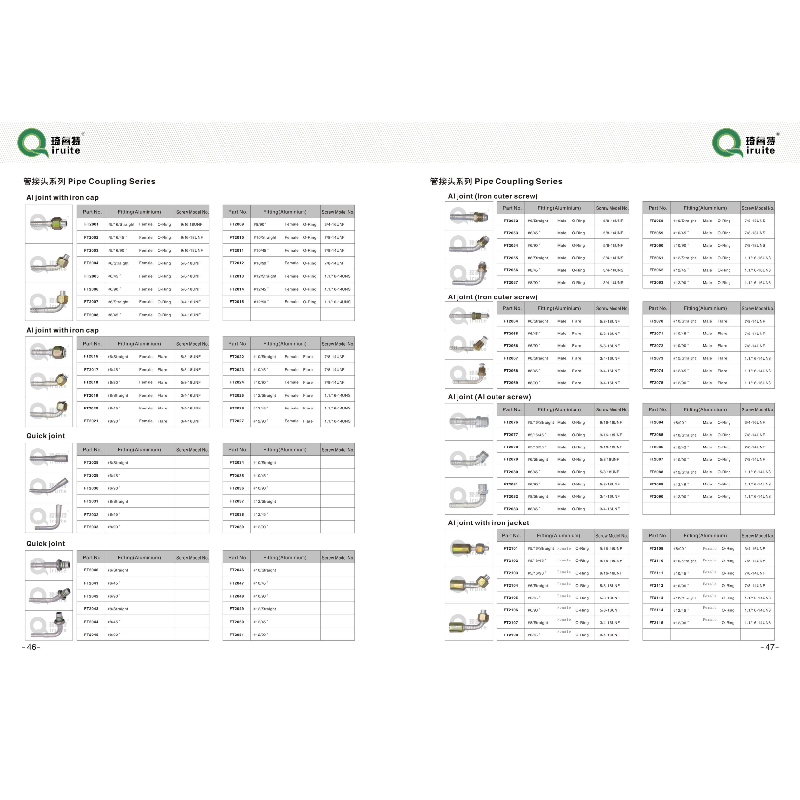
Pipe Coupling Type
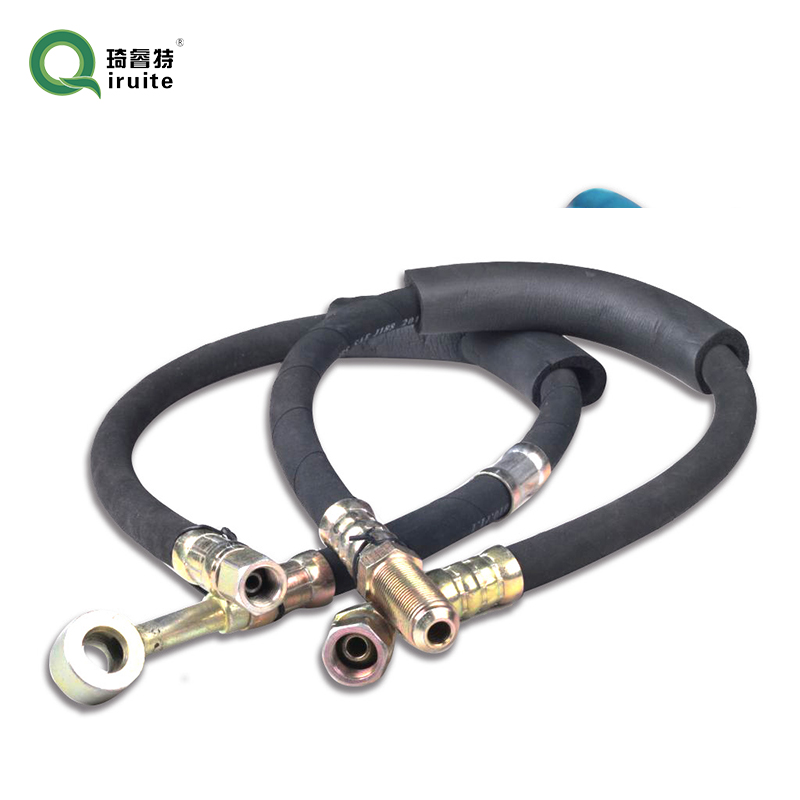
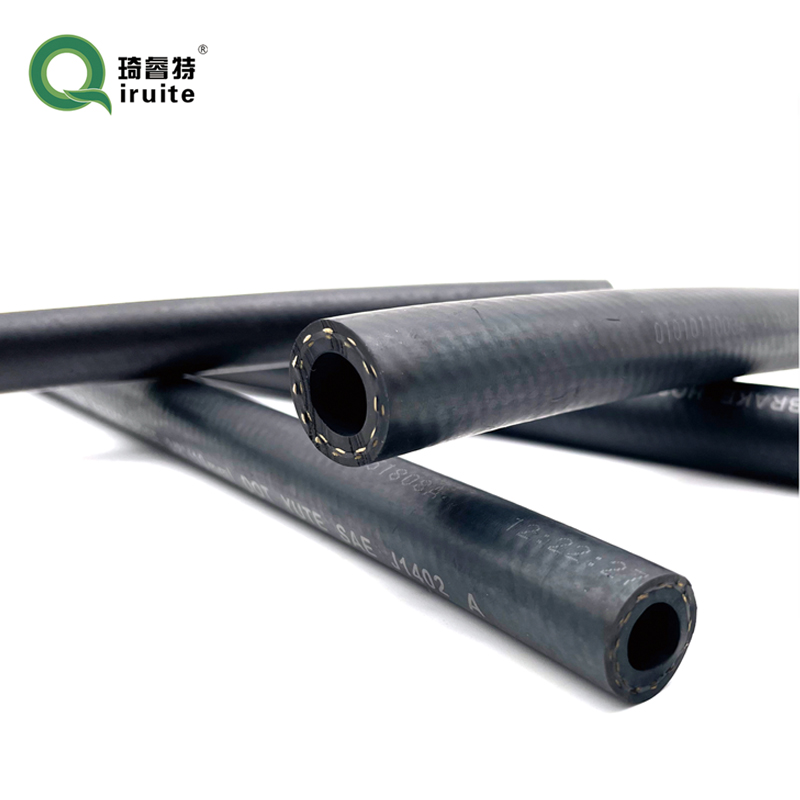
High-quality power steering tube
Knowledge Base
Frequently Asked Questions
Technical and commercial guidance for automotive hose procurement.
What is the primary advantage of EPDM rubber for automotive hoses in hot climates like Egypt?
EPDM (Ethylene Propylene Diene Monomer) is specifically engineered for superior resistance to heat, ozone, and weather. In Egypt's climate, standard rubber oxidizes quickly, leading to cracks. EPDM remains flexible at high temperatures, significantly extending the service life of A/C and steering hoses and preventing the sudden pressure losses that cause system failure.
How does Hebei Qiruite ensure the bonding between the rubber and the nylon lining?
We use a specialized R&D-driven bonding process that allows EPDM rubber to chemically adhere to the nylon lining and polyester textile yarns. This eliminates the "slippage" or delamination common in lower-quality hoses, ensuring that the inner lining does not collapse or peel away under the high pressure and temperature cycles of an automotive engine.
What does compliance with the QC/T 664-2000 standard actually mean for the end user?
Compliance means the hose has passed 18 rigorous technical tests, including burst pressure, permeation resistance, and thermal aging. For the user, this translates to a guaranteed baseline of safety and reliability. Our products often exceed these parameters, meaning they provide a larger safety margin against failure in extreme conditions.
Can you produce customized hoses for specific vehicle models not found in standard catalogs?
Yes, we have a specialized lab and experienced staff capable of independent research and development. We can modify specific aspects of the hose, such as length, diameter, and reinforcement levels, to produce tailor-made products based on a customer's technical drawings or a specific vehicle's requirements.
Why is a nylon lining preferred over a simple rubber interior for A/C hoses?
Nylon provides a much denser barrier than rubber alone, which is critical for preventing the permeation of refrigerant gases. This ensures the A/C system maintains its charge longer, reduces the load on the compressor, and improves overall cooling efficiency, which is vital for vehicles operating in high-temperature regions.
What is the best way to prevent external abrasion of hoses in sandy or dusty environments?
We recommend using a dedicated hose guard or protective sleeve in conjunction with high-quality rubber hoses. Additionally, ensuring the hose is routed correctly according to the technical diagram prevents rubbing against other engine components, while our thick-walled EPDM construction provides an inherent layer of protection against fine sand and debris.
Ready to Upgrade
Secure Your Fleet with Egypt's Most Reliable Hose Solutions
Whether you are a fleet operator in Cairo or a specialized workshop in Alexandria, ensuring your automotive fluid systems can withstand the Egyptian heat is critical. Hebei Qiruite provides the technical backing, verified QC testing, and customization capability needed to eliminate downtime. Contact us today to discuss your specific technical requirements and request a professional consultation.
Discuss Your Requirements