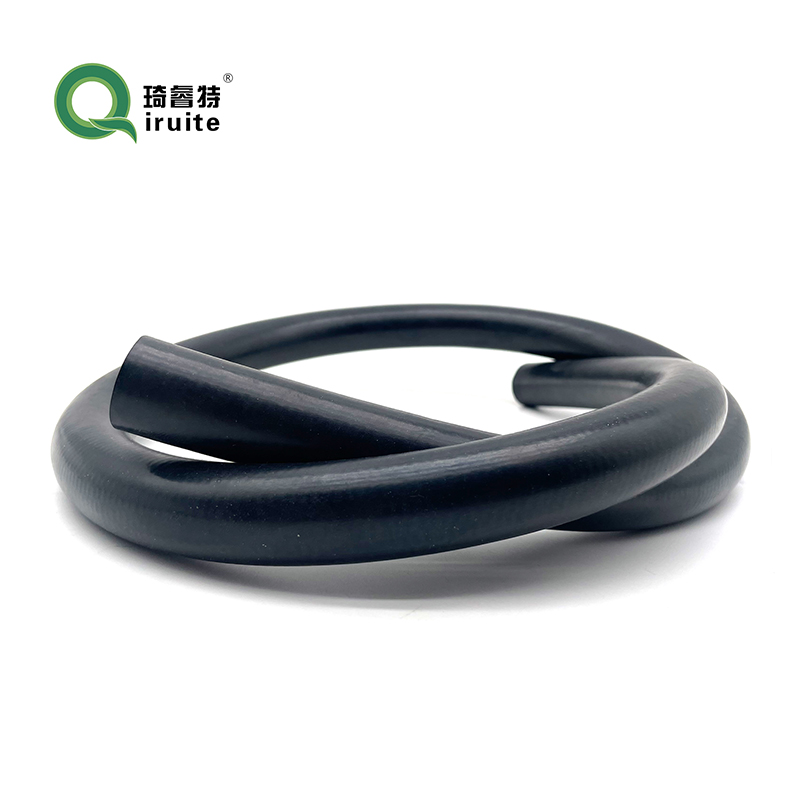
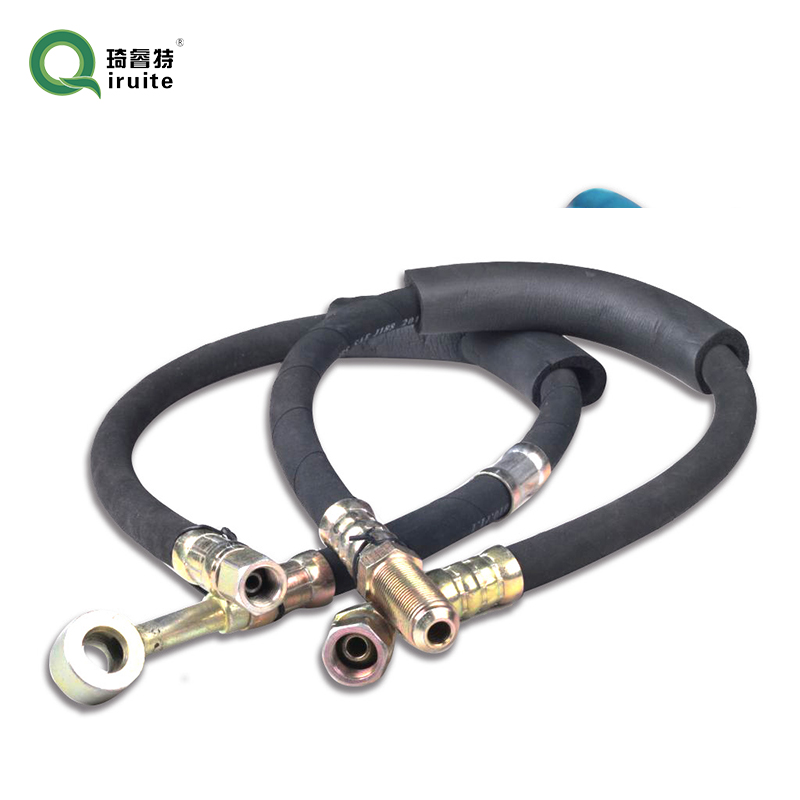
The automotive and industrial landscape in Iraq is heavily influenced by high ambient temperatures and sandy environments, which accelerate the degradation of standard rubber parts. For operators maintaining heavy-duty fleets, the integrity of a brake line is critical for safety, as heat cycles can cause premature cracking in inferior materials. This environmental pressure creates a consistent demand for hoses with superior thermal stability and resistance to permeation.
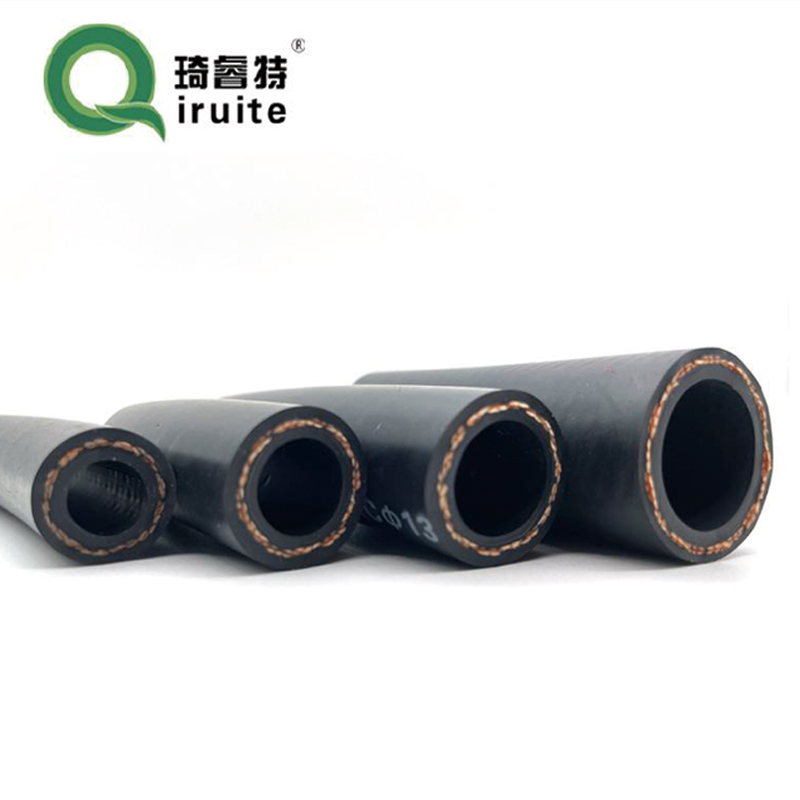
Furthermore, the widespread use of complex hydraulic and cooling systems in Iraq's construction and transport sectors requires a precise understanding of fluid dynamics. Technicians often rely on a power steering hose diagram to ensure correct routing and installation, reducing the risk of friction-induced wear. The focus is shifting toward components that offer higher pressure resistance and better bonding between rubber layers and reinforcements to prevent catastrophic leaks.
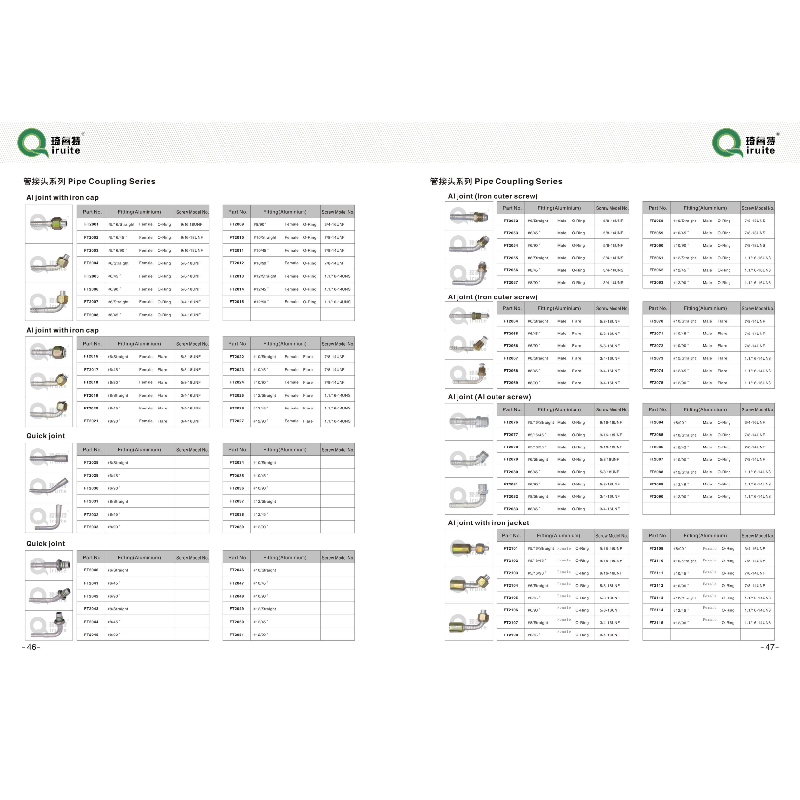
From a procurement perspective, local enterprises are increasingly prioritizing certified quality standards over low-cost alternatives. The implementation of secure pipe couplings and clamps is now seen as a fundamental requirement to avoid downtime in critical energy and transport infrastructure. As the regional industry evolves, there is a clear trend toward adopting eco-friendly, high-grade materials that can endure the rigorous operational cycles characteristic of the Middle Eastern climate.