

Comprehensive Guide to C3 Corvette Power Steering Hoses and System Maintenance
Understanding C3 Corvette Power Steering Hoses: A Comprehensive Guide
Maintaining the classic performance of your C3 Corvette requires attention to all its systems, and the power steering is no exception. The C3 Corvette power steering hoses are vital components, responsible for delivering hydraulic pressure to the steering gear. Over time, these hoses can degrade, leading to leaks, reduced steering performance, and potential safety hazards. This article will provide a detailed overview of C3 Corvette power steering hoses, covering their types, common problems, replacement options, and preventative maintenance. Ensuring your power steering system is in top condition will preserve the driving experience and value of your beloved Corvette.
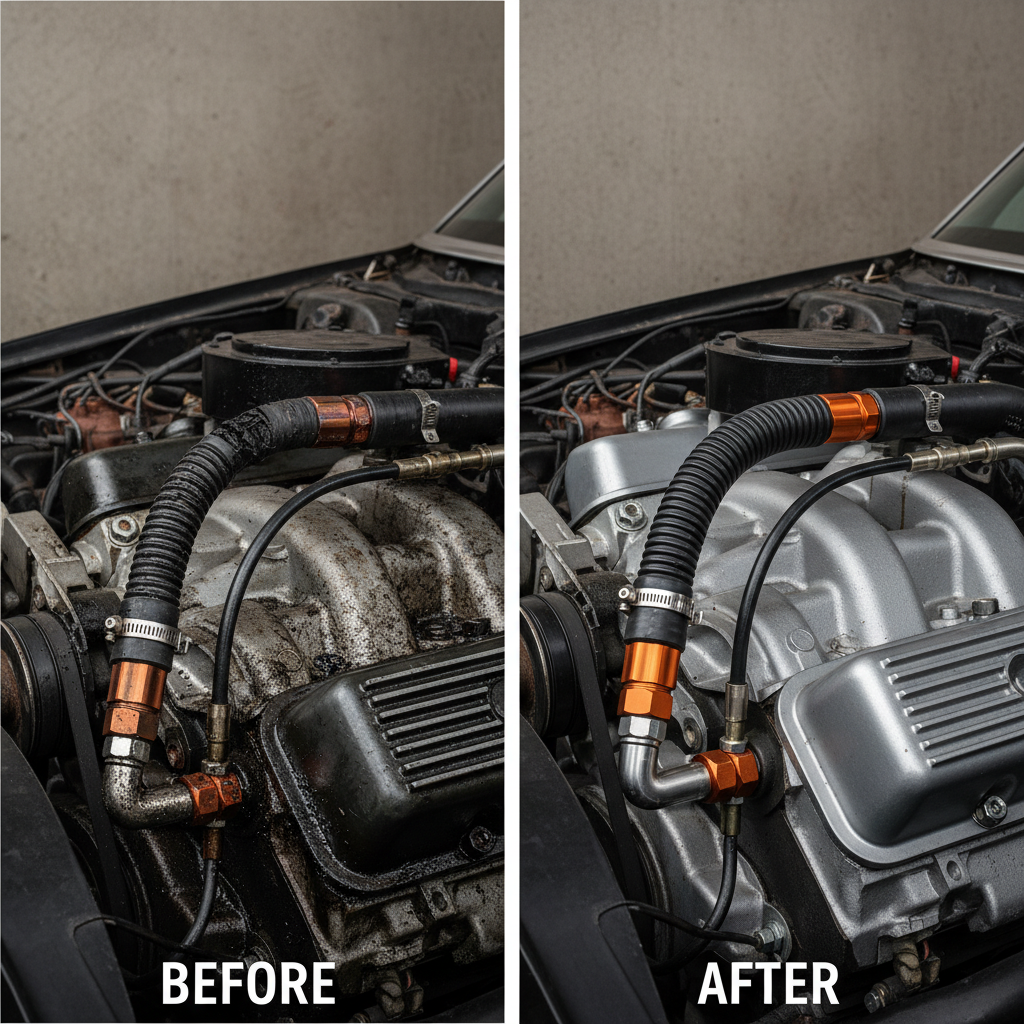
Types of C3 Corvette Power Steering Hoses
C3 Corvettes (1968-1982) generally feature three main power steering hose types: the high-pressure hose, the low-pressure return hose, and the short pump-to-gear hose. The high-pressure hose carries fluid from the power steering pump to the steering gear, demanding a robust construction to withstand significant pressure. The return hose transports fluid back from the steering gear to the reservoir, operating at lower pressure. The pump-to-gear hose is a shorter line connecting the pump directly to the steering gearbox. Understanding the function of each hose is critical for accurate diagnosis and repair. Choosing the correct replacement hose is crucial for optimal performance and longevity. Hose QRT specializes in providing high-quality replacements for all C3 Corvette power steering hose needs.
Key Takeaway: Identifying the specific hose needing replacement is the first step towards a successful repair. Consider the location of the leak and the hose’s function.
Common Issues with C3 Corvette Power Steering Hoses
Age and exposure to heat, oil, and road debris contribute to several common issues with C3 Corvette power steering hoses. These include cracking, swelling, and eventual rupture. Cracking weakens the hose, leading to leaks. Swelling indicates the hose material is absorbing fluid, compromising its integrity. Leaks can cause a loss of power steering assist, making steering difficult, especially at low speeds. Reduced fluid levels can also damage the power steering pump. Early detection of these issues can prevent more significant and costly repairs. Regular inspection is paramount for maintaining a healthy power steering system.
Signs of Power Steering Hose Failure:
• Leaking fluid around hose connections
• Difficulty steering, especially at low speeds
• Visible cracks or swelling in the hoses
• Power steering pump noise
Choosing the Right C3 Corvette Power Steering Hoses
When replacing your C3 Corvette power steering hoses, quality is paramount. Aftermarket options vary significantly. Look for hoses specifically designed for C3 Corvettes, ensuring correct fitment and compatibility. Consider hoses made from high-quality materials like PTFE (Teflon) with stainless steel reinforcement, offering superior resistance to heat, pressure, and chemicals. Avoid cheap, generic hoses that may fail prematurely. Hose QRT offers premium, pre-assembled C3 Corvette power steering hose kits, simplifying the installation process and guaranteeing a perfect fit.
Installation Tips and Best Practices
Replacing C3 Corvette power steering hoses is a manageable task for experienced DIY mechanics. However, proper preparation and technique are crucial. Always depressurize the power steering system before disconnecting any hoses. Use flare nut wrenches to avoid damaging the fittings. Apply a small amount of power steering fluid to the new hose fittings before installation. Double-check all connections for leaks after installation, and bleed the power steering system to remove any air bubbles. If you're uncomfortable performing this work yourself, consult a qualified mechanic. Hose QRT provides detailed installation guides and support resources to assist with the process.

Preventative Maintenance for C3 Corvette Power Steering Hoses
Regular preventative maintenance can significantly extend the life of your C3 Corvette power steering hoses. Inspect the hoses annually for signs of cracking, swelling, or leaks. Check the power steering fluid level regularly and top it off as needed. Avoid oversteering and harsh driving, which can put excessive stress on the system. Consider using a power steering fluid additive to help keep the system clean and lubricated. By taking these simple steps, you can minimize the risk of power steering hose failure and enjoy smooth, reliable steering for years to come.
Conclusion: Preserving Your C3 Corvette’s Steering Performance
Maintaining the power steering system in your C3 Corvette is essential for preserving its classic driving experience. By understanding the types of hoses, recognizing common issues, and practicing preventative maintenance, you can ensure smooth, reliable steering for years to come. Hose QRT is your trusted source for high-quality C3 Corvette power steering hoses and expert support. Don't let failing hoses diminish the joy of driving your Corvette!
Frequently Asked Questions (FAQs)
How often should I replace my C3 Corvette power steering hoses?
Generally, it's recommended to replace C3 Corvette power steering hoses every 5-7 years, regardless of their apparent condition. However, this can vary depending on driving conditions and hose quality. If you notice any signs of cracking, swelling, or leaks, replace the hoses immediately. Preventative replacement is always a good practice to avoid unexpected failures and potential damage to the power steering pump.
Can I use standard power steering hose instead of Corvette-specific hoses?
It is strongly discouraged. C3 Corvettes have unique power steering hose routing and fitting configurations. Standard hoses may not fit properly, leading to leaks and reduced performance. Using the correct Corvette-specific hoses ensures proper fitment, pressure handling, and long-term reliability.
What type of power steering fluid should I use in my C3 Corvette?
GM Power Steering Fluid is generally recommended for C3 Corvettes. Using the wrong fluid can cause damage to the power steering pump and hoses. Always refer to your Corvette's owner's manual for the specific fluid requirements.
Is it necessary to bleed the power steering system after replacing the hoses?
Yes, bleeding the power steering system is essential after replacing the hoses. This removes any air bubbles that may have entered the system during the replacement process. Air bubbles can cause noise, erratic steering, and reduced power assist. Follow the proper bleeding procedure outlined in your Corvette's service manual or a reliable online resource.
-
Custom Power Steering Hose Kit Guide for Vehicle PerformanceNewsApr.16,2026
-
Guide to High Performance Custom Made Power Steering HosesNewsApr.09,2026
-
Comprehensive Guide to Custom High Pressure Power Steering Hose SolutionsNewsApr.07,2026
-
Comprehensive Guide to CRV Power Steering Hose Maintenance and ReplacementNewsApr.04,2026
-
Comprehensive Guide to CPP Power Steering Hoses for Optimal Vehicle PerformanceNewsMar.31,2026
-
Understanding the Cost to Repair Power Steering Hose and Associated FactorsNewsMar.28,2026
 Afrikaans
 Albanian
 Amharic
 Arabic
 Armenian
 Azerbaijani
 Basque
 Belarusian
 Bengali
 Bosnian
 Bulgarian
 Catalan
 Cebuano
 Corsican
 Croatian
 Czech
Czech
 Danish
 Dutch
Dutch
 Esperanto
 Estonian
 Finnish
 French
 Frisian
 Galician
 Georgian
 German
 Greek
Greek
 Gujarati
 Haitian Creole
 Hausa
Hausa
 Hawaiian
 Hebrew
 Hindi
Hindi
 Miao
Miao
 Hungarian
 Icelandic
 Igbo
Igbo
 Indonesian
 Irish
Irish
 Italian
 Japanese
 Javanese
 Kannada
 Kazakh
 Khmer
Khmer
 Rwandese
 Korean
 Kurdish
 Kyrgyz
 Lao
Lao
 Latin
Latin
 Latvian
 Lithuanian
 Luxembourgish
 Macedonian
 Malgashi
 Malay
Malay
 Malayalam
 Maltese
 Maori
Maori
 Marathi
 Mongolian
 Myanmar
 Nepali
 Norwegian
 Norwegian
 Occitan
 Pashto
 Persian
 Polish
 Portuguese
 Punjabi
 Romanian
 Russian
 Samoan
 Scottish Gaelic
 Serbian
 Sesotho
 Shona
Shona
 Sindhi
 Sinhala
 Slovak
 Slovenian
 Somali
 Spanish
 Sundanese
 Swahili
 Swedish
 Tagalog
 Tajik
Tajik
 Tamil
Tamil
 Tatar
Tatar
 Telugu
 Thai
Thai
 Turkish
 Turkmen
 Ukrainian
 Urdu
Urdu
 Uighur
 Uzbek
Uzbek
 Vietnamese
 Welsh
Welsh
 Bantu
Bantu
 Yiddish
 Yoruba
 Zulu
Zulu
 English