

Spiral Guard Hose Protection: Extend Hose Life, Prevent Abrasion
Introduction to Advanced Hose and Cable Protection
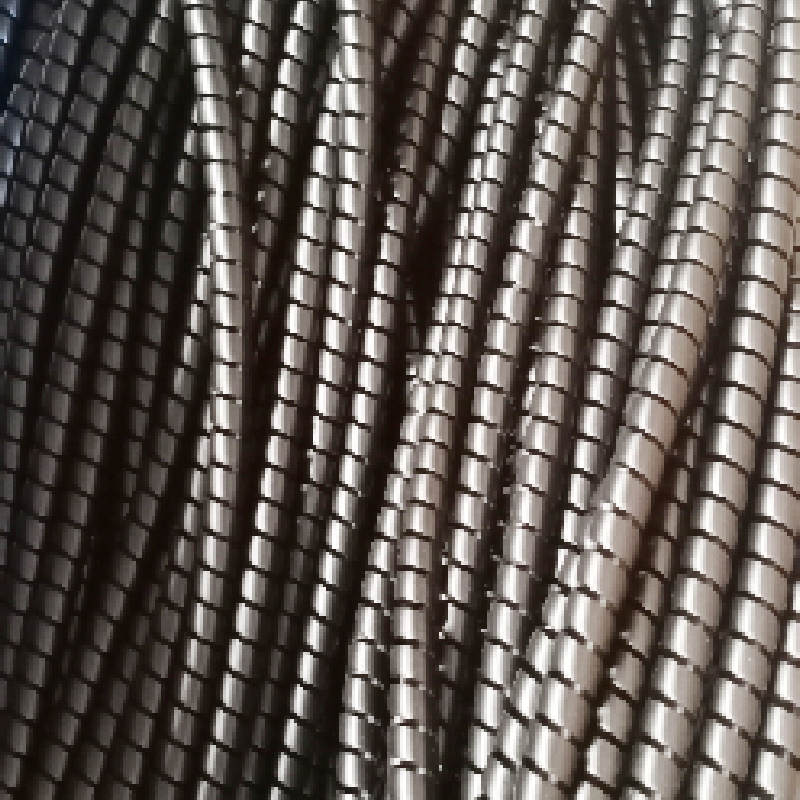
In demanding industrial environments, the longevity and operational integrity of hydraulic hoses, cables, and wiring harnesses are paramount. Exposure to abrasion, impact, UV radiation, and harsh chemicals can lead to premature failure, resulting in costly downtime, maintenance, and potential safety hazards. This is where robust protection solutions become indispensable. Among the most effective and widely adopted solutions is the spiral guard hose protection system. Engineered for extreme durability, these spiral wraps encapsulate critical components, significantly extending their service life and ensuring uninterrupted operational performance across a myriad of sectors.
Designed to safeguard against a multitude of threats, spiral guard hose protection acts as a resilient shield, mitigating the effects of external stressors that often plague unprotected lines. From the constant rubbing against machinery in heavy equipment to the severe environmental conditions encountered in offshore applications, the correct application of spiral guards translates directly into enhanced reliability and reduced operational expenditures.
Current Industry Trends in Industrial Protection
The industrial protection market is continually evolving, driven by an increasing emphasis on safety, sustainability, and operational efficiency. Current trends indicate a strong move towards:
- Enhanced Material Science: Development of advanced polymers offering superior abrasion, chemical, and UV resistance, often with lighter weight profiles. This includes specialized grades of HDPE, polypropylene, and nylon with additives for extreme conditions.
- Integration with IoT and Predictive Maintenance: While not directly embedded in the guards themselves, the role of reliable hose protection in systems monitored by IoT sensors for predictive maintenance is crucial. Preventing failures proactively minimizes data disruption and maximizes system uptime.
- Environmental Sustainability: Demand for recyclable or biodegradable materials, and production processes with reduced environmental impact, is growing. Many manufacturers are exploring eco-friendly options for spiral guard hose protection.
- Standardization and Certification: A global push for higher adherence to international standards (e.g., ISO, ANSI, SAE) to ensure consistent quality and performance across different markets and applications.
- Modularity and Ease of Installation: Innovations focusing on designs that allow for quicker and tool-free installation, reducing labor costs and simplifying maintenance procedures.
These trends underscore the critical need for robust, reliable, and intelligently designed protection solutions that can keep pace with technological advancements in industrial machinery and operational demands.
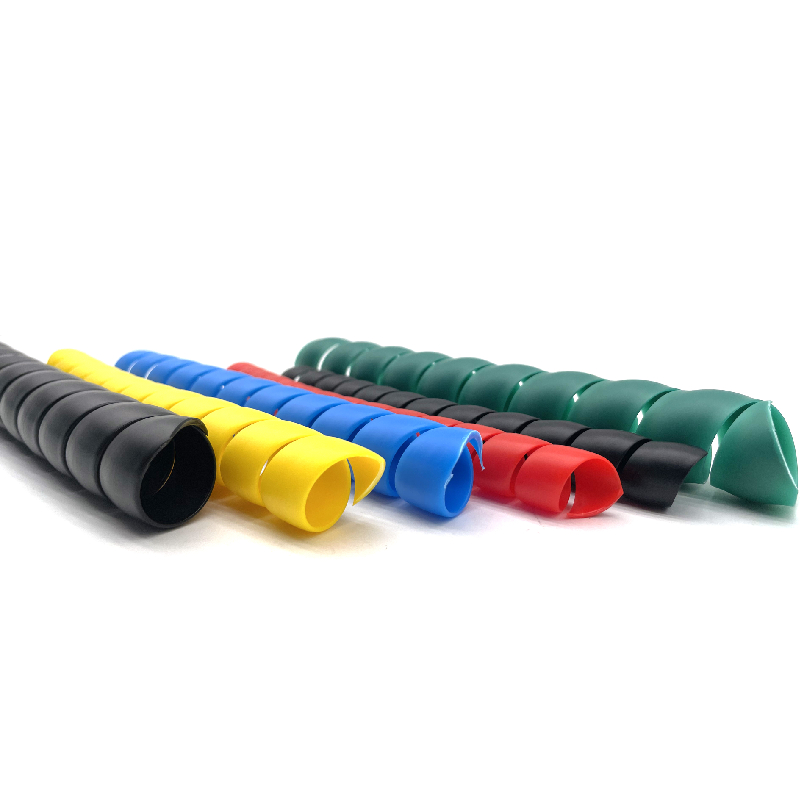
The Manufacturing Process of Spiral Guard Hose Protection
The creation of high-quality spiral guard hose protection involves a precise and controlled manufacturing process to ensure optimal performance and durability. This process typically utilizes advanced polymer extrusion technologies.
Key Stages:
-
Material Selection and Preparation:
High-density polyethylene (HDPE) is the most common material due to its excellent balance of flexibility, strength, and abrasion resistance. Polypropylene (PP) and specialized nylon grades are also used for applications requiring higher temperature resistance or specific chemical inertness. Raw polymer pellets are carefully selected, often including UV stabilizers, antioxidants, and anti-static agents to enhance product performance.
-
Extrusion Process:
The prepared polymer pellets are fed into an industrial extruder. Inside, they are heated to their melting point and conveyed through a die under high pressure. This forms a continuous molten tube or profile. Precision control of temperature, pressure, and screw speed is crucial to maintain uniform material consistency and dimensional accuracy.
-
Spiral Winding/Forming:
As the extruded profile exits the die, it is cooled and simultaneously wound into the characteristic spiral shape. Specialized machinery applies controlled tension and rotation to achieve the desired pitch and diameter of the spiral guard. This step dictates the product's ability to flex and expand, crucial for easy installation and effective protection. Some advanced systems might use CNC machining for cutting precise lengths or specific profiles, though the primary forming is through extrusion and winding.
-
Cooling and Sizing:
The formed spiral is then passed through a cooling bath or air-cooling system to solidify the polymer. Sizing equipment ensures the external and internal diameters meet precise specifications. This phase is critical for maintaining dimensional stability and preventing deformation.
-
Cutting and Packaging:
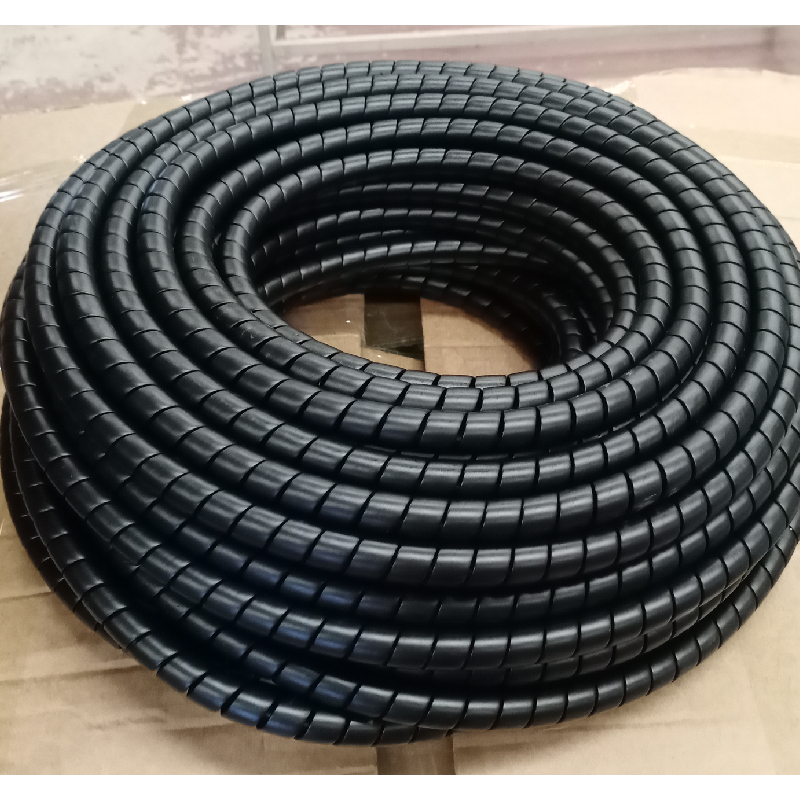
The continuous spiral is cut into predetermined lengths, typically in coils or specific cut-to-length segments as per customer requirements. Automated cutting systems ensure accuracy and minimize waste. The finished products are then packaged, often in durable cartons or on reels, for shipping.
Quality Control and Testing Standards:
Throughout the manufacturing process, stringent quality control measures are implemented. Products are routinely tested against industry standards such as ISO (International Organization for Standardization) for material properties and manufacturing quality, and sometimes ANSI (American National Standards Institute) or SAE (Society of Automotive Engineers) for specific application performance. Key tests include:
- Tensile Strength and Elongation: To ensure the material's ability to withstand pulling forces without breaking.
- Abrasion Resistance: Critical for demonstrating protection against friction and wear.
- Impact Resistance: To assess the product's ability to absorb sudden shocks.
- UV Resistance (Accelerated Weathering): Simulating prolonged exposure to sunlight to predict long-term outdoor performance.
- Chemical Resistance: Testing against common industrial fluids and chemicals to ensure material integrity.
- Dimensional Accuracy: Ensuring consistency in internal and external diameters, and spiral pitch.
These rigorous testing protocols ensure that each length of spiral guard hose protection meets the highest standards for performance, service life, and safety in its target industries, such as petrochemical, metallurgy, mining, and water supply & drainage. The inherent corrosion resistance of the polymeric materials offers significant advantages over metallic alternatives, contributing to prolonged service life and reduced maintenance in aggressive environments.
Technical Specifications and Parameters
Understanding the technical specifications of spiral guard hose protection is crucial for selecting the appropriate product for specific industrial applications. Key parameters define performance, durability, and compatibility.
Typical Product Specification Table:
| Parameter | Typical Value/Range | Significance for spiral guard hose protection |
|---|---|---|
| Material | HDPE, PP, Nylon 6/12 | Determines abrasion resistance, chemical inertness, and flexibility. HDPE is a popular choice for general applications. |
| Operating Temperature Range | -50°C to +100°C (HDPE) | Critical for applications in extreme cold or heat, ensuring material stability without cracking or softening. |
| Abrasion Resistance | High (e.g., DIN 20022/ISO 6945 compliant) | Directly impacts the lifespan of protected hoses/cables in friction-heavy environments. Tested using standardized methods. |
| UV Resistance | Excellent (stabilized polymer) | Prevents degradation and embrittlement from prolonged outdoor sun exposure, essential for mobile and outdoor machinery. |
| Chemical Resistance | Resistant to oils, solvents, acids, alkalis | Ensures integrity when exposed to hydraulic fluids, lubricants, and other industrial chemicals without breakdown. |
| Flammability Rating | Self-extinguishing options available | Important for applications where fire safety is a concern, such as mining or enclosed spaces. |
| Inside Diameter (ID) Range | 8 mm to 140 mm+ | Specifies the range of hose/cable bundles that the spiral guard can effectively accommodate. |
| Wall Thickness | 1.5 mm to 5 mm (depending on ID) | Contributes to impact resistance and overall protective strength. Thicker walls offer more robust protection. |
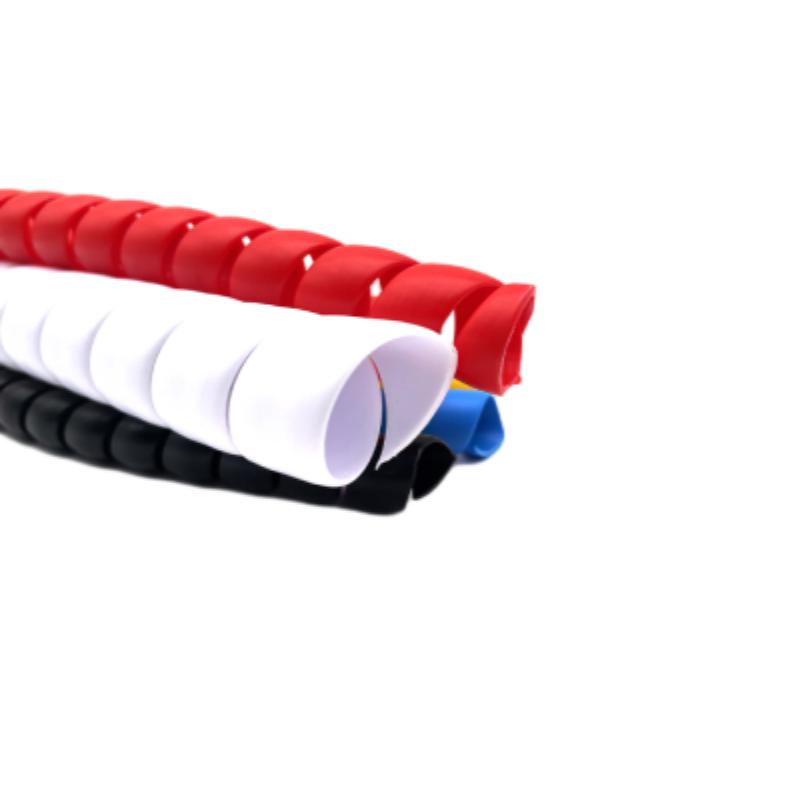
| Colors Available | Black, Yellow, Red, Blue, etc. | Used for visual identification, safety coding, or aesthetic integration. |
These technical specifications provide a comprehensive overview, enabling engineers and procurement specialists to make informed decisions that align with operational demands and compliance requirements.
Diverse Application Scenarios
The versatility of spiral guard hose protection makes it an indispensable component across a vast array of heavy industries, ensuring the integrity of critical lines in challenging environments.
- Construction and Mining: Heavy machinery such as excavators, bulldozers, and drill rigs rely on hydraulic hoses operating under immense pressure. Spiral guards protect these hoses from sharp rocks, debris, and constant rubbing against metal components, preventing catastrophic failures and ensuring continuity of operations. They are an essential cable protector spiral in these demanding sectors.
- Agriculture: Tractors, harvesters, and irrigation systems often operate in dusty, abrasive, and sometimes corrosive conditions. Spiral guards shield hydraulic lines and electrical wiring from wear and tear caused by soil, crop residue, and exposure to agricultural chemicals, reducing maintenance and extending equipment life.
- Forestry: Logging equipment faces extreme abrasion from timber, branches, and uneven terrain. Robust wire protector spiral solutions are vital for safeguarding power and control cables, minimizing the risk of electrical shorts and mechanical damage.
- Material Handling: Forklifts, cranes, and conveyor systems often have hoses and cables that undergo continuous movement and flexing. Spiral guards provide crucial protection against crushing, kinking, and abrasion, which are common in busy logistics and manufacturing facilities.
- Oil and Gas (Onshore & Offshore): In highly corrosive and potentially explosive environments, the protection of hydraulic and pneumatic lines on drilling rigs, production platforms, and processing plants is critical. The chemical resistance and durability of these guards are paramount here.
- Marine and Naval: Exposure to saltwater, UV radiation, and constant motion necessitates extremely durable protection for hydraulic steering lines, winches, and various electrical conduits on vessels and port equipment.
Key Technical Advantages of Spiral Guards
The widespread adoption of spiral guards is a testament to their inherent technical advantages, which translate into significant operational benefits and cost savings for B2B applications.
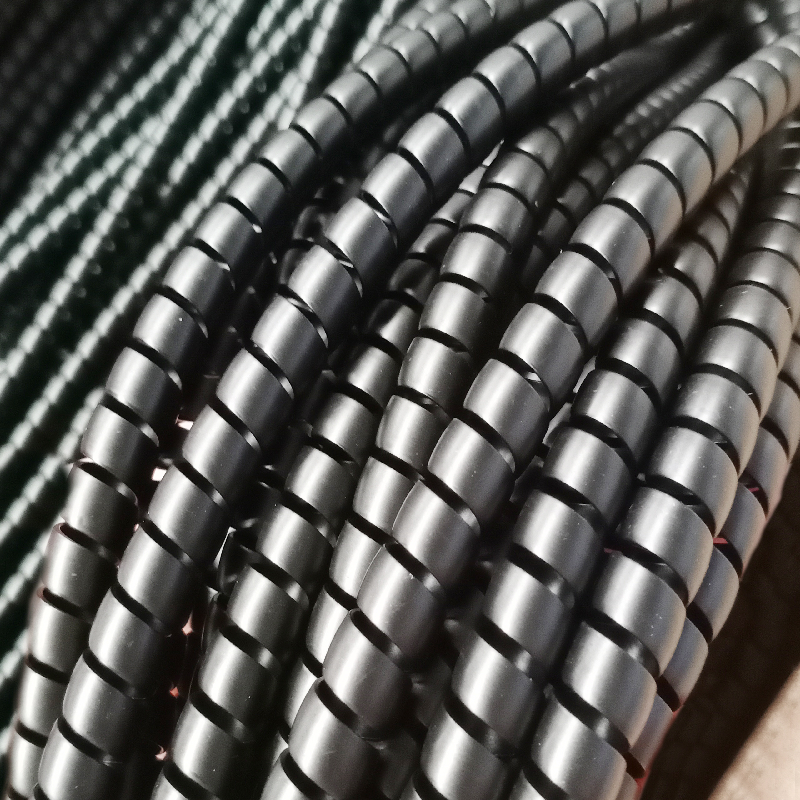
- Superior Abrasion Resistance: The robust spiral design and high-grade polymer construction create an extremely durable outer layer that withstands continuous rubbing, chafing, and scraping. This drastically reduces wear and tear on expensive hydraulic hoses and electrical cables.
- High Impact Protection: The thick-walled, resilient spiral structure absorbs and dissipates impact energy from falling objects, accidental blows, or crushing forces, protecting the delicate inner components from mechanical damage.
- Excellent UV and Weather Resistance: Specially formulated polymers, often with UV stabilizers, ensure that the spiral hose wrap does not degrade, crack, or become brittle under prolonged exposure to sunlight, extreme temperatures, or harsh weather conditions, making them ideal for outdoor and mobile applications.
- Chemical Inertness: Materials like HDPE and PP offer high resistance to a wide range of industrial chemicals, oils, solvents, and fuels, preventing degradation and ensuring long-term protection in chemically aggressive environments.
- Hose Bundling and Organization: Beyond protection, a spiral guard also serves as an effective method for grouping multiple hoses and cables into a neat, manageable bundle. This prevents tangling, improves aesthetics, and simplifies maintenance while reducing potential snag points.
- Extended Service Life and Cost-Effectiveness: By preventing premature hose and cable failure, spiral guards significantly extend the operational life of vital equipment components. This leads to reduced downtime, lower replacement costs, and fewer maintenance interventions, offering a substantial return on investment.
- Easy Installation and Reusability: The open spiral design allows for easy, tool-free installation, even after hoses or cables have been fitted. Many spiral guards are also reusable, further enhancing their cost-effectiveness.
Vendor Comparison and Selection Criteria
Choosing the right supplier for spiral guard hose protection is critical for ensuring product quality, performance, and long-term reliability. B2B decision-makers should evaluate vendors based on several key criteria.
Vendor Comparison Factors:
| Factor | High-Quality Vendor Characteristics | Impact on Project/Operations |
|---|---|---|
| Material Quality & Sourcing | Uses virgin, high-grade polymers (e.g., specific HDPE grades), transparent about additives (UV stabilizers, fire retardants). | Ensures optimal product performance, longevity, and adherence to advertised specifications. Avoids premature failure. |
| Manufacturing Precision | Advanced extrusion and winding processes, tight tolerances on ID/OD and pitch, consistent wall thickness. ISO 9001 certified. | Facilitates easy installation, provides uniform protection, and ensures compatibility with various hose/cable sizes. |
| Certification & Compliance | Products tested to ISO 6945, DIN 20022, SAE J343, or specific industry standards. Environmental certifications (e.g., RoHS). | Guarantees product reliability and safety, crucial for regulatory compliance in various industries (e.g., CE, REACH). |
| Customization Capabilities | Offers custom lengths, colors, specific materials (e.g., flame-retardant, anti-static), and rapid prototyping. | Allows for tailored solutions that perfectly fit unique application requirements, enhancing efficiency and visual management. |
| Technical Support & Expertise | Experienced technical sales team, application engineers, comprehensive documentation, and online resources. | Assists in correct product selection, installation guidance, and troubleshooting, reducing potential errors and optimizing usage. |
| Lead Time & Logistics | Reliable lead times, efficient supply chain, global distribution network, responsive customer service for order tracking. | Minimizes project delays, ensures continuity of operations, and reduces inventory holding costs for clients. |
By meticulously evaluating these factors, businesses can partner with vendors that not only supply high-quality spiral guard hose protection but also provide the support and flexibility needed for long-term success.
Customized Solutions for Specialized Needs
While standard spiral guards meet many industrial requirements, certain applications demand highly specialized solutions. Reputable manufacturers offer extensive customization options to precisely match unique operational needs.
- Material Blends: Custom polymer formulations can be developed to achieve specific properties, such as enhanced flame retardancy, anti-static characteristics for hazardous environments, or even higher flexibility for dynamic applications.
- Color Coding: Beyond standard black, guards can be produced in a wide range of colors for visual identification of different hydraulic circuits (e.g., pressure, return, pilot lines) or to comply with safety regulations.
- Specific Cut Lengths: While bulk rolls are common, providing guards cut to precise lengths significantly reduces waste and installation time in high-volume assembly operations.
- Integrated Features: Some complex applications may benefit from guards with integrated clamping points or unique end fittings for secure attachment, minimizing movement and further enhancing protection.
- Unique Spiral Pitch: Adjusting the pitch (the distance between coils) can alter the flexibility and coverage of the spiral hose wrap, optimizing it for either tighter bending radii or maximum abrasion protection.
These tailored approaches ensure that businesses receive a spiral guard hose protection solution that is not just adequate, but optimally engineered for their specific challenges, driving greater efficiency and safety.
Real-World Application Case Studies
The practical benefits of spiral guard hose protection are best illustrated through real-world applications where these products have demonstrably improved operational performance and reduced costs.
-
Case Study 1: Heavy Equipment in Open-Pit Mining
A major mining company faced frequent failures of hydraulic hoses on its excavators due to severe abrasion from jagged rocks and constant rubbing against the machine's frame. Unprotected hoses required replacement every 3-4 months, leading to significant downtime and maintenance costs. Implementing heavy-duty HDPE spiral guard hose protection extended the average hose life to over 18 months, reducing downtime by 75% and saving an estimated $50,000 annually per machine in hose replacement and labor costs. The improved resistance to cuts and abrasions directly contributed to enhanced energy saving by reducing hydraulic fluid loss and maintaining system efficiency.
-
Case Study 2: Agricultural Sprayers and Harvesters
An agricultural machinery manufacturer sought a solution to protect electrical wiring harnesses and low-pressure hydraulic lines from crop residue, UV exposure, and light chemical splashes. Traditional conduits were stiff and difficult to install. By switching to flexible polypropylene wire protector spiral in custom green (to match branding), they achieved faster assembly times and a 60% reduction in field wiring failures related to external damage. The inherent corrosion resistance of the guards also proved beneficial against various agrochemicals.
-
Case Study 3: Offshore Oil & Gas Rig Hydraulic Systems
On an offshore drilling platform, hydraulic umbilical lines were susceptible to UV degradation and saltwater corrosion, leading to frequent and hazardous replacements. By installing specialized, UV-stabilized cable protector spiral made from a robust nylon composite, the operator observed a doubling of the umbilical service life. This significant extension minimized costly and risky offshore maintenance operations, underscoring the product's effectiveness in extreme marine environments.
Frequently Asked Questions (FAQ)
Q: What materials are typically used for spiral guard hose protection?
A: The most common materials are High-Density Polyethylene (HDPE), Polypropylene (PP), and various Nylon grades. HDPE offers an excellent balance of abrasion resistance, flexibility, and cost-effectiveness. PP is often used for higher temperature applications, while Nylon provides superior tensile strength and chemical resistance for specialized needs.
Q: How do I install spiral guards?
A: Spiral guard hose protection is designed for easy, tool-free installation. You simply start by securing one end of the spiral guard and then wrap it around the hose or cable bundle in a helical fashion. Its inherent flexibility allows it to expand to accommodate various diameters and multiple lines. No special tools are typically required, making it an efficient solution for both new installations and retrofitting.
Q: What temperature range can spiral guards withstand?
A: Standard HDPE spiral guards typically perform well in temperatures ranging from -50°C to +100°C. For applications with more extreme thermal requirements, specialized materials like certain grades of PP or Nylon can extend this range. Always refer to the manufacturer's specifications for exact temperature limits.
Q: Are these guards resistant to chemicals and UV radiation?
A: Yes, high-quality spiral guard hose protection is engineered to be resistant to common industrial chemicals, oils, solvents, and fuels. Furthermore, most modern spiral guards include UV stabilizers in their polymer formulation, ensuring excellent resistance to degradation from prolonged exposure to sunlight, which is crucial for outdoor applications.
Q: What is the typical service life of spiral guard hose protection?
A: The service life depends heavily on the specific application, environmental conditions, and material quality. However, when properly selected and installed, spiral guards are designed for long-term use, often exceeding the lifespan of the hoses or cables they protect. Many can last for several years, even in harsh environments, significantly extending the overall life of the protected components.
Logistics, Warranty, and Support
Lead Time and Fulfillment:
We understand the critical importance of timely delivery for industrial operations. Our standard lead times for common spiral guard hose protection products are typically 3-5 business days for in-stock items, with expedited shipping options available. For custom orders or large volumes, lead times will be communicated clearly upon quotation and order confirmation. Our robust supply chain and efficient logistics ensure reliable fulfillment to minimize your project delays.
Warranty Commitment:
All our spiral guard products are backed by a comprehensive 12-month manufacturer's warranty against defects in material and workmanship from the date of purchase. This commitment reflects our confidence in the quality and durability of our protection solutions. Should any product fail to perform as specified under normal operating conditions within the warranty period, we are committed to repair, replacement, or credit as appropriate.
Customer Support and After-Sales Service:
Our dedication to customer satisfaction extends beyond the sale. Our expert technical support team is available to assist with product selection, installation guidance, and any troubleshooting questions you may encounter. We offer multi-channel support including phone, email, and a dedicated online portal for technical documentation and FAQs. Our commitment is to ensure you maximize the value and performance of your spiral guard hose protection throughout its service life.
Conclusion
In the demanding landscape of modern industry, the strategic deployment of spiral guard hose protection is not merely a safeguard but an investment in operational continuity, safety, and long-term cost efficiency. By mitigating the prevalent risks of abrasion, impact, and environmental degradation, these essential protectors ensure the sustained performance of hydraulic and electrical systems across vital sectors. From robust manufacturing processes adhering to stringent standards to comprehensive technical advantages and versatile application across diverse industries, the value proposition of spiral guards is clear. Embracing these advanced protection solutions enables businesses to enhance equipment reliability, reduce maintenance expenditures, and ultimately, achieve superior operational outcomes.
To discuss how our tailored spiral guard hose protection solutions can optimize your operations, please contact our technical sales team.
References:
- International Organization for Standardization (ISO) Official Website.
- Society of Automotive Engineers (SAE) Technical Papers.
- "Polymer Engineering Science and Technology" Journal.
- "Hydraulics & Pneumatics" Industry Magazine.
- American National Standards Institute (ANSI) Standards.
-
Custom Power Steering Hose Kit Guide for Vehicle PerformanceNewsApr.16,2026
-
Guide to High Performance Custom Made Power Steering HosesNewsApr.09,2026
-
Comprehensive Guide to Custom High Pressure Power Steering Hose SolutionsNewsApr.07,2026
-
Comprehensive Guide to CRV Power Steering Hose Maintenance and ReplacementNewsApr.04,2026
-
Comprehensive Guide to CPP Power Steering Hoses for Optimal Vehicle PerformanceNewsMar.31,2026
-
Understanding the Cost to Repair Power Steering Hose and Associated FactorsNewsMar.28,2026
 Afrikaans
 Albanian
 Amharic
 Arabic
 Armenian
 Azerbaijani
 Basque
 Belarusian
 Bengali
 Bosnian
 Bulgarian
 Catalan
 Cebuano
 Corsican
 Croatian
 Czech
Czech
 Danish
 Dutch
Dutch
 Esperanto
 Estonian
 Finnish
 French
 Frisian
 Galician
 Georgian
 German
 Greek
Greek
 Gujarati
 Haitian Creole
 Hausa
Hausa
 Hawaiian
 Hebrew
 Hindi
Hindi
 Miao
Miao
 Hungarian
 Icelandic
 Igbo
Igbo
 Indonesian
 Irish
Irish
 Italian
 Japanese
 Javanese
 Kannada
 Kazakh
 Khmer
Khmer
 Rwandese
 Korean
 Kurdish
 Kyrgyz
 Lao
Lao
 Latin
Latin
 Latvian
 Lithuanian
 Luxembourgish
 Macedonian
 Malgashi
 Malay
Malay
 Malayalam
 Maltese
 Maori
Maori
 Marathi
 Mongolian
 Myanmar
 Nepali
 Norwegian
 Norwegian
 Occitan
 Pashto
 Persian
 Polish
 Portuguese
 Punjabi
 Romanian
 Russian
 Samoan
 Scottish Gaelic
 Serbian
 Sesotho
 Shona
Shona
 Sindhi
 Sinhala
 Slovak
 Slovenian
 Somali
 Spanish
 Sundanese
 Swahili
 Swedish
 Tagalog
 Tajik
Tajik
 Tamil
Tamil
 Tatar
Tatar
 Telugu
 Thai
Thai
 Turkish
 Turkmen
 Ukrainian
 Urdu
Urdu
 Uighur
 Uzbek
Uzbek
 Vietnamese
 Welsh
Welsh
 Bantu
Bantu
 Yiddish
 Yoruba
 Zulu
Zulu
 English