

C10 LS Swap Power Steering Hose A Comprehensive Guide to Selection and Installation
Understanding the C10 LS Swap Power Steering Hose: A Comprehensive Guide
Performing an LS engine swap in a classic C10 pickup is a popular modification, delivering modern power and reliability. However, a crucial component often overlooked is the power steering hose. Using the correct C10 LS swap power steering hose is vital for a safe and functional conversion. This article will cover everything you need to know about these hoses, including types, materials, installation, and why choosing a quality hose from a reputable supplier like Hose QRT is essential. We’ll help you ensure your C10’s new power steering system performs flawlessly.
Why a Dedicated C10 LS Swap Power Steering Hose is Necessary
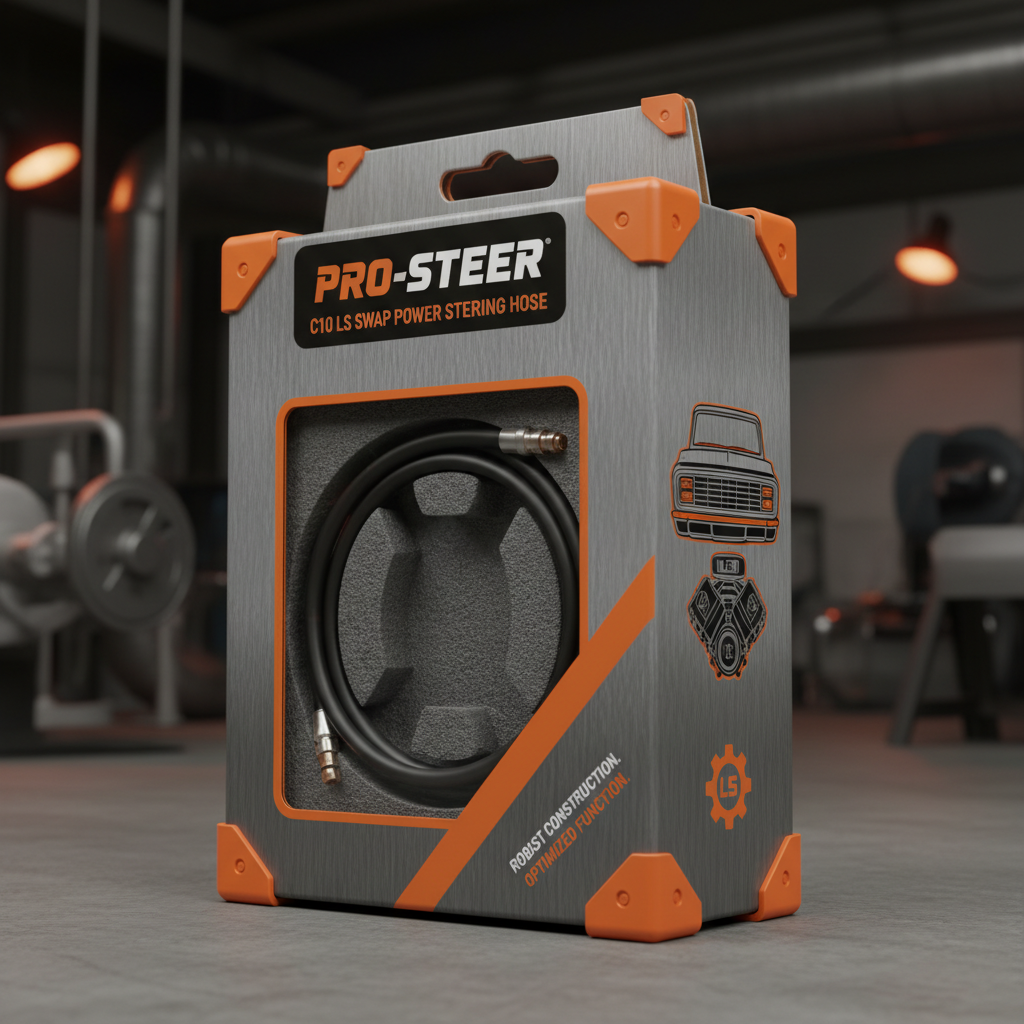
Simply trying to adapt existing hoses rarely works. The LS engine’s power steering pump has different port locations and pressure requirements compared to the original C10 setup. Attempting to use mismatched hoses can lead to leaks, reduced steering performance, and even damage to the pump. A dedicated C10 LS swap power steering hose is specifically engineered to connect the LS pump to the C10 steering gear box without these issues, guaranteeing a secure and reliable connection.
Key Benefits: Ensures proper fluid flow, prevents leaks, optimized pressure, and compatibility with LS engine and C10 chassis.
Types of C10 LS Swap Power Steering Hoses
Several types of hoses cater to different C10 LS swap configurations. The most common include:
- Standard High-Pressure Hose: Typically made with a synthetic rubber inner lining and a braided reinforcement layer for durability.
- Stainless Steel Braided Hose: Offers superior strength and resistance to heat and abrasion compared to standard hoses. Highly recommended for high-performance applications.
- Pre-Bent Hose: These hoses are pre-shaped to follow the routing of the C10’s chassis, simplifying installation and minimizing the need for bending.
- AN Fitting Hoses: Utilizing AN fittings (e.g., -6AN, -8AN) allows for a more customizable and secure connection.
Hose Material Comparison:
• Rubber: Cost-effective, good flexibility.
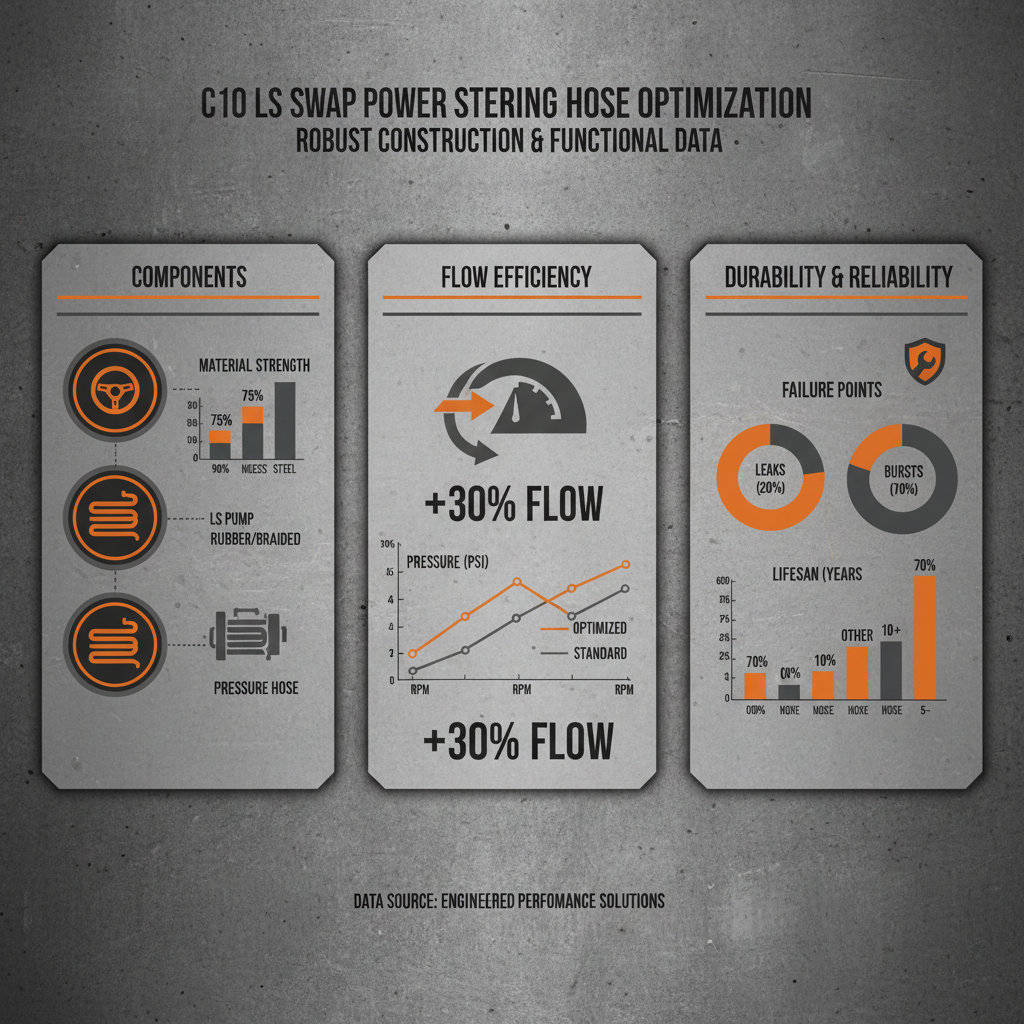
• Stainless Steel Braided: Superior durability, heat resistance, and pressure capacity.
Choosing the Right Hose: Key Considerations
Selecting the correct C10 LS swap power steering hose depends on several factors. First, identify your LS engine's pump outlet fitting size and the C10 steering gear box inlet fitting size. Common sizes are -6AN and -8AN. Consider the hose length required for a clean and unobstructed routing. Finally, evaluate your power level and driving style. For a stock LS engine and casual driving, a high-quality rubber hose may suffice. However, for modified engines or performance driving, a stainless steel braided hose is a worthwhile investment.
Installation Tips for a Leak-Free Connection
Proper installation is critical. Always use new hose clamps and ensure they are tightened securely, but not over-tightened. Apply a small amount of power steering fluid to the hose ends before connecting them to facilitate a good seal. Double-check all connections for leaks after the initial installation and after a short test drive. Routing the hose away from exhaust components and moving parts is essential to prevent damage. Hose QRT offers detailed installation guides and expert support to help you with your LS swap.
Why Choose Hose QRT for Your C10 LS Swap?
At Hose QRT, we specialize in high-quality power steering hoses for LS swaps. Our hoses are designed specifically for C10 applications, ensuring a perfect fit and reliable performance. We use premium materials and rigorous quality control standards to deliver a product you can trust. We offer a wide selection of hose types and configurations, and our knowledgeable team can help you find the right solution for your needs.
Conclusion: Get the Right Hose for a Seamless LS Swap
Don't compromise on the success of your C10 LS swap. Choosing the right power steering hose is paramount for optimal performance and reliability. Hose QRT offers the quality, expertise, and selection you need to get the job done right.
Frequently Asked Questions (FAQs)
What fitting size do I need for my C10 LS swap?
The most common fitting sizes are -6AN and -8AN. To determine the correct size, you need to check the outlet on your LS engine's power steering pump and the inlet on your C10's steering gear box. Most LS pumps use a -6AN or -8AN O-ring boss. If you are unsure, measuring the inner diameter of the fitting is recommended. Hose QRT can assist in identifying the right size for your specific setup.
How long of a hose do I need?
The hose length depends on the routing of your C10’s chassis and the position of the LS engine. It’s best to measure the distance between the pump outlet and the steering gear box inlet, adding a few inches for flexibility and bends. Too short a hose can cause strain on the fittings, while too long a hose can create unnecessary friction. Hose QRT offers hoses in various lengths, and we can also create custom lengths to meet your specific needs.
Can I use regular fuel hose for power steering?
Absolutely not. Power steering fluid is under high pressure and contains chemicals that can degrade fuel hose materials. Fuel hose is not designed to withstand the pressures and chemicals involved in a power steering system. Using the wrong type of hose can lead to leaks, hose failure, and potential damage to your vehicle. Always use a hose specifically designed for power steering applications, like those offered by Hose QRT.
-
Custom Power Steering Hose Kit Guide for Vehicle PerformanceNewsApr.16,2026
-
Guide to High Performance Custom Made Power Steering HosesNewsApr.09,2026
-
Comprehensive Guide to Custom High Pressure Power Steering Hose SolutionsNewsApr.07,2026
-
Comprehensive Guide to CRV Power Steering Hose Maintenance and ReplacementNewsApr.04,2026
-
Comprehensive Guide to CPP Power Steering Hoses for Optimal Vehicle PerformanceNewsMar.31,2026
-
Understanding the Cost to Repair Power Steering Hose and Associated FactorsNewsMar.28,2026
 Afrikaans
 Albanian
 Amharic
 Arabic
 Armenian
 Azerbaijani
 Basque
 Belarusian
 Bengali
 Bosnian
 Bulgarian
 Catalan
 Cebuano
 Corsican
 Croatian
 Czech
Czech
 Danish
 Dutch
Dutch
 Esperanto
 Estonian
 Finnish
 French
 Frisian
 Galician
 Georgian
 German
 Greek
Greek
 Gujarati
 Haitian Creole
 Hausa
Hausa
 Hawaiian
 Hebrew
 Hindi
Hindi
 Miao
Miao
 Hungarian
 Icelandic
 Igbo
Igbo
 Indonesian
 Irish
Irish
 Italian
 Japanese
 Javanese
 Kannada
 Kazakh
 Khmer
Khmer
 Rwandese
 Korean
 Kurdish
 Kyrgyz
 Lao
Lao
 Latin
Latin
 Latvian
 Lithuanian
 Luxembourgish
 Macedonian
 Malgashi
 Malay
Malay
 Malayalam
 Maltese
 Maori
Maori
 Marathi
 Mongolian
 Myanmar
 Nepali
 Norwegian
 Norwegian
 Occitan
 Pashto
 Persian
 Polish
 Portuguese
 Punjabi
 Romanian
 Russian
 Samoan
 Scottish Gaelic
 Serbian
 Sesotho
 Shona
Shona
 Sindhi
 Sinhala
 Slovak
 Slovenian
 Somali
 Spanish
 Sundanese
 Swahili
 Swedish
 Tagalog
 Tajik
Tajik
 Tamil
Tamil
 Tatar
Tatar
 Telugu
 Thai
Thai
 Turkish
 Turkmen
 Ukrainian
 Urdu
Urdu
 Uighur
 Uzbek
Uzbek
 Vietnamese
 Welsh
Welsh
 Bantu
Bantu
 Yiddish
 Yoruba
 Zulu
Zulu
 English