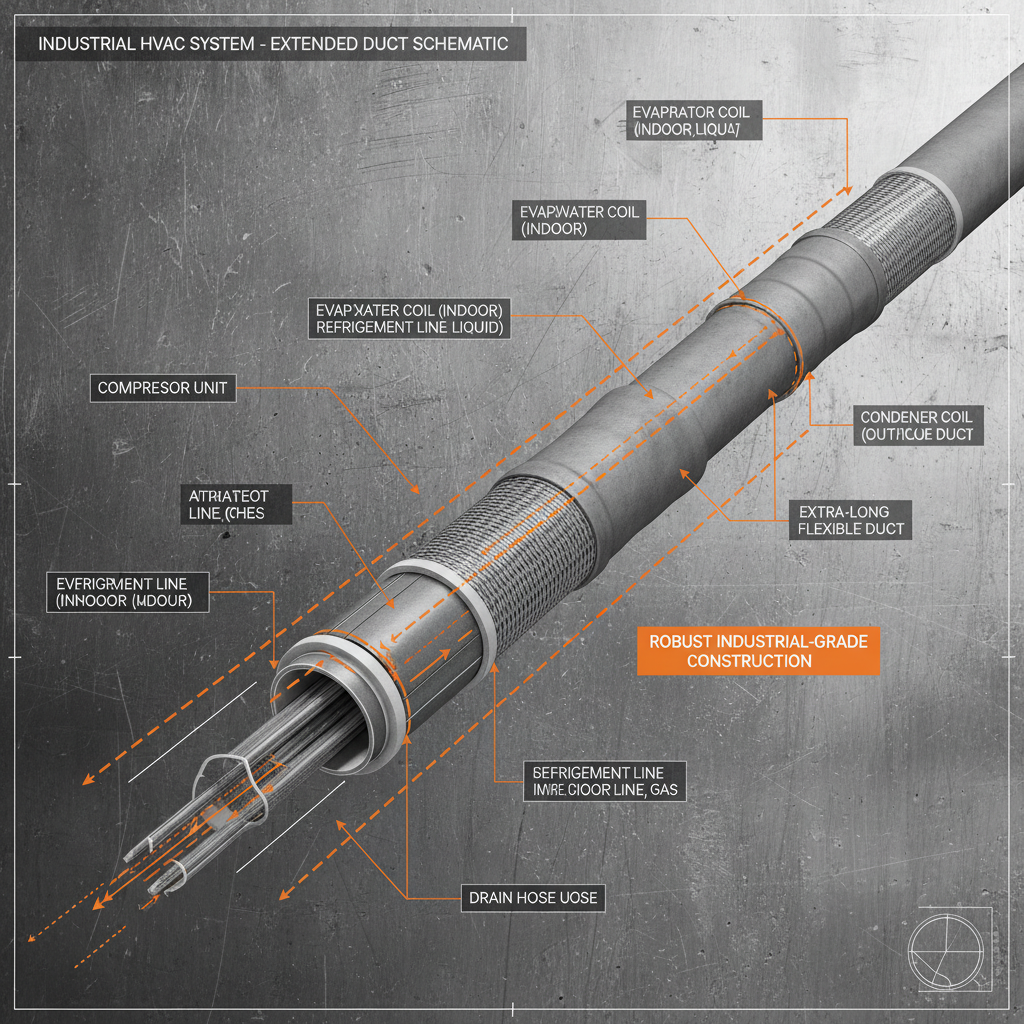
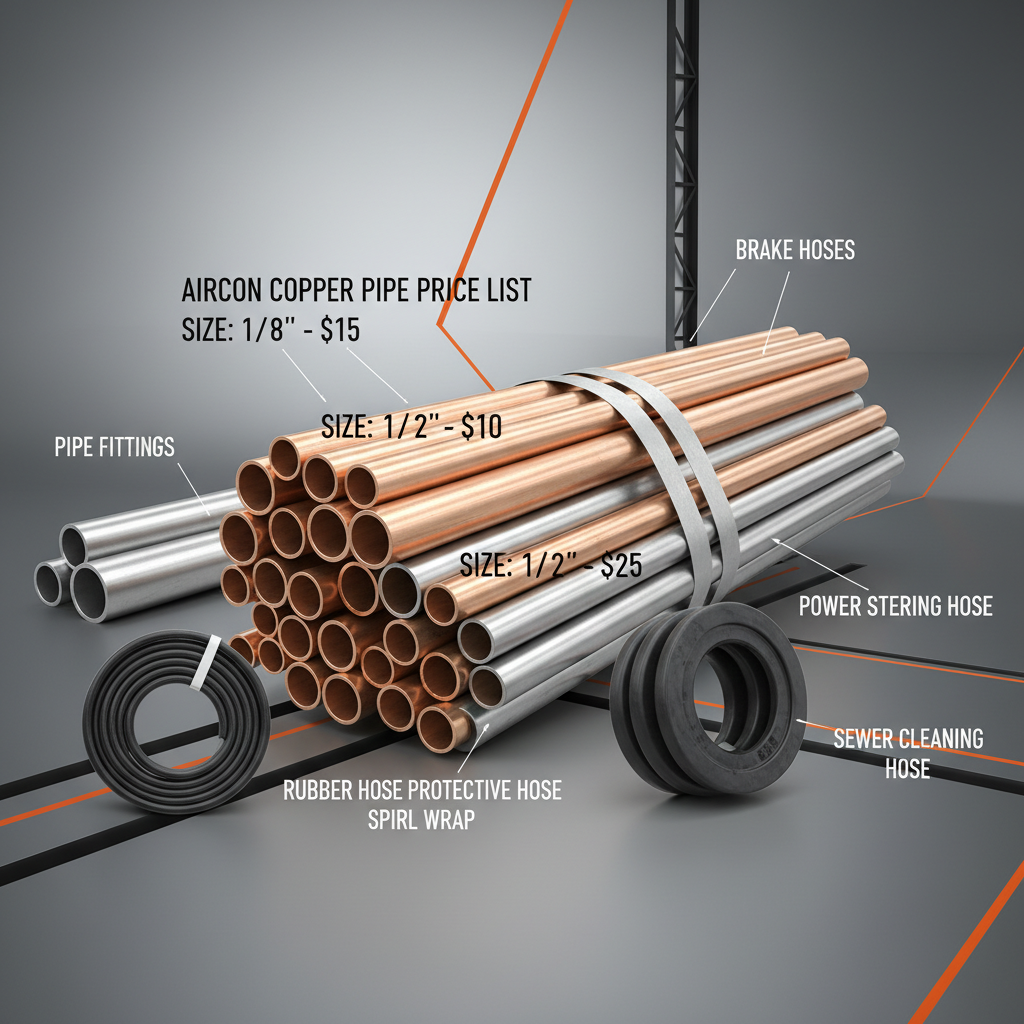
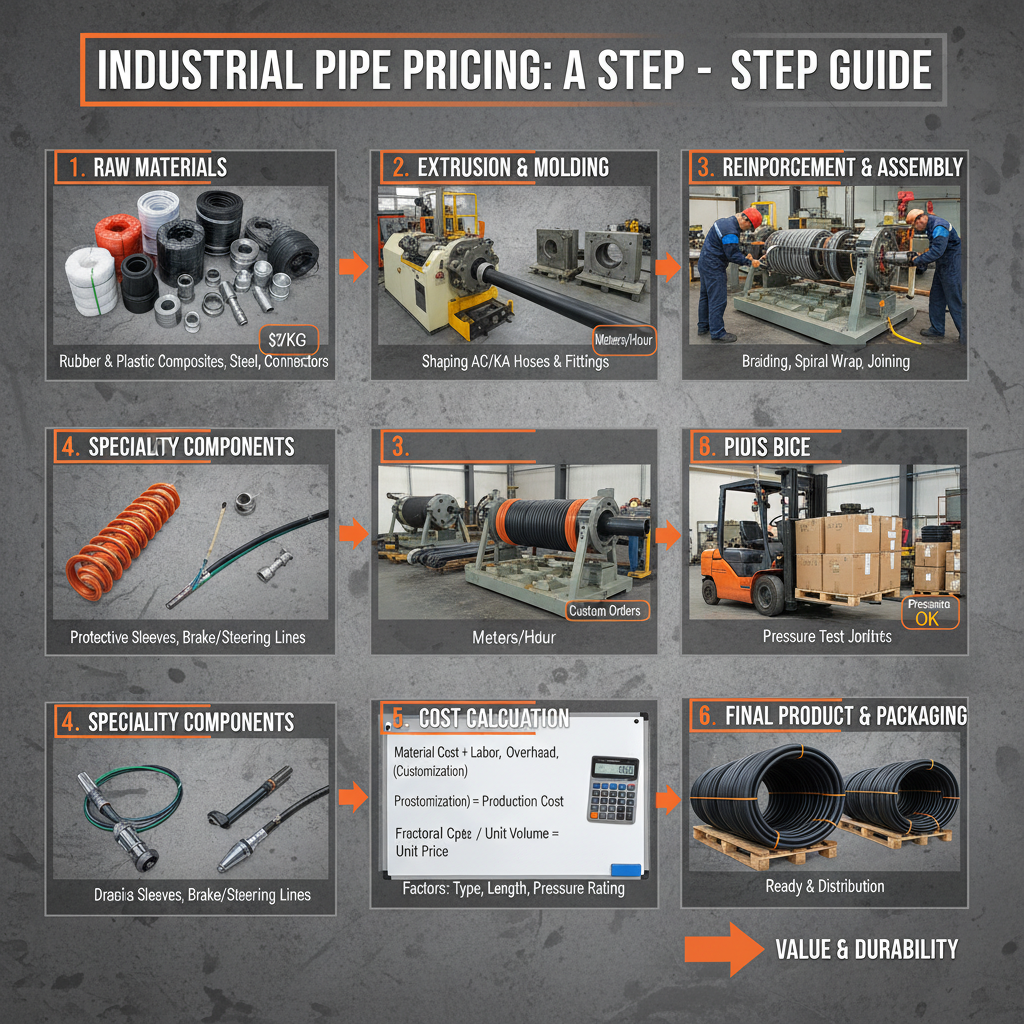
Look, air conditioning pipe repair…it’s a messy business, right? Been doing this for fifteen years, and you see a lot of the same mistakes repeating. Honestly, everyone's chasing efficiency, which is good, but sometimes they forget the basics. You think you've seen it all, then something new pops up. Last year it was the copper prices going through the roof, making everyone look at alternatives. Now? It's all about these new refrigerant blends and how they react with different pipe materials. It’s a whole different ball game.
The demand’s just…relentless. Globally, it’s booming, obviously with climate change. You see it everywhere – retrofits in old buildings, new construction in developing countries, even these weird bespoke climate control systems for data centers. The UN's been talking about sustainable cooling solutions for years now, and that's driving a lot of the innovation. But innovation doesn’t always mean better on the ground. Sometimes it just means more complicated.
And let me tell you, it's not glamorous work. It's crawling under houses, sweating in attics, dealing with frustrated customers. But it's essential. If the AC goes down, people suffer. Hospitals, offices, homes…it all grinds to a halt. That’s why getting the pipe repair right, the first time, is so crucial. That's what keeps me going, I guess.


To be honest, the material is 90% of the battle. Copper was king for decades, and still is in a lot of places, but it’s gotten so expensive! You really feel it on a job site. You have to be super careful with the scraps, and everyone’s a little more on edge about theft. We've seen a lot of movement toward PEX, and PVC, but they each have their own issues.
PEX is flexible, which is great for retrofits, but it’s not always the best choice for high-pressure applications. You gotta really pay attention to the fittings – that’s where a lot of leaks happen. And PVC…well, PVC is cheap, but it gets brittle in the cold. Seen way too many cracked pipes after a hard freeze. You just need to know what the application is and match the material accordingly. It sounds simple, but you’d be surprised.
Corrosion is a real headache. Proper material selection is the first step, obviously. But you also need to consider coatings, cathodic protection, and regular inspections. In coastal areas, I always recommend using materials specifically designed for saltwater environments and applying a corrosion-inhibiting primer. Don't skimp on that step. It will save you money in the long run.
Ideally, at least once a year. More often in harsh environments or if you’ve had previous leak issues. Look for signs of moisture, corrosion, or refrigerant odor. Also, pay attention to changes in cooling performance. A drop in efficiency could indicate a leak. And don't forget to check the fittings – that’s where a lot of leaks start.
There are a bunch. Corrosion, as we've discussed, is a big one. But also, thermal stress, vibration, poor installation, and physical damage. Sometimes, it's just age. Pipes wear out over time, just like anything else. And let's not forget about incompatible materials. Mixing different metals can create galvanic corrosion, which can quickly lead to failure.
Honestly, unless you're a licensed HVAC technician, you should hire a professional. Working with refrigerant is dangerous, and improper repairs can lead to leaks, which can be harmful to the environment and your health. Plus, you could void your warranty. It’s just not worth the risk.
PEX is great for retrofits because it's flexible and doesn't require as many fittings. It also resists corrosion better than copper. It's easier to install and can save you time and money. However, it's not as strong as copper and can be susceptible to damage from UV light, so you need to protect it properly.
That's a big one right now. Some of the newer refrigerants are more corrosive than older ones. You need to make sure the pipes and fittings are compatible with the refrigerant you're using. Otherwise, you'll end up with a premature failure. Always check the manufacturer's specifications before making a repair or replacement.
So, air conditioning pipe repair isn’t just about slapping on a new fitting or patching a leak. It’s about understanding materials, anticipating problems, and choosing the right solution for the job. It’s about balancing cost, efficiency, and long-term reliability. And it's about remembering that every system is different, and what works in one situation might not work in another.
Ultimately, whether this thing works or not, the worker will know the moment he tightens the screw. It’s a craft, a science, and a whole lot of experience. If you’re looking for reliable air conditioning pipe repair, or just need some advice, check out our services at www.hoseqrt.com. We’re here to help.

 Afrikaans
 Albanian
 Amharic
 Arabic
 Armenian
 Azerbaijani
 Basque
 Belarusian
 Bengali
 Bosnian
 Bulgarian
 Catalan
 Cebuano
 Corsican
 Croatian
 Czech
Czech
 Danish
 Dutch
Dutch
 Esperanto
 Estonian
 Finnish
 French
 Frisian
 Galician
 Georgian
 German
 Greek
Greek
 Gujarati
 Haitian Creole
 Hausa
Hausa
 Hawaiian
 Hebrew
 Hindi
Hindi
 Miao
Miao
 Hungarian
 Icelandic
 Igbo
Igbo
 Indonesian
 Irish
Irish
 Italian
 Japanese
 Javanese
 Kannada
 Kazakh
 Khmer
Khmer
 Rwandese
 Korean
 Kurdish
 Kyrgyz
 Lao
Lao
 Latin
Latin
 Latvian
 Lithuanian
 Luxembourgish
 Macedonian
 Malgashi
 Malay
Malay
 Malayalam
 Maltese
 Maori
Maori
 Marathi
 Mongolian
 Myanmar
 Nepali
 Norwegian
 Norwegian
 Occitan
 Pashto
 Persian
 Polish
 Portuguese
 Punjabi
 Romanian
 Russian
 Samoan
 Scottish Gaelic
 Serbian
 Sesotho
 Shona
Shona
 Sindhi
 Sinhala
 Slovak
 Slovenian
 Somali
 Spanish
 Sundanese
 Swahili
 Swedish
 Tagalog
 Tajik
Tajik
 Tamil
Tamil
 Tatar
Tatar
 Telugu
 Thai
Thai
 Turkish
 Turkmen
 Ukrainian
 Urdu
Urdu
 Uighur
 Uzbek
Uzbek
 Vietnamese
 Welsh
Welsh
 Bantu
Bantu
 Yiddish
 Yoruba
 Zulu
Zulu
 English