Air conditioning pipework is a critical, yet often unseen, component of modern life. From maintaining comfortable indoor environments in homes and offices to enabling precision temperature control in industrial processes, this network of pipes and fittings is fundamental to our well-being and economic activity. Understanding the intricacies of air conditioning pipework—its materials, installation techniques, maintenance requirements, and emerging technologies—is therefore vital for a wide range of professionals and increasingly, informed consumers.
Globally, the demand for efficient and reliable air conditioning systems is skyrocketing. Driven by factors like rising global temperatures, increasing urbanization, and growing disposable incomes, the market is projected to continue its upward trajectory. According to the United Nations Environment Programme (UNEP), the cooling sector is responsible for approximately 7% of global greenhouse gas emissions, highlighting the urgent need for sustainable practices in air conditioning pipework design and implementation. This includes minimizing refrigerant leaks, improving energy efficiency, and exploring alternative, eco-friendly materials.
The reliable operation of air conditioning systems, and consequently their accompanying pipework, directly impacts productivity, health, and overall quality of life. A failure in air conditioning pipework can lead to system downtime, costly repairs, and even health hazards due to refrigerant leaks or mold growth. Therefore, a robust understanding of air conditioning pipework is crucial for ensuring the long-term performance, safety, and sustainability of these essential systems.
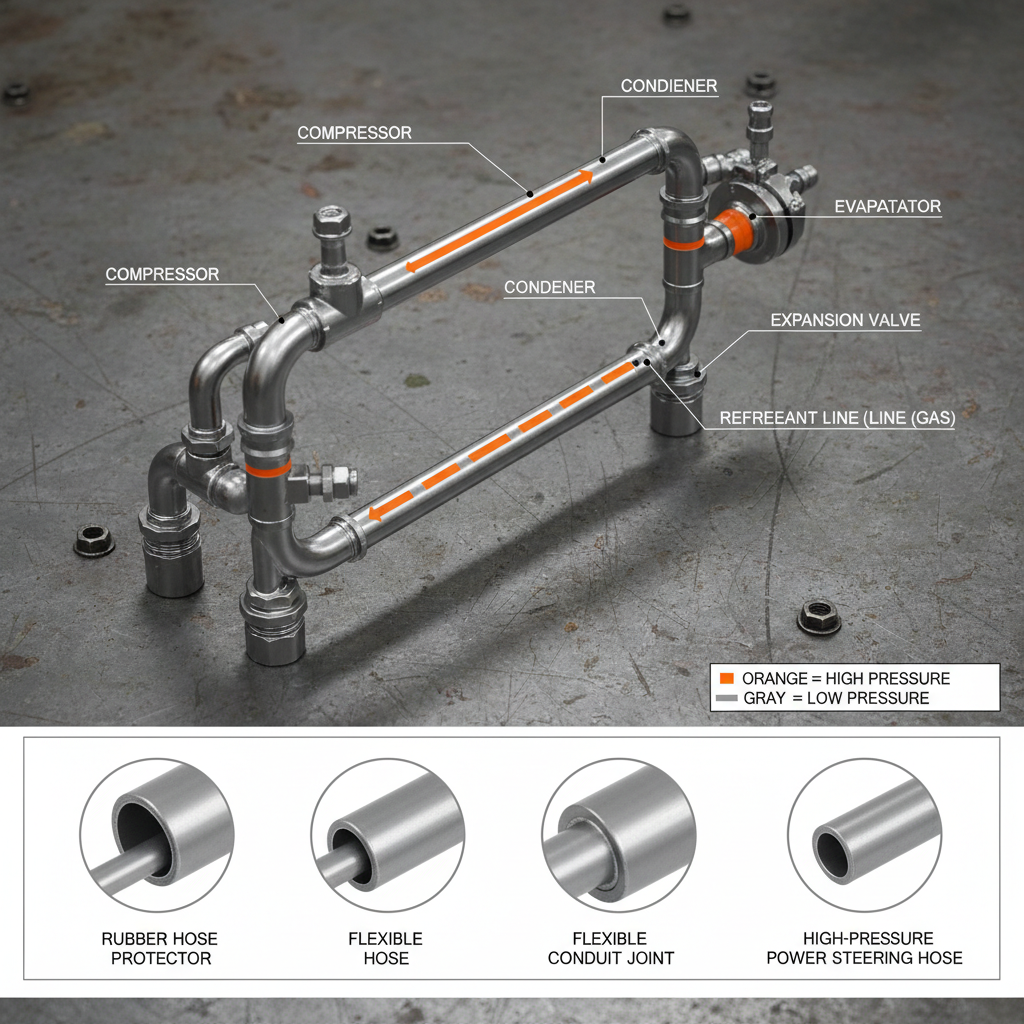
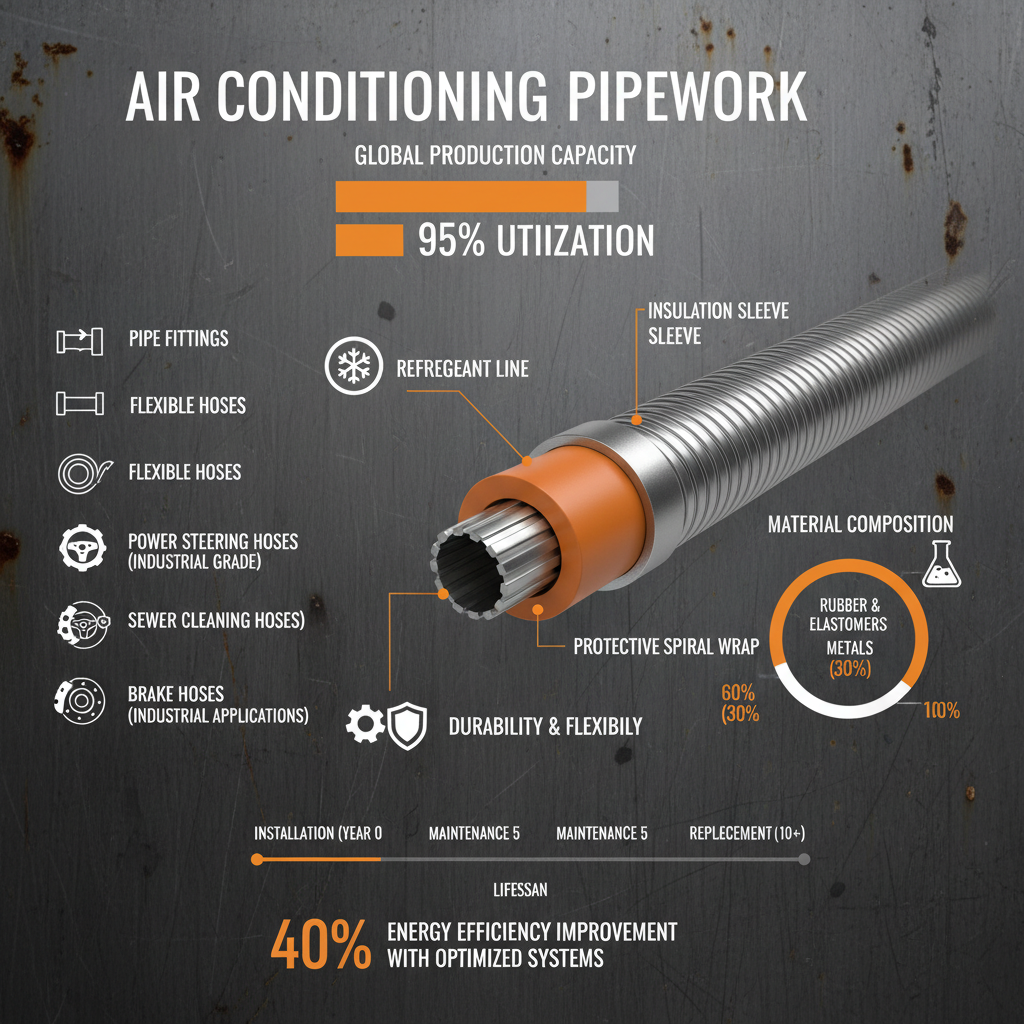
Air conditioning pipework is more than just the conduits for refrigerant; it's the circulatory system of a cooling solution. Proper design and installation ensure efficient heat transfer, optimal system performance, and longevity. The selection of appropriate materials—copper, steel, or increasingly, plastic composites—depends on factors like refrigerant type, operating pressure, and environmental conditions. Ignoring these details can lead to decreased efficiency, system failures, and increased maintenance costs.
Beyond residential and commercial buildings, air conditioning pipework plays a vital role in specialized applications like data centers, hospitals, and industrial facilities. These environments often demand stringent temperature and humidity control, making the reliability and precision of the pipework system paramount. Properly designed air conditioning pipework helps maintain the delicate balance required for these critical operations.
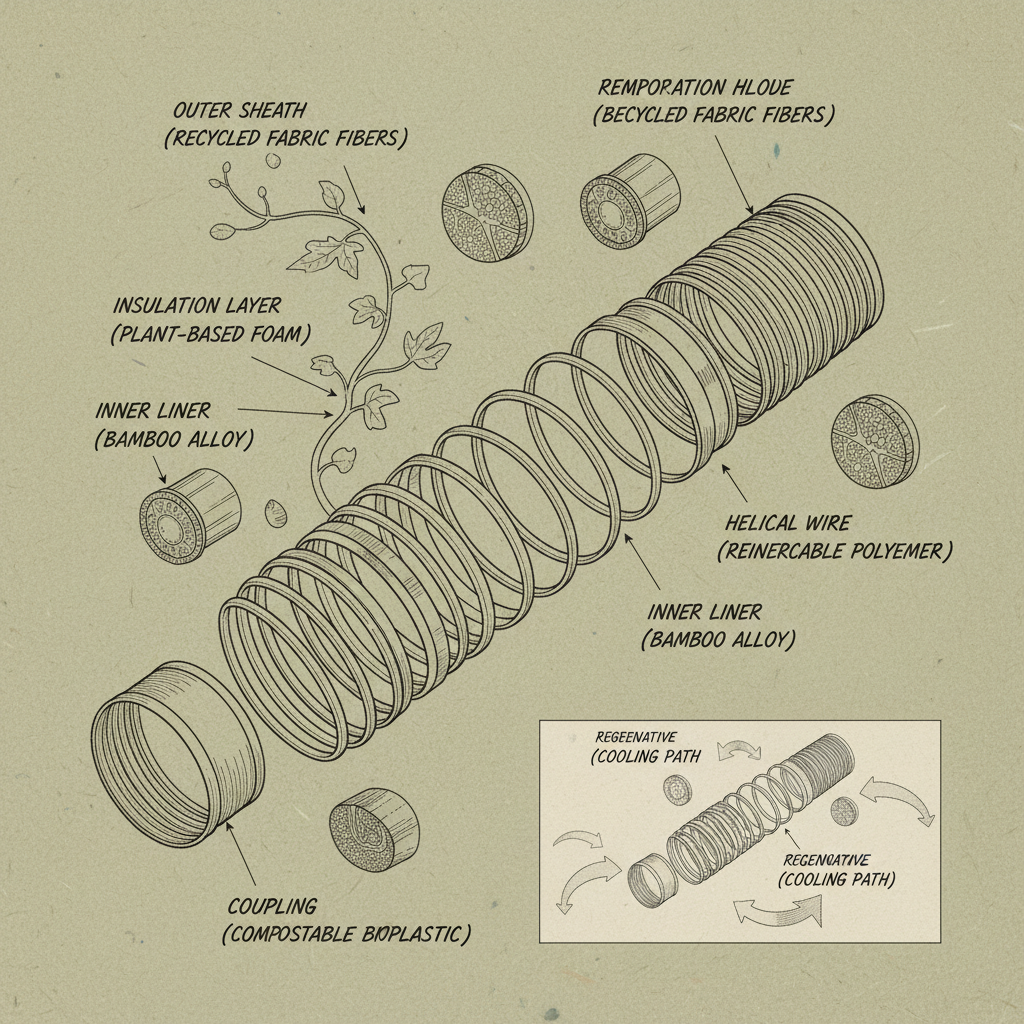
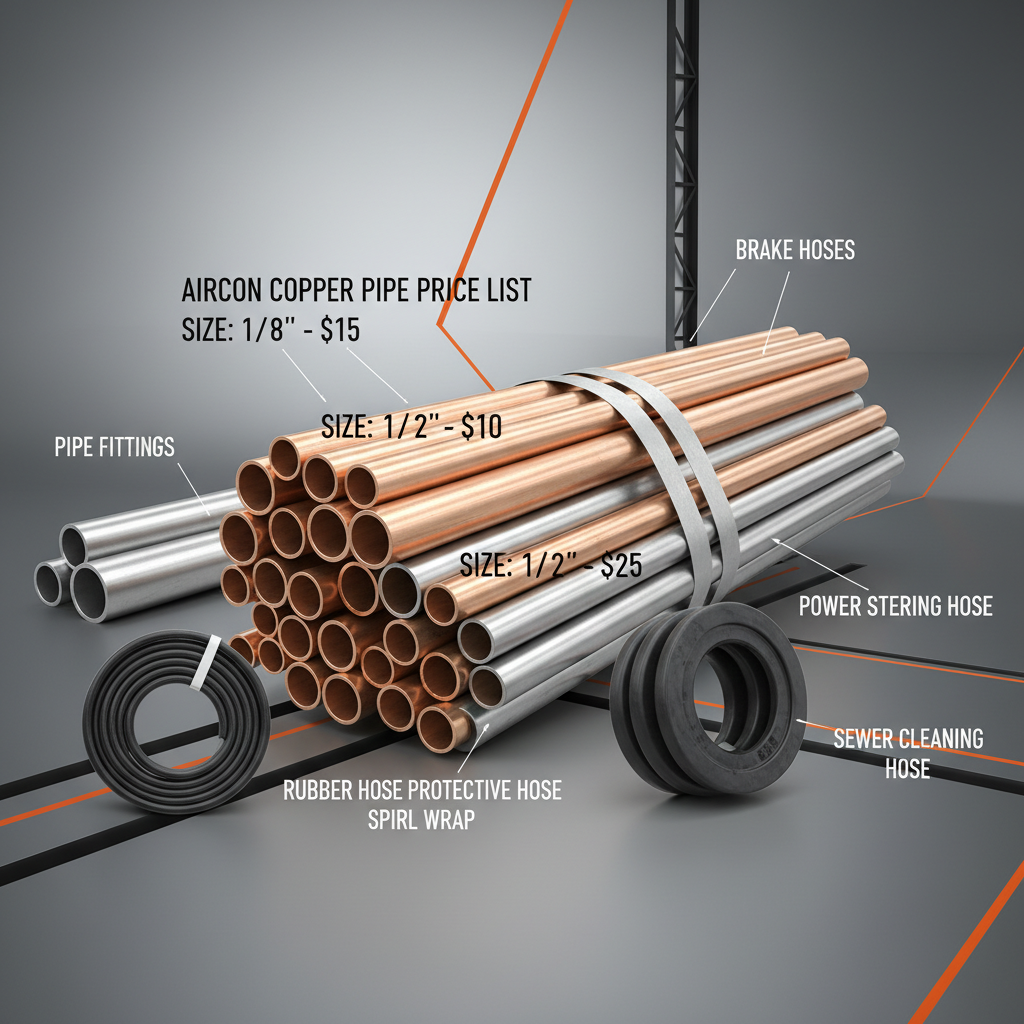
Copper remains a popular choice due to its excellent thermal conductivity and corrosion resistance. However, aluminum, steel, and increasingly, plastic composites like CPVC (Chlorinated Polyvinyl Chloride) and PEX (Cross-linked Polyethylene) are also widely used. The choice depends on factors like refrigerant type, pressure requirements, and budget constraints. Plastic options are becoming more common due to their lower cost and resistance to corrosion, but they may have limitations in terms of temperature and pressure ratings.
Regular inspection is crucial for maintaining system performance and preventing costly repairs. At a minimum, annual inspections should be conducted by a qualified HVAC technician. These inspections should include a visual assessment for leaks, corrosion, and damage, as well as a pressure test to ensure the system is properly sealed. More frequent inspections may be necessary in harsh environments or for systems with a history of issues.
Common signs of a leak include a noticeable drop in cooling performance, hissing or bubbling sounds near the pipes, the presence of oil residue around joints or fittings, and a higher-than-usual energy bill. Refrigerant leaks can also pose health risks, so it’s important to address them promptly. A qualified technician can use specialized equipment to pinpoint the source of the leak.
Small leaks can sometimes be repaired using patching compounds or brazing techniques, but this depends on the location and severity of the leak. In many cases, particularly with older or corroded pipes, replacement is the more reliable and cost-effective solution. Replacing the damaged section ensures a long-lasting repair and prevents future leaks.
Different refrigerants have varying levels of corrosivity and compatibility with different materials. For example, some refrigerants can react with copper, leading to corrosion over time. The selection of pipework materials must be carefully considered based on the type of refrigerant being used. Manufacturers provide compatibility charts to guide this process. Using incompatible materials can lead to system failure and refrigerant leaks.
Insulation plays a critical role in minimizing heat gain or loss in air conditioning pipework. It helps maintain the refrigerant at the desired temperature, improving system efficiency and reducing energy consumption. Insulation also prevents condensation from forming on the pipes, which can lead to corrosion and water damage. The type and thickness of insulation required depends on the ambient temperature and the refrigerant being used.
In conclusion, air conditioning pipework is a foundational element of modern cooling systems, vital for comfort, industrial processes, and humanitarian efforts. Understanding its principles, key factors in design and performance, and future trends is essential for professionals and consumers alike. From material selection and scalability to sustainability and innovation, a comprehensive approach to air conditioning pipework ensures efficient, reliable, and environmentally responsible cooling solutions.
As the demand for cooling continues to grow, continued innovation in materials, digitalization, and sustainable practices will be crucial. Embracing these advancements will not only optimize system performance but also contribute to a more sustainable future. For expert solutions and high-quality air conditioning pipework, visit our website: www.hoseqrt.com.

 Afrikaans
 Albanian
 Amharic
 Arabic
 Armenian
 Azerbaijani
 Basque
 Belarusian
 Bengali
 Bosnian
 Bulgarian
 Catalan
 Cebuano
 Corsican
 Croatian
 Czech
Czech
 Danish
 Dutch
Dutch
 Esperanto
 Estonian
 Finnish
 French
 Frisian
 Galician
 Georgian
 German
 Greek
Greek
 Gujarati
 Haitian Creole
 Hausa
Hausa
 Hawaiian
 Hebrew
 Hindi
Hindi
 Miao
Miao
 Hungarian
 Icelandic
 Igbo
Igbo
 Indonesian
 Irish
Irish
 Italian
 Japanese
 Javanese
 Kannada
 Kazakh
 Khmer
Khmer
 Rwandese
 Korean
 Kurdish
 Kyrgyz
 Lao
Lao
 Latin
Latin
 Latvian
 Lithuanian
 Luxembourgish
 Macedonian
 Malgashi
 Malay
Malay
 Malayalam
 Maltese
 Maori
Maori
 Marathi
 Mongolian
 Myanmar
 Nepali
 Norwegian
 Norwegian
 Occitan
 Pashto
 Persian
 Polish
 Portuguese
 Punjabi
 Romanian
 Russian
 Samoan
 Scottish Gaelic
 Serbian
 Sesotho
 Shona
Shona
 Sindhi
 Sinhala
 Slovak
 Slovenian
 Somali
 Spanish
 Sundanese
 Swahili
 Swedish
 Tagalog
 Tajik
Tajik
 Tamil
Tamil
 Tatar
Tatar
 Telugu
 Thai
Thai
 Turkish
 Turkmen
 Ukrainian
 Urdu
Urdu
 Uighur
 Uzbek
Uzbek
 Vietnamese
 Welsh
Welsh
 Bantu
Bantu
 Yiddish
 Yoruba
 Zulu
Zulu
 English