Car AC pipe repair is a critical aspect of vehicle maintenance, often overlooked until a system failure occurs. The efficient operation of a car’s air conditioning relies heavily on the integrity of its piping system – leaks, corrosion, or blockages can drastically reduce cooling performance and even damage the compressor. Understanding the intricacies of car AC pipe repair isn’t just for mechanics; it’s increasingly relevant for vehicle owners seeking to extend the lifespan of their vehicles and maintain passenger comfort. This understanding also ties into broader environmental concerns as proper repair reduces the need for premature system replacements, minimizing refrigerant leakage.
Globally, the automotive industry generates significant demand for skilled technicians capable of performing effective car AC pipe repair. With an increasing number of vehicles on the road, particularly in rapidly developing economies, the need for these services is rising exponentially. According to recent industry reports, AC system repairs represent a substantial portion of automotive aftermarket spending. This underscores the economic importance of possessing accurate diagnostic and repair skills. Furthermore, the evolving refrigerants used in modern AC systems require specialized knowledge and equipment for safe and effective handling, making continuous professional development crucial.
The advent of more complex AC systems in vehicles, including those utilizing variable displacement compressors and sophisticated electronic controls, highlights the growing importance of precise car AC pipe repair techniques. The demand for qualified personnel and high-quality repair components is only set to increase as vehicle ownership rises and environmental regulations surrounding refrigerant usage become more stringent. Addressing this need effectively ensures both driver comfort and environmental responsibility.
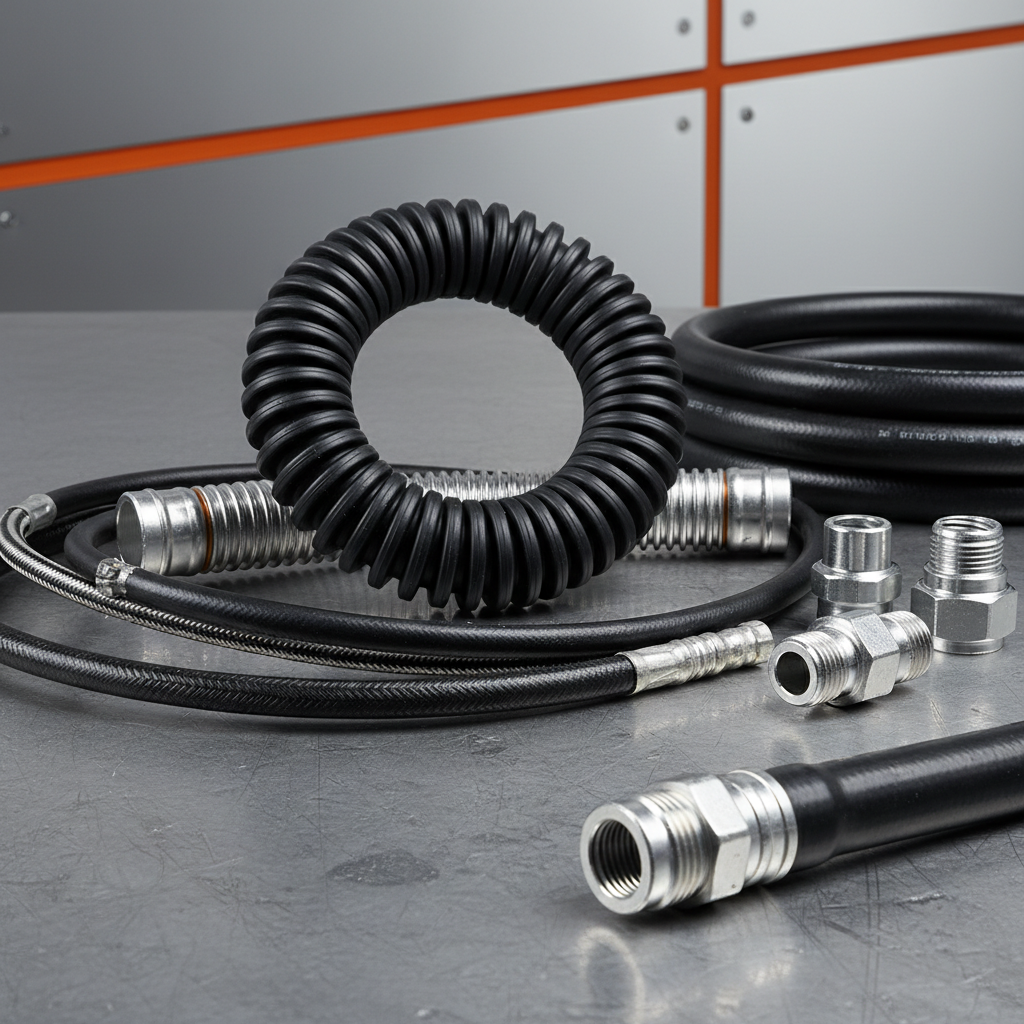

The need for proficient car AC pipe repair services is a globally recognized issue, escalating with increased vehicle ownership and sophisticated AC system designs. The United Nations Environment Programme (UNEP) emphasizes the importance of minimizing refrigerant leaks – a direct outcome of effective pipe repair – to combat climate change. Furthermore, ISO standards related to automotive service quality increasingly require demonstrable competence in AC system diagnostics and repair, influencing industry best practices. This underscores the global commitment to sustainable automotive maintenance.
A significant challenge lies in the aging vehicle fleet in many regions, leading to increased instances of corrosion and pipe failure. Furthermore, the introduction of new refrigerants with different properties requires technicians to adapt their repair techniques and utilize specialized tools. The automotive aftermarket, valued at hundreds of billions of dollars annually, heavily relies on skilled technicians capable of addressing these challenges. Effective car AC pipe repair contributes directly to cost savings for vehicle owners and reduces environmental impact.
Common signs include a gradual decrease in AC cooling performance, a hissing sound from under the hood (indicating refrigerant escaping), and visible oil residue near AC components. A musty odor inside the car can also suggest a refrigerant leak. Early detection and repair of leaks prevents further damage to the AC compressor.
While AC sealant can offer a temporary fix, it’s generally not recommended as a long-term solution. Sealant can clog the AC system, potentially damaging the compressor and other components. A proper repair or replacement of the damaged pipe is the most reliable and safest option.
Repair time varies depending on the location and severity of the damage. A simple hose replacement might take 30-60 minutes, while repairing a corroded steel pipe could take several hours. Diagnosis and leak testing also add to the overall time.
Brazing uses a higher-temperature alloy and creates a stronger, more durable joint than soldering. It's generally preferred for steel AC pipes, while soldering is more common for copper or aluminum. Brazing offers better resistance to vibration and temperature fluctuations.
Car AC pipe repair requires specialized knowledge, tools, and adherence to safety regulations regarding refrigerant handling. Improper repair can lead to refrigerant leaks, system damage, and potential environmental harm. It's generally best left to a qualified automotive technician.
Regularly inspect your AC system for leaks or damage. Flush the system periodically to remove contaminants. Avoid exposing the system to extreme temperature fluctuations. And ensure a qualified technician performs any necessary repairs or maintenance.
In summary, car AC pipe repair is a critical component of vehicle maintenance with significant implications for cost savings, environmental sustainability, and driver safety. Understanding the core principles of repair, from material selection to refrigerant handling, is essential for both technicians and vehicle owners. Advancements in materials science and diagnostic technology continue to enhance the effectiveness and efficiency of repair procedures.
Looking ahead, continued investment in training, equipment, and sustainable practices will be vital for addressing the evolving challenges of car AC pipe repair. Embracing innovative technologies and prioritizing environmental responsibility will ensure that this essential service remains reliable, affordable, and environmentally sound. For expert car AC pipe repair, visit our website today: https://www.hoseqrt.com.


 Afrikaans
 Albanian
 Amharic
 Arabic
 Armenian
 Azerbaijani
 Basque
 Belarusian
 Bengali
 Bosnian
 Bulgarian
 Catalan
 Cebuano
 Corsican
 Croatian
 Czech
Czech
 Danish
 Dutch
Dutch
 Esperanto
 Estonian
 Finnish
 French
 Frisian
 Galician
 Georgian
 German
 Greek
Greek
 Gujarati
 Haitian Creole
 Hausa
Hausa
 Hawaiian
 Hebrew
 Hindi
Hindi
 Miao
Miao
 Hungarian
 Icelandic
 Igbo
Igbo
 Indonesian
 Irish
Irish
 Italian
 Japanese
 Javanese
 Kannada
 Kazakh
 Khmer
Khmer
 Rwandese
 Korean
 Kurdish
 Kyrgyz
 Lao
Lao
 Latin
Latin
 Latvian
 Lithuanian
 Luxembourgish
 Macedonian
 Malgashi
 Malay
Malay
 Malayalam
 Maltese
 Maori
Maori
 Marathi
 Mongolian
 Myanmar
 Nepali
 Norwegian
 Norwegian
 Occitan
 Pashto
 Persian
 Polish
 Portuguese
 Punjabi
 Romanian
 Russian
 Samoan
 Scottish Gaelic
 Serbian
 Sesotho
 Shona
Shona
 Sindhi
 Sinhala
 Slovak
 Slovenian
 Somali
 Spanish
 Sundanese
 Swahili
 Swedish
 Tagalog
 Tajik
Tajik
 Tamil
Tamil
 Tatar
Tatar
 Telugu
 Thai
Thai
 Turkish
 Turkmen
 Ukrainian
 Urdu
Urdu
 Uighur
 Uzbek
Uzbek
 Vietnamese
 Welsh
Welsh
 Bantu
Bantu
 Yiddish
 Yoruba
 Zulu
Zulu
 English