

Premium SAE J1401 Brake Hose Specifications & Safety Standards
Understanding SAE J1401 Brake Hose Specifications: A Critical Component in Vehicle Safety
In the demanding world of automotive and heavy-duty vehicle manufacturing, the integrity and performance of every component are paramount. Among these, the brake hose stands as a critical safety element, directly impacting vehicle braking efficiency and reliability. The SAE J1401 brake hose specifications define the stringent requirements for hydraulic brake hoses used in road vehicles, ensuring consistent quality and performance across the industry. This standard is not merely a guideline; it is a testament to engineering excellence, dictating material properties, manufacturing processes, and rigorous testing protocols to safeguard operational integrity under extreme conditions.
The SAE J1401 brake hose specifications address a wide array of performance attributes, including burst pressure resistance, volumetric expansion limits, whip resistance, and compatibility with various braking fluids. Adherence to SAE J1401 is essential for OEMs and aftermarket suppliers alike, providing assurance that the brake hose can withstand the dynamic stresses and environmental factors encountered during its service life. This article delves into the intricacies of these specifications, exploring the manufacturing processes, technical advantages, application scenarios, and the critical role of these hoses in ensuring vehicle safety and longevity.
Detailed Manufacturing Process of SAE J1401 Brake Hoses
The production of an SAE J1401 brake hose is a complex, multi-stage process involving specialized materials and precision engineering to meet the exacting SAE J1401 brake hose specifications. This process ensures the final product can reliably transmit hydraulic pressure from the master cylinder to the brake calipers or wheel cylinders, critical for effective braking. Here’s a breakdown of the typical manufacturing flow:
-
Material Selection:
The core of a j1401 brake hose is its inner tube, typically made from EPDM (Ethylene Propylene Diene Monomer) rubber or, for high-performance applications, PTFE (Polytetrafluoroethylene). EPDM is chosen for its excellent compatibility with glycol-based brake fluids and its resistance to heat and aging. PTFE offers superior chemical resistance and a non-hygroscopic nature, reducing moisture absorption issues. The reinforcement layer uses high-tensile strength synthetic fibers like PVA (Polyvinyl Alcohol) or aramid fibers, often braided, to provide burst strength and prevent volumetric expansion. The outer cover is usually a robust EPDM or chloroprene rubber compound, formulated for resistance to ozone, abrasion, UV radiation, and road chemicals.
-
Extrusion of Inner Tube:
The selected inner tube material is extruded through a die to form a seamless, consistent tube with precise internal and external diameters. This step is critical for maintaining fluid flow integrity and minimizing volumetric expansion.
-
Reinforcement Layer Application (Braiding):
Following the inner tube, one or more layers of high-strength textile braiding are applied. This braiding, often performed on specialized machines, provides the primary resistance to internal pressure. The weave density and material type are carefully controlled to meet the pressure ratings stipulated by sae j1401 brake hose standards. For more robust applications, a layer of stainless steel wire braiding may be added over the textile layer.
-
Extrusion of Outer Cover:
The reinforced inner tube is then covered with the protective outer layer, typically through another extrusion process. This layer seals the reinforcement, protects it from environmental damage, and contributes to the overall durability and abrasion resistance of the brake hose.
-
Vulcanization (Curing):
The entire hose assembly undergoes vulcanization under heat and pressure. This curing process cross-links the rubber polymers, giving the hose its final mechanical properties, elasticity, and heat resistance. Proper vulcanization is vital for the hose's long-term performance and service life, often extending beyond 5-7 years in typical automotive applications.
-
End Fitting Assembly:
Precision-machined end fittings, often made of steel (plated for corrosion resistance) or brass, are crimped onto the hose. This is a critical step, as the connection must be leak-proof and withstand significant tensile forces as per SAE J1401 brake hose specifications.
-
Testing and Quality Control:
Every batch, and often individual hoses, undergoes rigorous testing to ensure compliance with SAE J1401, FMVSS 106 (DOT), ISO 3996, and other relevant international standards. Key tests include:
- Pressure Testing (Proof and Burst Pressure): To verify structural integrity.
- Volumetric Expansion Test: To measure the increase in internal volume under pressure, ensuring consistent pedal feel.
- Whip Test: Simulates vibrations and flexing, testing fatigue resistance.
- Tensile Strength Test: Evaluates the integrity of end fitting crimps.
- Ozone Resistance Test: Ensures durability against environmental degradation.
- Cold Flexibility Test: Confirms performance at low temperatures.
Target industries for such high-quality hoses include automotive OEM and aftermarket, heavy-duty truck manufacturing, industrial vehicle production (e.g., forklifts, construction equipment), and even specialized applications requiring robust hydraulic lines. The advantages are clear: superior corrosion resistance from advanced materials and coatings, exceptional energy transfer efficiency due to minimal volumetric expansion, and extended service life under harsh operating conditions.
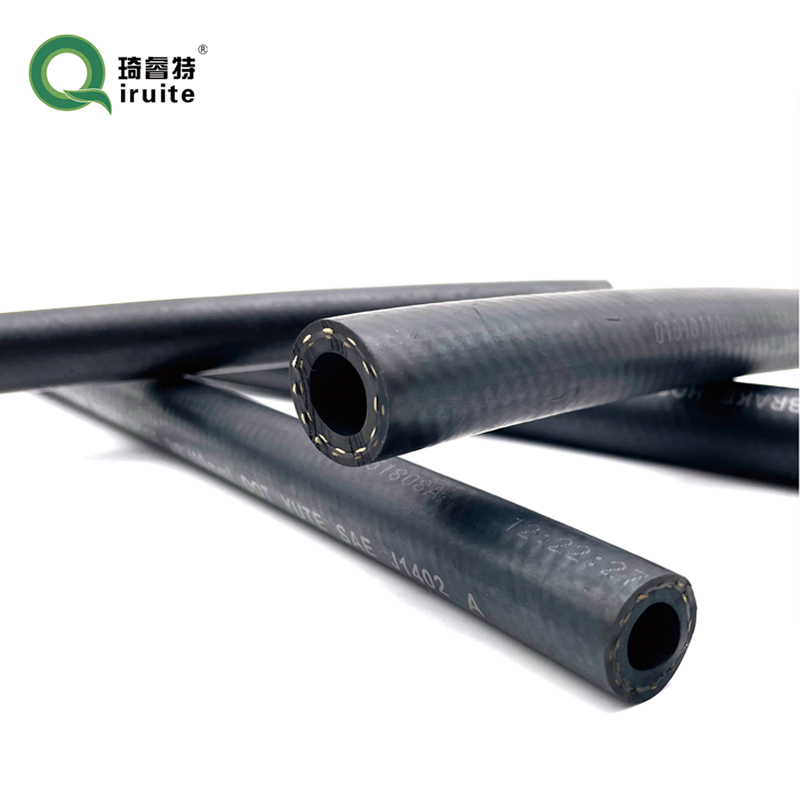
Fig 1: Cross-section illustrating the multi-layer construction of an SAE J1401 brake hose.
Key Technical Specifications of SAE J1401 Brake Hoses
Adherence to the sae j1401 brake hose specifications is non-negotiable for safety-critical applications. These specifications define the minimum performance criteria that brake hoses must meet. Below is a summary of crucial parameters often found in j1401 brake hose standards, highlighting the robust engineering required.
Table 1: Representative SAE J1401 Brake Hose Performance Parameters (Examples for 3.2 mm / 1/8" ID Hose)
| Parameter | SAE J1401 Requirement (Typical) | Significance |
|---|---|---|
| Proof Pressure | 7 MPa (1000 psi) for 10-15 seconds | Ensures leak-free performance under typical maximum operating pressures. |
| Burst Pressure | Min. 14 MPa (2000 psi) | Critical safety margin, ensures hose does not rupture under extreme pressure spikes. |
| Volumetric Expansion (at 10.5 MPa / 1500 psi) | Max. 0.46 cm³/30 cm for 3.2mm ID hose | Minimizes "spongy" brake pedal feel, ensuring responsive braking. |
| Whip Resistance | 35 hours minimum at 800 RPM | Tests fatigue resistance under dynamic flexing conditions, crucial for longevity. |
| Tensile Strength (Hose-to-Fitting) | Min. 1470 N (330 lbf) | Ensures the secure attachment of fittings under mechanical stress. |
| Ozone Resistance | No cracking after 70 hours in 50 mPa ozone at 40°C | Guarantees durability against environmental degradation, prolonging service life. |
| Temperature Range (Operating) | -40°C to +100°C (-40°F to +212°F) | Ensures performance across a wide range of climatic conditions. |
These parameters are not merely numbers; they represent the rigorous engineering and material science that go into every brake hose sae j1401. Meeting these exact thresholds means the hose can reliably perform its function under the most demanding driving conditions, providing consistent braking feel and unwavering safety.
Industry Trends and Innovations in Brake Hose Technology
The automotive industry is continuously evolving, driven by demands for increased safety, efficiency, and environmental responsibility. This evolution directly impacts components like the SAE J1401 brake hose. Current trends include:
- Lightweighting: With the push for better fuel economy and reduced emissions, manufacturers are seeking lighter materials for all components. This includes advanced polymer composites and thinner, yet stronger, reinforcement layers for brake hoses without compromising sae j1401 brake hose specifications.
- Enhanced Durability and Lifespan: Extended vehicle warranties and consumer expectations drive the need for components that last longer. Innovations in rubber compounding, anti-aging additives, and improved abrasion-resistant outer covers are enhancing the service life of brake hoses.
- Compatibility with New Fluids and Systems: The development of electric and hybrid vehicles introduces new thermal management challenges and potential for different fluid chemistries. Brake hoses must maintain compatibility with these evolving systems, potentially leading to new material requirements.
- Integration with Advanced Driver-Assistance Systems (ADAS): As ADAS and autonomous driving technologies become standard, brake systems are becoming more sophisticated, requiring precise and instantaneous hydraulic response. Brake hoses with minimal volumetric expansion are crucial for these systems to operate effectively.
- Stainless Steel Braided Hoses: While conventional rubber hoses meet SAE J1401, braided stainless steel hoses offer superior performance in terms of reduced volumetric expansion and enhanced abrasion resistance, gaining popularity in performance and heavy-duty applications.
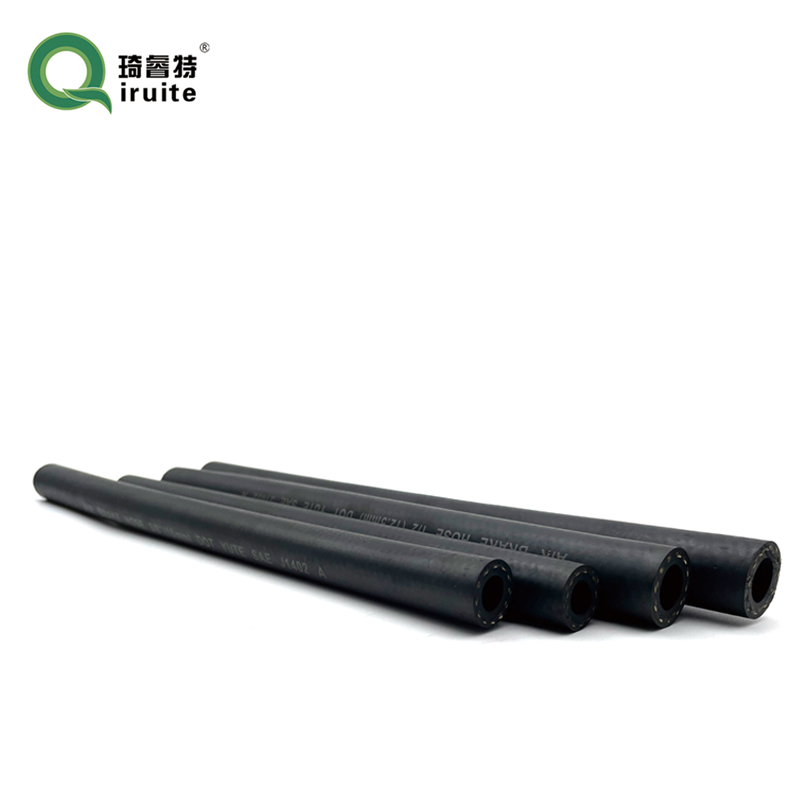
Fig 2: A variety of brake hose end fittings and configurations meeting SAE J1401 standards.
Application Scenarios and Technical Advantages
The robustness and reliability dictated by SAE J1401 brake hose specifications make these hoses indispensable across numerous application scenarios, far beyond just passenger cars. Their technical advantages translate directly into operational benefits and enhanced safety.
Typical Application Scenarios:
- Passenger Vehicles (Cars & SUVs): Standard equipment for both original manufacturing and aftermarket replacements, ensuring consistent braking performance and safety.
- Heavy-Duty Trucks & Commercial Vehicles: These applications demand higher pressure resistance and extreme durability due to heavier loads and continuous operation. SAE J1401 hoses provide the necessary reliability.
- Construction & Agricultural Equipment: Operating in harsh, dirty environments with significant vibrations and temperature fluctuations, these machines rely on hoses that can withstand abrasion, impact, and a wide range of operational stressors.
- Motorcycles: High-performance motorcycles often benefit from stainless steel braided brake hose sae j1401 for superior brake feel and fade resistance.
- Industrial & Specialty Vehicles: Any vehicle requiring a robust hydraulic braking system, including forklifts, airport ground support equipment, and specialized military vehicles.
Technical Advantages:
- Uncompromised Safety: The primary advantage. Strict adherence to SAE J1401 ensures hoses can perform reliably under emergency braking, high temperatures, and continuous pressure cycles, drastically reducing the risk of brake failure.
- Superior Pedal Feel: Low volumetric expansion characteristics mean less energy is lost in expanding the hose, resulting in a firm, consistent brake pedal. This is crucial for driver confidence and precise braking control.
- Corrosion and Chemical Resistance: High-quality rubber compounds for the inner tube and outer cover provide excellent resistance to brake fluids, ozone, road salts, oil, and other environmental contaminants, extending the hose’s operational life.
- Exceptional Durability and Longevity: Designed to withstand extreme temperatures, mechanical abrasion, and cyclic flexing, a quality j1401 brake hose offers an extended service life, minimizing maintenance and replacement costs.
- Consistent Performance Across Conditions: From sub-zero winters to scorching summers, the materials and construction ensure consistent hydraulic performance, preventing hardening, softening, or cracking.
Vendor Comparison and Customized Solutions
Choosing the right supplier for components like the SAE J1401 brake hose is a strategic decision for B2B clients. Factors such as adherence to sae j1401 brake hose specifications, customization capabilities, and overall support play a vital role. While many vendors claim compliance, true expertise lies in consistent quality, comprehensive testing, and the ability to tailor solutions.
Table 2: Vendor Comparison for SAE J1401 Brake Hoses
| Feature/Factor | Leading OEM Supplier (e.g., HoseQRT) | Standard Aftermarket Vendor | Budget Supplier |
|---|---|---|---|
| Adherence to SAE J1401 & FMVSS 106 | Guaranteed, Exceeds Min. Specs | Meets Min. Specs, inconsistent above | May meet, often with less safety margin |
| Material Quality (Inner Tube/Cover) | Premium EPDM/PTFE, proprietary blends | Standard EPDM/NR blends | Basic rubber compounds |
| Customization Options | Extensive (length, fittings, braiding, color) | Limited standard configurations | None, off-the-shelf only |
| Testing & QC Protocols | 100% batch testing, in-house labs, third-party audits | Batch testing, basic QC | Minimal testing, often relies on supplier certs |
| Technical Support & R&D | Dedicated engineering support, continuous R&D | Standard product support | Minimal to non-existent |
Customized Solutions:
For demanding applications or specific vehicle designs, off-the-shelf hoses may not suffice. Leading suppliers excel in offering customized SAE J1401 brake hose specifications, including:
- Specific Lengths and Configurations: Precisely cut and crimped hoses to fit unique vehicle layouts, minimizing slack or tension.
- Specialized End Fittings: Custom-designed or rare fittings to interface with bespoke braking systems, ensuring perfect compatibility and leak-proof connections.
- Enhanced Materials: For extreme temperatures, aggressive fluids, or severe abrasion, specialized inner tube materials (e.g., high-grade PTFE) or outer covers (e.g., polyurethane) can be utilized, exceeding standard sae j1401 brake hose specifications for specific attributes.
- Integrated Solutions: Combining brake hoses with other hydraulic or pneumatic lines into a single assembly for streamlined installation and improved organization within confined spaces.
- Color Coding and Branding: Custom colors for easy identification or integration with client branding, often incorporating specific markings for traceability.
Our decades of experience in the hydraulic hose industry allow us to partner with leading OEMs to develop highly specialized solutions that consistently exceed the baseline SAE J1401 brake hose specifications, offering optimized performance and a competitive edge.
Application Case Studies: Proving Reliability in Action
The theoretical adherence to SAE J1401 brake hose specifications is validated through real-world performance. Here are illustrative case studies demonstrating the impact of high-quality j1401 brake hose products:
-
Case Study 1: Heavy-Duty Commercial Fleet Upgrade
A major logistics company operating a fleet of over 500 trucks faced recurring issues with premature brake hose degradation and occasional spongy pedal feel, especially in regions with extreme temperature swings. Upon analysis, it was determined that the existing hoses, while meeting basic standards, lacked the necessary resilience for continuous heavy-duty cycles and environmental exposure. By upgrading to hoses strictly manufactured to advanced sae j1401 brake hose specifications, featuring enhanced ozone and abrasion resistance, the fleet reported a 30% reduction in brake system related downtimes and an average extension of hose service life by 2 years. Drivers also noted a significant improvement in braking confidence and responsiveness.
-
Case Study 2: Performance Automotive OEM Partnership
A high-performance luxury car manufacturer sought a brake hose solution that could deliver an exceptionally firm pedal feel and unwavering reliability under track conditions without increasing complexity. Our engineering team collaborated closely to develop custom SAE J1401 brake hose specifications, utilizing a multi-layer PTFE core with double stainless steel braiding. This bespoke solution, rigorously tested beyond standard SAE J1401 requirements, achieved a volumetric expansion rate 50% lower than typical rubber hoses, leading to a noticeable improvement in brake modulation and a critical competitive advantage for the OEM's vehicle line.
-
Case Study 3: Industrial Forklift Application in Cold Storage
An industrial equipment manufacturer needed a robust brake hose sae j1401 for forklifts operating continuously in cold storage facilities at temperatures as low as -30°C. Standard hoses exhibited stiffening and reduced flexibility, leading to potential cracking. We supplied specialized hoses engineered with low-temperature flexible EPDM compounds and cold-resistant outer covers that not only met but exceeded the cold flexibility requirements of SAE J1401, ensuring uninterrupted operation and safety in extreme cold environments, demonstrating the adaptability of the standard when coupled with expert material science.
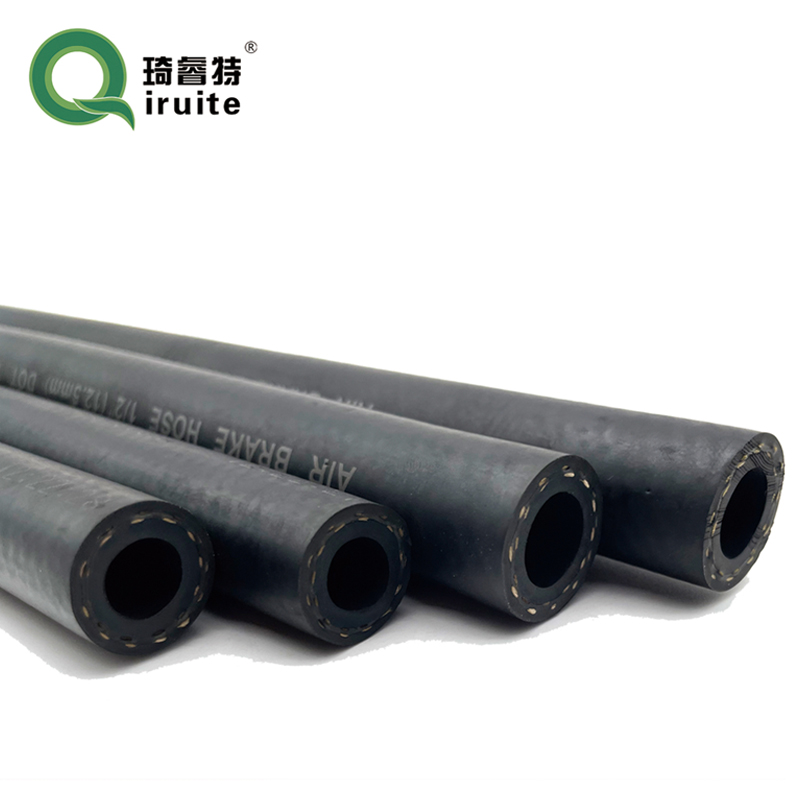
Fig 3: A completed SAE J1401 brake hose assembly ready for installation.
: Expertise, Experience, Authoritativeness, and Trustworthiness
Expertise and Authoritativeness:
Our commitment to manufacturing products that not only meet but often exceed SAE J1401 brake hose specifications is founded on deep technical expertise and rigorous quality control. Our engineering team comprises specialists with extensive knowledge in material science, hydraulic systems, and automotive safety standards. We hold multiple certifications, including ISO 9001 for quality management, and our products are consistently certified by independent bodies to meet DOT FMVSS 106 and ISO 3996, alongside SAE J1401. We have served the automotive and industrial sectors for over two decades, becoming a trusted partner to numerous leading OEMs globally.
Our authoritative standing is further reinforced by our state-of-the-art testing facilities, where every production batch undergoes comprehensive evaluation including impulse testing, burst pressure analysis, volumetric expansion measurement, and ozone resistance checks. We also maintain a robust R&D department continuously exploring advanced materials and manufacturing techniques to push the boundaries of sae j1401 brake hose performance.
Trustworthiness and Support:
We understand that reliability extends beyond the product itself to the entire customer experience. Our dedication to trustworthiness is reflected in transparent lead times, comprehensive warranty policies, and responsive customer support.
Frequently Asked Questions (FAQ):
- Q: What is the typical lead time for custom SAE J1401 brake hose specifications?
- A: For standard products, lead times typically range from 2-4 weeks. For custom solutions involving specialized fittings or materials, lead times can vary from 6-10 weeks, depending on complexity and order volume. We provide detailed lead time estimates with every quotation.
- Q: What is your warranty policy for j1401 brake hose products?
- A: We offer a comprehensive 1-year warranty against manufacturing defects from the date of purchase. Our products are designed for a service life exceeding 5-7 years under normal operating conditions, and our warranty reflects our confidence in their quality and compliance with SAE J1401 standards.
- Q: How do you ensure product quality and adherence to sae j1401 brake hose?
- A: Our quality assurance program involves multi-stage inspections, from raw material verification to in-process checks and final product testing. Every batch undergoes rigorous performance tests as outlined in SAE J1401 and FMVSS 106, including burst pressure, volumetric expansion, and whip resistance tests. We maintain full traceability for all components.
- Q: What kind of customer support do you offer?
- A: We provide dedicated technical support from our team of engineers to assist with product selection, application challenges, and custom design requirements. Our customer service team is available via phone and email during business hours to handle inquiries, orders, and after-sales support efficiently.
Conclusion
The SAE J1401 brake hose specifications are more than just technical guidelines; they are the bedrock of safety and performance in vehicle braking systems. From meticulous material selection and advanced manufacturing processes to rigorous testing and quality control, every step in producing an SAE J1401 compliant hose is designed to ensure maximum reliability and longevity. For B2B decision-makers and engineers, understanding and demanding strict adherence to these specifications, along with leveraging opportunities for customized solutions, is paramount for safeguarding vehicle occupants, maintaining operational efficiency, and upholding brand reputation.
As the automotive industry continues its trajectory of innovation, the standards set by sae j1401 brake hose will evolve, and suppliers committed to excellence will continue to lead the way in delivering critical components that meet and exceed these vital requirements.
References
- SAE International. (2018). SAE J1401: Hydraulic Brake Hose Assemblies for Use with Non-Petroleum Base Hydraulic Fluids. SAE Technical Paper.
- National Highway Traffic Safety Administration. (2020). FMVSS 106: Brake Hoses. 49 CFR Part 571.106.
- International Organization for Standardization. (2007). ISO 3996: Road vehicles — Brake hose assemblies for hydraulic braking systems used with non-petroleum-base reference fluids. ISO Standard.
- Rubber Manufacturers Association. (2015). Hose Handbook: A Guide to the Selection, Specification, and Use of Industrial Rubber Hose.
- Automotive Engineering International. (2019). "Advances in Brake System Technology for ADAS and EV Applications." SAE International.
-
Custom Power Steering Hose Kit Guide for Vehicle PerformanceNewsApr.16,2026
-
Guide to High Performance Custom Made Power Steering HosesNewsApr.09,2026
-
Comprehensive Guide to Custom High Pressure Power Steering Hose SolutionsNewsApr.07,2026
-
Comprehensive Guide to CRV Power Steering Hose Maintenance and ReplacementNewsApr.04,2026
-
Comprehensive Guide to CPP Power Steering Hoses for Optimal Vehicle PerformanceNewsMar.31,2026
-
Understanding the Cost to Repair Power Steering Hose and Associated FactorsNewsMar.28,2026
 Afrikaans
 Albanian
 Amharic
 Arabic
 Armenian
 Azerbaijani
 Basque
 Belarusian
 Bengali
 Bosnian
 Bulgarian
 Catalan
 Cebuano
 Corsican
 Croatian
 Czech
Czech
 Danish
 Dutch
Dutch
 Esperanto
 Estonian
 Finnish
 French
 Frisian
 Galician
 Georgian
 German
 Greek
Greek
 Gujarati
 Haitian Creole
 Hausa
Hausa
 Hawaiian
 Hebrew
 Hindi
Hindi
 Miao
Miao
 Hungarian
 Icelandic
 Igbo
Igbo
 Indonesian
 Irish
Irish
 Italian
 Japanese
 Javanese
 Kannada
 Kazakh
 Khmer
Khmer
 Rwandese
 Korean
 Kurdish
 Kyrgyz
 Lao
Lao
 Latin
Latin
 Latvian
 Lithuanian
 Luxembourgish
 Macedonian
 Malgashi
 Malay
Malay
 Malayalam
 Maltese
 Maori
Maori
 Marathi
 Mongolian
 Myanmar
 Nepali
 Norwegian
 Norwegian
 Occitan
 Pashto
 Persian
 Polish
 Portuguese
 Punjabi
 Romanian
 Russian
 Samoan
 Scottish Gaelic
 Serbian
 Sesotho
 Shona
Shona
 Sindhi
 Sinhala
 Slovak
 Slovenian
 Somali
 Spanish
 Sundanese
 Swahili
 Swedish
 Tagalog
 Tajik
Tajik
 Tamil
Tamil
 Tatar
Tatar
 Telugu
 Thai
Thai
 Turkish
 Turkmen
 Ukrainian
 Urdu
Urdu
 Uighur
 Uzbek
Uzbek
 Vietnamese
 Welsh
Welsh
 Bantu
Bantu
 Yiddish
 Yoruba
 Zulu
Zulu
 English