

Blog
-
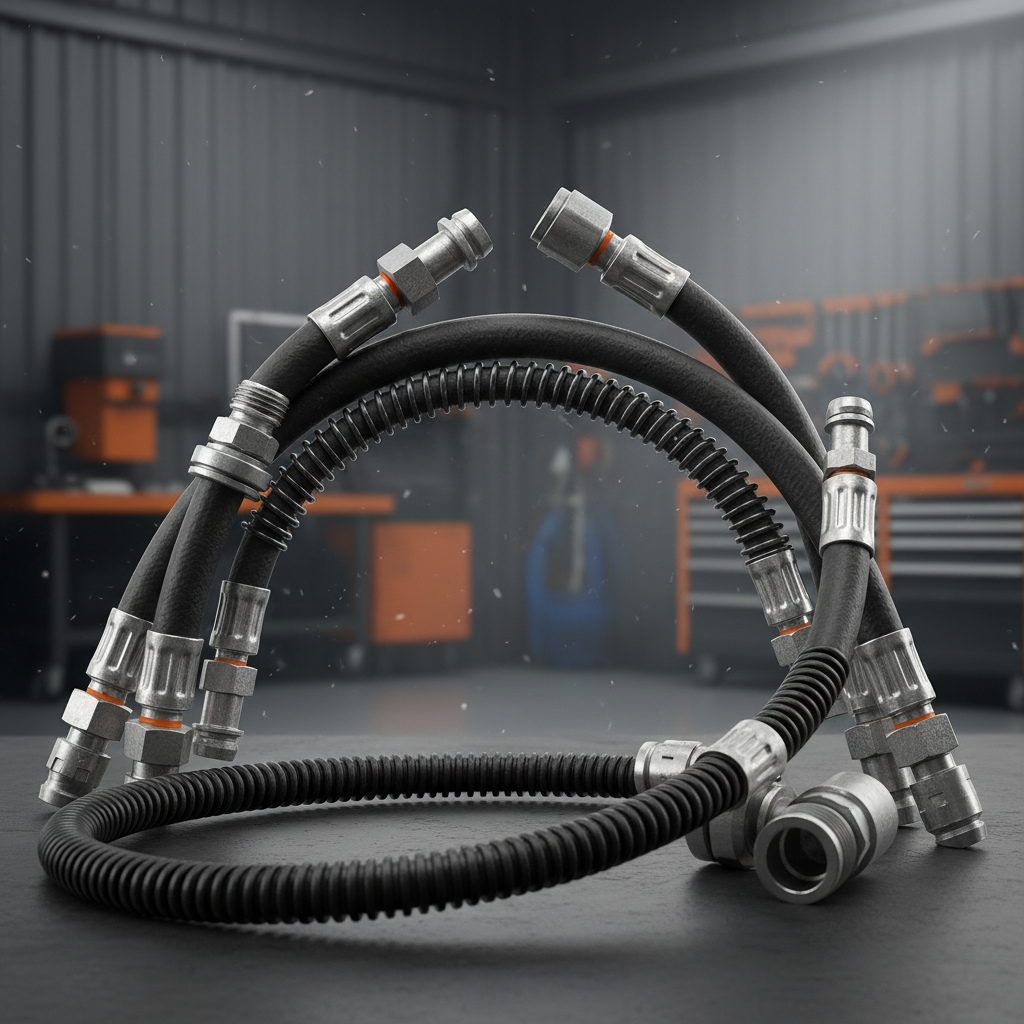 Maintaining your Chevy's power steering system is crucial for a smooth and safe driving experience. A key component of this system is the power steering hose, responsible for delivering hydraulic fluid under pressure. When these hoses degrade or leak, it can lead to difficult steering, reduced efficiency, and potentially dangerous situations. This article will cover the importance of Chevy power steering hoses, common issues, how to choose the correct replacement, and why Hose QRT is your trusted source for high-quality solutions. Ignoring power steering hose issues can lead to more significant and expensive repairs down the line. Chevy power steering hoses are engineered to withstand high pressure and extreme temperatures. They connect the power steering pump, steering gear, and reservoir, ensuring a consistent flow of hydraulic fluid. This fluid provides the assistance needed to turn the wheels, particularly at low speeds. These hoses aren't just simple tubes; they are constructed with multiple layers, including an inner tube resistant to hydraulic fluid, reinforcement layers for strength, and an outer cover for protection against abrasion and the elements.Soma byinshi
 -
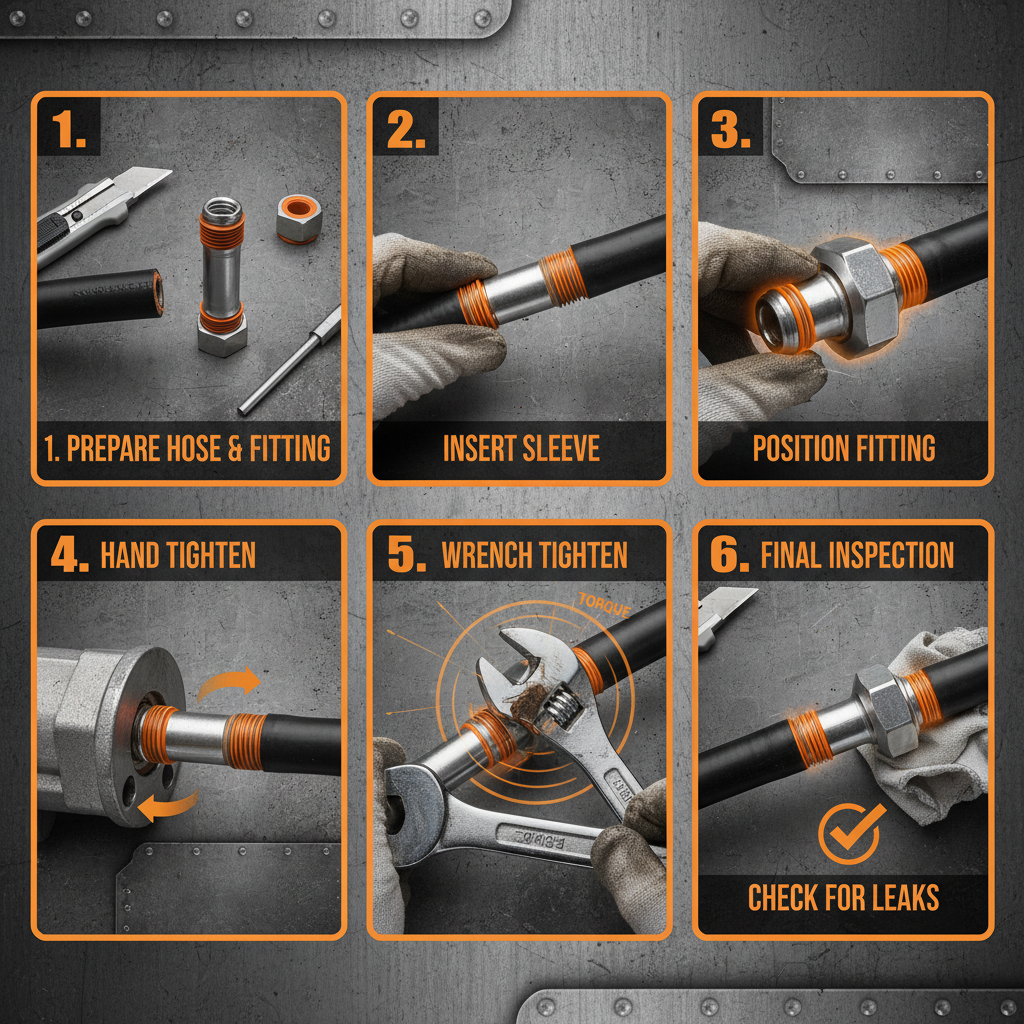 Maintaining the power steering system in your Chevy vehicle is crucial for safe and efficient driving. A key component of this system is the power steering hose, and ensuring a secure and leak-free connection relies heavily on the quality of the Chevy power steering hose fittings. These fittings are designed to withstand high pressure and temperature fluctuations, making them essential for reliable performance. This article delves into the types, materials, common issues, and proper maintenance of Chevy power steering hose fittings, offering valuable insights for both DIY enthusiasts and professional mechanics. Choosing the right fitting can prevent costly repairs and ensure optimal steering control.Soma byinshi
 -
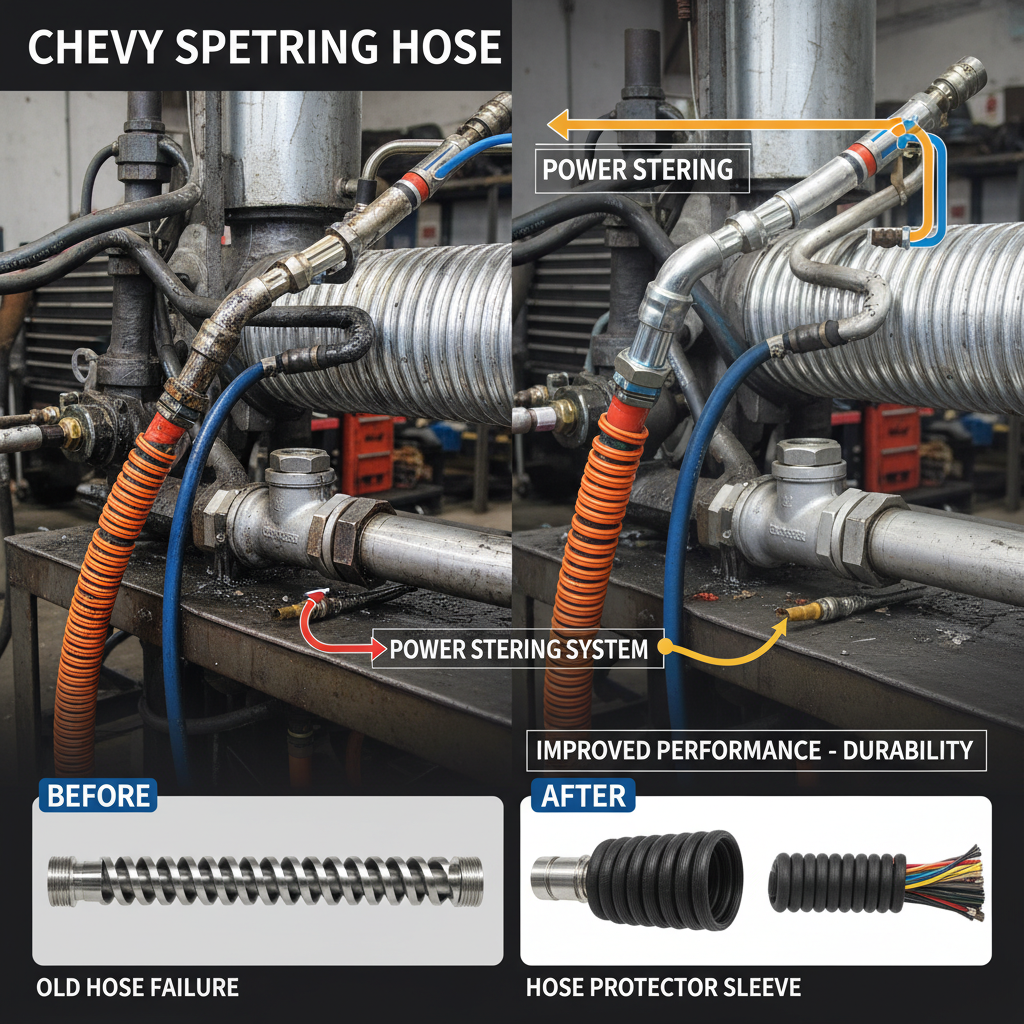 Understanding your Chevy's power steering system is crucial for maintaining optimal vehicle performance and safety. A vital part of this system is the power steering hose, and having a clear Chevy power steering hose diagram can be incredibly helpful for troubleshooting, repair, or replacement. This article dives deep into the intricacies of these hoses, providing a comprehensive guide to their layout, function, and how to find the right diagrams for your specific vehicle. We'll explore common issues, maintenance tips, and how Hose QRT can provide high-quality solutions for your power steering needs. The Chevy power steering system relies on hydraulic fluid to assist in steering, making it easier to turn the wheels, especially at low speeds. The power steering hoses are responsible for delivering this fluid to the power steering gear and returning it to the reservoir. These hoses are subjected to high pressure and can deteriorate over time, leading to leaks and steering issues.Soma byinshi
 -
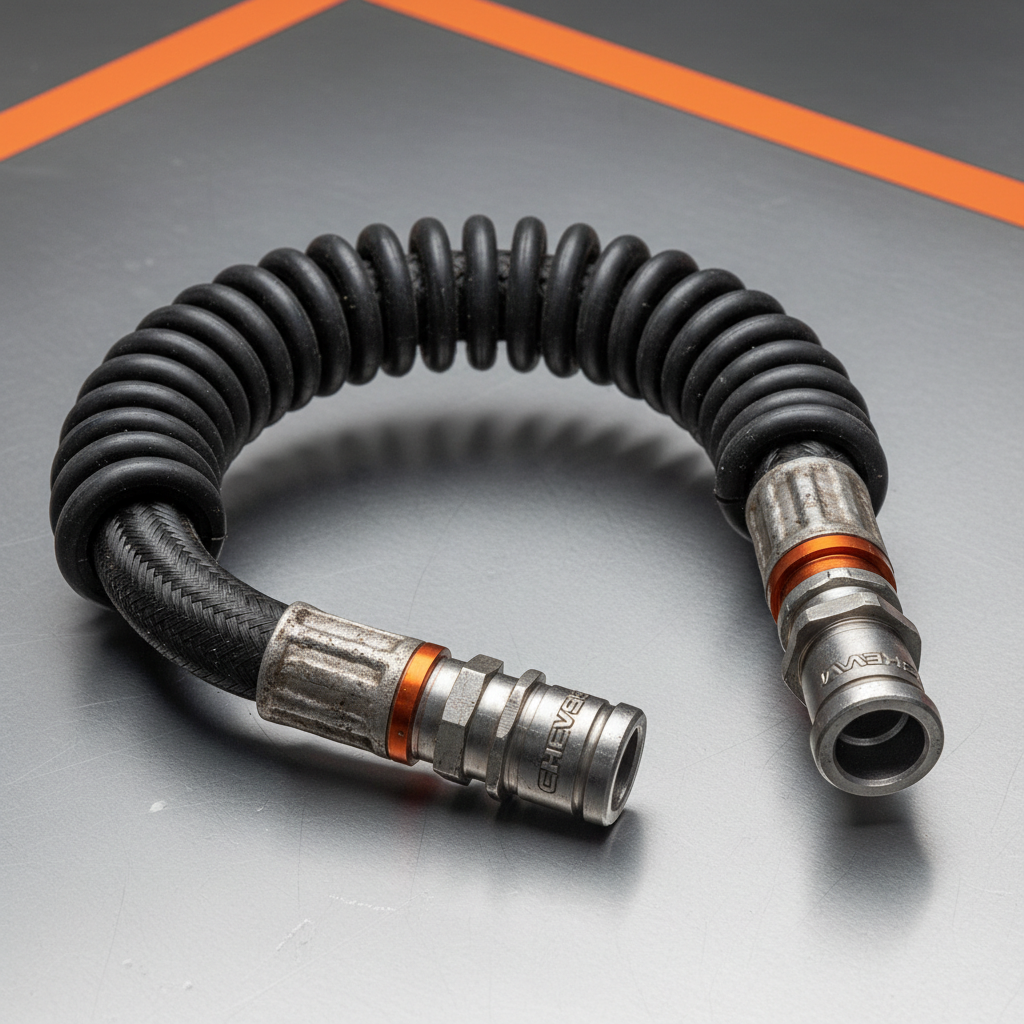 Maintaining the power steering in your Chevy vehicle is vital for a smooth and safe driving experience. A failing Chevy power steering hose can lead to difficult steering, noise, and even complete loss of power assist. This article will delve into the importance of these hoses, common issues, how to identify problems, and where to find quality replacements. We'll cover everything from understanding the system to ensuring your Chevy steers reliably for years to come. The power steering hose is a crucial component of your Chevy's power steering system. Its primary function is to transmit pressurized power steering fluid from the pump to the steering gear. This fluid assists in moving the steering linkage, making it easier for the driver to turn the wheels, especially at low speeds. There are typically high-pressure and low-pressure (return) hoses in the system. The high-pressure hose carries fluid to the steering gear, while the low-pressure hose returns the fluid to the reservoir. A leak or blockage in either of these hoses will compromise the system's performance. Several factors can lead to issues with your Chevy’s power steering hoses. Age and exposure to heat and chemicals are common culprits.Soma byinshi
 -
 Maintaining your Chevrolet's power steering system is crucial for a smooth and safe driving experience. A key component of this system is the Chevrolet power steering hose, responsible for delivering vital hydraulic fluid. This article provides a deep dive into everything you need to know about these hoses – from identifying issues and understanding types, to choosing the right replacement from Hose QRT. Ignoring a failing power steering hose can lead to difficult steering, fluid leaks, and potential damage to other components. Let’s explore how to keep your Chevrolet’s power steering performing optimally. Recognizing the signs of a failing power steering hose is the first step towards preventing more significant issues. Common symptoms include difficulty steering, especially at low speeds, a whining noise when turning the steering wheel, and visible fluid leaks under the vehicle. A pulsating steering feel can also indicate air entering the system through a cracked or loose hose. Regularly inspect your hoses for cracks, bulges, or any signs of deterioration.Soma byinshi
 -
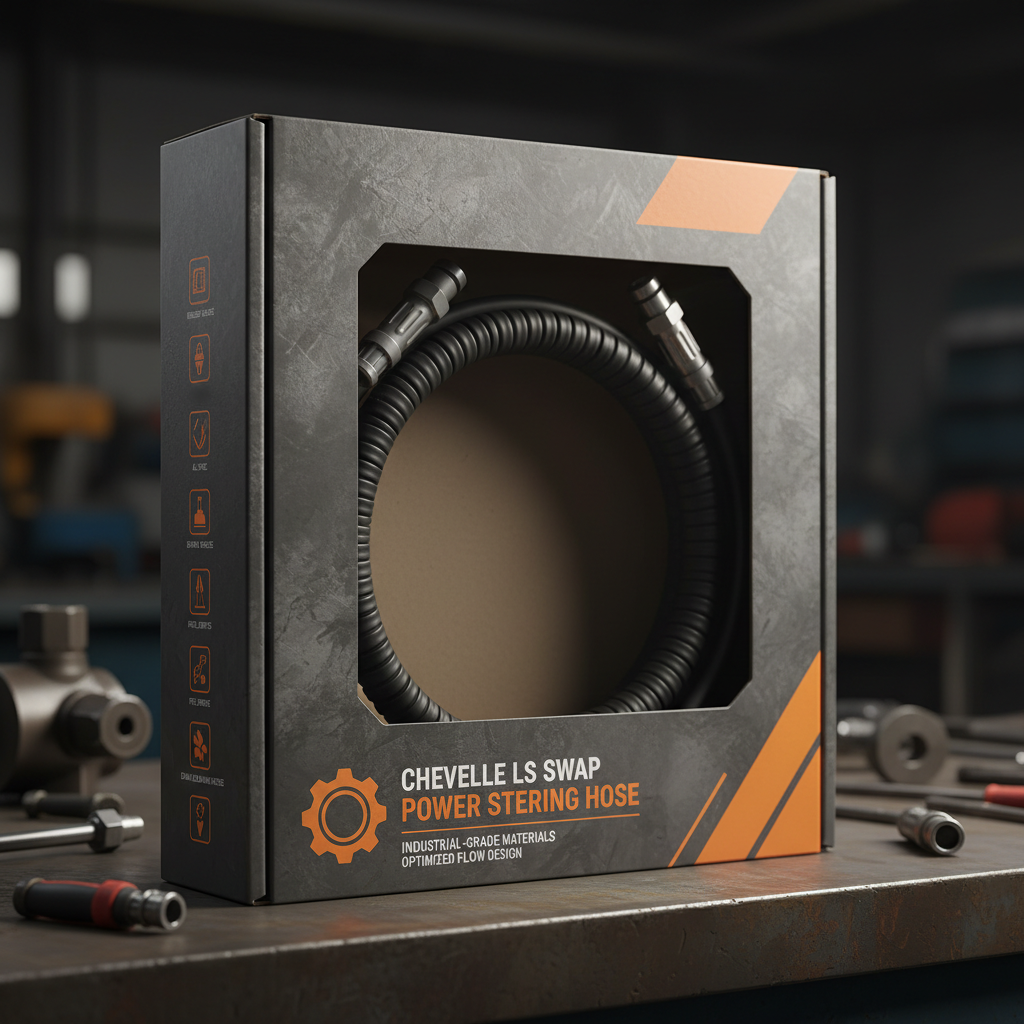 Performing an LS swap on a classic Chevelle is a popular upgrade, delivering modern power and reliability. However, ensuring proper fitment and function of all components is crucial, and that includes the power steering system. A dedicated Chevelle LS swap power steering hose is essential for a seamless and safe conversion. This article will delve into the complexities of LS swaps in Chevelles, focusing on power steering hose selection, installation, and potential issues. We'll cover everything from hose types to compatibility considerations, helping you ensure a successful swap. Classic Chevelles were not designed to accommodate the dimensions and configurations of modern LS engines. This presents several challenges, particularly with the power steering system. The original Chevelle power steering components are typically incompatible with the LS engine's pump and steering gear. Using incorrect hoses can lead to leaks, reduced steering performance, and even component failure. Furthermore, the routing of the hoses needs careful consideration to avoid contact with other engine components or the chassis.Soma byinshi
 -
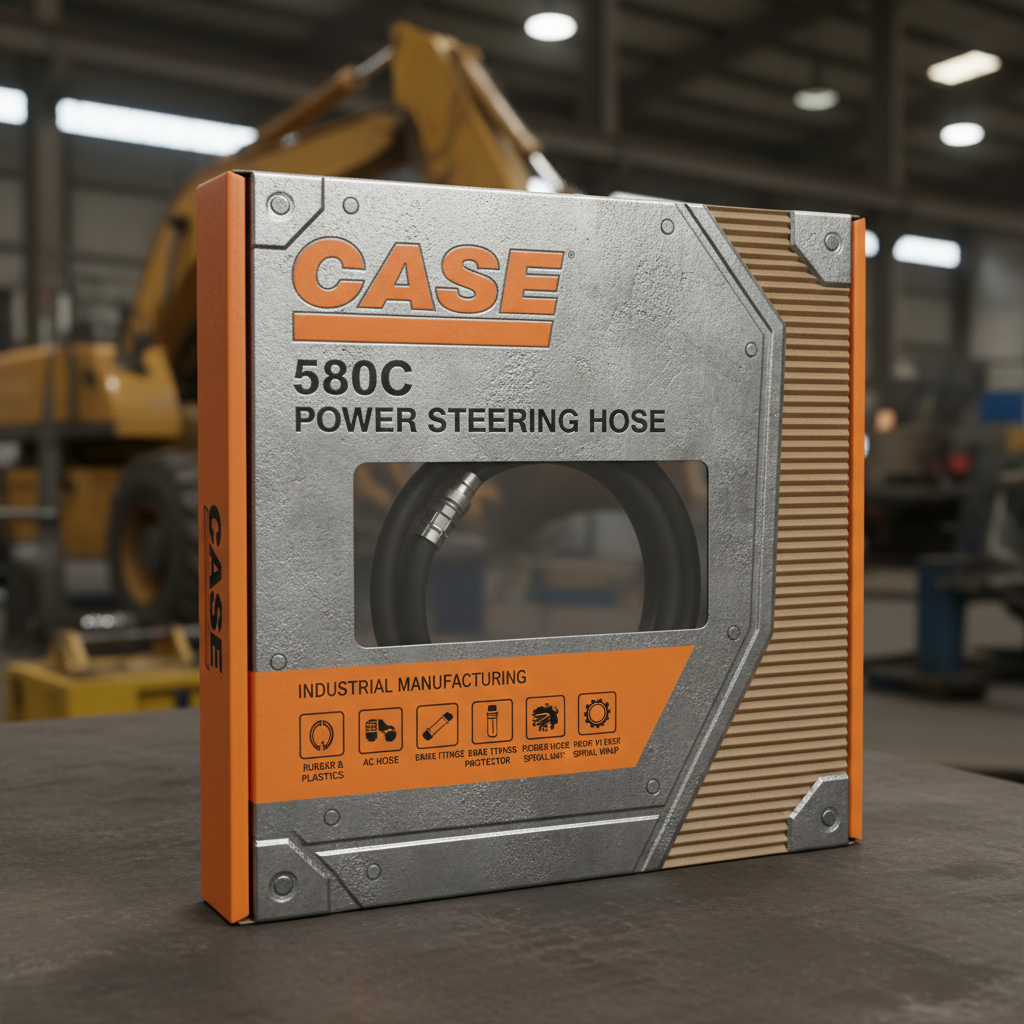 Maintaining the power steering in your Case 580C is crucial for efficient operation. A failing Case 580C power steering hose can lead to difficult maneuvering, reduced productivity, and potentially costly repairs. This article provides a detailed overview of the hose, its common issues, preventative maintenance, and where to source high-quality replacements. Ensuring your power steering system operates optimally safeguards your investment and maximizes your machine’s performance. The Case 580C power steering hose is a vital component responsible for delivering hydraulic fluid from the pump to the steering cylinder. It’s typically a high-pressure hose constructed with reinforced rubber or synthetic materials to withstand the demanding conditions of heavy machinery operation. There are typically two hoses within the power steering system – a high-pressure hose and a low-pressure (return) hose. Accurate identification is essential when ordering a replacement to ensure compatibility and proper function. Several factors can contribute to the failure of a Case 580C power steering hose. These include age and wear, exposure to extreme temperatures, abrasion from surrounding components, and contamination of the hydraulic fluid.Soma byinshi
 -
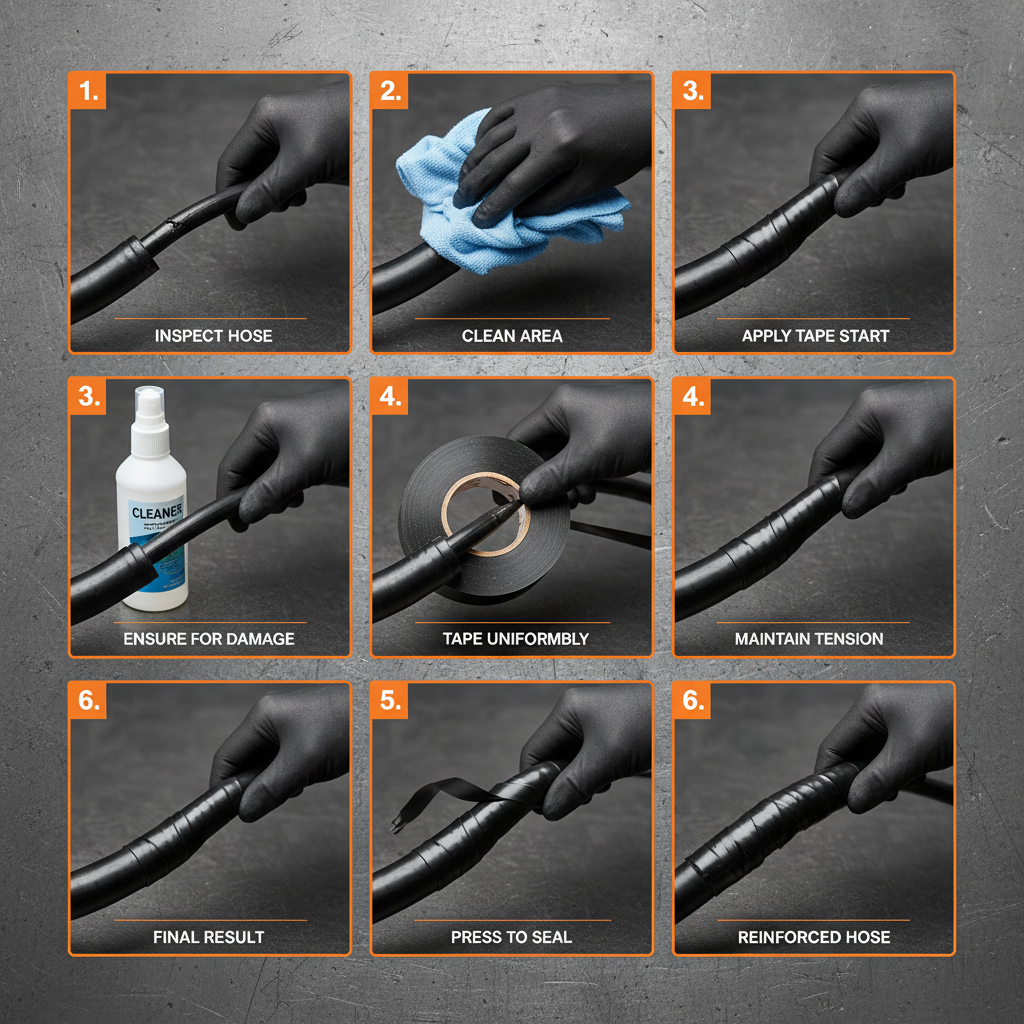 Dealing with a leaking power steering hose can be frustrating. A quick fix often considered is taping the hose, but is this a viable solution? This article dives deep into whether you can tape a power steering hose, the risks involved, better alternatives, and where to find reliable replacements. We’ll explore the pros and cons of temporary fixes versus long-term solutions. For high-quality power steering hoses and components, visit Hose QRT today! While it might seem like a quick and easy fix, taping a power steering hose is generally not recommended. Power steering systems operate under significant pressure – often exceeding 1500 PSI. Standard tapes, even duct tape, simply aren't designed to withstand this kind of stress. They can quickly fail, leading to a sudden and potentially dangerous loss of power steering, increased risk of accidents, and further damage to your vehicle. The fluid itself can also degrade the adhesive on many tapes, causing it to peel away even faster. Think of it as a temporary band-aid on a serious wound - it won't solve the underlying problem and could make things worse.Soma byinshi
 -
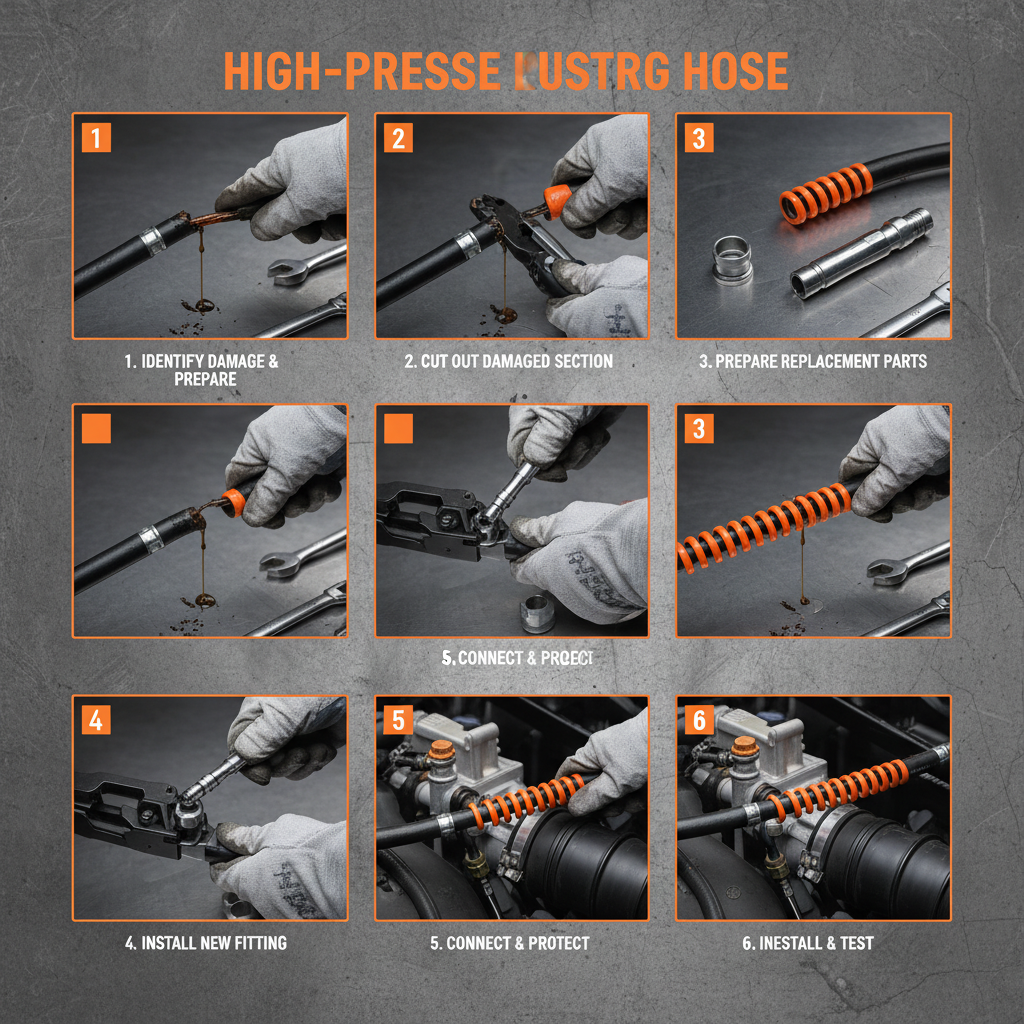 Dealing with a failing power steering system can be frustrating. One common culprit is a compromised high-pressure power steering hose. But when faced with this issue, a crucial question arises: can you repair a high pressure power steering hose? While some minor issues might be temporarily addressed, a full repair is often not recommended due to safety concerns and the specialized nature of these components. This article will delve into the complexities of high-pressure hose repair, explore alternative solutions, and highlight why replacement with a quality hose from Hose QRT is often the most sensible approach. High-pressure power steering hoses are engineered to withstand immense force. They're not like standard garden hoses! Attempting to repair a leak or damage, such as a crack or bulge, with patching or clamping is inherently risky. The extreme pressure within the system can cause a repair to fail catastrophically, leading to a sudden loss of power steering, potential injury, and further damage to your vehicle. Even a seemingly minor leak under high pressure can quickly escalate.Soma byinshi
 Rwandese
  English
  Afrikaans
  Albanian
  Amharic
  Arabic
  Armenian
  Azerbaijani
  Basque
  Belarusian
  Bengali
  Bosnian
  Bulgarian
  Catalan
  Cebuano
  Corsican
  Croatian
  Czech
Czech  Danish
  Dutch
Dutch  Esperanto
  Estonian
  Finnish
  French
  Frisian
  Galician
  Georgian
  German
  Greek
Greek  Gujarati
  Haitian Creole
  Hausa
Hausa  Hawaiian
  Hebrew
  Hindi
Hindi  Miao
Miao  Hungarian
  Icelandic
  Igbo
Igbo  Indonesian
  Irish
Irish  Italian
  Japanese
  Javanese
  Kannada
  Kazakh
  Khmer
Khmer  Korean
  Kurdish
  Kyrgyz
  Lao
Lao  Latin
Latin  Latvian
  Lithuanian
  Luxembourgish
  Macedonian
  Malgashi
  Malay
Malay  Malayalam
  Maltese
  Maori
Maori  Marathi
  Mongolian
  Myanmar
  Nepali
  Norwegian
  Norwegian
  Occitan
  Pashto
  Persian
  Polish
  Portuguese
  Punjabi
  Romanian
  Russian
  Samoan
  Scottish Gaelic
  Serbian
  Sesotho
  Shona
Shona  Sindhi
  Sinhala
  Slovak
  Slovenian
  Somali
  Spanish
  Sundanese
  Swahili
  Swedish
  Tagalog
  Tajik
Tajik  Tamil
Tamil  Tatar
Tatar  Telugu
  Thai
Thai  Turkish
  Turkmen
  Ukrainian
  Urdu
Urdu  Uighur
  Uzbek
Uzbek  Vietnamese
  Welsh
Welsh  Bantu
Bantu  Yiddish
  Yoruba
  Zulu
Zulu