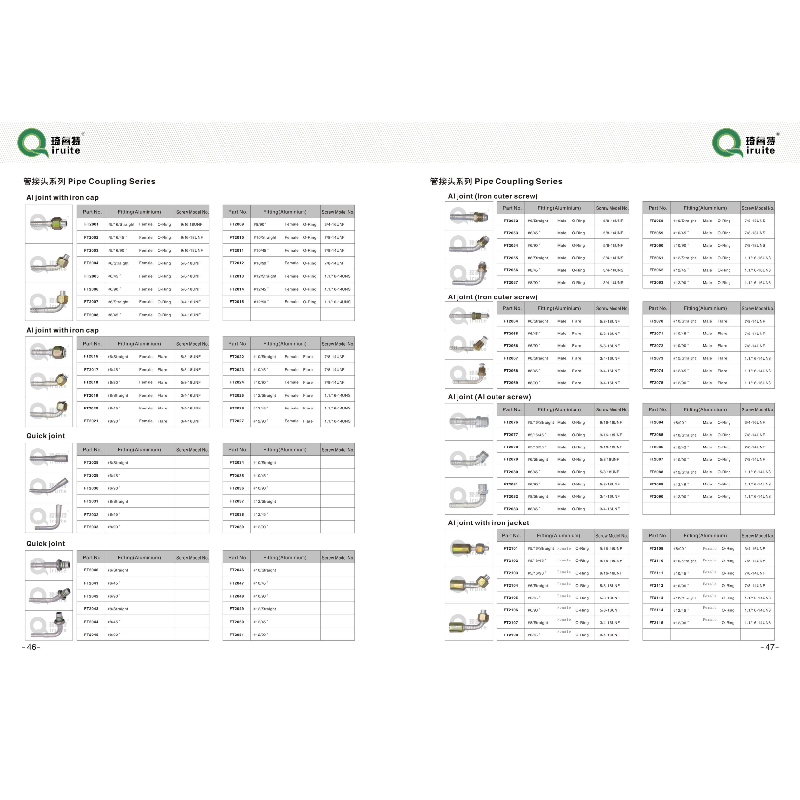

Professional Automotive Fluid Transport Systems
Engineered for extreme pressure and permeation resistance to ensure maximum safety and operational longevity in demanding environments.
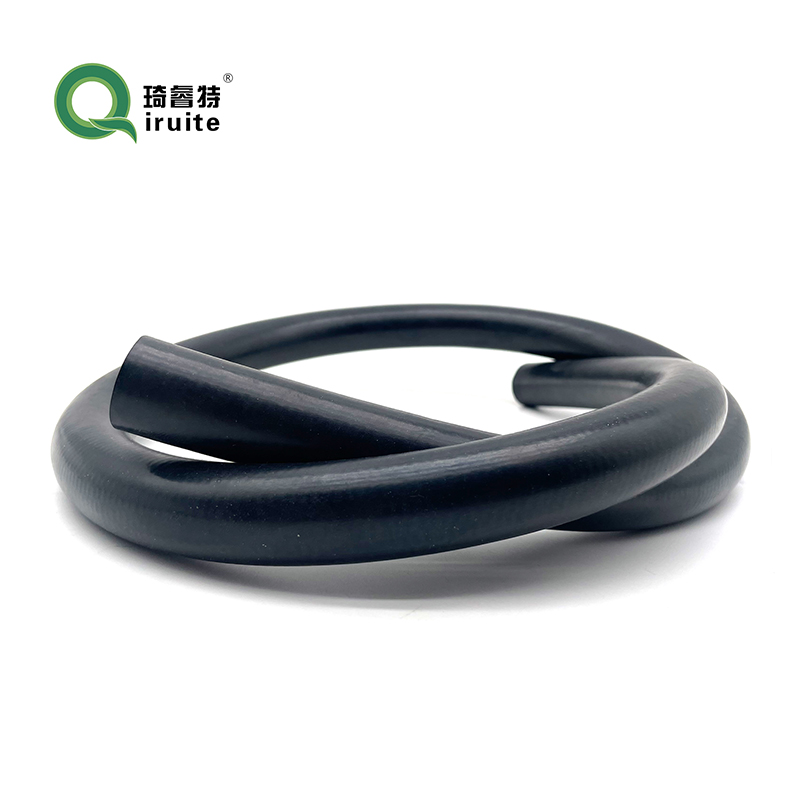
Sewer cleaning hose (sewer cleaning & jetting hose)
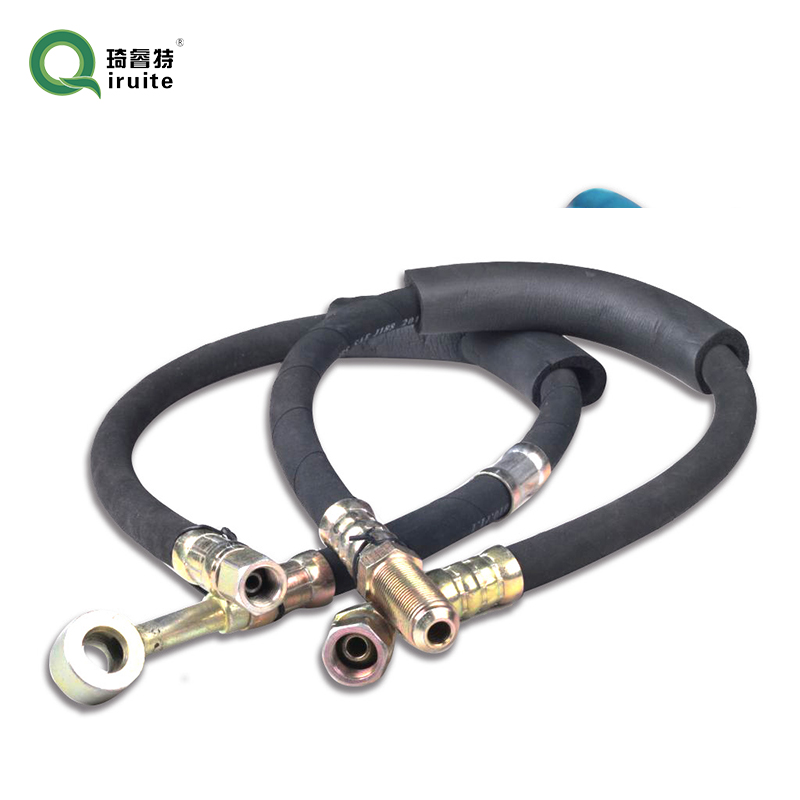
High-quality power steering tube
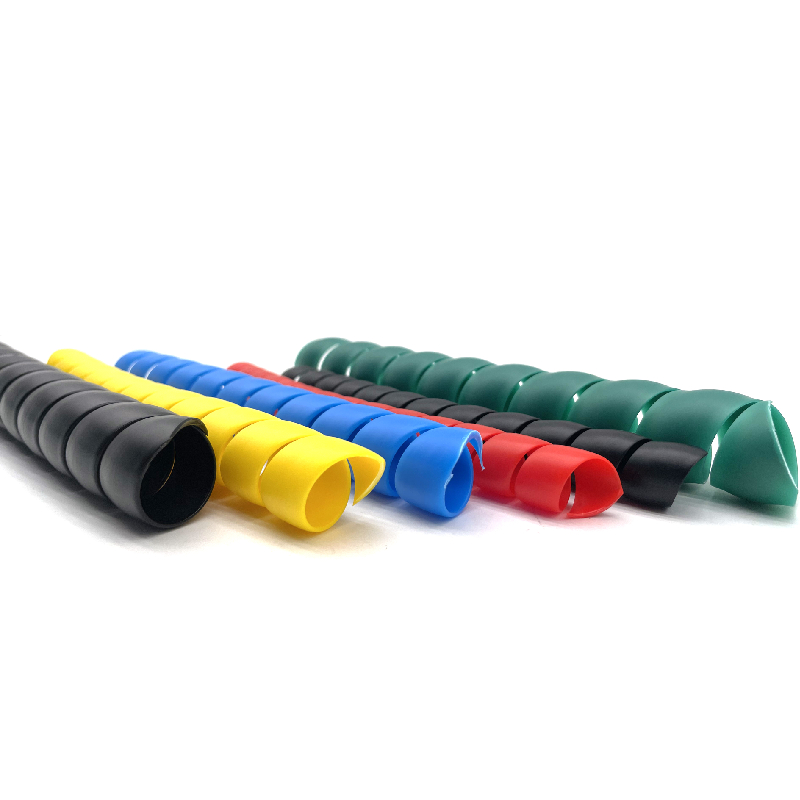
Spiral Protection
Industrial Rubber Demand in Rwanda
Addressing critical needs for durability in fluid conveyance
Rwanda's growing transport and agricultural sectors have increased the demand for high-quality rubber components. From automotive maintenance in Kigali to irrigation systems in rural provinces, the need for reliable pipe couplings and clamps is paramount. The local environment requires materials that can withstand fluctuating temperatures and humidity without compromising structural integrity.
A significant challenge for Rwandan operators is the premature failure of standard hoses due to poor bonding between rubber and linings. This is particularly critical for specialized systems where a hose a power steering must maintain constant pressure. The market is shifting toward products that offer superior permeation resistance and are produced under strict quality standards like QC/T 664-2000.
Looking forward, the integration of eco-friendly materials and customized manufacturing is creating new opportunities. Rwandan businesses are increasingly seeking tailor-made hose products that fit specific machinery dimensions, reducing downtime and improving overall operational efficiency through precision-engineered rubber solutions.
Evolution of Rubber Hose Technology
From basic extrusion to high-tech composite materials
Industry Milestone Path
Early Stage
Basic Rubber Extrusion
Focus on simple rubber compounds for general fluid transport with limited pressure resistance.
Growth Phase
Reinforced Composite Layers
Introduction of textile yarn and nylon linings to enhance pressure capacity and durability.
Modern Era
Advanced Bonding Technology
Solving the bonding issues between EPDM rubber and nylon, achieving industry-leading standards.
Strategic Industry Trends
- Material Optimization Focus on eco-friendly rubber materials that maintain high permeation resistance.
- Customized Precision Moving toward tailor-made hose specifications for specific automotive models.
- Global Standardization Strict adherence to international quality tests to ensure cross-border compatibility.
Advanced Manufacturing Directions
Driving efficiency and reliability in rubber production
Technical R&D
Utilizing specialized labs to solve complex bonding issues between EPDM rubber and polyester textile yarns.
Eco-Friendly Materials
Developing rubber compounds that are environmentally sustainable without sacrificing pressure resistance.
QC/T Standard Compliance
Implementing rigorous 18-point technical tests to ensure products exceed domestic and international standards.
Tailor-Made Production
Shifting toward flexible manufacturing to produce customized hose lengths and fittings per customer requirement.
The future of the rubber hose industry lies in the balance between mass production and specific customization. By integrating advanced vulcanization technology, manufacturers can now produce components that are both durable and highly adaptable to unique mechanical configurations.
For the Rwandan market, this means access to components that are not only high-quality but also specifically designed for the local vehicle fleet, reducing the reliance on generic parts and decreasing overall maintenance costs.
Practical Application in Rwanda
Reliable rubber solutions across diverse operational sectors
1
Automotive Fleet Maintenance
Professional workshops in Kigali utilizing high-pressure hoses and a power steering hose diagram to ensure precise replacement of steering components, reducing vehicle downtime.
2
Agricultural Irrigation
Farmers deploying durable rubber piping with heavy-duty clamps to manage water transport, utilizing a hose guard for garden and industrial systems to prevent abrasion from soil.
3
Logistics and Freight
Trucking companies operating between Kigali and border towns requiring high-durability brake lines to ensure safety during steep descents and heavy loading conditions.
4
Industrial Manufacturing
Local factories implementing specialized rubber gaskets and pipe couplings to maintain airtight seals in pneumatic systems, increasing production safety and energy efficiency.
5
Public Infrastructure
Municipal water and waste management services using reinforced rubber piping to ensure leak-proof transport in urban development projects across Rwanda.
Brand Story
Hebei Qiruite Rubber and Plastic Product Co., Ltd's global development journey
2012
Company Foundation
Hebei Qiruite Rubber and Plastic Product Co., Ltd was established in February, focusing on integrated R&D, production, and sales.
Development Phase
Specialization in A/C Hoses
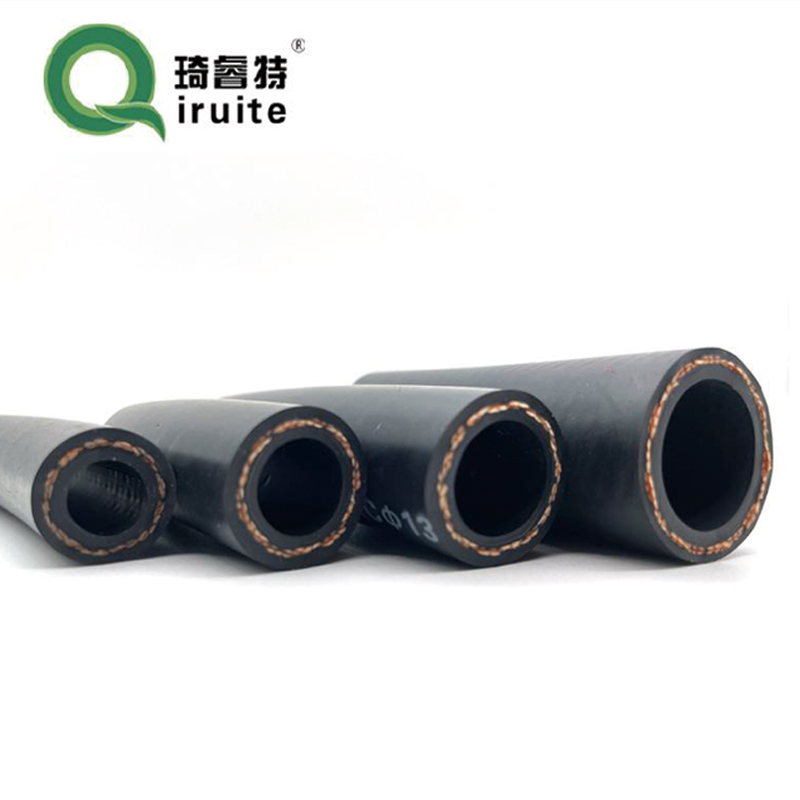
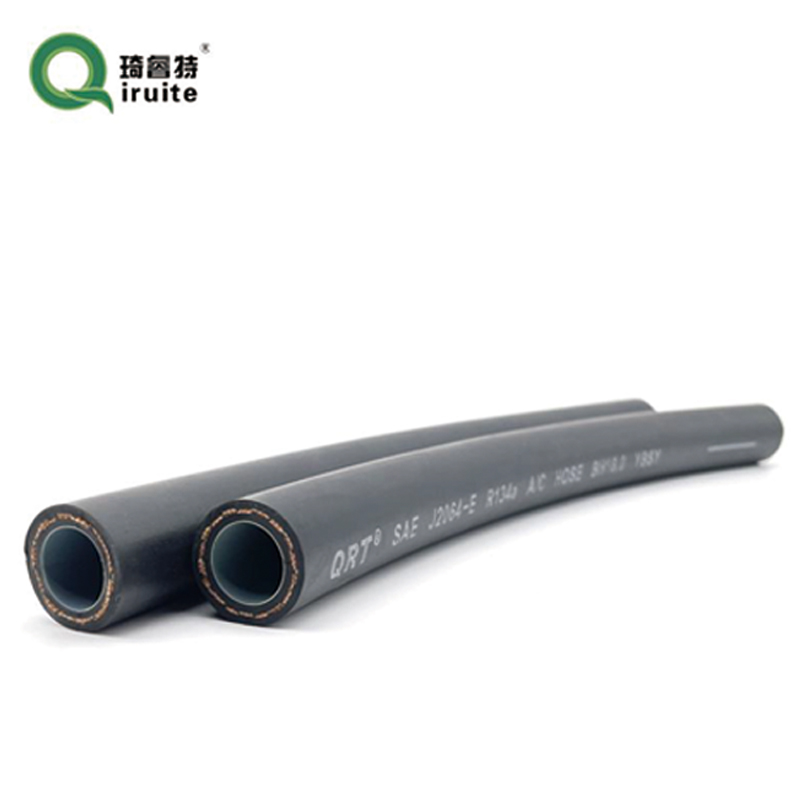
Focused on automotive air conditioning hoses constructed with reinforced textile yarn and thick inner nylon lining.
Technological Leap
Bonding Solution Breakthrough
Solved the global problem of EPDM rubber bonding with nylon lining and polyester textile yarns, entering the industry forefront.
Quality Certification
QC/T 664-2000 Compliance
Passed all 18 technical test requirements of QC/T 664-2000 through third-party institutions, exceeding several key parameters.
Market Expansion
Global Reach
Expanded sales to Asian, American, and Middle East markets, exporting to Brazil, Chile, Mexico, Russia, India, and Turkey.
Present Day
Customization Leadership
Operating a specialized lab and experienced staff to provide tailor-made, customized rubber products worldwide.
Precision Rubber Components for Rwandan Industry
Explore our comprehensive range of automotive and industrial rubber hoses, couplings, and clamps designed for maximum reliability.
Technical Specifications & Procurement FAQ
Expert answers for the Rwandan rubber and plastics market
What technical standards are used for your automotive air conditioning hoses?
Our hoses are produced following the Domestic standard QC/T 664-2000. We have passed all 18 technical test requirements through third-party institutions, with some parameters even exceeding the required standards for pressure and permeation resistance.
How do I ensure the correct fitment using a power steering hose diagram?
When referencing a power steering hose diagram, identify the specific vehicle model and year. We provide customized production based on these specifications to ensure that the hose dimensions and fitting angles match your original equipment perfectly.
What makes your EPDM rubber bonding superior for high-pressure systems?
Through extensive R&D, we solved the common industry problem where EPDM rubber fails to bond well with nylon lining and polyester textile yarns. Our proprietary bonding technology prevents delamination under high pressure.
Can you provide customized rubber hoses for specific industrial needs in Rwanda?
Yes, we have an independent R&D capability and a specialized lab. We can improve specific aspects of the hose—such as temperature resistance or flexibility—according to your requirements to produce tailor-made products.
How do I maintain the lifespan of a rubber brake line in humid climates?
Regularly inspect for abrasion and ensure the use of high-quality pipe couplings and clamps to prevent leaks. Our reinforced textile yarn construction is specifically designed to resist permeation and environmental degradation.
What is the commercial value of switching to QC/T 664-2000 certified hoses?
Certified hoses significantly reduce the risk of sudden failure and leakage. This leads to lower maintenance costs, improved vehicle safety, and longer operational intervals, providing a higher ROI for fleet operators.
Secure Your Industrial Supply Chain in Rwanda
Partner with Hebei Qiruite for precision-engineered rubber solutions that meet strict international standards. Enhance your operational reliability today.
Request a Custom Quote