
High-Performance Power Steering Hose Solutions for Automotive Markets in Asia - Japan

Engineered for precision and durability, our advanced rubber hose systems provide reliability for Japan's demanding automotive infrastructure and technical standards.

Precision Fluid Transfer Systems for Modern Vehicles

Addressing the need for high-pressure resistance and permeation stability, we provide customized hose a power steering and AC systems tailored for the Japanese automotive sector.

Rubber and Plastic Products Manufacturing Landscape in Asia - Japan

Analyzing the intersection of Japanese precision engineering and high-durability rubber component requirements.

The Japanese automotive market is characterized by an uncompromising demand for quality and longevity. Within the rubber and plastic products industry, there is a significant shift toward materials that can withstand extreme temperature fluctuations and high-pressure environments without degradation, ensuring vehicle safety and operational efficiency across diverse urban and rural terrains.

Geographically, the dense industrial clusters in regions like Aichi and Kanagawa require supply chains that prioritize just-in-time delivery and rigorous technical compliance. The local procurement logic emphasizes long-term reliability over initial cost, pushing manufacturers to adopt advanced bonding technologies to prevent leaks and system failures in critical automotive lines.

Many local operators face challenges with material compatibility, particularly the bonding of EPDM rubber with nylon linings. This technical barrier often leads to premature wear in brake line and steering systems, creating a demand for suppliers who can provide scientifically proven bonding solutions and customized specifications.
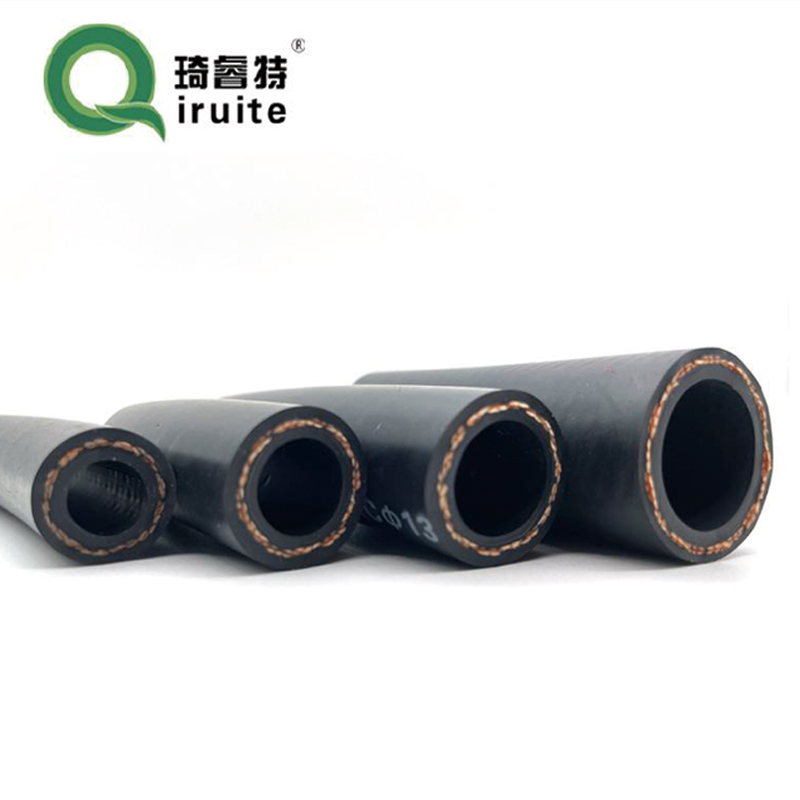
Evolution of Automotive Hose Engineering

From basic rubber tubing to high-tech composite conduits designed for the next generation of mobility.

Industrial Development Phases

Early Material Integration
Initial production focused on basic rubber extrusion. The primary goal was simple fluid containment, using standard rubber compounds that lacked advanced reinforcement, making them susceptible to pressure spikes.

Reinforcement and Standardization
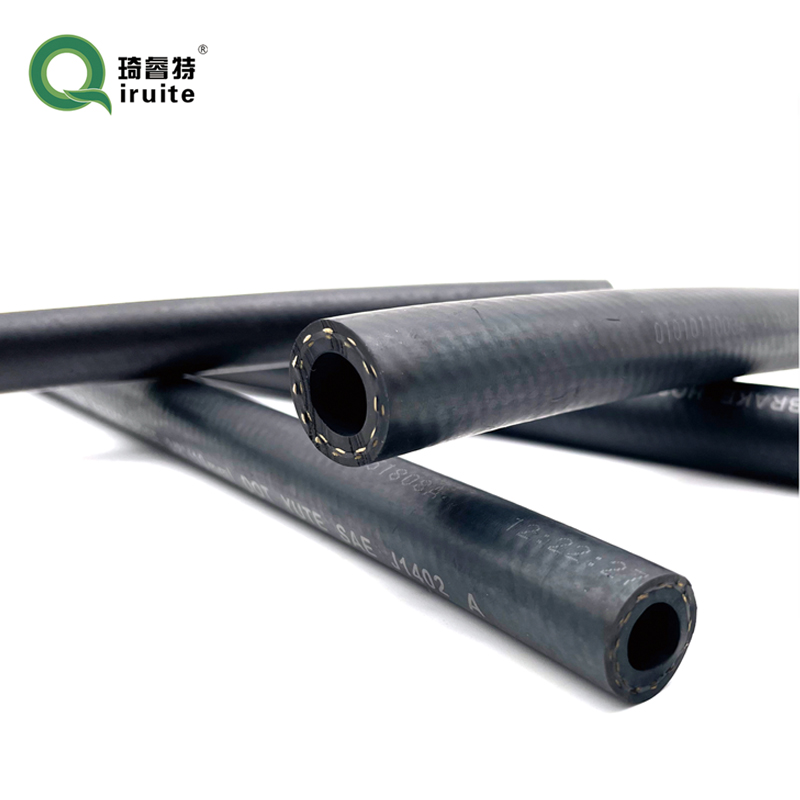
The industry moved toward braiding and vulcanization. This era saw the introduction of textile yarn reinforcement and inner linings to improve pressure resistance and meet emerging domestic quality standards.

Advanced Polymer Bonding
The current stage focuses on solving complex material interfaces. Innovation now centers on ensuring that EPDM rubber bonds seamlessly with nylon and polyester, providing the permeation resistance required for modern eco-friendly vehicles.

Future Technical Trends

1. Smart Monitoring Integration

Integration of sensors within hose walls to detect pressure drops or leaks in real-time, aligning with Japan's push toward intelligent vehicle diagnostics.

2. Bio-Based Eco-Polymers

Developing rubber compounds from sustainable sources to reduce the carbon footprint of the manufacturing process while maintaining industrial-grade strength.

3. Extreme Environment Adaptation

Creating materials capable of maintaining flexibility and seal integrity in wider temperature ranges to support the global export of Japanese vehicles.

How technological shifts and environmental mandates are redefining production standards in Asia - Japan.

Automated Production
Adopting high-precision automated extrusion and braiding to eliminate human error and ensure consistency in pipe couplings and clamps.
Intelligent Material Lab
Using AI-driven simulation to predict rubber aging and permeation rates under specific Japanese climatic conditions before physical prototyping.
Customized Procurement
Transitioning from bulk standard orders to tailor-made, small-batch specifications to meet the diverse needs of specialized vehicle fleets.
Eco-Friendly Vulcanization
Implementing low-emission vulcanization processes to comply with strict environmental regulations in the Asia-Pacific region.

Market Outlook for the Next 5 Years

The automotive rubber sector in Japan is expected to pivot towards hybrid and electric vehicle (EV) cooling and steering systems. While traditional internal combustion engines decline, the demand for specialized hoses that can handle new coolant chemistries and higher electrical insulation will rise.

This transition will favor manufacturers who possess independent R&D capabilities and specialized labs, as the ability to customize material properties for specific EV thermal management systems becomes a primary competitive advantage.

Strategic Application Scenarios in Japan

Real-world deployments of high-performance rubber hoses across diverse Japanese operational environments.

Urban Logistics Fleets

Delivery companies in Tokyo operating high-cycle vehicles require steering hoses with superior fatigue resistance to handle constant stop-and-go maneuvers in dense traffic, reducing downtime for maintenance.

Cold Climate Regional Transport

Transport operators in Hokkaido need hoses that maintain flexibility at sub-zero temperatures, preventing cracks and leaks in the braking and steering systems during harsh winters.

Industrial Machinery Integration

Manufacturers of specialized robotics and factory equipment use reinforced rubber piping for hydraulic systems, requiring exact diameter tolerances and high pressure-resistance to ensure precision movement.

Agricultural Equipment Upgrades

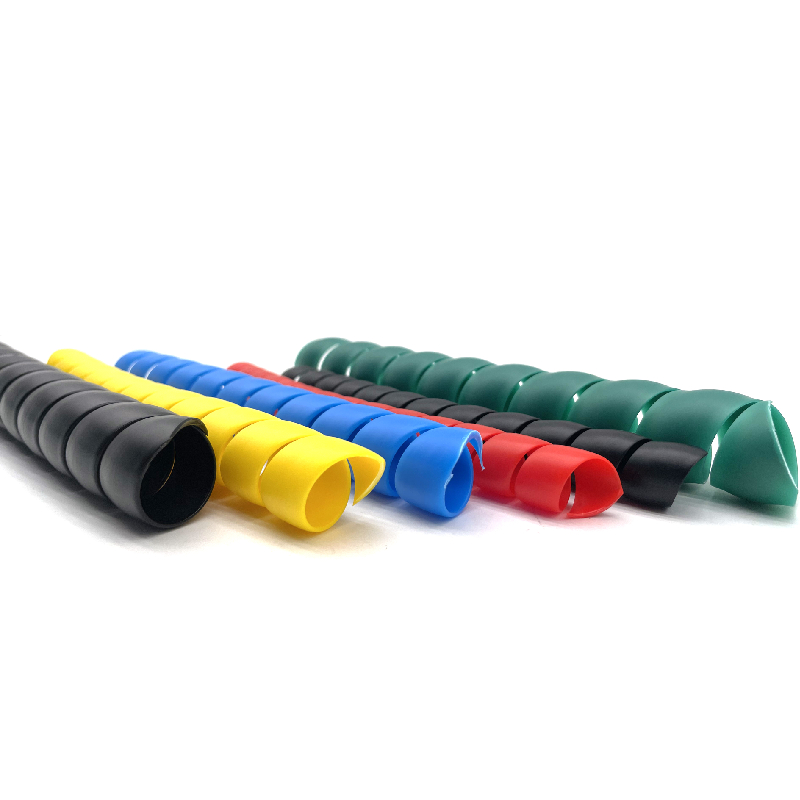
Farmers in rural prefectures require durable hose guard for garden and machinery applications that resist chemical corrosion from fertilizers and outdoor weathering.

Custom Automotive Restoration

Specialized workshops restoring vintage Japanese vehicles seek tailor-made hose lengths and fittings to match original designs while upgrading to modern, leak-proof materials.

Our Legacy of Technical Innovation

Tracing the growth of Hebei Qiruite Rubber and Plastic Product Co., Ltd from a specialized factory to a global high-tech enterprise.

February 2012

Company Establishment

Hebei Qiruite Rubber and Plastic Product Co., Ltd was founded as a high-tech enterprise integrating research, production, and sales.

Industry Growth Phase

Technical Breakthrough in Bonding

Successfully solved the industry-wide challenge of bonding EPDM rubber with nylon lining and polyester textile yarns, positioning the company at the industry forefront.

Current Status

Global Market Expansion

Achieved widespread recognition in Asian, American, and Middle-East markets, with exports reaching Brazil, Chile, Mexico, Australia, Russia, India, and Turkey.

Comprehensive Rubber Component Portfolio

From standardized automotive AC hoses to customized power steering hose diagram specifications for the Japan market.

Common Inquiries Regarding Rubber Hoses in Asia - Japan

Technical guidance and procurement information for automotive rubber components.

What materials are best for high-pressure power steering hoses in Japan?

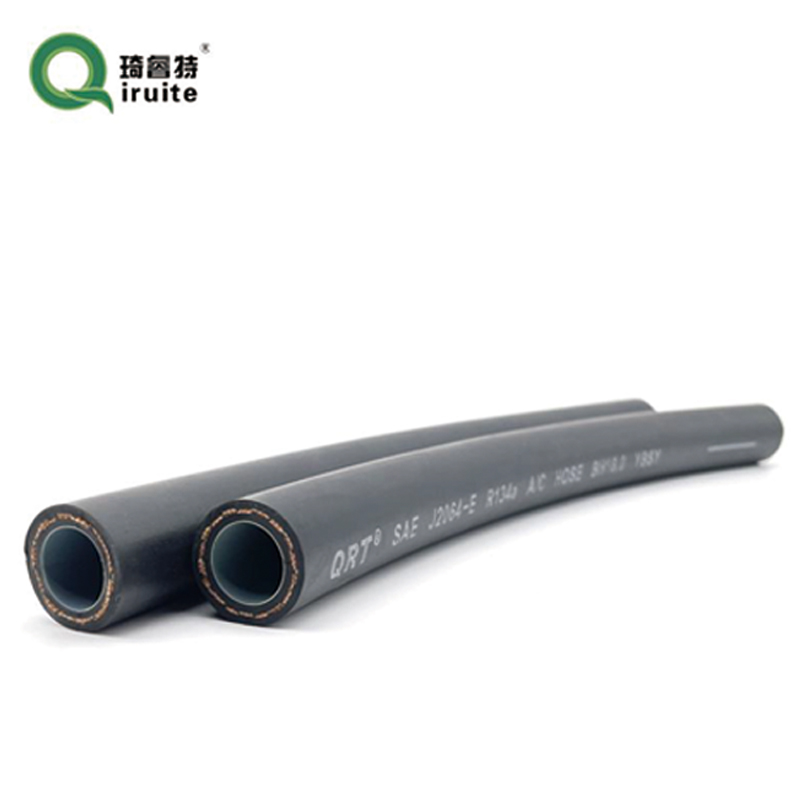
For high-pressure environments, a combination of EPDM rubber, reinforced textile yarn, and a thick inner nylon lining is ideal. This structure ensures pressure resistance and prevents permeation, meeting strict industrial standards like QC/T 664-2000.

How do you ensure the bonding quality between EPDM rubber and nylon linings?

We utilize a proprietary R&D process that specifically solves the bonding issue between EPDM and polyester/nylon materials. This is validated through strict testing in our specialized labs to ensure zero delamination under stress.

Why is permeation resistance critical for automotive AC hoses in the Asian market?

In humid and varied climates of Asia, refrigerant loss due to permeation can reduce system efficiency. High-grade nylon linings significantly reduce these losses, ensuring the AC system operates optimally over a longer lifecycle.

Can you produce customized rubber hoses based on specific Japanese technical drawings?

Yes, we provide tailor-made, customized hose products. Our experienced staff and R&D team can modify specific aspects of the hose to meet unique customer requirements and technical specifications.

What quality standards do your rubber products follow for international export?

Our products are produced following the QC/T 664-2000 standard. They have passed all 18 technical test requirements in third-party institutions, with some parameters exceeding the standard requirements.

How should I evaluate a supplier for automotive brake lines and couplings?

Evaluate the supplier's ability for independent R&D, the presence of a specialized lab, and their track record with third-party certification. Consistency in raw material quality and rubber stability is essential for safety-critical components.

Request Technical Specifications for Japan

Connect with our engineering team to develop customized rubber hose solutions for your automotive needs in Asia - Japan.

Consult Our Experts

If you are interested in our products, you can choose to leave your information here, and we will be in touch with you shortly.