
Precision Automotive Rubber Components
Our specialized range of hoses and couplings designed to meet rigorous QC/T 664-2000 standards for durability and safety.
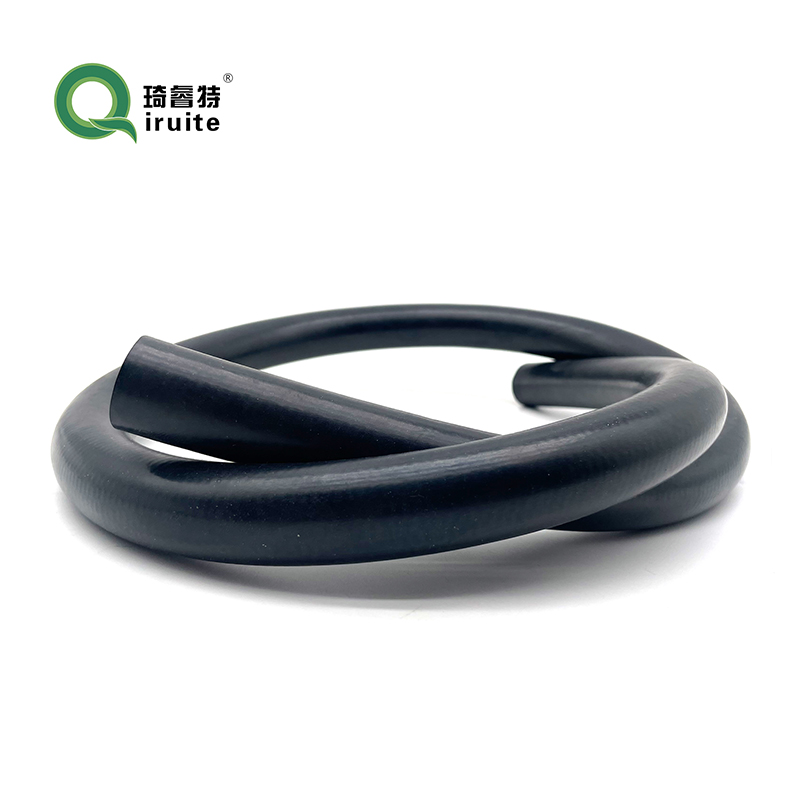
R134a hot sale auto air conditioning hose with good quality
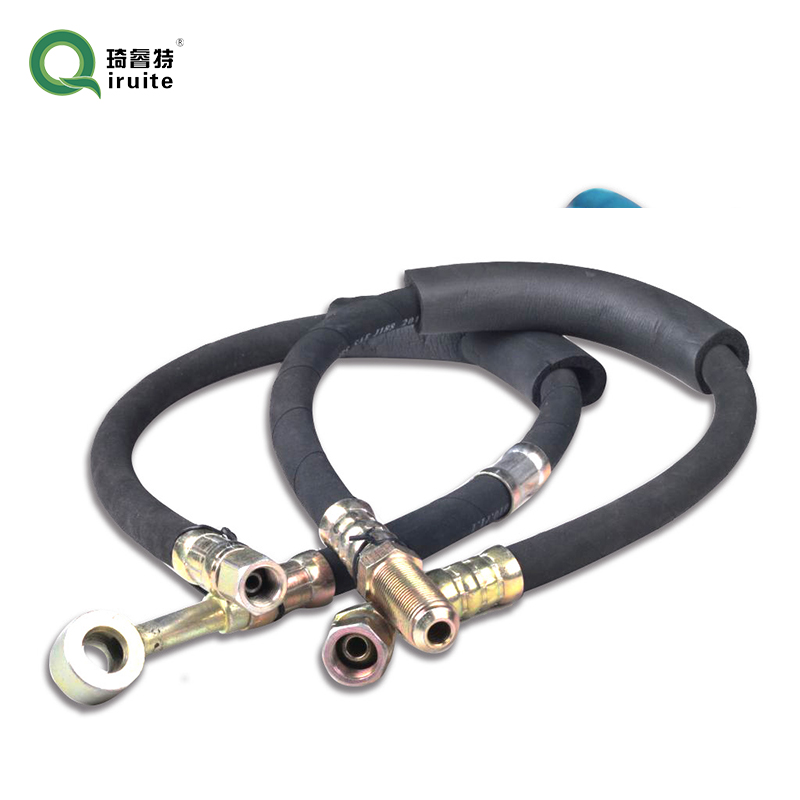
High-quality power steering tube
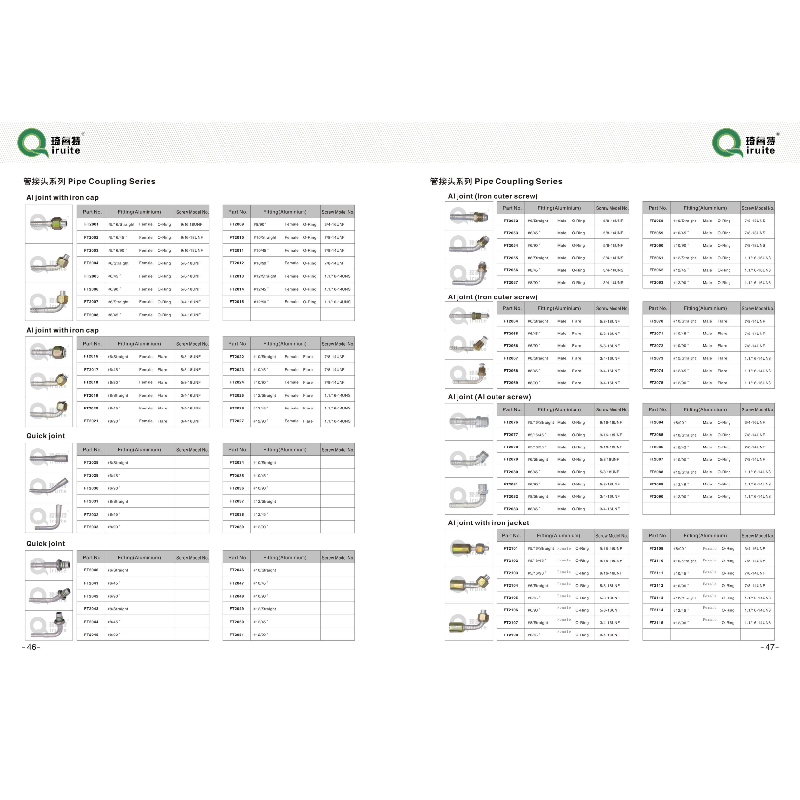
Pipe Coupling Type
Automotive Rubber Demand in Kuwait
Addressing the critical need for heat-resistant hydraulic and cooling components.
In Kuwait, the extreme desert climate presents a severe challenge for automotive rubber components. High ambient temperatures accelerate the degradation of standard rubber, leading to premature failure of critical systems. Local workshops and fleet managers increasingly prioritize hoses that can withstand intense thermal cycling without losing elasticity or developing leaks, especially for steering and braking systems.
The current market is shifting toward components that offer superior permeation resistance. For instance, the need for a precise power steering hose diagram becomes essential for technicians to ensure correct installation and avoid stress points that lead to rupture. There is a growing demand for integrated solutions that include high-grade pipe couplings and clamps to prevent leakage under high-pressure conditions.
To combat these environmental stressors, there is a significant opportunity for the adoption of EPDM-based rubber combined with reinforced textile yarns. By integrating nylon linings, automotive components can achieve the pressure resistance required for modern vehicles operating in the Middle East, reducing maintenance frequency and improving overall road safety for Kuwaiti motorists.
Evolution of Rubber Hose Technology
From basic rubber tubing to high-tech reinforced composite systems.
Industry Milestones
Early Stage
Basic Vulcanization
Early rubber hoses relied on simple vulcanization processes, offering limited resistance to heat and chemicals.
Expansion Era
Reinforced Yarn Integration
Introduction of textile yarn braiding to increase pressure resistance and prevent hose bursting in hydraulic systems.
Modern Era
Composite Lining Tech
Development of advanced nylon linings and EPDM bonding to achieve zero-permeation and extreme weather endurance.
Material Trends
- Eco-Friendly Materials Focus on sustainable rubber compounds that reduce environmental impact without sacrificing pressure resistance.
- Advanced Bonding Solving the bonding challenges between EPEDM rubber and polyester yarns for superior joint strength.
- Custom Tailoring Moving toward customized hose lengths and fittings to optimize engine bay space and reduce friction.
Manufacturing Advancements
The intersection of material science and precision engineering.
Thermal Stability
Developing rubber compounds that maintain structural integrity at temperatures exceeding 120°C, critical for Middle Eastern summers.
Leak Prevention
Enhanced vulcanization techniques to ensure seamless bonding between rubber and nylon, eliminating microscopic leak paths.
Standardization
Strict adherence to QC/T 664-2000 testing protocols to ensure global interoperability and safety across different vehicle brands.
Pressure Optimization
Improving the braid density of textile yarns to handle the high-pressure spikes typical in modern electronic power steering systems.
The future of automotive hosing lies in the ability to merge lightweight materials with extreme durability. As vehicles become more complex, the demand for tailored-made rubber components that can navigate tight engine layouts while resisting chemical permeation will drive the next wave of innovation.
Supply chain reliability remains a priority for the Kuwaiti market. By sourcing products that have passed third-party institutional testing, local distributors can reduce warranty claims and improve the lifecycle of fleet vehicles.
Regional Application Scenarios
Where precision rubber engineering makes the difference in Kuwait.
1
Luxury Fleet Maintenance
High-end vehicles in Kuwait City require specific hose a power steering components that prevent fluid degradation under extreme heat, ensuring a smooth driving experience.
2
Industrial Machinery Cooling
Oil and gas facility support vehicles utilize reinforced rubber hoses for cooling systems, where resistance to oil permeation is critical for operational safety.
3
Heavy-Duty Transport
Logistics trucks transporting goods across the desert rely on a durable brake line system that can withstand high vibration and thermal expansion.
4
Agricultural Irrigation Support
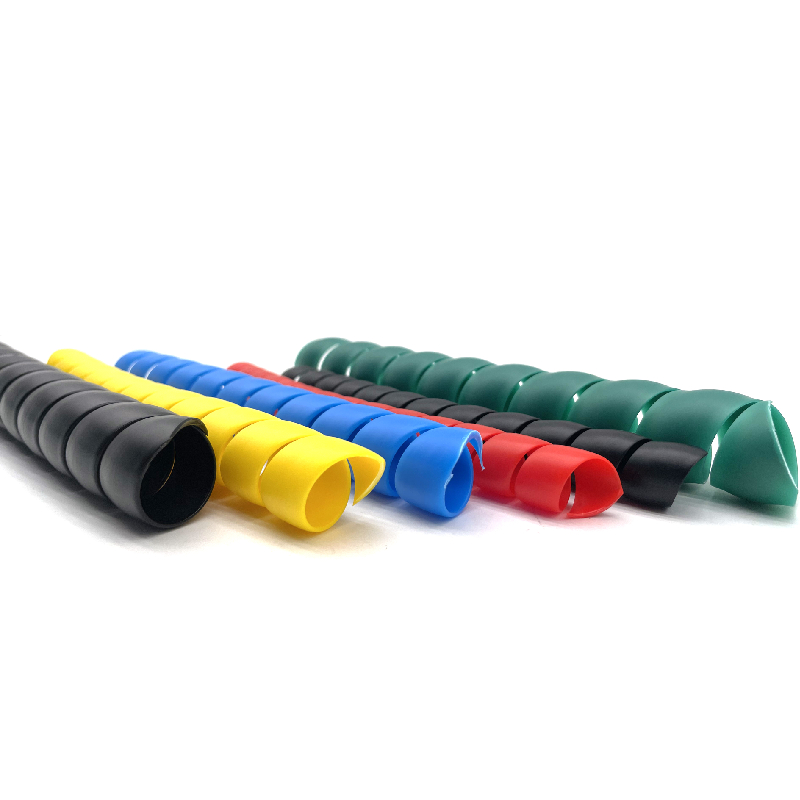
For local farming setups, a specialized hose guard for garden or industrial equivalent protects water lines from UV exposure and abrasive sand.
5
Custom Vehicle Modification
Kuwait's car tuning culture demands customized, tailor-made rubber hoses that fit modified engine layouts while maintaining OEM-level pressure resistance.
Brand Story
Hebei Qiruite Rubber and Plastic Product Co., Ltd's Global Development Journey
2012
Company Foundation
Established in February 2012, focusing on the integration of R&D, production, and sales of high-tech rubber products.
Development
Technical Breakthrough
Solved the global industry challenge of bonding EPEDM rubber with nylon linings and polyester textile yarns.
Certification
Quality Standardization
Achieved full compliance with QC/T 664-2000 standards, with several parameters exceeding official requirements.
Expansion
Global Market Entry
Expanded exports to Brazil, Chile, Mexico, Russia, India, and Turkey, establishing a strong reputation.
Specialization
Customization Capability
Established a specialized lab and R&D team to produce tailor-made, customized hose products for global clients.
Present
Industry Leadership
Operating as a forefront enterprise in the automotive A/C and hydraulic hose industry with a global footprint.
Industrial-Grade Rubber Hose Assemblies
Explore our comprehensive catalog of high-pressure tubes and fastening solutions for automotive and industrial use.
Technical Support & FAQ
Detailed answers regarding our rubber hose specifications and application.
What are the technical specifications for your automotive A/C and steering hoses?
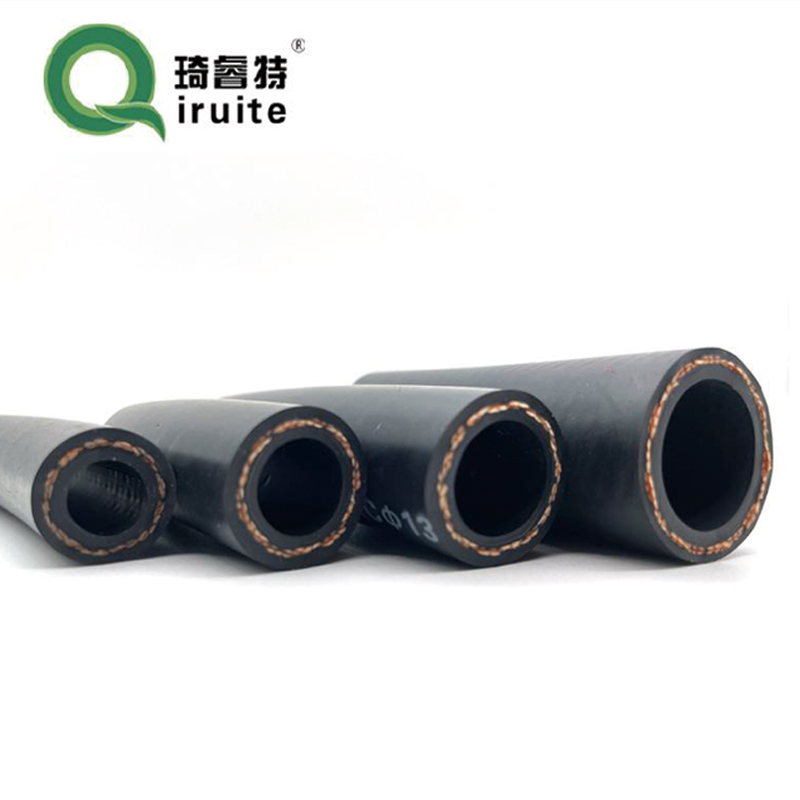
Our hoses are constructed with premium rubber, reinforced textile yarn, and a thick inner nylon lining. They are produced according to the QC/T 664-2000 standard, ensuring high pressure resistance and minimal permeation.
How should I use a power steering hose diagram for correct installation?
A diagram helps identify the precise routing of the hose to avoid contact with hot engine parts or sharp edges. Proper routing prevents premature wear and ensures the hose operates within its designed bend radius.
How does your EPDM bonding technology improve hose reliability?
We have solved the common issue where EPEDM rubber fails to bond well with nylon linings. Our proprietary technology creates a chemical-mechanical bond that prevents liner delamination under high pressure.
Can you provide customized hose lengths and fittings for specific vehicle models?
Yes, we have an independent R&D team and a specialized lab. We can improve specific aspects of the hose based on customer requirements and produce tailor-made solutions.
What is the expected lifespan of these hoses in high-temperature environments like Kuwait?
Due to our reinforced textile yarn and high-grade EPDM, our hoses offer significantly longer lifespans than standard rubber. Regular inspection of pipe couplings and clamps is recommended to maintain seal integrity.
How do your products improve the overall ROI for fleet operators?
By reducing the frequency of hose ruptures and leaks, operators save on emergency repair costs and minimize vehicle downtime, leading to higher operational efficiency and lower long-term maintenance costs.
Optimize Your Vehicle's Hydraulic Reliability in Kuwait
Leverage our advanced rubber engineering and QC/T 664-2000 certified production to ensure your fleet withstands the desert heat. Partner with Hebei Qiruite for customized, high-performance hose solutions.
Request Technical Consultation