
Regional Analysis
The Automotive Rubber Market in Kenya
Analyzing the intersection of environmental demands and vehicle maintenance needs in East Africa.
Kenya's automotive landscape is characterized by a high volume of imported used vehicles and a growing fleet of commercial transporters. In Nairobi and Mombasa, the humid coastal air combined with urban pollution accelerates the oxidation of rubber components. The market relies heavily on durable replacements for air conditioning and steering systems, as the tropical climate makes A/C systems indispensable for passenger comfort and electronic stability.
Current trends show a shift toward "preventative replacement." Fleet operators in Kenya are moving away from reactive repairs—waiting for a brake line or steering hose to burst—and are instead investing in high-specification rubber products that offer better thermal stability. There is an increasing demand for hoses that meet international certification standards to reduce the total cost of ownership over the vehicle's lifecycle.
The primary constraint in the local market is the prevalence of low-quality, non-reinforced hoses that fail under the pressure of modified automotive systems. This presents a significant opportunity for high-tech enterprises that can provide tailor-made, customized rubber solutions. The outlook is positive as Kenya's infrastructure improves, leading to more diverse vehicle applications and a stricter requirement for safety-critical rubber components.
Industry Progress
Evolution of Rubber Hose Technology
From simple rubber tubes to multi-layered, high-pressure automotive conduits.
Early Adoption
Single-Layer Rubber
Initial hoses relied on simple vulcanized rubber, which suffered from high permeation and low pressure resistance, often failing in high-heat environments.
Development Phase
Textile Reinforcement
Introduction of braided textile yarns increased bursting pressure, allowing for safer hydraulic and power steering applications across global markets.
Current Phase
Multi-Layer Composites
Modern hoses combine EPDM rubber with nylon linings and specialized bonding agents to eliminate leaks and withstand extreme automotive pressures.
Material Science Integration
The shift towards EPDM (Ethylene Propylene Diene Monomer) has revolutionized the industry by providing superior ozone and weather resistance compared to natural rubber.
Standardization of Quality
The adoption of standards like QC/T 664-2000 ensures that hoses produced globally meet the same safety and performance benchmarks, reducing risk for end-users.
Sustainability in Manufacturing
Modern vulcanization processes now focus on reducing volatile organic compounds (VOCs) while maintaining the physical properties of the rubber.
Future Outlook
Future Trends in Rubber & Plastic Manufacturing
Adapting to new vehicle architectures and environmental regulations.
EV Thermal Management
The rise of electric vehicles requires specialized hoses for battery cooling systems, demanding even higher permeation resistance and chemical stability.
Smart Hose Monitoring
Integration of sensors within hose walls to monitor pressure and temperature in real-time, enabling predictive maintenance before a failure occurs.
Bio-Based Elastomers
Research into sustainable, bio-derived rubber materials to reduce the carbon footprint of automotive manufacturing without sacrificing durability.
Precision Customization
Use of AI-driven design to create hose geometries that optimize fluid flow and reduce pressure drops in complex engine bays.
The transition toward more sustainable manufacturing is not just about materials, but about the entire lifecycle. In Kenya, where waste management is a critical issue, the demand for rubber products that are both durable (reducing replacement frequency) and potentially recyclable is growing. This requires a fundamental shift in how we approach the vulcanization process to balance elasticity with environmental impact.
Furthermore, the digitalization of the automotive supply chain allows manufacturers to respond more quickly to regional needs. By analyzing failure data from East African terrains, companies can adjust the thickness of the nylon lining or the density of the textile yarn to create a product specifically optimized for the Kenyan environment, moving beyond "one-size-fits-all" global products.
Practical Applications
Real-World Deployments in Kenya
How our automotive rubber solutions perform in diverse Kenyan operational contexts.
01
Nairobi Urban Transit Fleet Maintenance
In the stop-and-go traffic of Nairobi, engines run hotter, putting immense stress on A/C hoses. By replacing standard lines with our reinforced EPDM hoses, fleet operators reduce refrigerant leaks caused by thermal expansion and contraction, ensuring consistent cooling for passengers in high-temperature urban corridors.
02
Mombasa Coastal Logistics Transport
The high salinity and humidity of Mombasa accelerate the corrosion of metal fittings and the degradation of rubber. Using our hoses with high-grade nylon lining and specialized pipe couplings and clamps prevents salt-air infiltration and protects the internal fluid integrity in logistics trucks moving goods from the port.
03
Rift Valley Agricultural Machinery
Tractors operating in the Rift Valley face extreme vibrations and abrasive dust. The implementation of our heavy-duty reinforced textile hoses, paired with an external protective guard, prevents mechanical abrasion and ensures that hydraulic steering systems remain operational in rugged terrain.
04
Long-Distance SGR Support Vehicles
Vehicles supporting the Standard Gauge Railway (SGR) require maximum uptime. By utilizing a power steering hose diagram for precise custom fitting, these vehicles avoid the common issue of hose rubbing against the chassis, eliminating the primary cause of steering fluid leaks.
05
Private Luxury Vehicle A/C Upgrades
For high-end vehicle owners in Kenya, maintaining original factory performance is key. Our hoses, which exceed QC/T 664-2000 standards, provide a seamless replacement that matches or exceeds OEM specifications, ensuring the air conditioning system operates at peak efficiency without leaking refrigerant.
Case Insights
Representative Operational Perspectives
Illustrating the impact of high-specification rubber components in commercial use.
Transitioning to reinforced EPDM hoses with nylon lining has significantly reduced the frequency of unplanned A/C system failures. In the Kenyan heat, the difference in permeation resistance is evident, leading to fewer refrigerant refills and higher vehicle uptime for urban transport fleets.
The precision of the customized hose fittings based on technical diagrams solved a long-standing issue of hose wear against engine components. Using certified rubber products ensures that steering and braking lines can withstand the pressures required for heavy-duty logistics in coastal regions.
Compliance with QC/T 664-2000 is a critical benchmark for us. Knowing that the hoses have passed 18 different technical tests provides the confidence needed when managing a diverse fleet of vehicles operating in the challenging terrains of the Rift Valley.
Our Legacy
Hebei Qiruite: Excellence in Rubber Engineering
A decade of innovation in automotive fluid transmission technology.
2012
Company Establishment
Hebei Qiruite Rubber and Plastic Product Co., Ltd was established in February 2012 as a high-tech enterprise gathering research, production, and sales. The company focused on the critical need for high-quality automotive air conditioning hoses.
Over a Decade
Technological Breakthrough
Through continuous R&D, the company solved the global industry challenge of bonding EPDM rubber with nylon lining and polyester textile yarns. This innovation propelled the company to the forefront of the rubber hose industry.
Recent Expansion
Global Market Reach
Expanding beyond Asian markets, the company now exports high-performance hoses to the American market, Mid-East, Brazil, Chile, Mexico, Panama, Australia, Russia, India, and Turkey, earning a global reputation for quality.
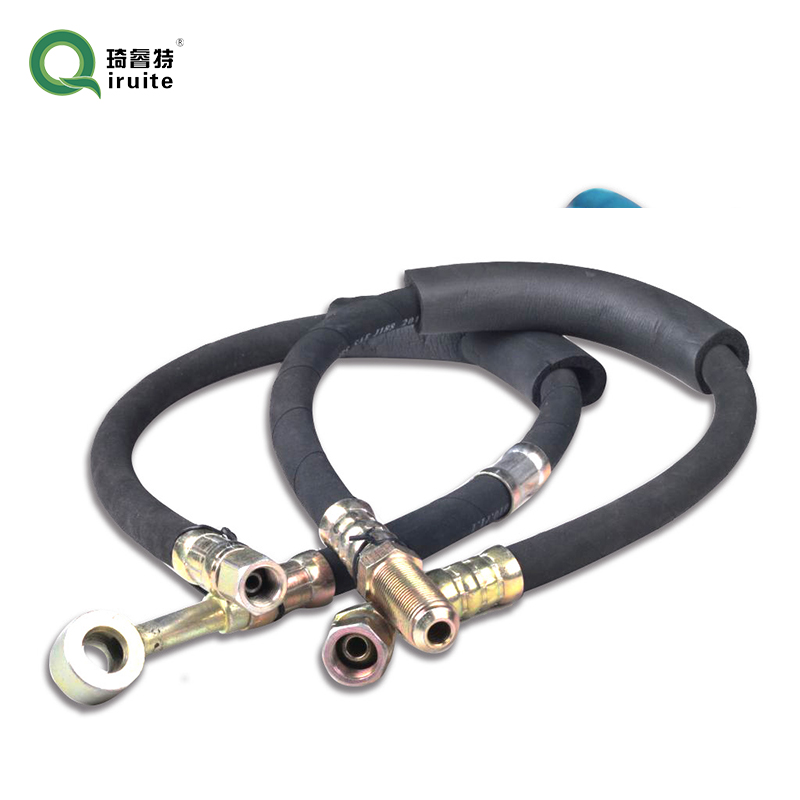
High-quality power steering tube
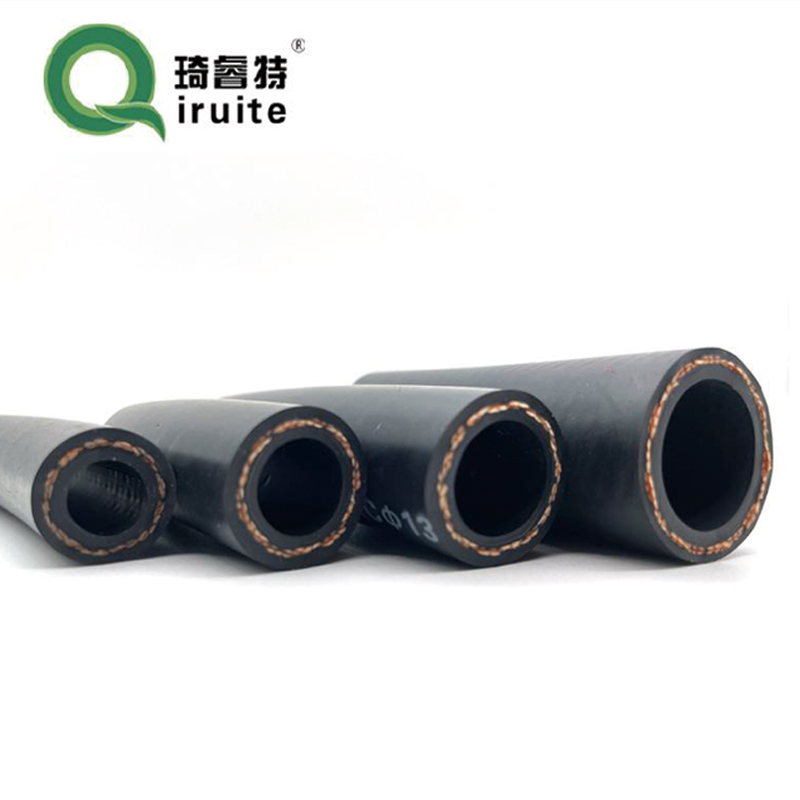
R134a hot sale auto air conditioning hose with good quality
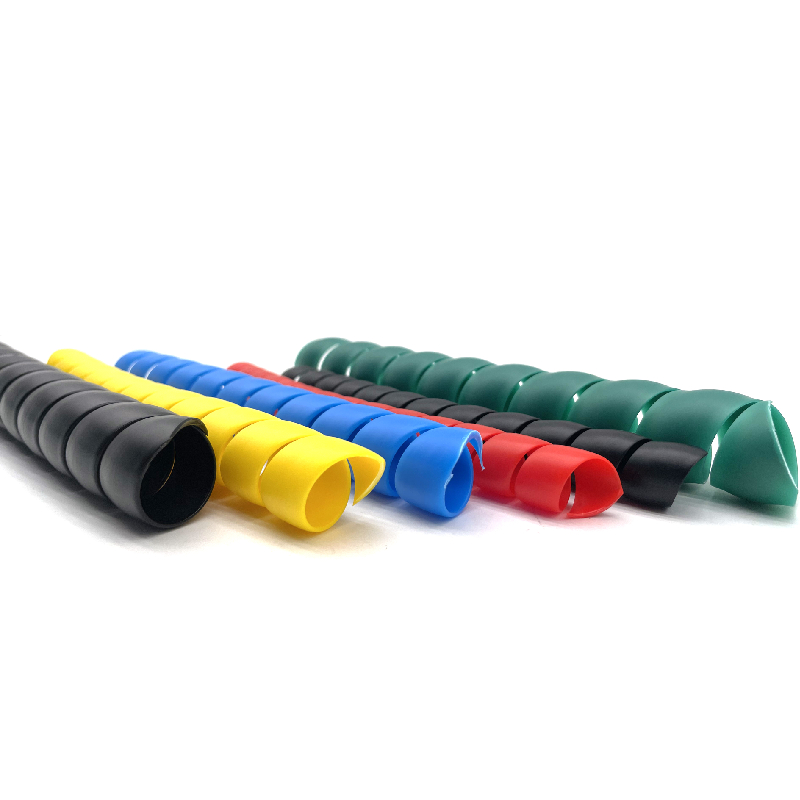
Spiral Protection
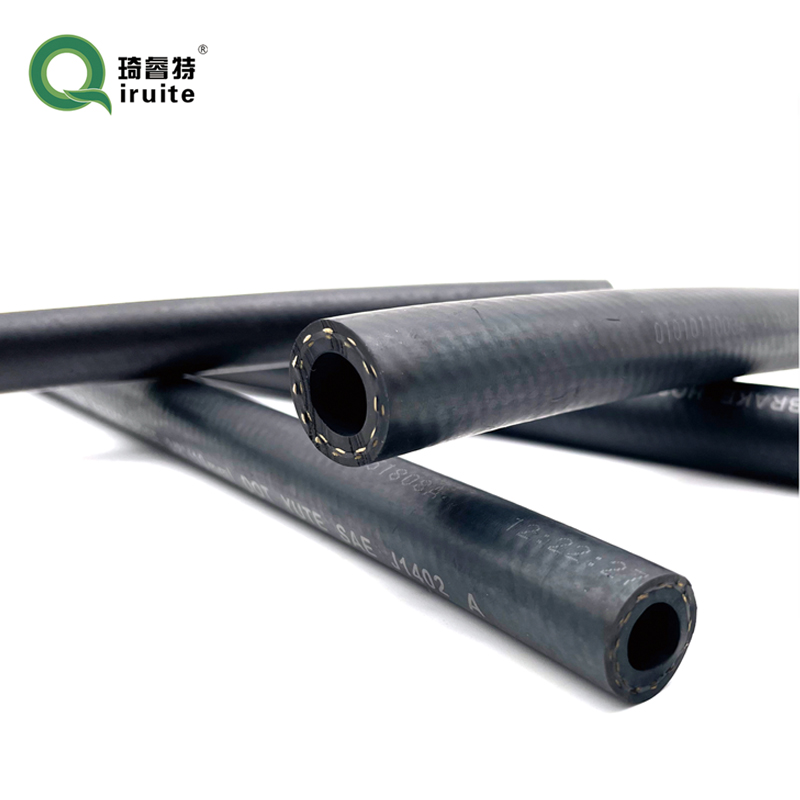
SAE J1401 Brake Hose
Knowledge Base
Frequently Asked Questions
Expert answers to common queries regarding automotive rubber hose selection and installation.
What makes EPDM rubber superior for automotive air conditioning hoses?
EPDM (Ethylene Propylene Diene Monomer) is chosen for its exceptional resistance to heat, ozone, and weather. Unlike standard rubber, it does not become brittle when exposed to the high temperatures typical of engine bays or equatorial climates like Kenya's. When combined with a nylon lining, it provides a highly stable barrier that prevents refrigerant permeation, ensuring the A/C system remains efficient over longer periods.
How does the QC/T 664-2000 standard impact hose reliability?
The QC/T 664-2000 standard consists of 18 rigorous technical tests, covering parameters such as bursting pressure, permeation rates, and thermal aging. By ensuring our products pass all these tests—and often exceed them—we guarantee that the hose can handle the extreme pressures of automotive systems without failure. This provides critical safety and reliability for both passengers and commercial operators.
Can these hoses be customized for specific vehicle models in Kenya?
Yes, we provide tailor-made solutions. By utilizing the customer's specific requirements or a power steering hose diagram, our specialized lab and experienced staff can produce customized lengths and diameters. This ensures a perfect fit, reducing the risk of hose rubbing against other engine components, which is a common cause of premature wear in modified or older vehicle fleets.
What is the role of textile yarn in reinforced rubber hoses?
Textile yarn acts as the structural "skeleton" of the hose. During the braiding process, these yarns are woven around the inner lining before the outer rubber layer is applied. This creates a reinforced composite that can withstand high internal pressure without expanding or bursting. It is essential for critical lines like the brake line or steering hoses where pressure stability is non-negotiable for vehicle safety.
How should I choose between different pipe couplings and clamps?
The choice depends on the fluid being transported and the operating pressure. For high-pressure A/C or steering systems, high-torque clamps and precision-machined couplings are required to ensure a leak-proof seal. We recommend matching the coupling material to the environmental conditions—for instance, using corrosion-resistant materials for vehicles operating in coastal areas like Mombasa to prevent rust-induced leaks.
What are the signs that my automotive hoses need immediate replacement?
Key warning signs include visible cracking or "dry rot" on the rubber surface, bulging of the hose walls under pressure, or a noticeable drop in A/C cooling efficiency (indicating refrigerant permeation). In steering systems, a "heavy" feeling or whining noise often indicates a leak in the hose. Immediate replacement with certified reinforced hoses is advised to prevent catastrophic failure and ensure operational safety.
Get Expert Advice
Ready to Upgrade Your Automotive Fluid Systems in Kenya?
Whether you are managing a commercial fleet in Nairobi or maintaining heavy machinery in the Rift Valley, our technical team can help you select the perfect reinforced rubber solutions. From customized dimensions to high-pressure specifications, we ensure your vehicles remain on the road longer with reduced maintenance costs. Contact us today to discuss your specific requirements and receive a technical consultation.
Discuss Your Requirements