

Blog
-
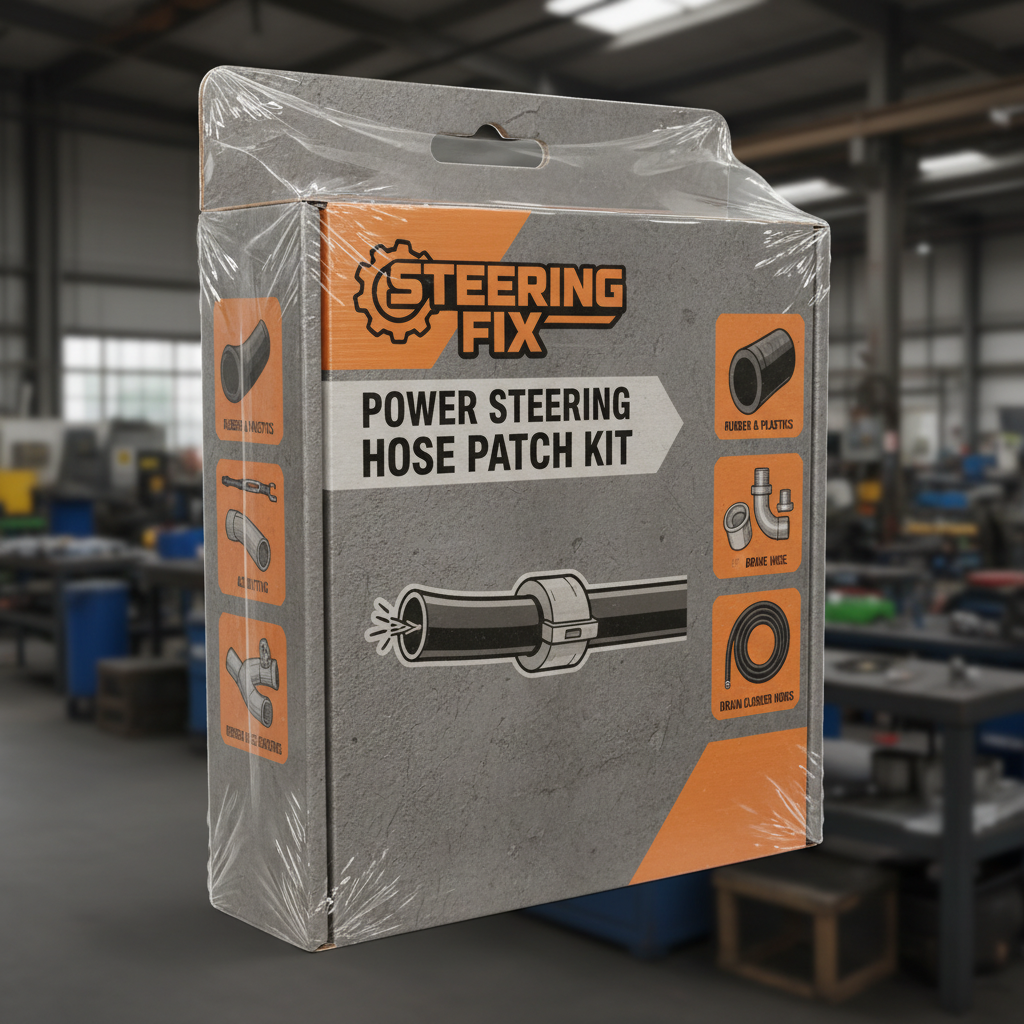 Dealing with a leaking power steering hose can be a stressful situation. Many drivers wonder, can you patch a power steering hose? While it might seem like a quick fix, the answer is nuanced. This article will delve into the risks and alternatives, discussing whether patching is feasible, exploring better solutions like hose replacement, and outlining the importance of professional assistance. We will cover the dangers of attempting a repair, and the benefits of choosing quality replacement power steering hoses from a reliable supplier. The power steering system operates under extremely high pressure, often exceeding 1500 PSI. Attempting to patch a hose designed for such pressures is incredibly risky. Patches, even those designed for hydraulic lines, often fail under this stress, leading to sudden and potentially dangerous loss of steering control. Furthermore, power steering fluid is corrosive and can degrade patch materials over time, increasing the likelihood of failure.Basaha ang dugang pa
 -
 When your vehicle’s power steering starts acting up, a leaking power steering hose is a common culprit. But does it always mean a costly replacement? Often, yes, but the question of power steering hose repair is more nuanced than you might think. This article will explore the factors determining whether a repair is feasible, the risks involved, and when replacement is the only safe option. We'll cover different types of hose failures and provide guidance for making the right decision for your vehicle. Ignoring a power steering leak can lead to system failure and potentially dangerous driving conditions. Power steering hoses are subject to wear and tear due to constant exposure to pressure, heat, and potentially corrosive fluids. Common failure points include cracks, splits, and leaks at the crimped connections. Rubber hoses can degrade over time, becoming brittle and prone to failure. Steel-braided hoses offer more durability, but even they can develop leaks at the fittings. Before considering a repair, it's crucial to accurately diagnose the problem. A small seep might be repairable, while a major split usually necessitates replacement.Basaha ang dugang pa
 -
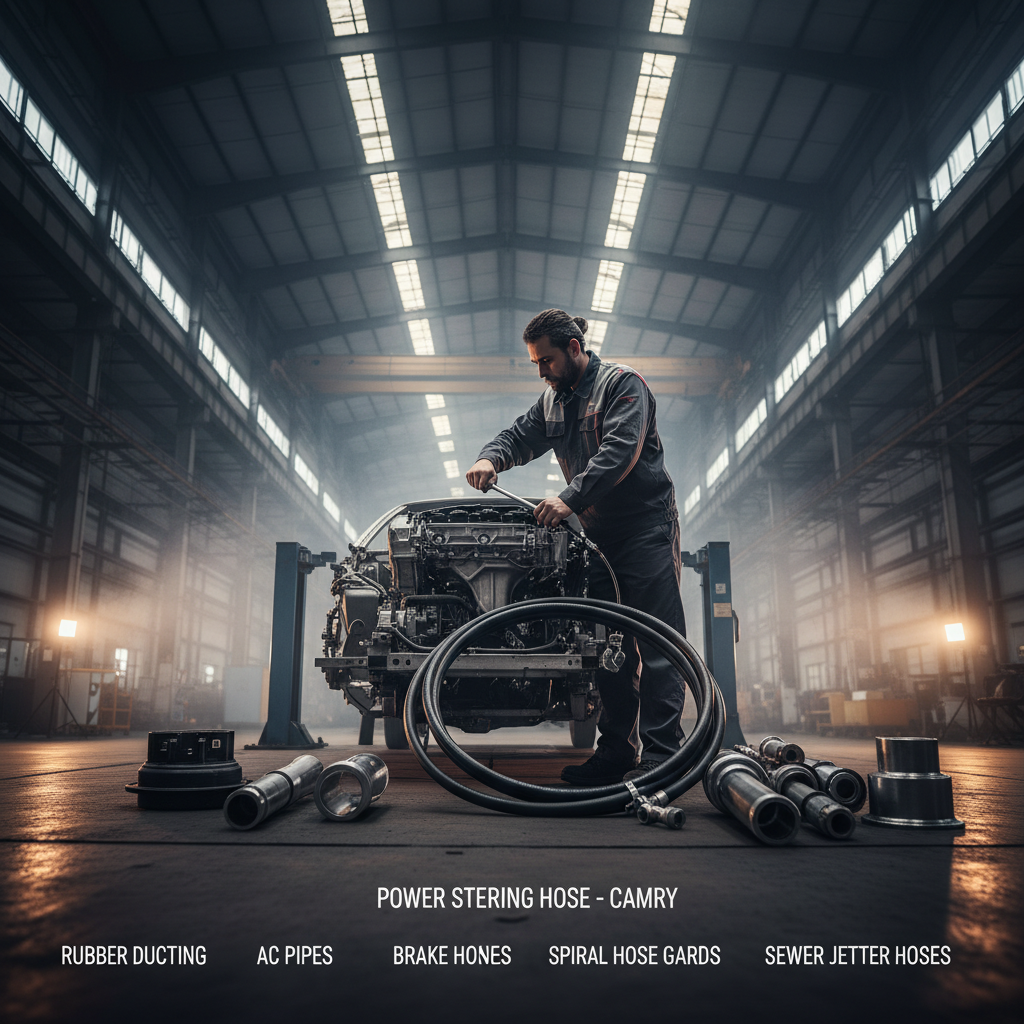 Replacing a power steering hose in your Toyota Camry can seem daunting, but with the right knowledge and tools, it's a manageable DIY project. A failing power steering hose can lead to leaks, reduced steering assist, and ultimately, a compromised driving experience. This article will guide you through the process, covering identification, necessary tools, step-by-step instructions, and where to source high-quality replacement parts like those available at Hose QRT. Understanding the specifics of your Camry model year is crucial for a successful replacement. Several symptoms indicate a potential power steering hose issue. These include visible leaks near the power steering pump or steering rack, a whining noise when turning the steering wheel, difficulty steering (particularly at low speeds), and a low power steering fluid level. Inspecting the hoses for cracks, bulges, or brittleness is also essential. Don't ignore these signs – early detection can prevent more significant damage to the power steering system. Consistent fluid level checks are a proactive measure.Basaha ang dugang pa
 -
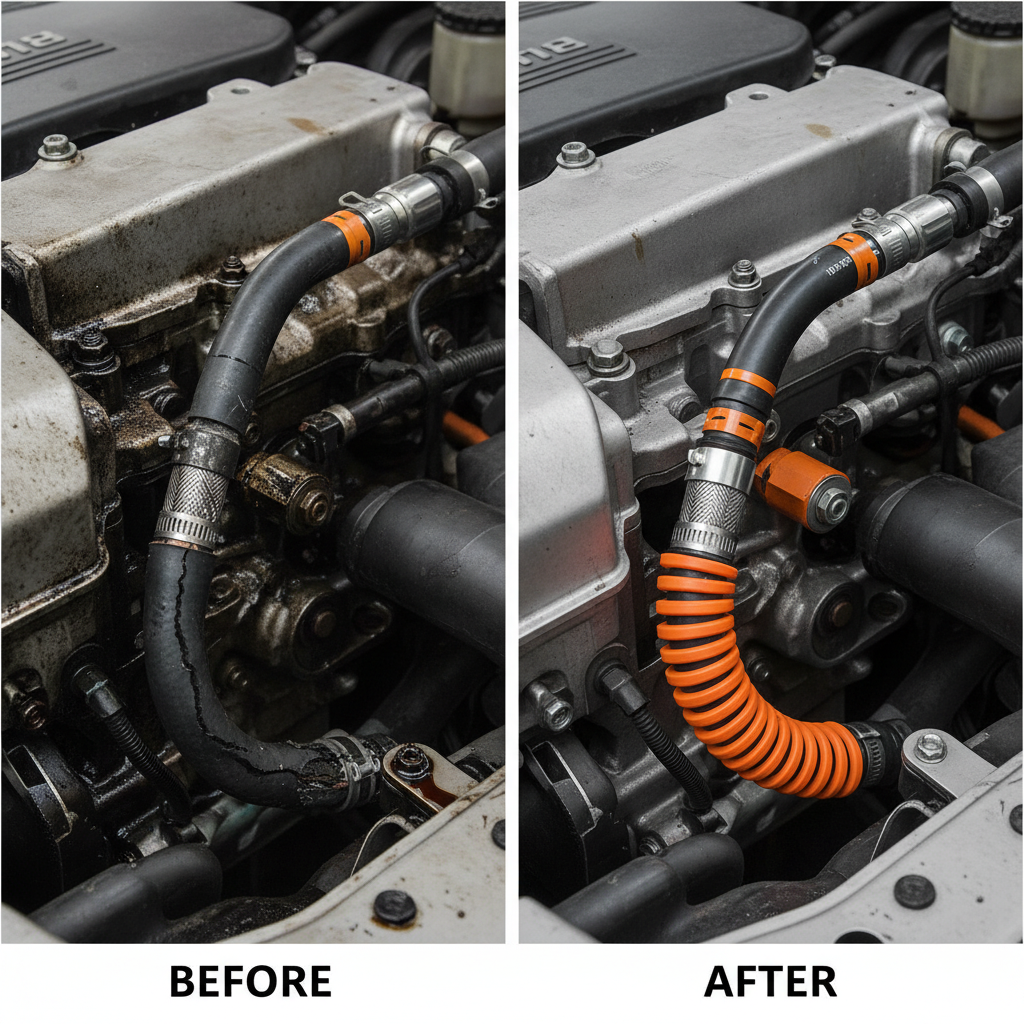 The power steering hose is a critical component of your Toyota Camry's steering system, responsible for delivering hydraulic fluid to the power steering rack. A failing hose can lead to difficult steering, loss of power assist, and even complete steering failure. This article will provide an in-depth look at the Camry power steering hose, covering its function, common issues, replacement considerations, and why choosing a quality supplier like Hose QRT is essential. Maintaining a properly functioning power steering system ensures your safety and the longevity of your vehicle. The Camry power steering hose isn’t just a simple conduit; it's engineered to withstand high pressures and fluctuating temperatures. It connects the power steering pump to the steering gear, enabling smooth and effortless steering control. Recognizing the signs of a failing power steering hose is crucial for timely repair and preventing further damage. Common symptoms include difficulty steering, particularly at low speeds; a whining or groaning noise when turning the steering wheel; power steering fluid leaks under the vehicle; spongy or erratic steering feel; and fluid level drops in the power steering reservoir.Basaha ang dugang pa
 -
Maintaining your Cadillac Deville's power steering system is vital for a smooth and responsive driving experience. A failing power steering hose can lead to leaks, reduced steering assistance, and potentially, complete steering failure. This article provides a detailed guide to Cadillac Deville power steering hose replacement, covering symptoms, necessary tools, step-by-step instructions, and important safety precautions. Addressing power steering issues promptly is crucial for safety and preserving the longevity of your vehicle. At Hose QRT we specialize in high-quality replacement hoses. Several symptoms can indicate a failing power steering hose. These include noticeable leaks under the hood (often appearing as oily puddles), difficulty steering, especially at low speeds, a whining noise when turning the steering wheel, and intermittent loss of power steering assistance. Ignoring these signs can lead to more extensive and costly repairs. A quick inspection of the hoses for cracks, bulges, or corrosion is a good starting point. Regularly checking your power steering fluid level is also crucial.Basaha ang dugang pa
-
Maintaining the smooth and responsive steering of your Cadillac Deville is crucial for a safe and enjoyable driving experience. A vital component in this system is the Cadillac Deville power steering hose. This article will delve into the importance of this hose, common issues, how to identify problems, and where to source reliable replacements from Hose QRT. Ignoring power steering hose issues can lead to more significant and costly repairs, so understanding their role is essential for any Deville owner. The power steering hose is responsible for delivering high-pressure hydraulic fluid from the power steering pump to the steering gear. This fluid assists in turning the wheels, making steering effortless, especially at low speeds. The Cadillac Deville power steering hose is engineered to withstand the high pressures and temperatures generated by the system. It must remain flexible to accommodate engine movement and chassis flex, while simultaneously being robust enough to prevent leaks and bursts. A compromised hose can lead to diminished steering assistance, difficulty maneuvering, and potential damage to the power steering pump.Basaha ang dugang pa
-
Maintaining optimal performance in your C6 Corvette requires meticulous attention to detail, and that includes the power steering system. Correct C6 Corvette power steering hose routing is crucial for efficient operation and preventing leaks. Incorrect routing can lead to reduced steering assist, noisy operation, and even damage to the power steering pump. This guide will walk you through the proper hose routing, common issues, and provide resources for high-quality replacement hoses. Ensuring your power steering system is functioning correctly is key to a smooth and enjoyable driving experience. The C6 Corvette's power steering system utilizes several hoses to circulate power steering fluid. Key components include the high-pressure hose, running from the pump to the steering gear, the low-pressure return hose, returning fluid from the steering gear to the reservoir, and the reservoir hose connecting the reservoir to the pump. Understanding each hose's function and location is the first step in proper routing. These hoses are subjected to high pressures and temperatures, making it essential to use quality replacements when necessary.Basaha ang dugang pa
-
Maintaining the classic performance of your C3 Corvette requires attention to all its systems, and the power steering is no exception. The C3 Corvette power steering hoses are vital components, responsible for delivering hydraulic pressure to the steering gear. Over time, these hoses can degrade, leading to leaks, reduced steering performance, and potential safety hazards. This article will provide a detailed overview of C3 Corvette power steering hoses, covering their types, common problems, replacement options, and preventative maintenance. Ensuring your power steering system is in top condition will preserve the driving experience and value of your beloved Corvette. C3 Corvettes (1968-1982) generally feature three main power steering hose types: the high-pressure hose, the low-pressure return hose, and the short pump-to-gear hose. The high-pressure hose carries fluid from the power steering pump to the steering gear, demanding a robust construction to withstand significant pressure. The return hose transports fluid back from the steering gear to the reservoir, operating at lower pressure.Basaha ang dugang pa
-
Performing an LS engine swap in a classic C10 pickup is a popular modification, delivering modern power and reliability. However, a crucial component often overlooked is the power steering hose. Using the correct C10 LS swap power steering hose is vital for a safe and functional conversion. This article will cover everything you need to know about these hoses, including types, materials, installation, and why choosing a quality hose from a reputable supplier like Hose QRT is essential. We’ll help you ensure your C10’s new power steering system performs flawlessly. Simply trying to adapt existing hoses rarely works. The LS engine’s power steering pump has different port locations and pressure requirements compared to the original C10 setup. Attempting to use mismatched hoses can lead to leaks, reduced steering performance, and even damage to the pump. A dedicated C10 LS swap power steering hose is specifically engineered to connect the LS pump to the C10 steering gear box without these issues, guaranteeing a secure and reliable connection.Basaha ang dugang pa
 Cebuano
  English
  Afrikaans
  Albanian
  Amharic
  Arabic
  Armenian
  Azerbaijani
  Basque
  Belarusian
  Bengali
  Bosnian
  Bulgarian
  Catalan
  Corsican
  Croatian
  Czech
Czech  Danish
  Dutch
Dutch  Esperanto
  Estonian
  Finnish
  French
  Frisian
  Galician
  Georgian
  German
  Greek
Greek  Gujarati
  Haitian Creole
  Hausa
Hausa  Hawaiian
  Hebrew
  Hindi
Hindi  Miao
Miao  Hungarian
  Icelandic
  Igbo
Igbo  Indonesian
  Irish
Irish  Italian
  Japanese
  Javanese
  Kannada
  Kazakh
  Khmer
Khmer  Rwandese
  Korean
  Kurdish
  Kyrgyz
  Lao
Lao  Latin
Latin  Latvian
  Lithuanian
  Luxembourgish
  Macedonian
  Malgashi
  Malay
Malay  Malayalam
  Maltese
  Maori
Maori  Marathi
  Mongolian
  Myanmar
  Nepali
  Norwegian
  Norwegian
  Occitan
  Pashto
  Persian
  Polish
  Portuguese
  Punjabi
  Romanian
  Russian
  Samoan
  Scottish Gaelic
  Serbian
  Sesotho
  Shona
Shona  Sindhi
  Sinhala
  Slovak
  Slovenian
  Somali
  Spanish
  Sundanese
  Swahili
  Swedish
  Tagalog
  Tajik
Tajik  Tamil
Tamil  Tatar
Tatar  Telugu
  Thai
Thai  Turkish
  Turkmen
  Ukrainian
  Urdu
Urdu  Uighur
  Uzbek
Uzbek  Vietnamese
  Welsh
Welsh  Bantu
Bantu  Yiddish
  Yoruba
  Zulu
Zulu